


Listen to this article
Estimated 4 minutes
The audio version of this article is generated by AI-based technology. Mispronunciations can occur. We are working with our partners to continually review and improve the results.
A white, wooden church by the St. John River with roots going back to 1775 is being dismantled after years of deterioration caused by flooding.
The Sheffield United Church has not had a regular service in six years.
Church-goer Barbara Jamieson is sad about the loss but also resigned to it. Her own house had to be raised because of flooding in the community, a drive of about 30 kilometres east of Fredericton on Route 105.
Jamieson, who is 87, said she walked by the church every day on her way to school as a child and wants to be buried in the graveyard next to it, even after the building is gone.
“Many of my friends and ancestors are buried there, and my mom, and dad, and my husband, and someday that’s where I will be,” said Jamieson.
“It’s going to be sad when I drive down and not see it anymore. But anyway, as time passes, things change and that’s one of the changes that’s going to take place in our community.”
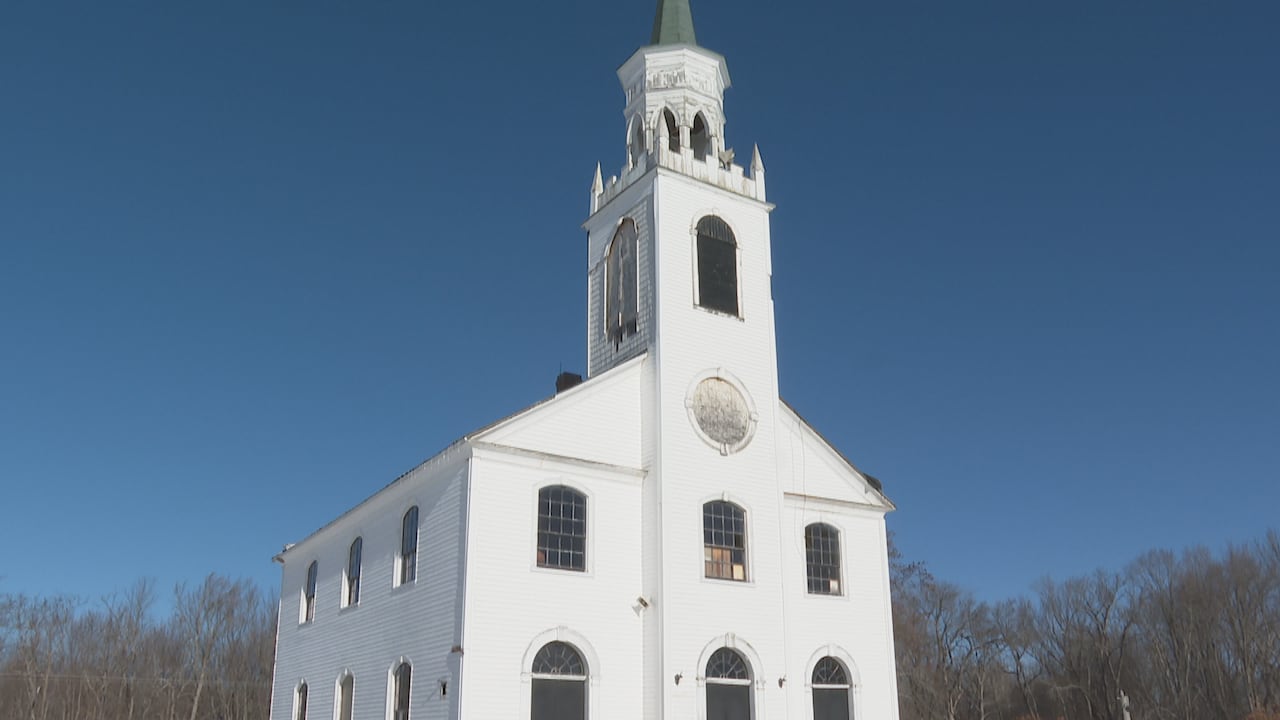 The Sheffield United Church has sustained damage from spring floods since the 1930s. (Ian Curran/CBC)
According to the York-Sunbury Historical Society website, the church was built upriver in Maugerville in 1775, then hauled to Sheffield almost 15 years later. It had to be rebuilt in the 1840s, although parts of the original structure were saved and used in the new one.
Jamieson said the building has experienced constant flooding since the 1930s.
“I think it was probably the highest ever in this area in 2018,” she said. “We raised our house and have a new foundation under it, and we’re hoping and praying that it’s high enough.”
Restoring the old church is not feasible, she said, because of the cost.
Church attendance declined over the years, she said, because younger generations don’t go to church as much as hers did. The community also doesn’t see many new residents because of the threat of spring flooding.
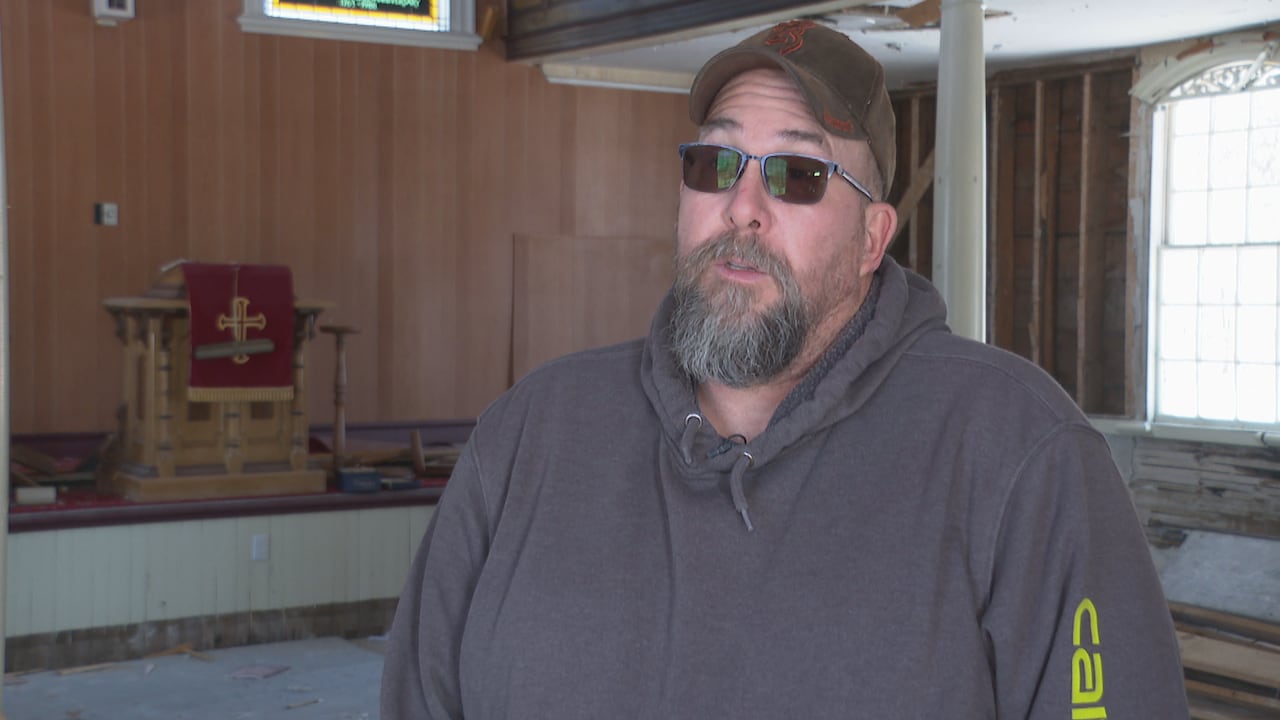 Chris Jamieson, one of four trustees on the church committee, said the graveyard will be maintained. (Ian Curran/CBC)
“I think it’s time that the church is at its end,” Jamieson said. “It’s sad, but I think it would be a humongous amount of money to repair it, and the congregation just doesn’t have the money or funds to do it.”
Chris Jamieson, Barbara’s son and a trustee on the church committee, said the historic building is in an unsafe condition because of its rotten bottom and an open balcony on the second floor with broken windows that does not meet the building code.
“It was a very hard decision on part of the trustee committee.”
He said the community was consulted several times, but money couldn’t be raised.
The committee also sought information from the United Church of Canada, which it eventually received before the final decision was made to tear down the Sheffield church.
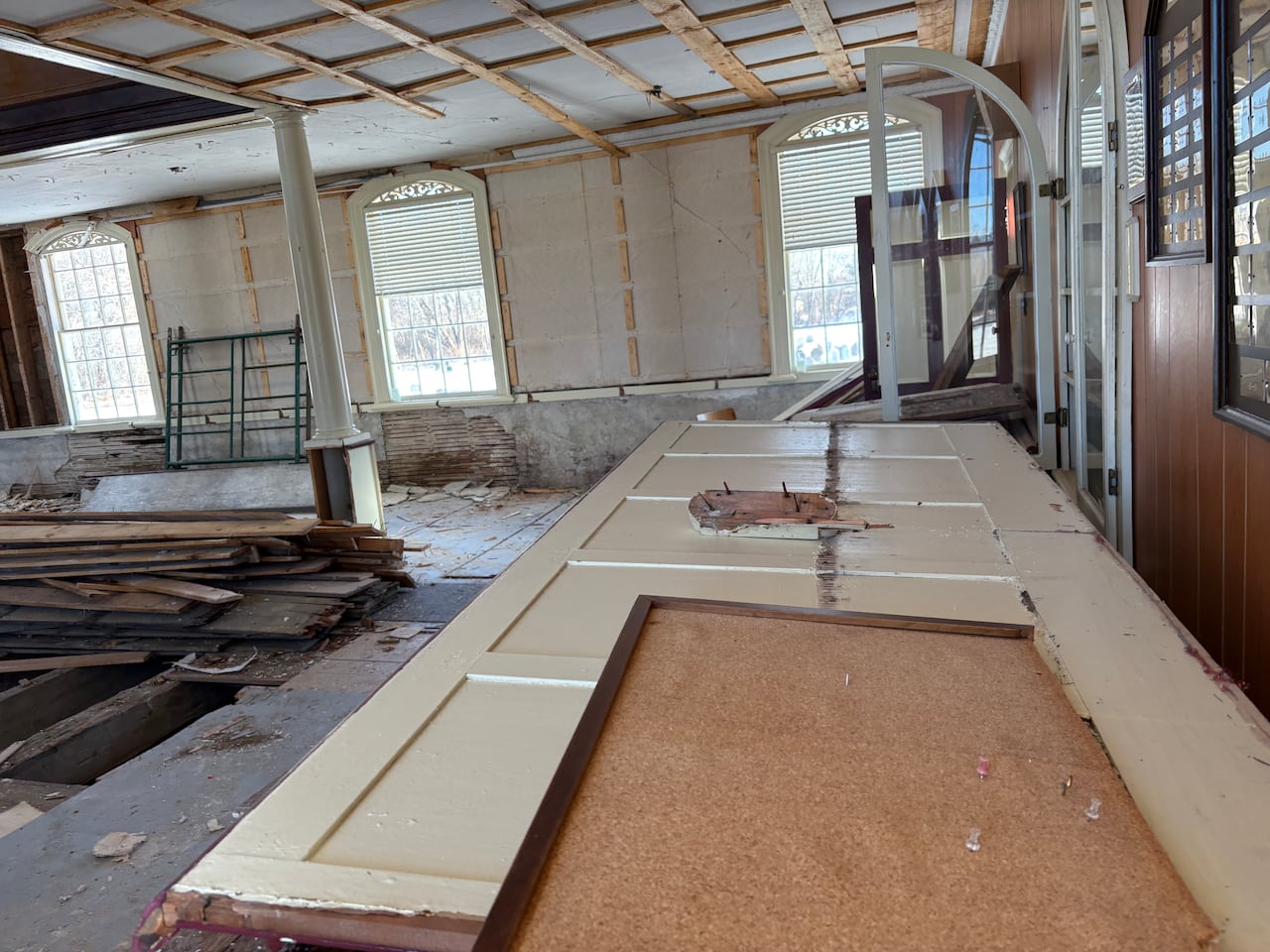 Dry rot at the Sheffield church made it unsafe for visitors, says Chris Jamieson. (Ian Curran/CBC)
He said the responsibility to look after the graveyard remains with him. The church committee plans to replace the building with a monument commemorating it.
It’s not the only church that got into trouble along that stretch of Route 105.
In Maugerville, Christ Church, which had also faced flooding, was deconsecrated this year and the building put up for sale. The Anglican parish of Oromocto and Maugerville couldn’t afford the upkeep.
“It’s a sign of the times,” Chris Jamieson said. “I mean, these small rural communities are aging. There’s not a lot of young people coming back into these communities.”
Although church buildings like the one in Sheffield hold historical value, “there never seems to be enough money to … keep these buildings in the kind of shape they’re meant to be in,” he said.
“It’s just kind of a sad state of affairs, really.”