
But Bardot is destined to remain controversial in death as she was during her life. Faure pointed out that she had been convicted five times for inciting racial hatred.
Bardot starred in some 50 films, after bursting on to the scene in And God Created Woman in 1956.
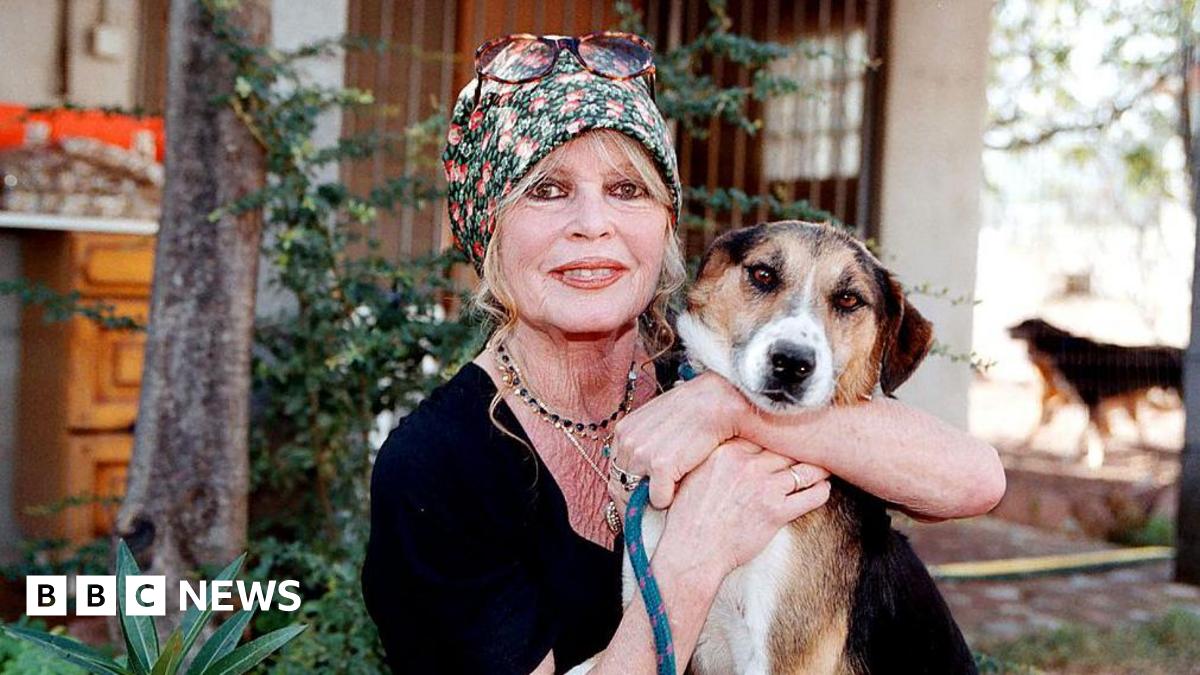
She then left the world of cinema in 1973 for a life devoted to animal welfare, and lived for decades in Saint-Tropez on the French Riviera, at her home called La Madrague.
But she became as well known for her far-right sympathies as she was for her love of animals. Some of her remarks targeted Muslims, and others insulted the people of the French Indian Ocean island of Réunion.
“To be moved by the plight of dolphins and yet be indifferent to the deaths of migrants in the Mediterranean – what degree of cynicism is that?” asked Green MP Sandrine Rousseau on social media.
There are differing types of national tribute in France.
Robert Badinter, who abolished the death penalty in France, was honoured with a national homage in the form of a solemn ceremony in 2024, as was singer Charles Aznavour in 2018.
A more likely option for Bardot would be along the lines of the public farewell given to rock star Johnny Hallyday, when large crowds lined the streets of Paris in 2017.
Not everyone on the left is opposed to the idea of a national homage to Bardot.
“Why not? We’ve done it for other figures, particularly Johnny Hallyday,” Socialist MP Philippe Brun told French radio. “If the president of the republic decides on it, I don’t see why we should oppose it.”