
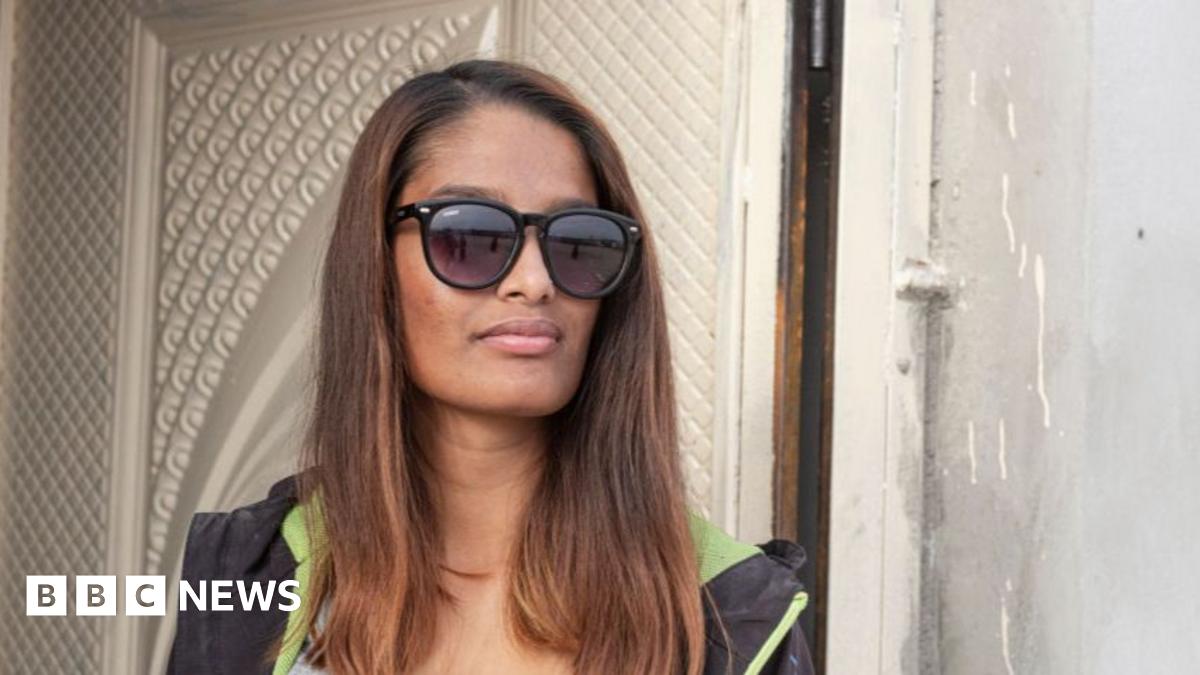
The ECHR has asked the Home Office whether ministers at the time considered whether Ms Begum had been a victim, and whether the UK had obligations to her.
But a government source said: “The home secretary will robustly defend the decision to revoke Shamima Begum’s citizenship, which has been tested and upheld time and again in our domestic courts.
“The home secretary will always put this country’s national security first.”
In a document published by the ECHR earlier this month, it states that Ms Begum is challenging the decision to revoke her British citizenship under Article 4 of the European Convention of Human Rights – prohibition of slavery and forced labour.
The case was lodged in December 2024 after the UK’s Supreme Court denied her the chance to challenge the decision.
The four questions posed by judges in Strasbourg to the Home Office, include: “Did the Secretary of State have a positive obligation, by virtue of Article 4 of the Convention, to consider whether the applicant had been a victim of trafficking, and whether any duties or obligations to her flowed from that fact, before deciding to deprive her of her citizenship?”
Ms Begum was born in the UK to parents of Bangladeshi heritage and was 15 when she left Bethnal Green, east London, with two schoolfriends in 2015 to support the Islamic State group.
She had married an Islamic State fighter soon after arriving and went on to have three children, none of whom survived.
She was later found in a refugee camp in Syria and a tribunal ruled in February 2020 that because she was “a citizen of Bangladesh by descent” removing her British nationality would not make her stateless.