The New Year Plant Hunt, co-ordinated by the Botanical Society of Britain and Ireland (BSBI), is a survey recording plants in flower around New Year’s Day.
This initiative, which has been gathering data for ten years, offers a unique snapshot of how our flora is responding to changing weather and climate.
Recent analyses of the survey data by Met Office scientists demonstrate a significant relationship between warmer temperatures and increased plant flowering. For every 1°C rise in temperature at a given location, an average of 2.5 additional plant species are observed in bloom during the study. This striking trend provides compelling evidence of the influence of climate variability and change on our natural environment.
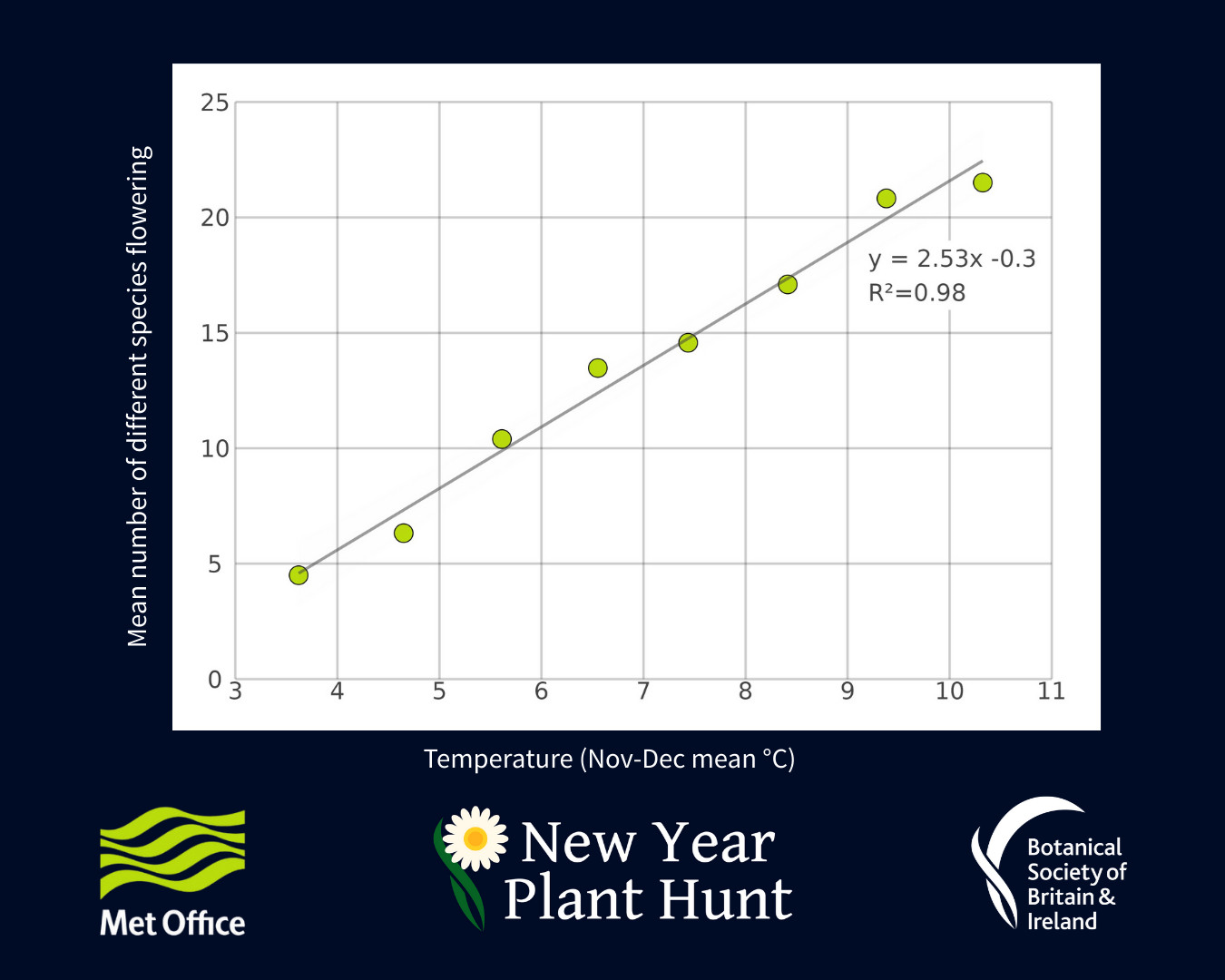
The graph shows a very strong linear relationship between the average (mean) number of plant species flowering during the New Year period and the average temperature during the preceding two months.
Each point on the graph is the average of thousands of observations of flowering plants made by citizen scientists across the UK during New Year period in the last 10 years (from 2016 to 2025) linked with the associated mean temperature for all observations within each 1°C mean temperature ranging from 3°C to 11°C. The relationship suggests that for every 1°C warmer average temperature during November-December there are about 2.5 more species of flowering plants observed over the New Year period. This can reflect differences in temperature that are related to geographic location e.g. cooler locations further north or on mountains, as well as variations in temperature from year to year.
Climate and weather impacts on plant species
The 2025 survey recorded 310 native plant species in flower, a figure that far exceeds the 10 species typically expected to bloom at this time of year. Common wildflowers like daisies, dandelions, and groundsel also continue to appear on the list of plants in bloom.
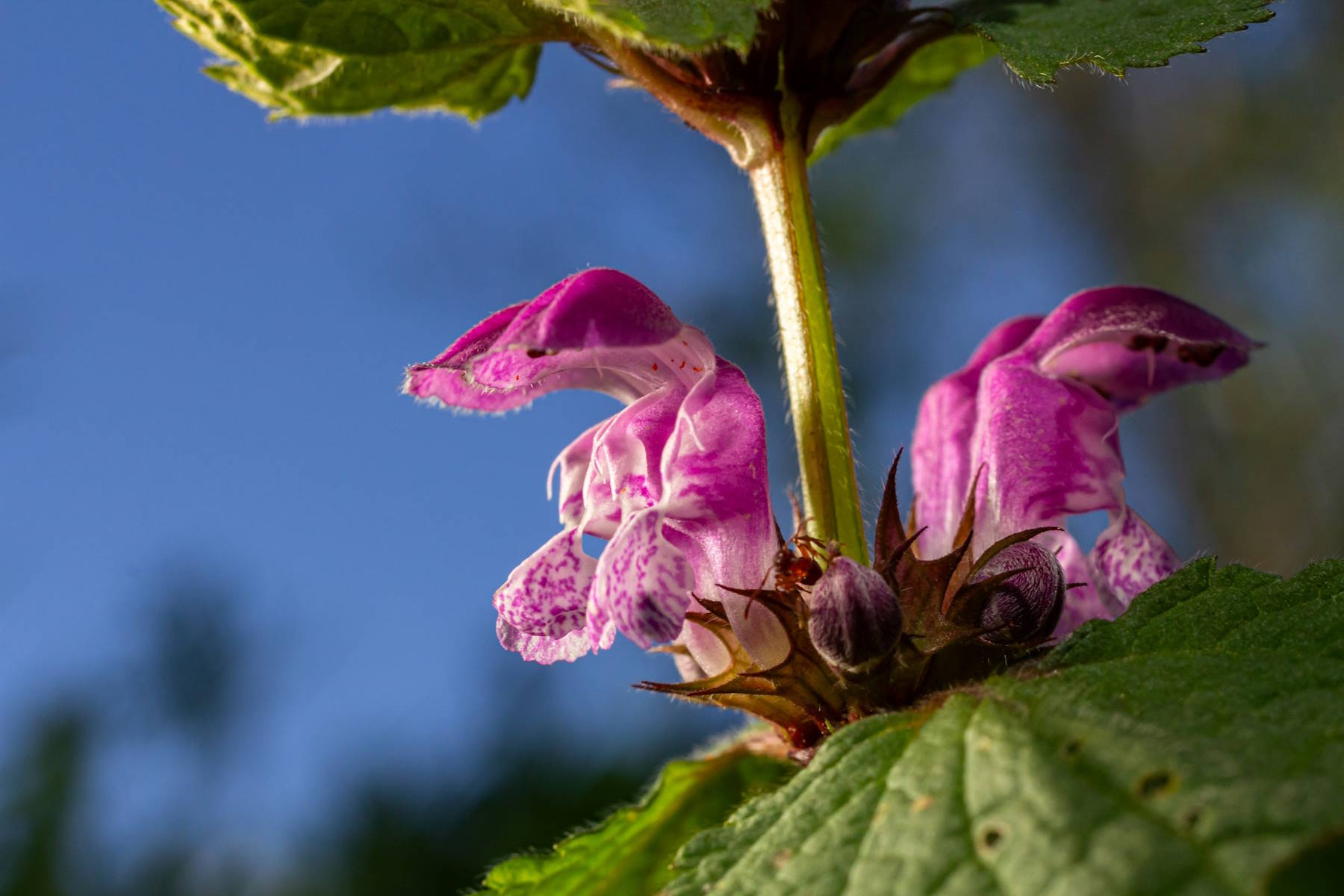
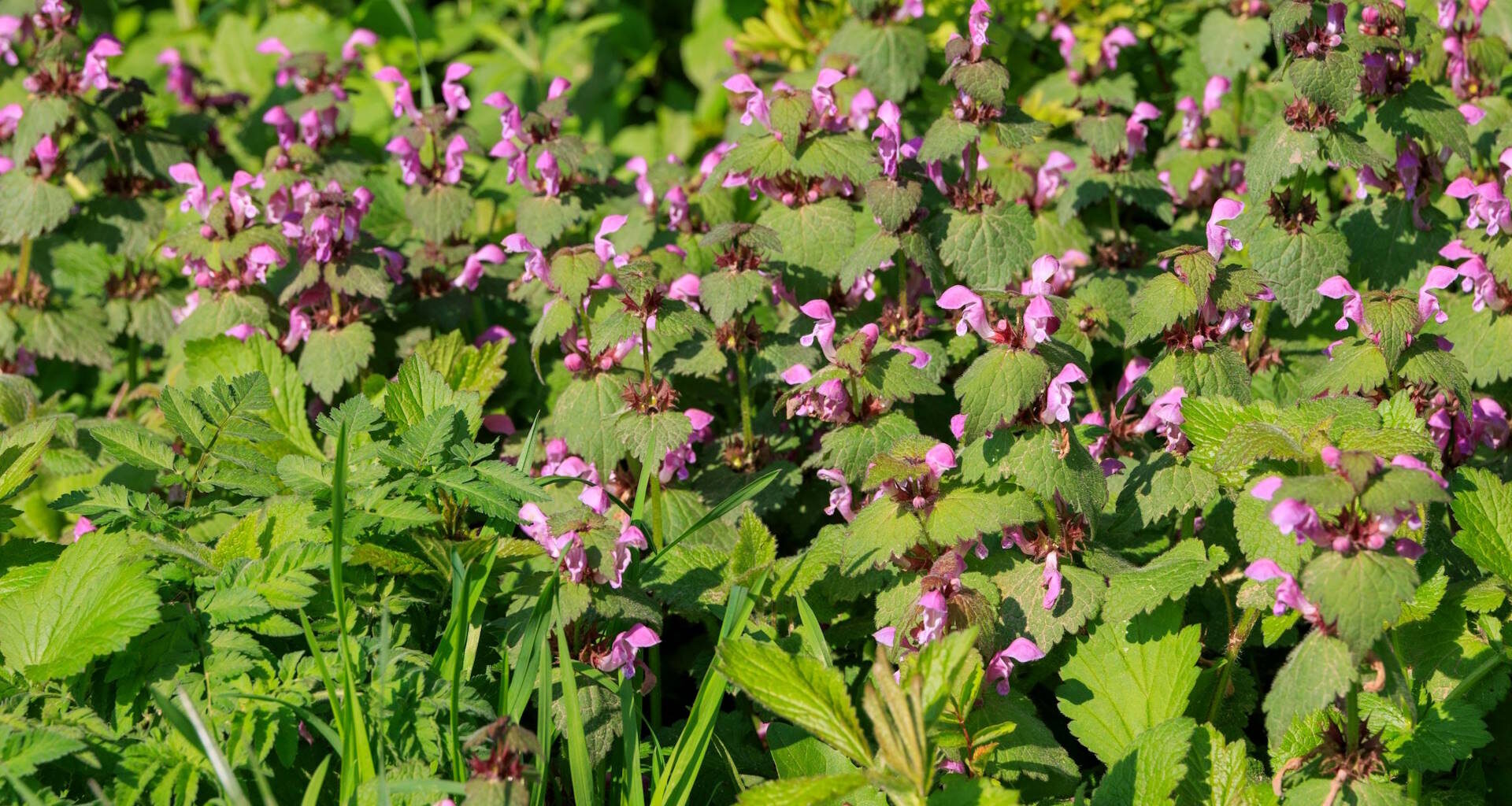
When non-native species are included, the tally rises to 646 species, featuring familiar species such as Mexican Fleabane as well as White and Red Dead-nettles.
Kevin Walker, Head of Science at BSBI, commented: “This new analysis shows a very clear link between rising temperatures and impacts on our plant species. This is yet further evidence that climate change is affecting our wildlife indiscriminately. This is a visible signal that everyone can see in their own gardens and communities.”
Dr Debbie Hemming, a leading climate scientist researching the effects of climate change on the natural world, added: “These findings underscore how rising temperatures and increasing climate extreme events are shifting the natural cycles of our plants and wildlife, providing tangible evidence that climate change is directly influencing the world around us.”
Grace Richardson is a Met Office early-career scientist who has been involved with the project. She said: “The project is already showing how effectively climate data and detailed plant records can be brought together to explain shifts in our environment. Being at the beginning of my career, it’s a privilege to contribute to this valuable work.”