
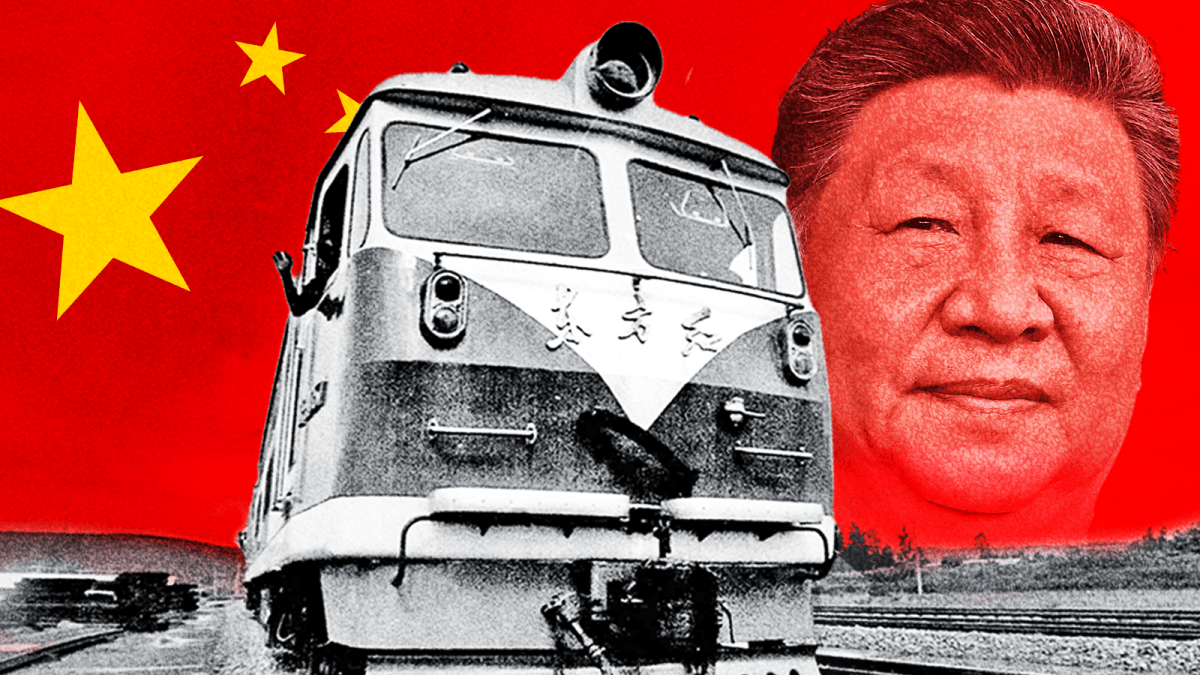
It is painful for a proud engineer to see the historic railway line in whose service he has spent his entire career rusting into ruin.
When Hezekiah Musonda joined the Tanzania-Zambia line as a graduate trainee, it carried more than a million tonnes of copper and freight a year, as well as passengers.
Now the volume of freight has been slashed to almost nothing, and part of the route carries passengers only. The railway has become a vivid symbol of the failure of big ambitions for infrastructure development across central Africa.
The line was built by the Chinese at the height of the Cold War. But now a new Cold War between China and the West is looming, and the Tazara line, as it became known, as well as a lot of other African infrastructure, is getting a second chance.
Driven by President Xi and his “belt and road initiative” to promote Chinese investment around the world, new plans to redevelop the line are under way. And this time it is being matched by a rival project, to be overseen by President Trump’s America.
“No train has gone as far as Dar since 2023,” Musonda, 43, Tazara’s regional mechanical engineer, said. “But that will change with our new age of rail.”
The Tazara line, which ran 1,860km from landlocked Zambia’s Copperbelt region to Dar es Salaam, Tanzania’s port on the Indian Ocean, was opened back in 1976.
It was the joint vision of Zambia’s former president, Kenneth Kaunda, and Tanzania’s former president, Julius Nyerere, who sought a pit-to-port route that bypassed white minority-ruled Rhodesia, now Zimbabwe, and apartheid-era South Africa.
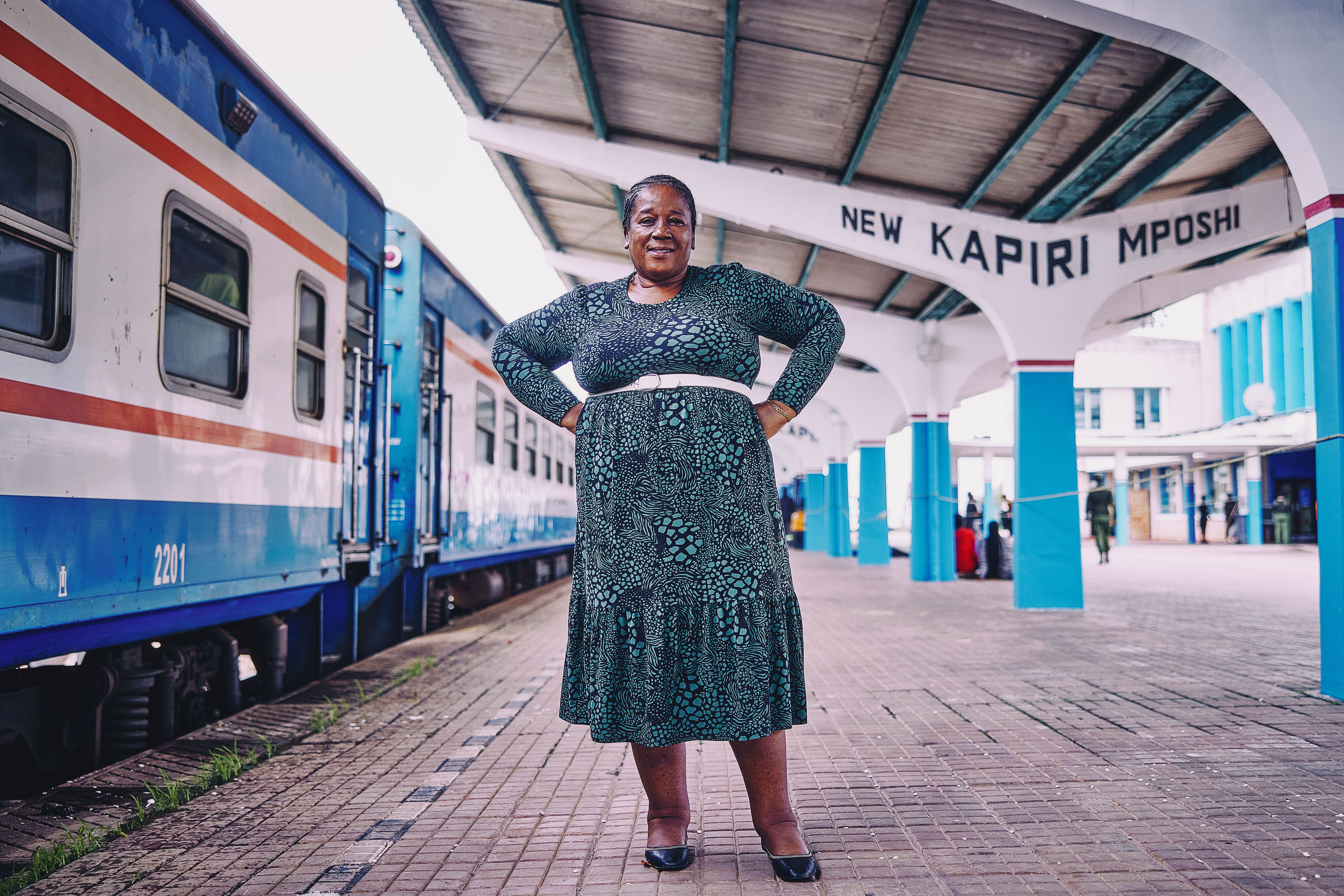
Mukololo Chanda is the stationmaster at Kapiri Mposhi
TIMES PHOTOGRAPHER JAMES GLOSSOP
After western governments and the World Bank declined to fund it, saying the project made little economic sense, Mao Zedong personally approved the building of the line, at the time the largest infrastructure project in Africa since Egypt’s Aswan Dam and the Volta Dam in Ghana, built in the 1960s.
It was a classic project of the age of the Non-Aligned Movement, when China and India, though competitors and rivals, led a group of largely left-leaning countries around the world who claimed to be independent of both the capitalist West and the Soviet Union.
• In China, the world’s highest bridge has shaky foundations
It was driven across hostile terrain by interest-free loans and thousands of Chinese and local engineers and labourers. Scores of workers, Chinese, Zambian and Tanzanian, paid with their lives. It was supposed to fast-track Zambia’s fortunes, along with its political independence as British colonial rule had ended in 1964, but that ambition was met only sporadically.
Too embarrassed or diplomatic to explain why the maintenance budgets dried up and equipment became obsolete, Musonda could only point to the line’s paltry timetable.
Now a new Mao is on the scene, with a politically-inspired vision of economic togetherness for the “Global South”.
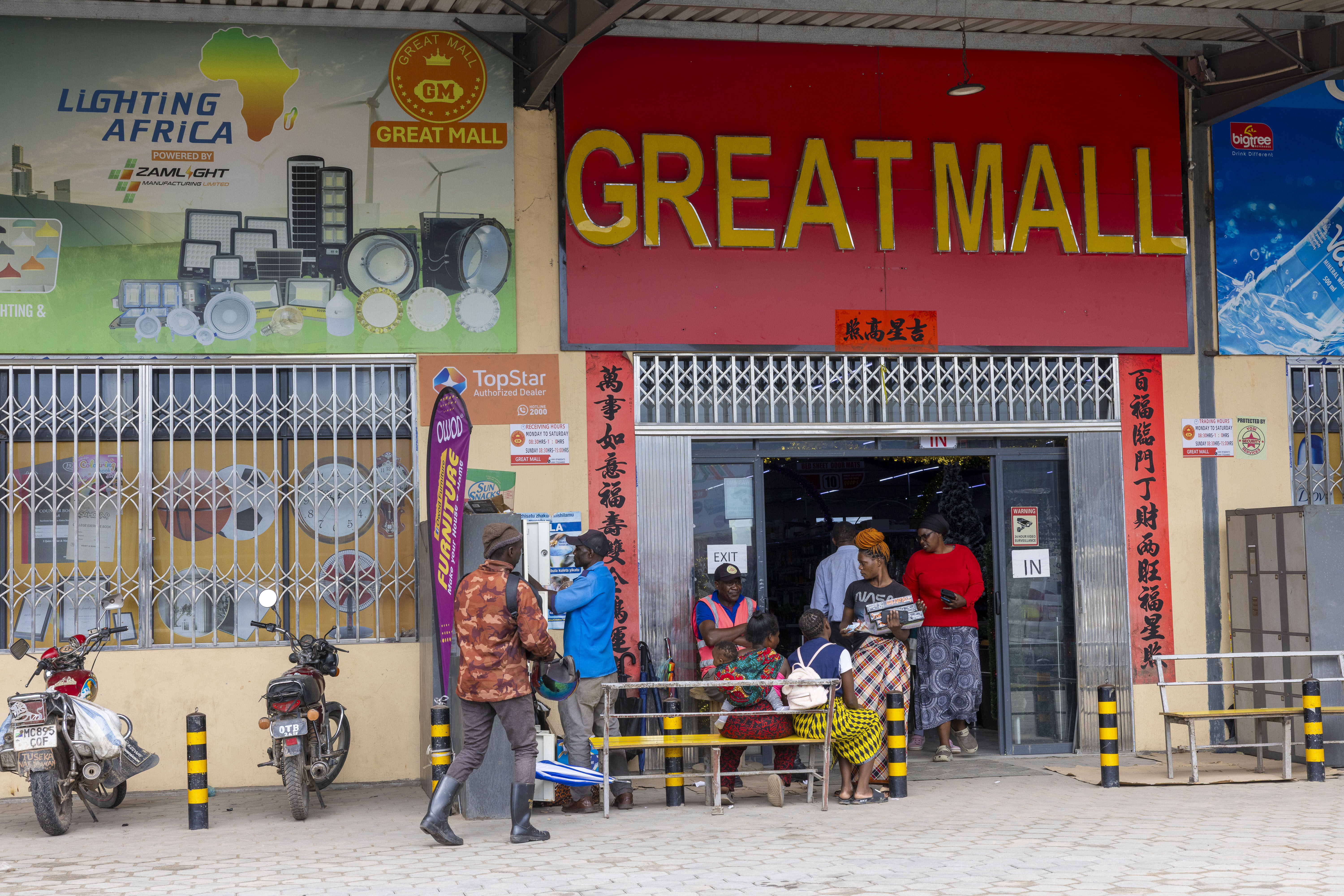
Evidence of Chinese influence in Kapiri Mposhi
TIMES PHOTOGRAPHER JAMES GLOSSOP
The Belt and Road Initiative (BRI), launched in 2013 near the start of Xi’s first term in office, has had mixed success, in terms of profitability for its projects and political success for the governments around the world which have made use of it.
But it has led to the building of huge projects that otherwise would have lacked funding. After a pause to take stock, particularly after debt crises linked to BRI projects in countries like Sri Lanka and Kenya, Xi has ordered a resumption.
In part, he has been reacting to rising trade wars with his European and particularly American export markets. Closer relations with the Global South, he hopes, will be a counterweight to politically confrontational trade partners.
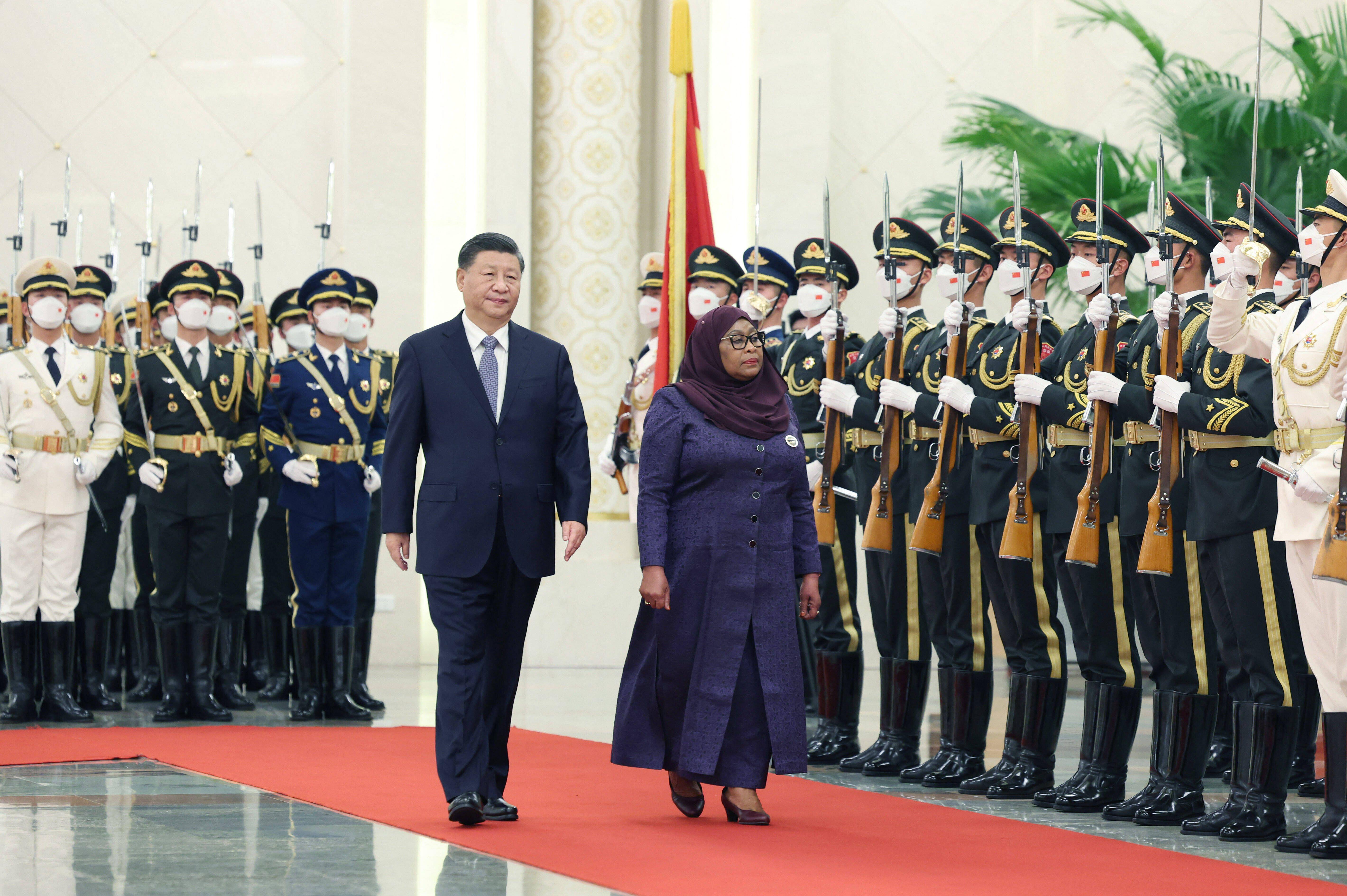
President Xi welcoming President Hassan of Tanzania prior to talks in Beijing in 2022
ALAMY
Apart from anything else, China is keen to secure mineral resources. Zambia and neighbours such as Angola and the Democratic Republic of Congo are rich in copper and other key ingredients used in new tech, electric cars and defence industries such as cobalt, chromium, graphite, lithium, manganese, and nickel.
The China Civil Engineering Construction Corporation (CCECC), a state-owned subsidiary of the national railway building company, is set to invest $1.4 billion to revamp the Tazara line.
The final deal was signed in November by the Chinese prime minister, Li Qiang, the most significant visit by a Chinese leader to Zambia in 28 years.
The Chinese are hoping not to repeat the mistakes of the past. As with western investments, too often China provided much of the development know-how and did not leave behind a strong enough industrial or political base to maintain it.
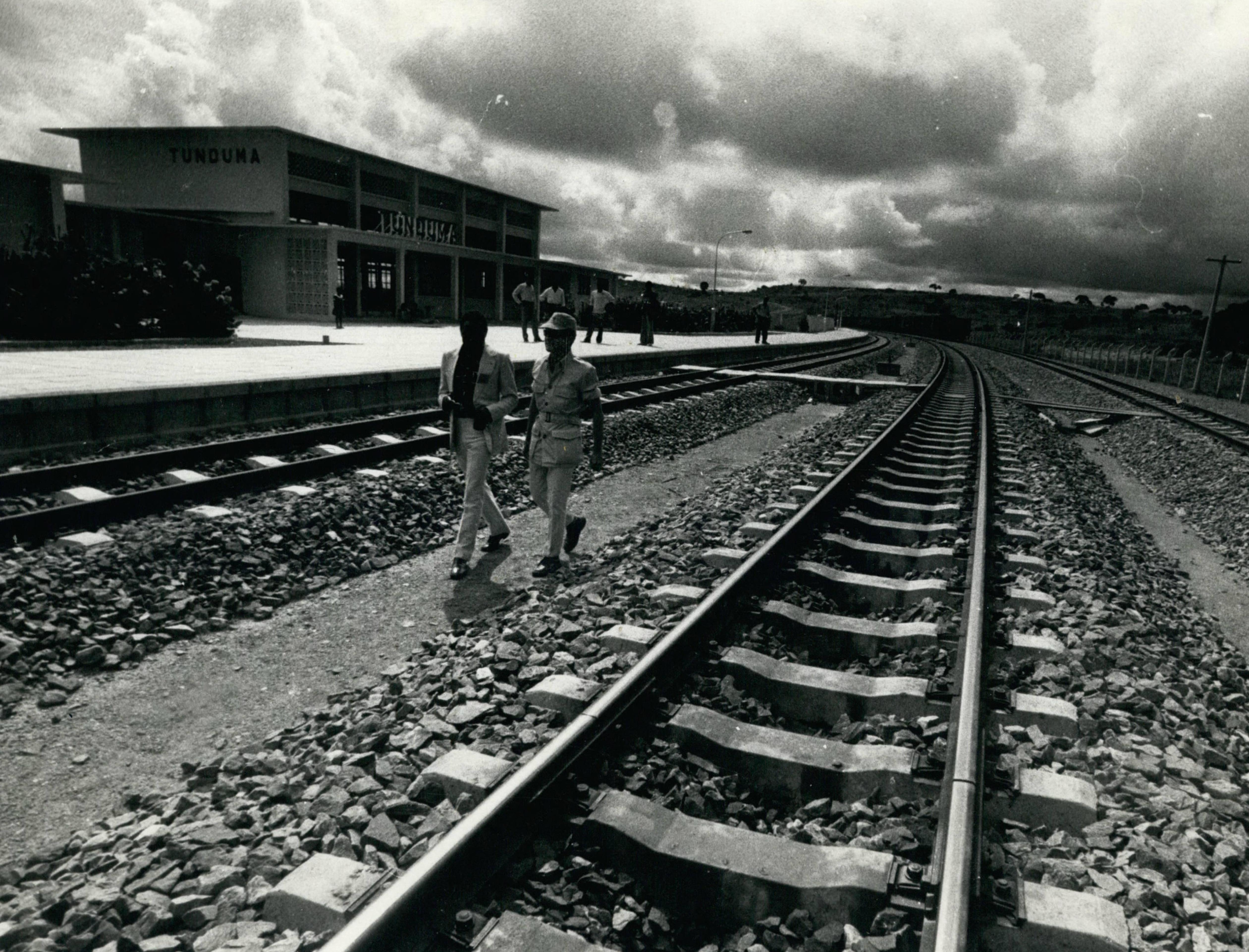
The Tazara railway line on the border between Tanzania and Zambia
ALAMY
China is sponsoring training for thousands of people sent by African governments in engineering and other skills as well as a full range of officials and even journalists and police being taught the “Chinese development model”.
Musonda, who wears a jacket bearing the CCECC logo, recently returned from two and a half years studying at the Changsha University of Science and Technology, sponsored by China’s ministry of commerce. “I will be able to speak with colleagues in their own language,” he said.
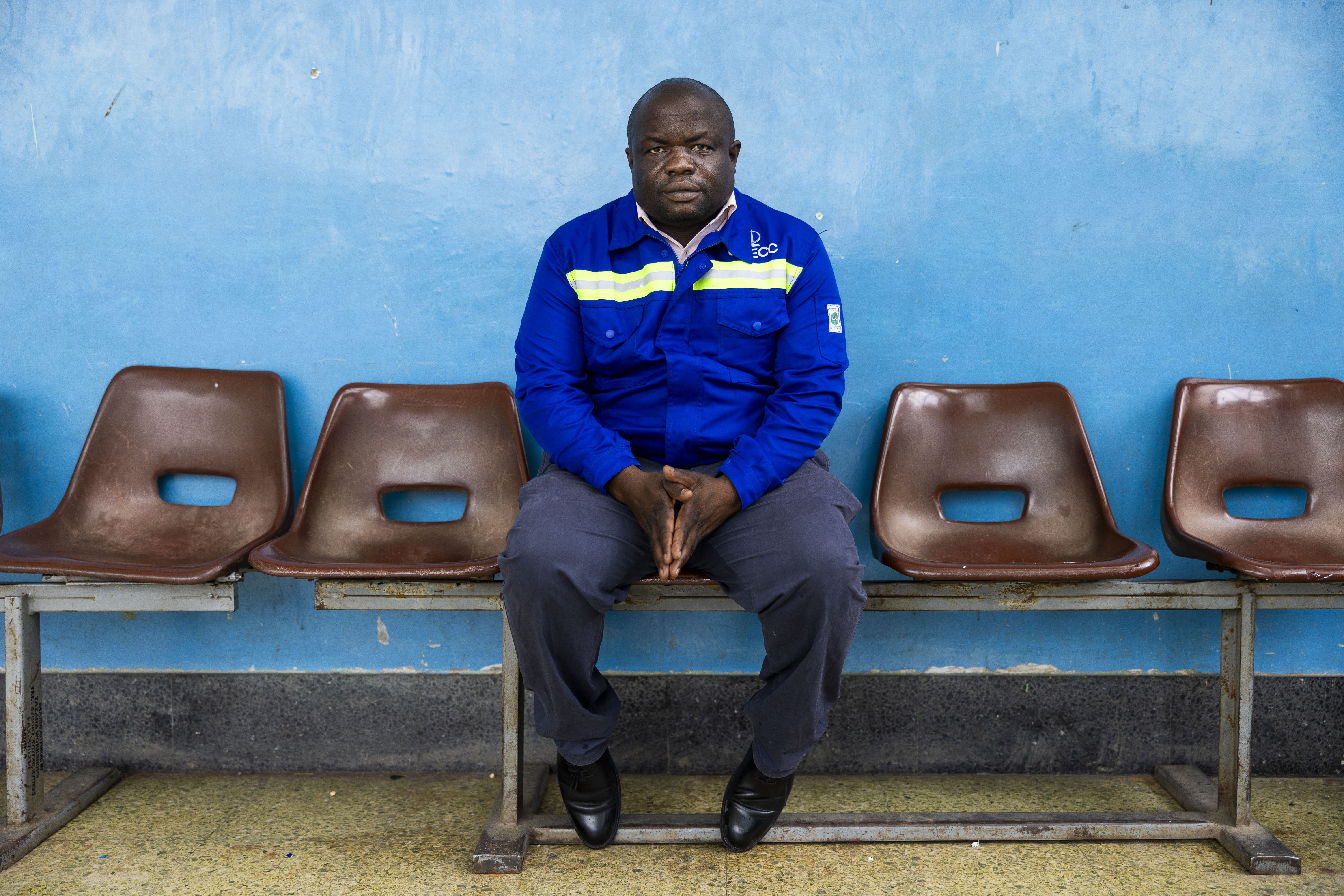
Hezekiah Musonda
TIMES PHOTOGRAPHER JAMES GLOSSOP
The revamp is expected to lift freight volumes on the Tazara line to 2.4 million tonnes a year, from about 100,000 tonnes currently.
Meanwhile, the West, whose absence from infrastructure development projects across the Global South has been widely noted by their governments, if not electorates back home, has started to take notice.
President Trump has lent his support to a rival US and EU-backed investment in upgrading and extending the 1,300km colonial-era Benguela railway — similar to Tazara, but running in the opposite direction, west from Zambia to Angola’s Atlantic coast.
The US International Development Finance Corporation agreed a $553 million loan in December to the Lobito Atlantic Railway consortium, named after the Angolan port at its western end.
The deal underscored “the United States’ commitment to advance strategic infrastructure that promotes regional trade, mutual economic growth and long-term US-Africa co-operation”, a statement read.
For users of the railway, and those nostalgic for its happier times, the US-China competition is a double boon rather than a source of concern.
“When I looked out of the window people were walking faster than the train,” Lydia Kabosha, 68, a passenger, said. She had bought a ticket at the town of Kapiri Mposhi to visit her son in Nakonde, now the final stop on the line, short of the Tanzanian border.

Lydia Kabosha
TIMES PHOTOGRAPHER JAMES GLOSSOP
The station itself, a fine example of Soviet-style architecture from the Mao era, stood proud but neglected.
Mukololo Chanda, 59, the station master, said that over her lifetime she had seen her town grow to become a gateway to the Copperbelt, with markets and malls marked out by signs in Chinese. Now, though, the roads were cratered by lorries hauling what once went by rail, and she cannot wait to have the rail engineers back.
“My days are too quiet and slow,” she said. “I want the Tazara running how it was.”
On her wall is a stopped clock and a portrait of Hakainde Hichilema, the president. When he came to power in 2021, he inherited a $5.7 billion outstanding debt to Beijing.
He has also had to face protests over safety conditions at Chinese-run mines, and has been accused of playing down a spill from a Chinese-operated copper mine in February, which released tens of millions of litres of toxic waste into the Kafue River in what has been described as one of Zambia’s worst environmental disasters.
None of this has deterred him from further co-operation, a decision which seems to have support, at least from the railway enthusiasts.
The country did not have to choose between East and West, Musonda, the engineer, said. “In order for our country to do well, both will be needed,” he said.