
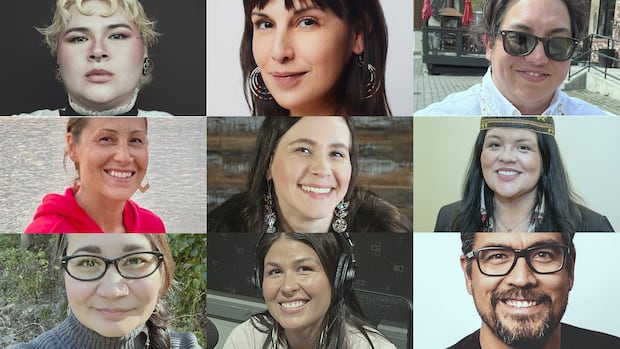
Unreserved spoke to many acclaimed Indigenous authors in 2025. Each shared a few lessons that help them navigate life’s challenges and joys.
From memoir to poetry, here are some of Unreserved’s favourite books of 2025, and their authors’ wisdom to help prepare you for 2026.
procession by katherena vermette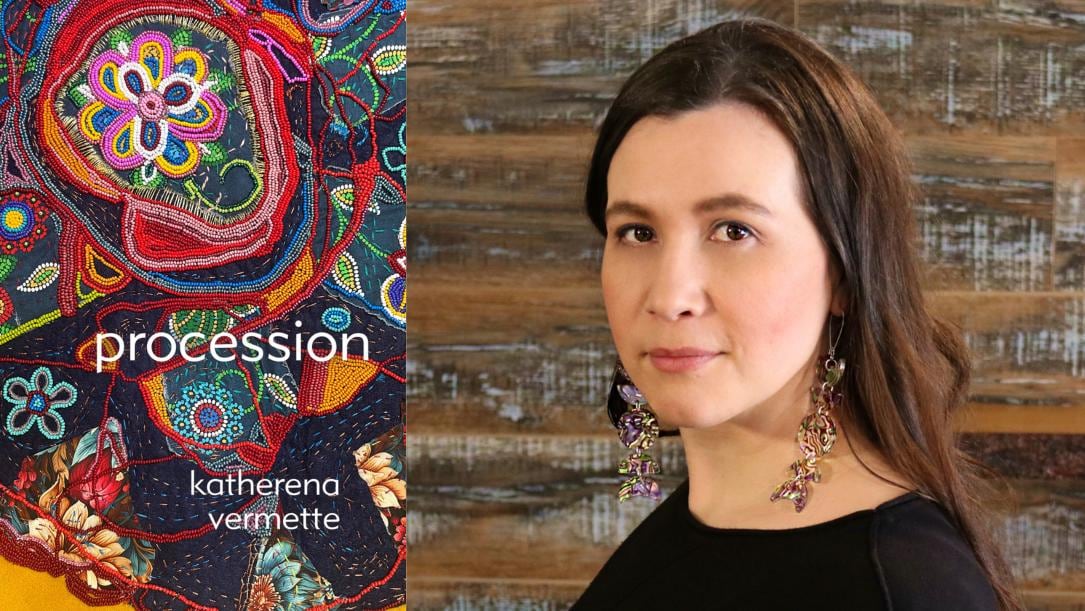 Procession is a poetry collection by katherena vermette. (House of Anansi Press, Vanda Fleury)
In her latest collection of poetry, procession, Métis writer katherena vermette ponders her role as a future ancestor. She honours her own ancestors and considers what she can leave for those who come after her.
For vermette, being a good ancestor means caring for the next generation through small acts of kindness.
“Caring for our children or those people who come behind us, those people who we care for — I think that’s the greatest action of the revolution,” vermette told Unreserved host Rosanna Deerchild.
“I think that in itself will change the world, however slowly.”
All the Little Monsters by David A. Robertson 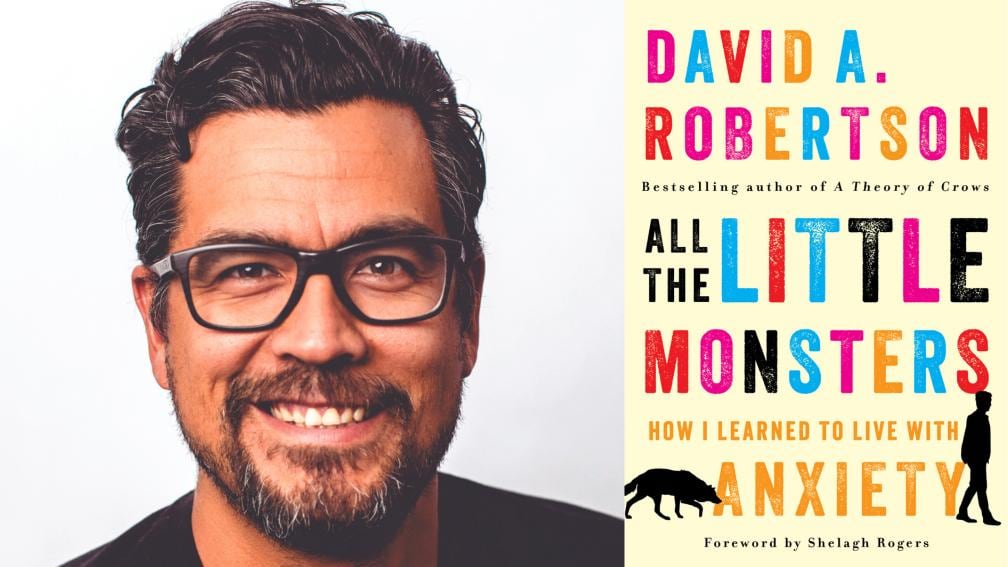 All The Little Monsters by David A. Robertson (Amber Green, HarperCollins)
Swampy Cree writer David A. Robertson lives with debilitating anxiety and panic attacks that he nicknames his “little monsters.” In All the Little Monsters, Robertson writes about the skills and practices he’s built that help him live alongside them. One skill he’s still working on is showing himself more kindness.
“Sometimes it’s OK to go out and get yourself a little treat,” Robertson told Deerchild in April. Robertson treats himself to comic books.
But self-compassion has its limits when mental health is still difficult to talk about, says Robertson.
“I want mental health to be something that we accept, and because we accept it, we’re able to address the epidemic in ways that are going to be effective longterm.”
On Wholeness by Quill Christie-Peters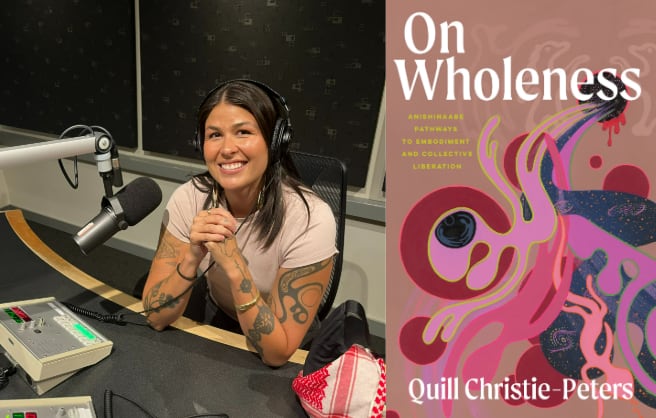 On Wholeness is Quill Christie-Peters’ debut. (Elena Hudgins Lyle/CBC, House of Anansi Press)
As the title suggests, Quill Christie-Peters’ debut explores what it means to be whole.
“Wholeness to me is our ability to have access to our expansive relationality as Indigenous peoples — so feeling and having access to our relationships with our ancestors, our homelands, our communities,” she said. “It’s really about that deeper sense of embodiment and presence within the body.”
While the impacts of colonization and cultural genocide have interrupted this wholeness, Christie Peters says she reconnects with it through parenting, making art, and activism.
“My wholeness I think is always fleeting. It’s like a dance. And I think until we live in a less violent world, it will always be a dance.”
a body more tolerable by jaye simpson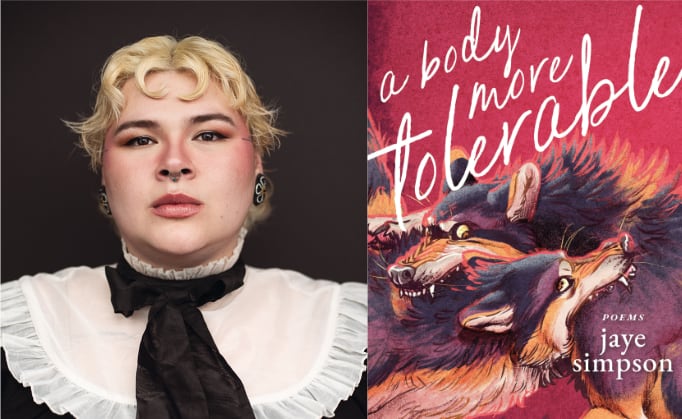 a body more tolerable is jaye simpson’s second collection of poetry. (Jesse Ray Photography, Arsenal Pulp Press)
jaye simpson’s latest book of poetry cuts deep, exploring themes like desirability, love, loss and rage. The Oji-Cree Saulteaux writer says her rage comes from the abuse and mistreatment she endured in foster care and throughout her life as a queer, trans, Indigenous person.
Through her poetry she describes herself as a knife. “It’s my way of saying, I know I can be sharp and I know I can be cutting, but it’s by design, and it’s not by a consensual design,” simpson said.
Though simpson says she didn’t ask for this anger, she also doesn’t shy away from it. She says it drives her to fight for a better world for 2SLGBTQ+ people, Indigenous people, and immigrants, among others.
“There’s just so much to fight for because there’s so much to live for,” simpson said.
A Bow Forged From Ash by Melissa Powless Day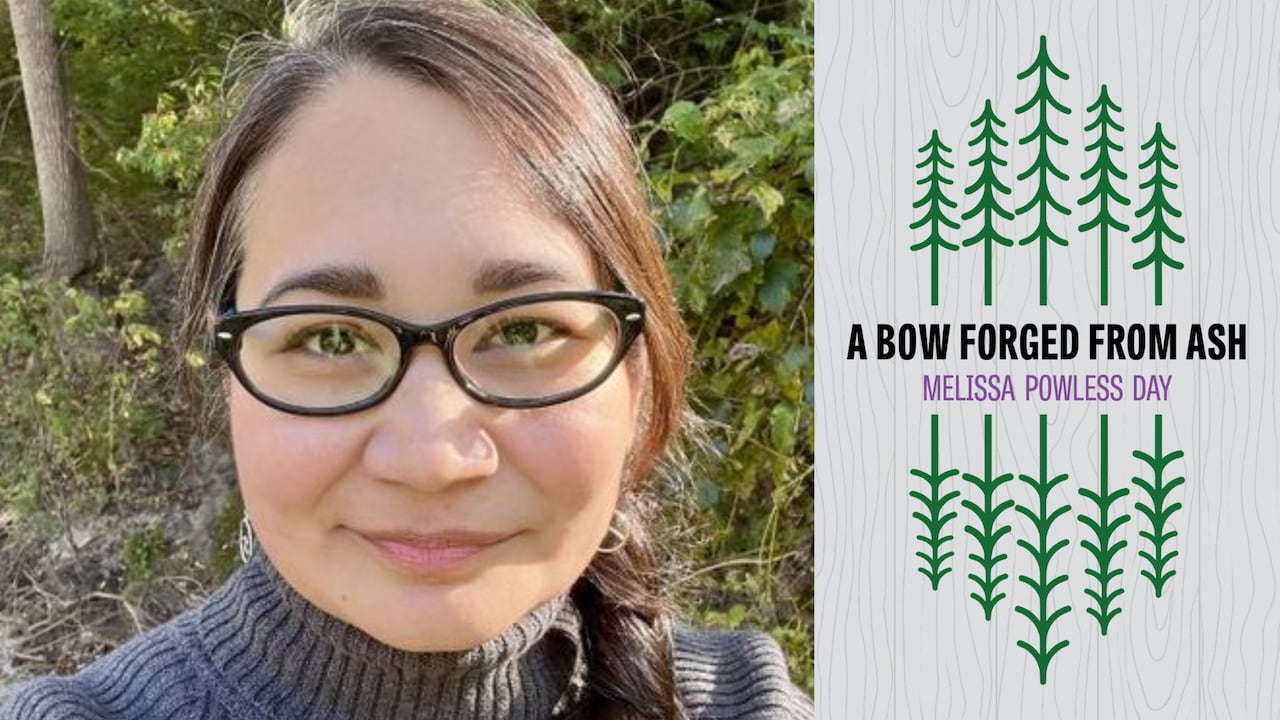 A Bow Forged from Ash is a poetry collection by Melissa Powless Day. (Palimpsest Press)
In her first full book of poetry, Melissa Powless Day shares her journey of reconnection with her Anishinaabe and Kanien’kehá:ka communities — and with the land.
“I grew up feeling like, because I didn’t grow up on the rez, and I didn’t know my language, and I didn’t have a lot of Indigenous family, that I didn’t belong anywhere,” Powless-Day told Unreserved.
Powless Day says she hopes reading about her reconnection can be a comfort for others with similar experiences. “This is not something that’s on you; it’s really on settler colonialism,” she said.
For those who haven’t shared her experience, “I hope that it sheds some light on realities that us as Anishinaabe people, as Indigenous people, have to walk and have to deal with on a regular basis.”
We Are Dancing For You by Cutcha Risling Baldy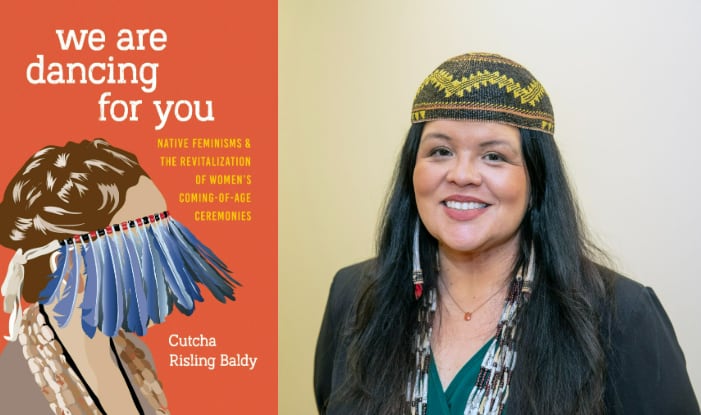 We Are Dancing for You: Native Feminisms and the Revitalization of Women’s Coming-of-Age Ceremonies is a book by Cutcha Risling Baldy. (University of Washington Press, Ed Kashi/VII/Redux/Talking Eyes Media)
In We Are Dancing For You, Cutcha Risling Baldy writes about the revitalization of the Flower Dance, a Hupa ceremony celebrating coming of age for young people who start menstruating. Risling Baldy herself grew up when the ceremony wasn’t being practiced, and felt a lot of shame starting her period. Now she says the dance is commonplace and popular in the Hupa community.
“I have so many stories of young women in our community that get very excited when they start menstruating now,” said Risling Baldy.
She said celebrating this often uncomfortable time has helped the dancers challenge the narrative that periods are shameful.
It has also taught other community members the importance of uplifting women, and celebrating their perseverance.
As for what these young people are learning that anyone could benefit from? “You are learning that you can make decisions, and that sometimes those decisions might not work out, and that you’re going to be OK, because behind you and around you is a whole community of people that will say ‘How can I help?’ or ‘How can I uplift you?’ And that to me is so important,” said Risling Baldy.
A Steady Brightness of Being by Stephanie and Sara Sinclair 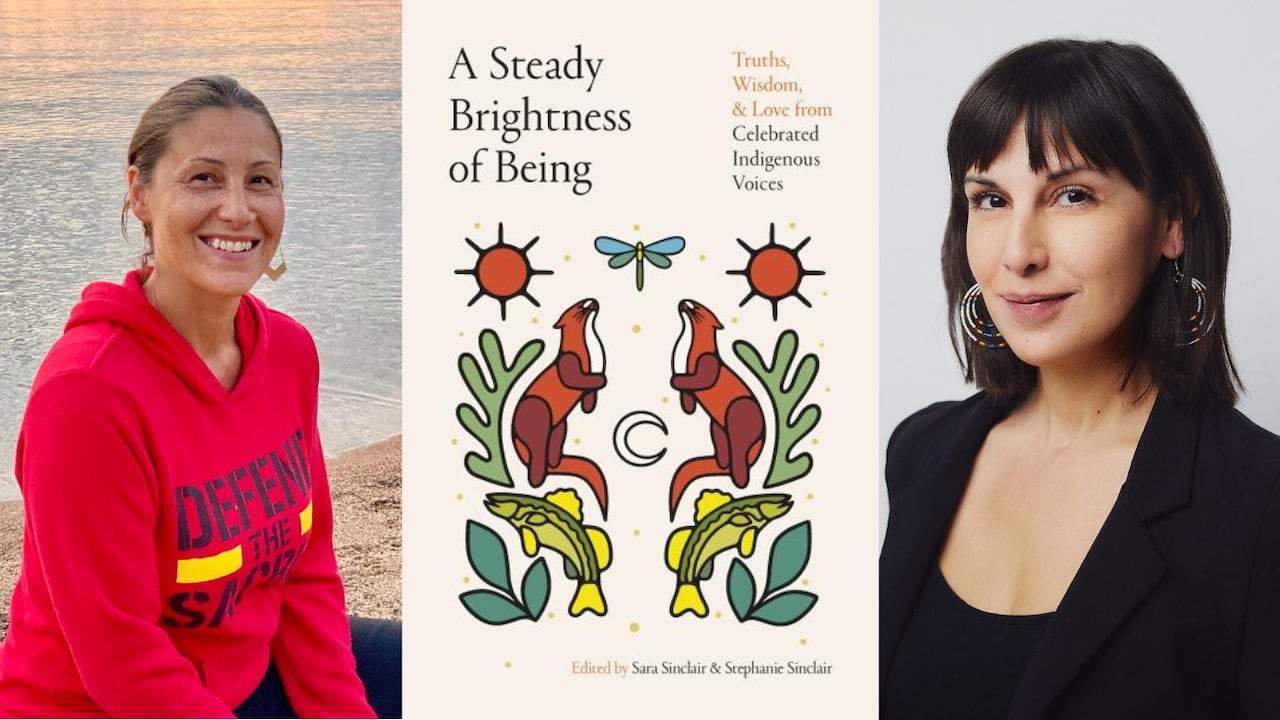 A Steady Brightness of Being is a book edited by Sara Sinclair and Stephanie Sinclair. (oralhistory.columbia.edu, Penguin Canada, Penguin Random House )
Sisters Stephanie and Sara Sinclair grew up around stories from their Bubby, their Jewish maternal grandmother. But as a residential school survivor, their paternal grandfather, Elmer, never told his story. Like many survivors, he stayed silent due to shame.
Stephanie, a publisher, and Sara, an oral historian, came together to create two collections of letters from Indigenous contributors: A Steady Brightness of Being for adults and You Were Made for This World for young people.
“We did grow up with a lot of silences, and there weren’t the same entryways to that history and to that culture,” said Sara. “We like to see these two books as invitations to begin sharing story, and invitations to begin what can be difficult conversations.”
Sara says she wants readers to bear witness to these stories because “it’s a full body experience, and that story becomes a part of us…. When we read that story, there’s a responsibility that comes with that. And so I hope that these books are invitations for people to reflect on that question, ‘And now what?’”
Born Sacred: Poems for Palestine by Smokii Sumac 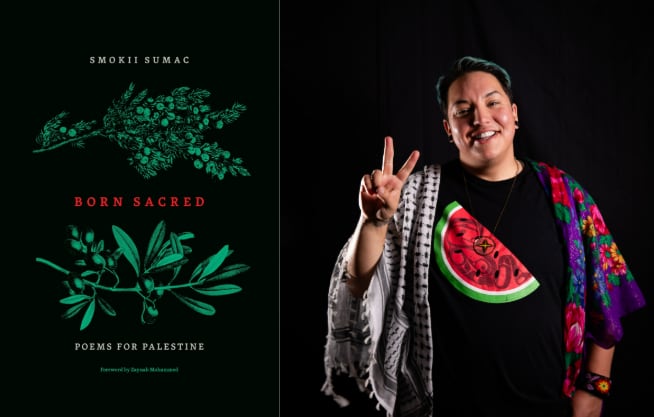 Born Sacred: Poems for Palestine is a collection of poetry by Smokii Sumac. (Fernwood Publishing)
Ktunaxa poet Smokii Sumac is used to educating others about Indigenous people and reconciliation. But as violence escalated in Gaza, he realized he had much to learn about Palestinian history, culture, and the Israel-Palestine conflict.
He documented his learning and what he was witnessing in Gaza in 100 poems that became Born Sacred: Poems for Palestine.
“What I learned was so painful…when the feeling gets too big, I go to the page. So I was writing near daily, just witnessing what was happening and then writing a piece,” Sumac said.
For those looking to educate themselves about Indigenous people, Palestinians, or other marginalized groups, Sumac says, “start with what you already do.” Find voices from these communities on your favourite platforms — whether on podcasts, TV, in books, or elsewhere.