
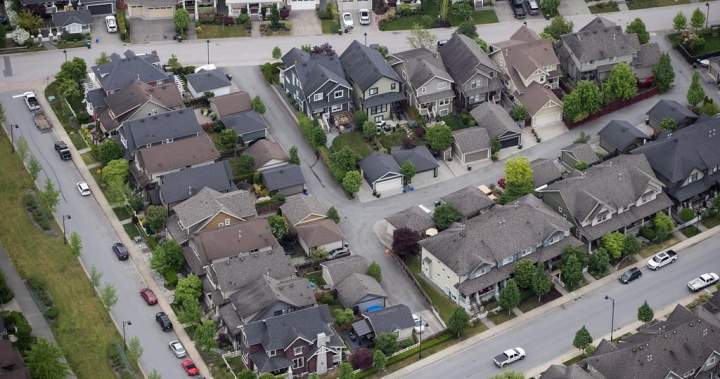
B.C. property assessments are out at the start of the new year and the big picture shows that property values in the Lower Mainland are down, while Northern B.C. property values are up.

The average value of a single-family home in Vancouver is down five per cent, while in Surrey, assessments are down an average of six per cent and an average of eight to nine per cent in Richmond and White Rock.
The average value of condos is down two to five per cent across the board.
In contrast, values on Vancouver Island and in the Southern Interior vary from drops of five per cent to increases of five per cent.
In Northern B.C. and in the Kootenays, some properties increased for an average of 15 per cent.
Story continues below advertisement
“Trend-wise wise it’s a bit of a continuation from what we’ve seen over the past few years,” Bryan Murao with BC Assessment said. “The last couple of years, we’ve talked more about interest rates. Interest rates have been high.”
4:26
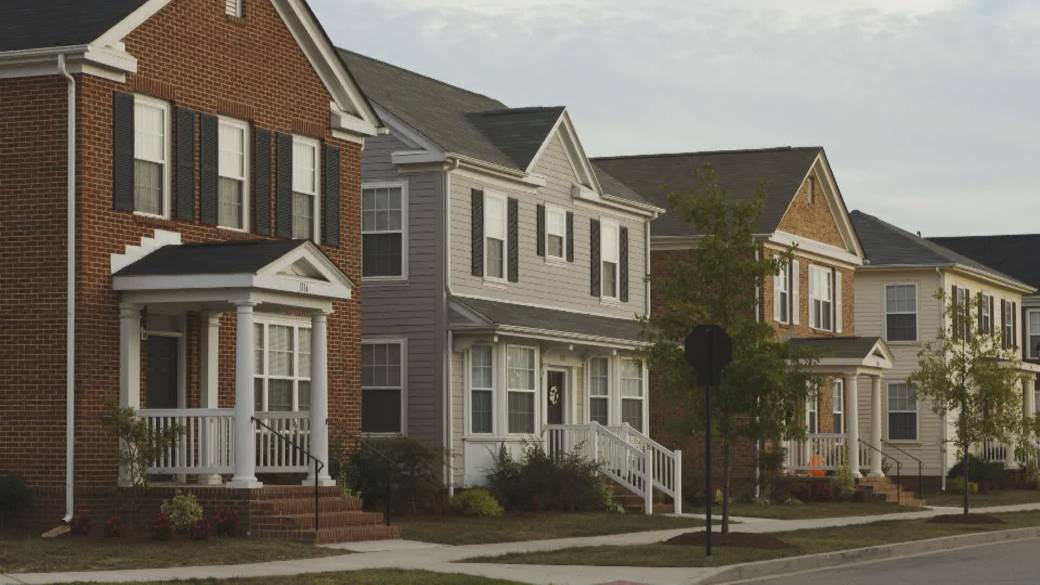
BC Assessment on why property value has levelled off
Assessments are based on market conditions as of July 2025. By then, interest rates had already started coming down from their peak, but BC Assessment said that buyers still had the upper hand in many parts of the market.
Trending Now

H3N2 flu is surging — and just had the ‘perfect environment’ for a spike

A new ‘cold’ war? Canada looks to bolster Arctic security, sovereignty

Get daily National news
Get the day’s top news, political, economic, and current affairs headlines, delivered to your inbox once a day.
“The market has fallen, prices are lower than they were a year ago or two years ago, and that’s not surprising,” Tom Davidoff with the UBC Sauder School of Business said.
“The two big drivers of value here, immigration and interest rates in the last few years, have moved in a very negative direction relative to an extremely positive for pricing in the previous five years.”
Story continues below advertisement
Davidoff predicts mild price declines in real estate in 2026, unless the government increases immigration levels and the Bank of Canada makes more cuts to interest rates.
Regardless of where people live in B.C., a higher or lower assessment does not automatically mean a change to property taxes.
“It’s not about what your assessment did,” Munro said.
“It’s about what your assessment did relative to other residential properties. So whether you look at your notice or go to our website, you can see how your property changed, but you can also see how residential properties in your city changed.”
More on Money
More videos
© 2026 Global News, a division of Corus Entertainment Inc.