

Listen to this article
Estimated 4 minutes
The audio version of this article is generated by AI-based technology. Mispronunciations can occur. We are working with our partners to continually review and improve the results.
Nestled in the Shuswap Valley, a tech cluster is growing rapidly in Salmon Arm, according to Mayor Alan Harrison.
The trouble is, tech companies say they are struggling to retain employees who come from big cities because they are not used to driving — while driving is part of most people’s daily routine in B.C.’s Interior.
“It’s definitely been a challenge for us,” said Steven DeBoer, the VP of business operations at 4Ag (pronounced forage) Robotics, a mushroom-picking robotics manufacturing company in Salmon Arm.
“We’ve had several employees that have tried to live here and then over two to three months or sometimes less, realized there’s just not a tenable situation for them.”
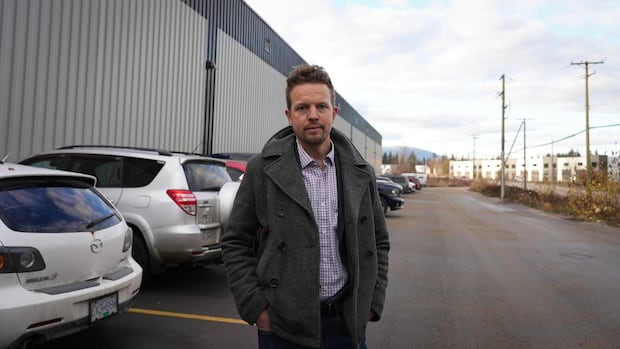
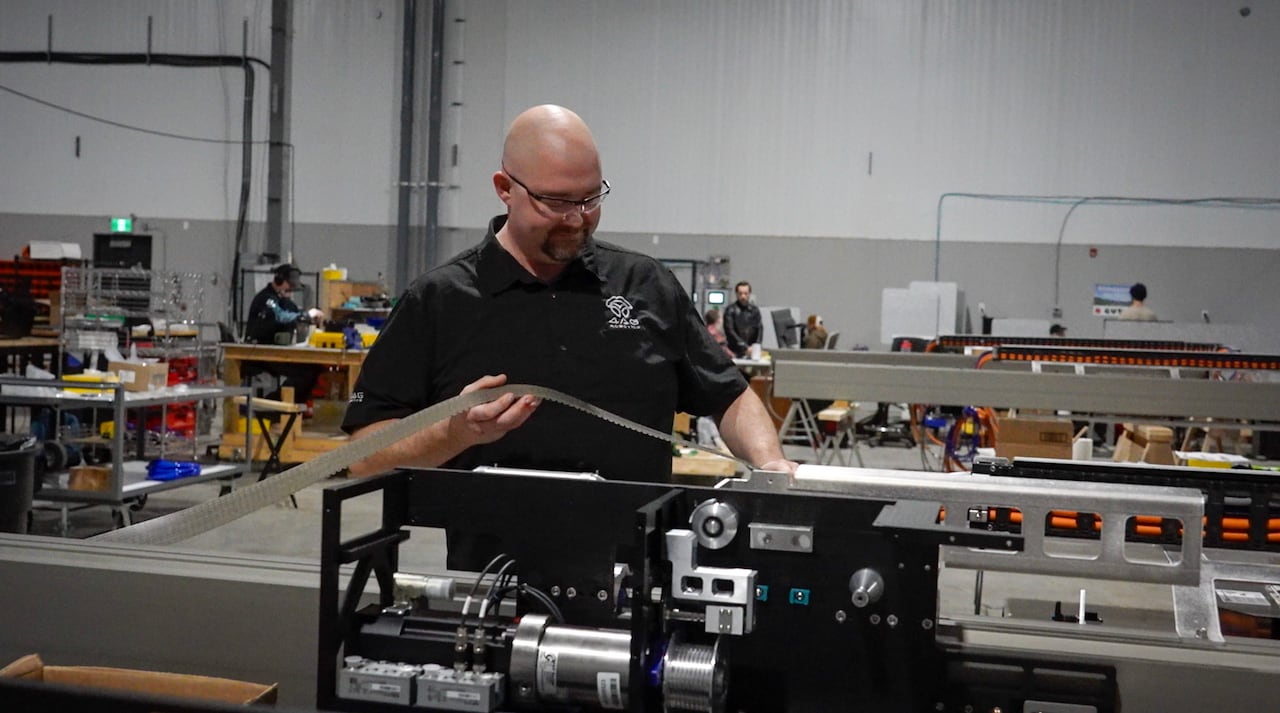 Steven DeBoer, the vice-president of finance and business operations at 4Ag Robotics, says the lack of transportation options in Salmon Arm is hindering growth. (Jacqueline Gelineau/CBC)
The city’s bus route does not extend out to the industrial park, where tech companies like 4Ag operate.
There are no ride-share services like Uber, and taxis are limited.
DeBoer said this leaves staff that are used to relying on their city’s public transit — some of whom have never driven — feeling stranded.
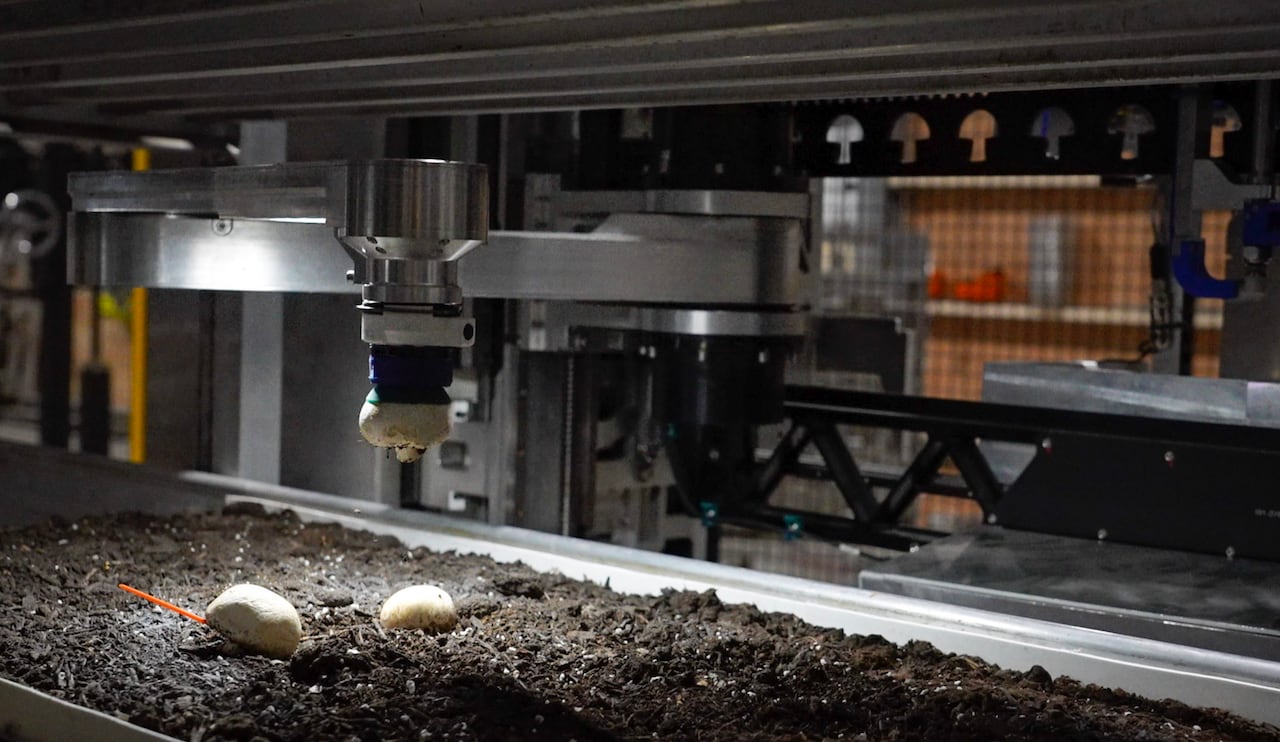 4Ag Robotics designs and manufacturers industrial robots that pick mushrooms. (Jacqueline Gelineau/CBC)
In an effort to improve retention and employee wellbeing, 4Ag Robotics has purchased several vehicles specifically for staff.
It also co-ordinates carpooling for employees who do not drive.
The robot manufacturers, along with other companies located in the industrial park, are also advocating for improved public transportation options.
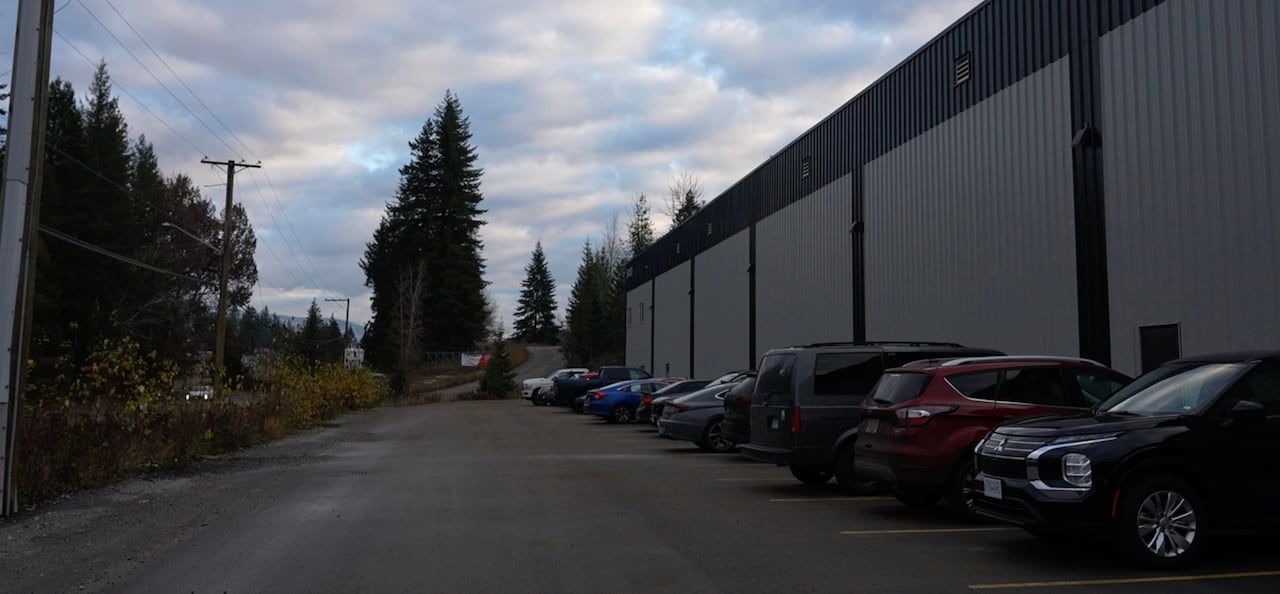 Some employees at 4Ag Robotics warehouse find it difficult to get around Salmon Arm without a vehicle of their own. (Jacqueline Gelineau/CBC)
“I personally do not have a vehicle of my own and I have to carpool with some of my roommates in order to get to work each and every day,” said Obi Ikediashi, a mechanical engineering co-operative education student from UBC Vancouver, working at 4Ag Robotics in Salmon Arm.
Ikediashi and his co-op student roommates share a company vehicle to get to work and around town. He said not having the freedom to explore on his own has hindered his ability to fully experience Salmon Arm.
Growing up in Vancouver, Ikediashi said he always relied on public transportation.
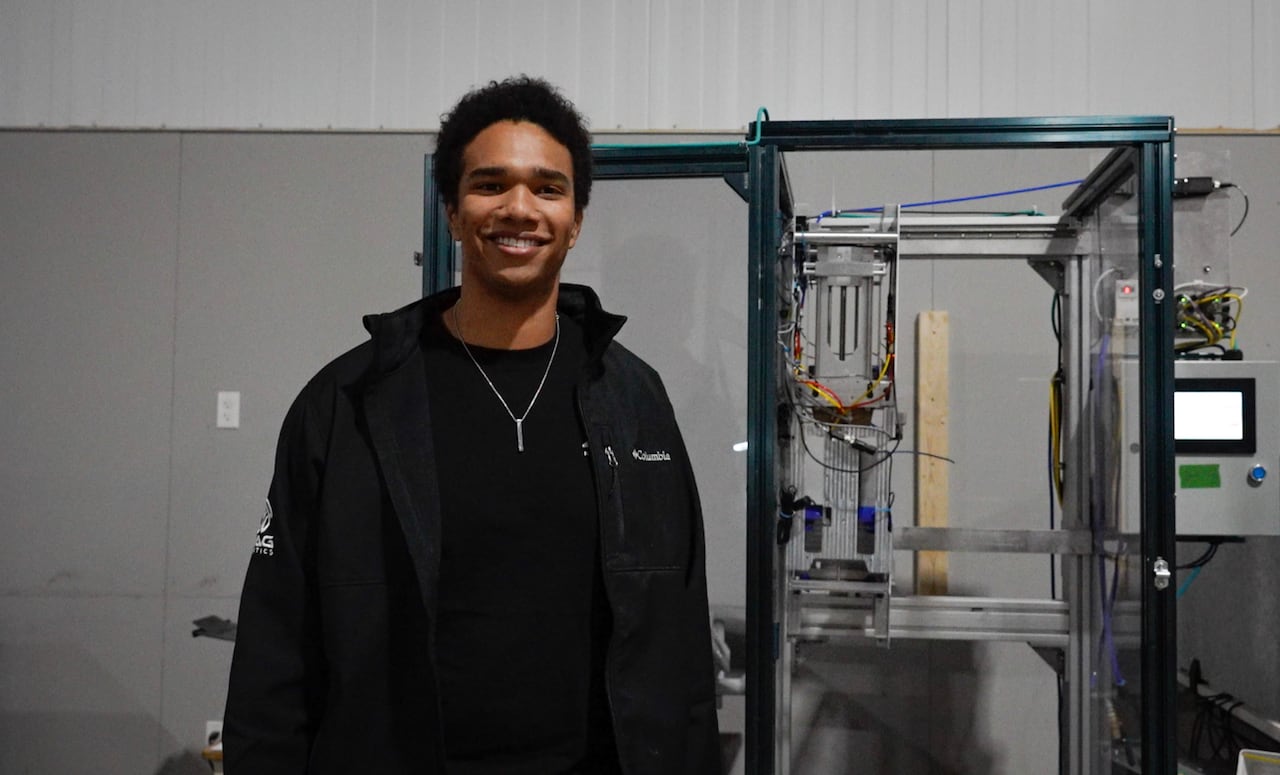 Obi Ikediashi is a mechanical engineering co-op student working at 4Ag Robotics in Salmon Arm. (Jacqueline Gelineau / CBC)
He said walking and biking to the industrial park is also not a viable option for most since there are few street lights, no sidewalks and only a narrow shoulder along the road through the industrial park — not to mention the hills.
Calls for bus service expansion
Isaac Jenkins, owner and general manager of Access Precision Machining is also finding it difficult to attract and retain young, skilled workers in a city where driving is the standard.
He said nearly 15 per cent of Salmon Arm’s workforce is employed in the industrial park.
Jenkins said the city is certainly not a retirement community anymore, and needs a bus route that extends past the shopping centres.
“Ideally, the city and the province should look at expanding the bus service in town …. it’s infrastructure that needs to be there for the businesses that exist here to be successful,” said Jenkins.
Mayor Harrison does not disagree with the notion that a bus route to the industrial park would be beneficial, but said he is constrained by the city’s budget.
“It’s an extremely important service, But it is a costly one. The city taxpayers subsidize each ride,” explained Harrison.
Not wanting to increase costs to residents, Harrison said the city is waiting for provincial funding before expanding transit services and buying more buses.
He said currently, Salmon Arm’s transit buses are used to their maximum capacity.
In the meantime, he said council is closely watching an on-demand bus pilot program that is being trialed in cities across the province.
“That might work in a place like the industrial park, where you have irregular hours, irregular number of riders” said Harrison.