
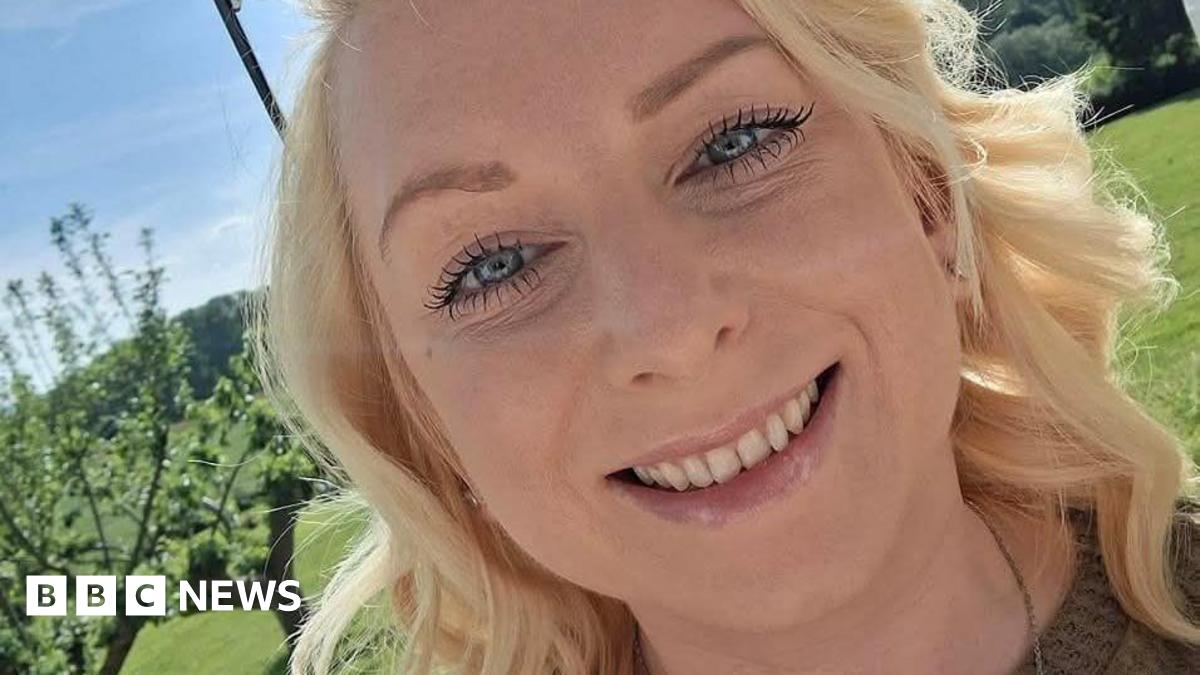
Hospital visits became routine. “The trips got so frequent everyone there knew me – it became my safe place,” Holly said.
“The last time I was admitted, I told Christina, the alcohol nurse, ‘I know this has to be the last time.’ She was my saving grace. She got me into Kenward Trust.”
Holly stayed in residential rehab for 10 weeks, longer than most, because her brain injuries made recovery harder.
“They gave me an extension because everything takes me longer to get to grips with,” she says.
After completing the programme, she moved into one of Kenward’s Stage 3 houses in Southborough, Kent, where she still receives support but has more independence.
Now, alcohol isn’t even on her radar. “It doesn’t faze me,” Holly says. “Luckily I have friends who are supportive.
“People who watched me decline now say, ‘Finally, we’ve got the old Holly back.'”
She believes Dry January can help others start that journey.
“Lots of people do it just to say they’ve done it. But for some, it’s the first time they realise alcohol has a bigger hold than they thought,” she said.
“If you’re questioning your relationship with alcohol, speak up. You’ll be surprised how much support you get.”