
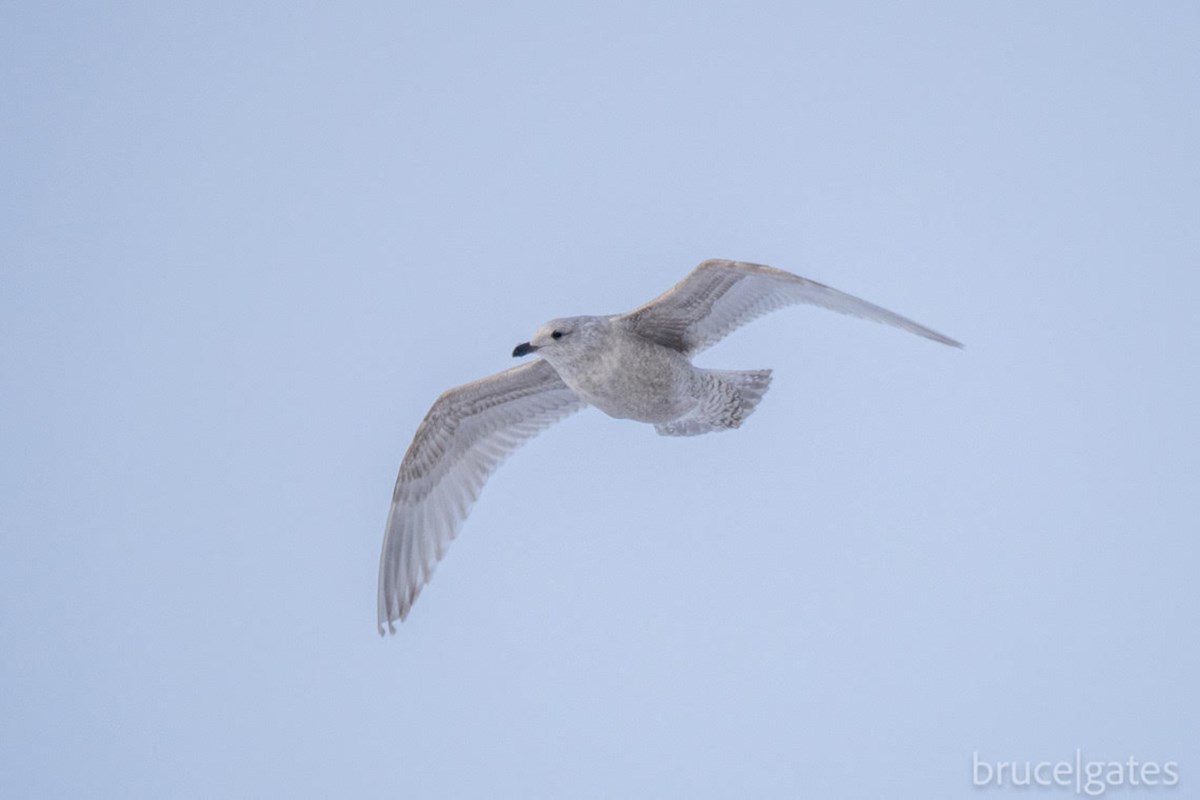
The Christmas Bird Count has been taking place within a 24-kilometre diameter circle encompassing much of Greater Sudbury since 1978
The annual Christmas Bird Count notched 38 species of bird within a 24-kilometre diameter circle encompassing a swath of Greater Sudbury.
Thirty people took part in this year’s ground survey, plus another dozen or so who participated in a feeder watch. Like its name implies, the feeder watch has people keep an eye on their bird feeder.
Between the two efforts, Sudbury Christmas Bird Count compiler Will Kershaw told Sudbury.com, it’s about fun and community.
Plus, maintaining an annual count offers a good citizen scientists tracking of bird populations.
“It’s just fun,” he told Sudbury.com on Wednesday, in the midst of compiling this year’s data.
“You get to see the excitement of these birds, the colours of the birds, the behavioural stuff that goes on, and they’re tough as nails.”
A winter count offers an interesting time, he said, noting that December is a stressed time for birds, with less food available because of snow cover and frozen water bodies.
This year’s top birds included the rock pigeon and chickadee.
An interesting inclusion in this year’s bird count was the American robin, with two separate people taking note of the bird in different locations within Greater Sudbury.
It’s unusual to see a robin in this area during the winter, he said, adding that one of them was found feeding upon crabapples.
With a flock of more than 100 bohemian waxwings descending upon three trees since that time and stripping it bare, he said the robin’s food supply has since dried up and is unlikely to make the balance of winter.
“There are some interesting sagas that happen,” Kershaw said.
Birders visit Greater Sudbury’s two landfill sites for the annual bird count, where they’ve noticed fewer gulls in recent years, but a healthy count of eagles, with 44 eagles spotted at the Sudbury Landfill Site this year.
Perhaps due to municipal composting efforts diverting food waste from the landfill site, he said there appears to be less food for gulls to scavenge at the landfill sites in recent years.
Although there’s been an approximately 60-per-cent decline in birds during breeding season since the 1970s, Kershaw said this year’s count is approximately on par with recent years, albeit with fluctuations depending on the species, with a drop in gulls among the most notable changes.
This year’s bird count took place on Dec. 27, although Kershaw noted that birds counted within three days of either side of that date are also included. Birds are either seen or heard to be counted.
“Birds have their own personalities and travel patterns, and sometimes they don’t show up when you want them to,” he said with a chuckle.
The bird count is part of a broader international effort which began in 1900. The Sudbury effort has taken place since 1978, and was founded by Chris Blomme and John Lemon. Kershaw has been involved since 1979, and has served as the effort’s compiler for approximately eight years.
Also since 1978, local bird enthusiasts have gathered as the Sudbury Ornithological Society, also referred to as “The Bird Club,” and host monthly meetings on the third Monday of each month from October to April at Marymount Academy to share photos and talk about bird sightings from 7- p.m. They also host guided bird-watching gatherings in May, June and September at local hotspots.
For maps and contact information for various Christmas Bird Counts, including the one in Greater Sudbury, click here.
Last year’s effort included 481 bird counts throughout Canada, with 284 species noted.
Tyler Clarke covers city hall and political affairs for Sudbury.com.