
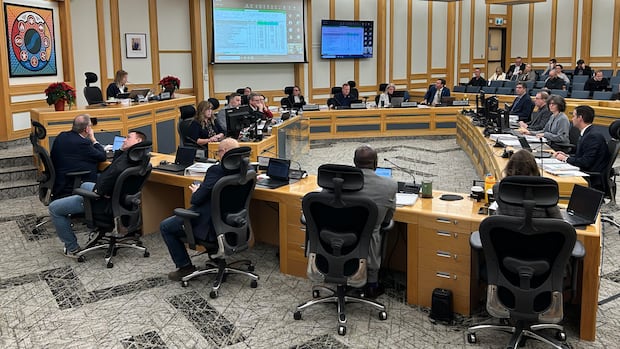
Prior to recent city budget talks, Saskatoon Mayor Cynthia Block derided the use of property taxes to fund cities as a remnant of the “era of the horse and buggy.”
Block told a Saskatoon business luncheon that Canadian cities need a “new deal” instead of relying on taxes levied based on the assessed value of homes and businesses.
“Cities right across the country know that’s necessary,” Block said. “And I think the only way we get there is if we lean in together.”
Taxpayers in Saskatchewan might be more inclined to listen to Block and others seeking tax reform after city councils finalized their budgets for next year with some whopping property tax increases.
In Regina, property owners will face the biggest hike in history at 10.9 per cent, surpassing the previous mark of 7.33 per cent set just a year before.
Saskatoon residents, meanwhile, will face a jump of 6.7 per cent, quite likely the second highest in history. In Moose Jaw, council passed a budget with a property tax increase of just under seven per cent.
Many in Saskatchewan are likely eager for change. But what are the actual prospects for a new funding model?
Tim Tierney, an Ottawa city councillor and first vice-president of the Federation of Canadian Municipalities, said the revolution may already be happening.
Tierney said in a recent interview that FCM is engaged in “good conversations” with the federal government on the need for a new approach. The key to lobbying efforts on behalf of municipalities is maintaining a narrow focus, Tierney said.
“We’re not going in with a whole laundry list of things,” he said. “ We’ve been pretty clear on housing and homelessness, infrastructure needs, crime and safety. That’s been our big three asks.
“We haven’t pivoted on that and it seems a lot of the announcements [the federal government is] making are really related to that.”
FCM lobbied governments two decades ago at the federal level to create a fund fuelled by gas taxes to provide dependable money for municipalities. That source morphed into the Canada Community-Building Fund.
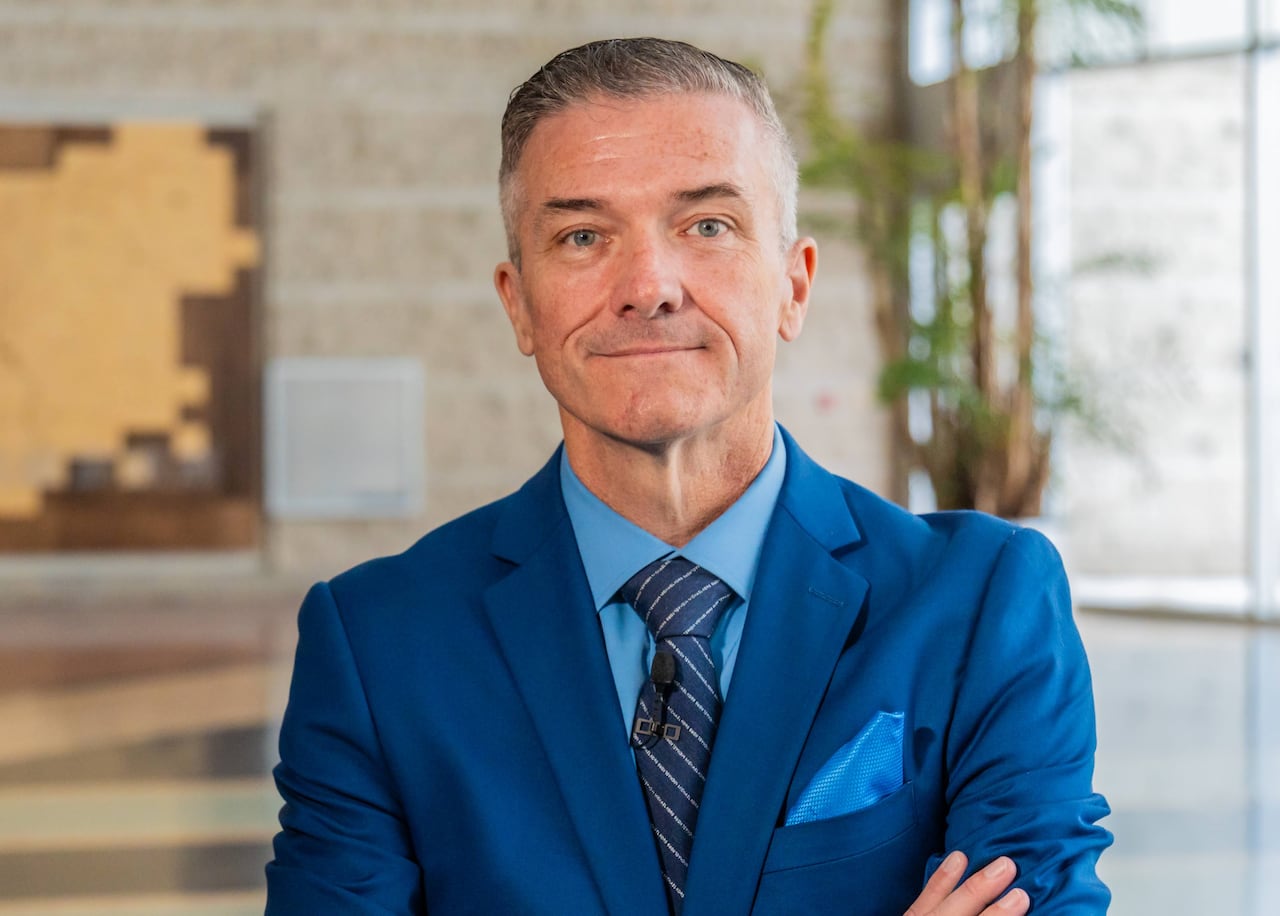 Tim Tierney serves as first vice-president of the Federation of Canadian Municipalities. (Michel Aspirot/CBC)A formal pitch
In 2024, FCM made a formal pitch to double annual transfers from the federal government to municipalities to $5 billion a year, along with a matching $2.6 billion from provincial governments.
FCM also wants a “comprehensive plan” to end homelessness. Tierney said municipalities wind up assuming responsibility for escalating homelessness issues.
This trend has been obvious in Saskatoon, but federal money was used recently by city hall to buy vacant lots where social housing and services for vulnerable people can be established.
The rise in homelessness and addiction has increased the strain on municipal services at the same time that inflation has soared and some urban sources of revenue like transit fares have declined.
That mixture of factors has resulted in high property tax increases across Canada, where municipalities are prohibited from running deficits.
Tierney said that leaves city councils to decide on either increasing taxes and user fees or cutting services. Or perhaps finding some other way.
“We’re really at the end of the line as far as budgeting goes for a lot of municipalities right now and tough decisions are being made by municipalities,” Tierney said.
So how did we get here?
Prior to the Second World War, municipalities across Canada could impose income taxes. But this power was rescinded by the provinces during the war and never restored.
Canada now is saddled with one of the highest shares of property tax as a percentage of total tax revenue (10.5 per cent in 2022) among Organization for Economic Co-operation and Development nations.
Bigger bruises in Sask.
If the property tax blows seem to leave bigger bruises in Saskatchewan, it’s not just your imagination.
The provincial share of property tax bills, which helps pay for education, is higher here than in any province west of the Atlantic time zone.
That provincial percentage of property tax bills was 33 per cent in 2022 in Saskatchewan, compared to just seven per cent next door in Manitoba, two per cent in Ontario and three per cent in Quebec. Alberta (24 per cent) and British Columbia (31 per cent) also rely more on property taxes for provincial revenue.
Yet in Saskatchewan, the outdated model is compounded by infrequent property reassessments every four years — compared to two years in Manitoba and every year in Alberta and B.C. This reassessment cycle can result in wild swings in property tax.
Gage Haubrich, the Prairies director for the Canadian Taxpayers Federation, said he would like the province to reduce its share of property taxes, given the high property tax increases of late by municipal governments.
Haubrich gives Saskatchewan’s government credit for reducing some mill rates for the education portion of property tax in its budget.
But he cautioned that any proposed tax reform should set off “alarm bells” for taxpayers.
“Usually, it’s just a stealth way to say that we want to introduce new taxes [and] charge taxpayers more money so we can spend more,” Haubrich said in a recent interview. “So taxpayers should be suspicious about that.”
A move away from property tax “definitely makes sense,” Haubrich added. But he also chided city councils in Saskatchewan for failing to muster the political will to lower the tax hikes for next year.
He pointed to minimal property tax increases in Calgary (1.6 per cent) and Vancouver (zero) for next year to show that spending restraint is possible.
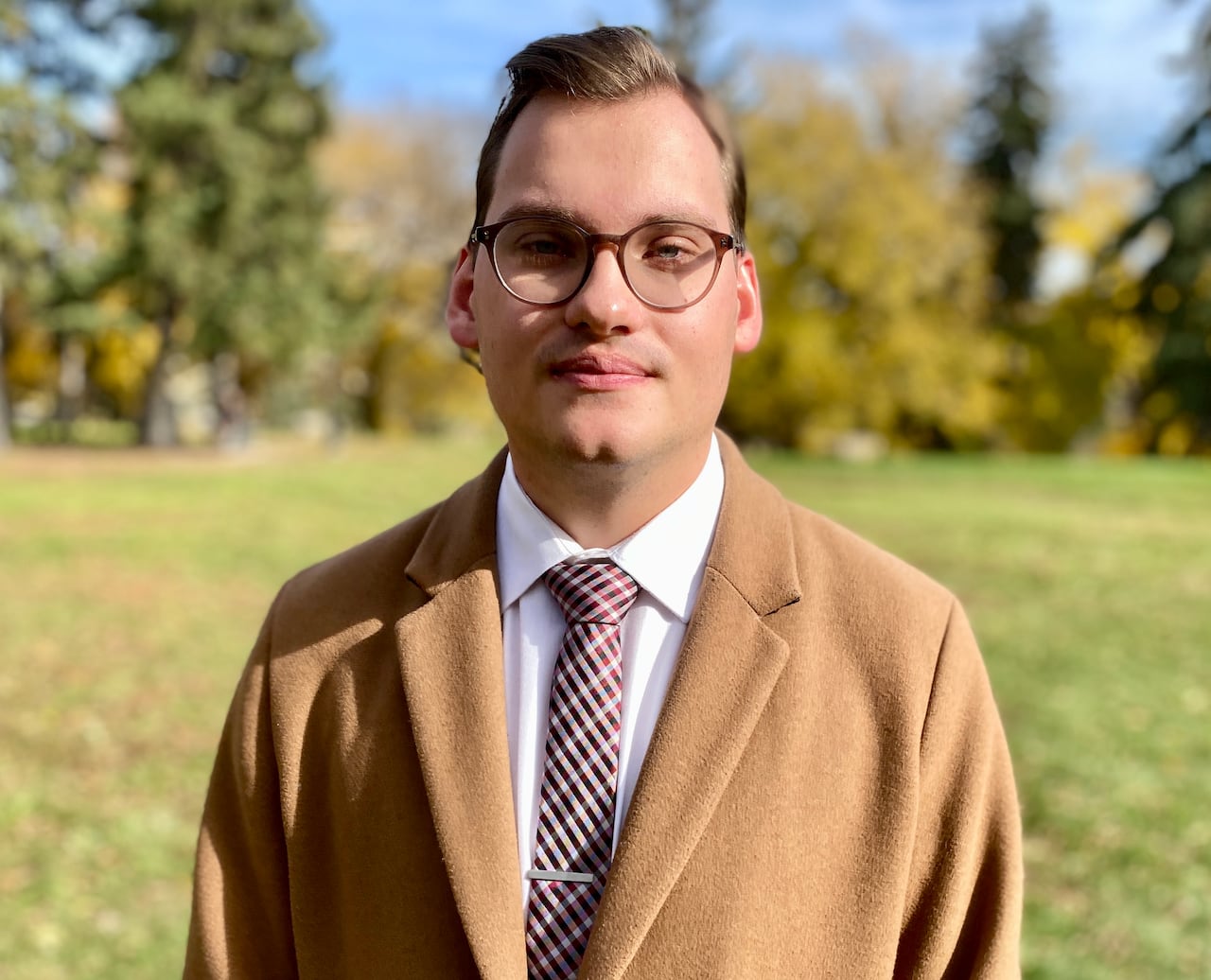 Gage Haubrich, the Prairies director of the Canadian Taxpayer Federation. (Travis Reddaway/CBC)‘Bunch of humility’ needed
Any change in the tax system would require a “bunch of humility” from politicians at both the provincial legislature and city halls, Haubrich said.
Saskatchewan pioneered the concept of municipal revenue sharing, dating back to 1978 under Alan Blakeney’s NDP government. But municipalities found the provincial grants unpredictable and pushed for change.
Brad Wall’s Saskatchewan Party regime agreed to a formula devised through collaboration with the Saskatchewan Urban Municipalities Association that would share 20 per cent of provincial sales tax revenue with municipalities.
But the province has backed away from that commitment over successive budgets and watered it down by removing a PST exemption on construction that costs cities more.
Much of the attention at the municipal level is focussed currently on the impact of downloading on cities by higher levels of government.
But precedent exists in Saskatchewan — home to 765 of Canada’s 3,500 or so municipalities, or 22 per cent — for tax reform at the local level.
A Regina city councillor, Mark Burton, failed in November to convince his colleagues to explore a base tax approach, with a similar tax rate levied for all properties regardless of value, but council rejected the idea after concerns were raised about increasing the burden on people with less means to pay.
Saskatoon city council also toyed with the idea of a base tax or flat tax 12 years ago to pay for a shortfall in the city’s road repair budget, but ultimately rejected the idea.
In November, Saskatoon city council sifted through 108 options to reduce this year’s property tax increase, but approved only 45 measures, rejecting most proposals to reduce services.
So the property tax increase in Saskatoon and elsewhere remained historically high. Voters struggling with affordability might be upset enough to force a change.
But will any government actually give up power in order to help municipalities?
“I think it’s definitely going to be difficult,” Haubrich said of a transformation of the tax system.
If no change comes, Tierney said, the fiscal pressures will continue to rise, both for municipalities and taxpayers. Rising property tax bills will add to the factors barring many young people from entering the housing market.
“So home ownership is definitely at risk.”