
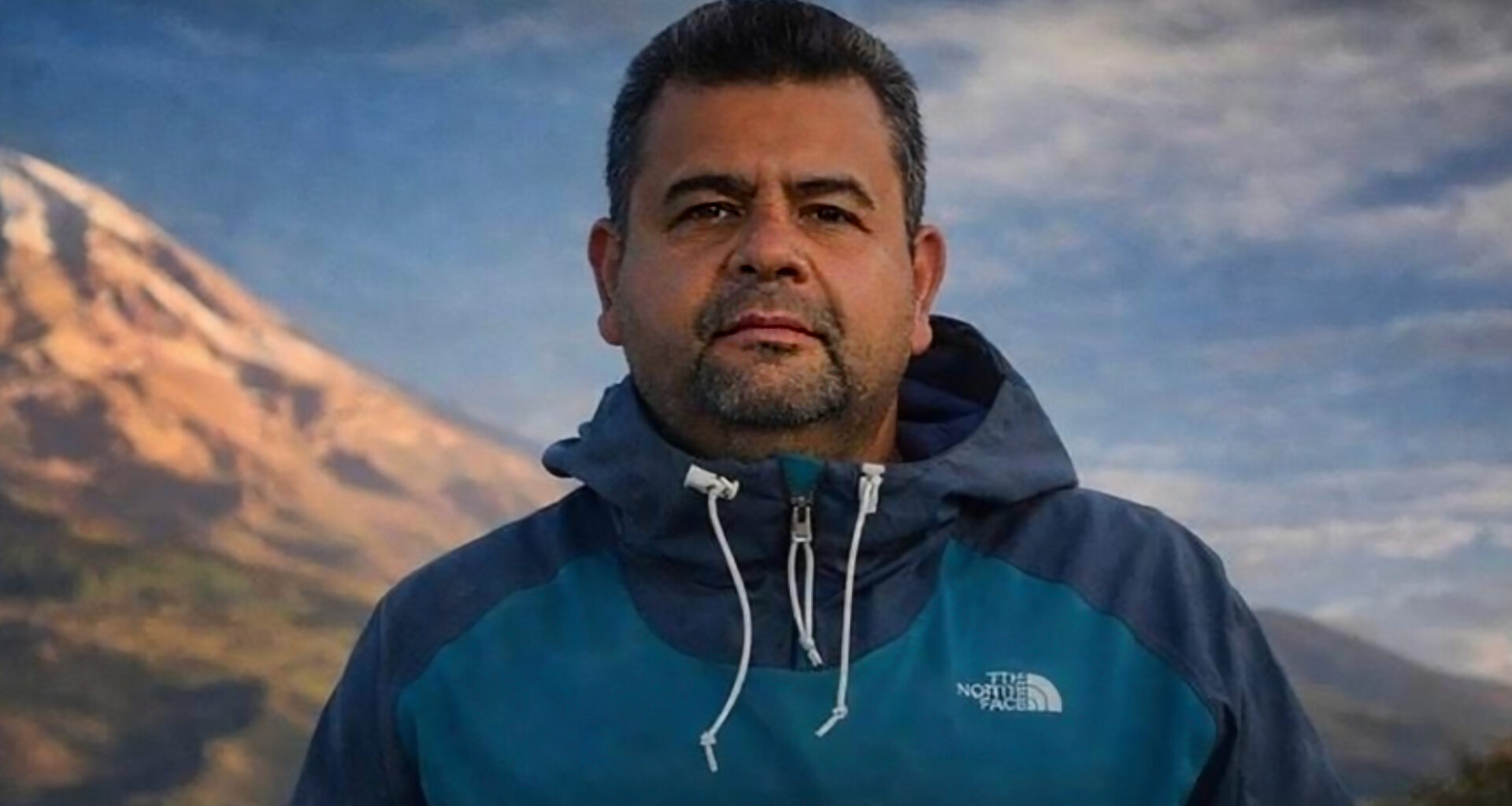
In the mountains of central Veracruz, scientific work is rarely abstract. It means walking narrow paths through cloud forest, speaking patiently with communities, and learning to read landscapes that yield information slowly. It also means accepting risk as a condition of knowledge. Field research unfolds in places where the state is often distant and authority is uneven.
That context matters for understanding the disappearance of Miguel Ángel de la Torre Loranca, a Mexican biologist who was kidnapped on November 21, 2025, after leaving his home in the Sierra de Zongolica. He had gone out in response to what was described as a request for dialogue. Hours later, his family received a ransom demand. After an initial payment, communication stopped. Since then, there has been no verified information about his whereabouts.
De la Torre Loranca was not a public figure in the conventional sense. He was known locally for his work rather than his profile: a herpetologist who documented reptiles most people avoided, an educator who helped build institutions in regions rarely centered in national debates, and a guide who believed that conservation depended on familiarity rather than fear. Over decades of fieldwork, he contributed to the description of multiple species and trained students who learned to treat data collection as work with real consequences. One snake from Oaxaca, Geophis lorancai, bears his name, an honor usually conferred after a career has run its course.
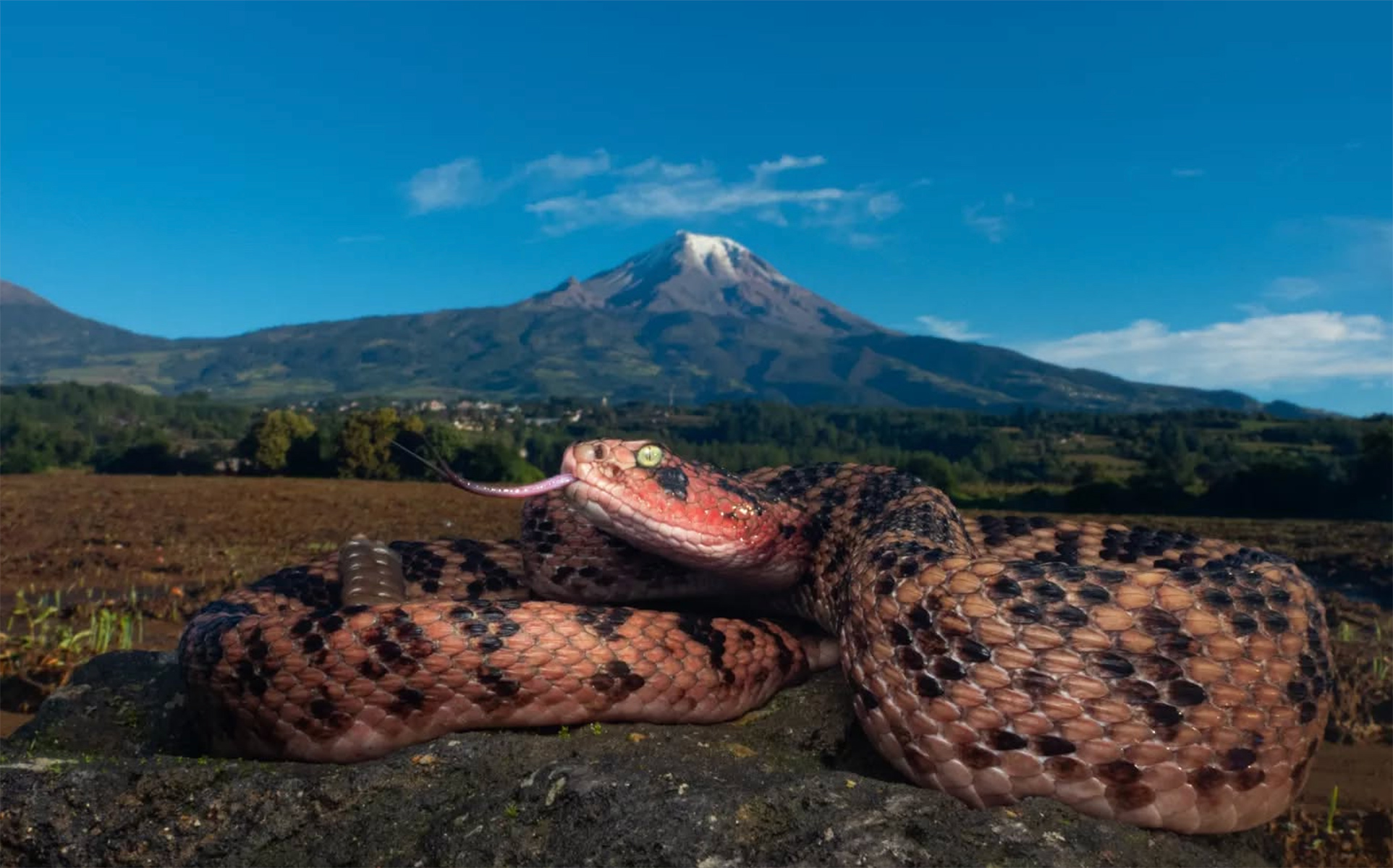 Photo by Loranca.
There was also administrative work, less visible but equally durable. As the first director of the Instituto Tecnológico Superior de Zongolica, he helped create access to higher education for Indigenous and rural youth in the sierra. Environmental education was framed as practical knowledge, relevant to livelihoods as much as to policy. Wildlife photography became another language through which he shared the biological richness of Veracruz with audiences beyond the academy.
His disappearance places him within a wider pattern that is now difficult to ignore. Mexico is experiencing a prolonged crisis of forced disappearances, with more than 115,000 people officially listed as missing. Scientists operate within that same national landscape. Fieldwork often takes place in forested or rural areas where organized crime controls territory and where conflicts over land, logging, mining, or conservation blur into one another. Environmental defenders are routinely threatened or killed, sometimes for their advocacy, sometimes simply because they are present.
Recent history offers grim parallels. In 2023, Gabriel Trujillo, a doctoral student conducting botanical research in Sonora, was shot and killed while in the field. In Michoacán, defenders of monarch butterfly reserves disappeared and were later found dead amid disputes linked to illegal logging. These cases are rarely resolved. Impunity has become part of the background noise.
What distinguishes de la Torre Loranca’s case is that it is not yet settled. His family insists he was taken alive and expects his return alive. Colleagues have made the case public not to eulogize him, but to keep pressure on authorities whose response has so far been slow and opaque. International attention is being sought because, in Mexico, visibility can sometimes alter outcomes.
