

Listen to this article
Estimated 3 minutes
The audio version of this article is generated by AI-based technology. Mispronunciations can occur. We are working with our partners to continually review and improve the results.
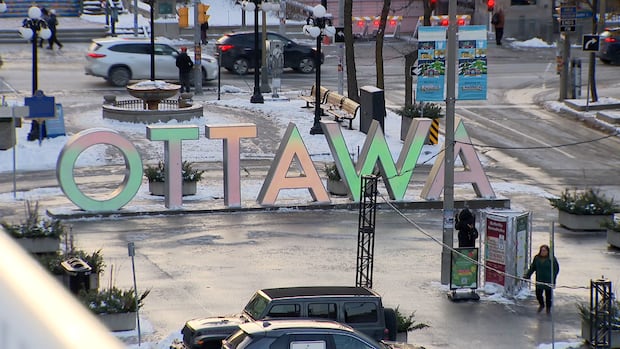
Guess who’s coming to Ottawa to help the city celebrate the city’s 200th anniversary?
Canadian rock icons The Guess Who, that’s who. Founding members Randy Bachman and Burton Cummings are reuniting after a 23-year hiatus and will bring their Takin’ It Back Tour to Ottawa Bluesfest on July 19, part of a special day of programming to mark Ottawa’s bicentennial.
The city and Ottawa Tourism are teaming up to plan a range of events to mark the milestone, with a focus on Ottawa’s rich history and cultural diversity.
Those plans include a family-friendly event at the Marion Dewar Plaza, a community-inspired exhibit at city hall and the launch of an arts, culture and entertainment district downtown.
A “full reveal” of Ottawa 200 events will come in the new year, according to the city.
The programming is being funded through the municipal accommodation tax and largely managed by Ottawa Tourism, which has invited a range of vendors to take part in the official celebrations.
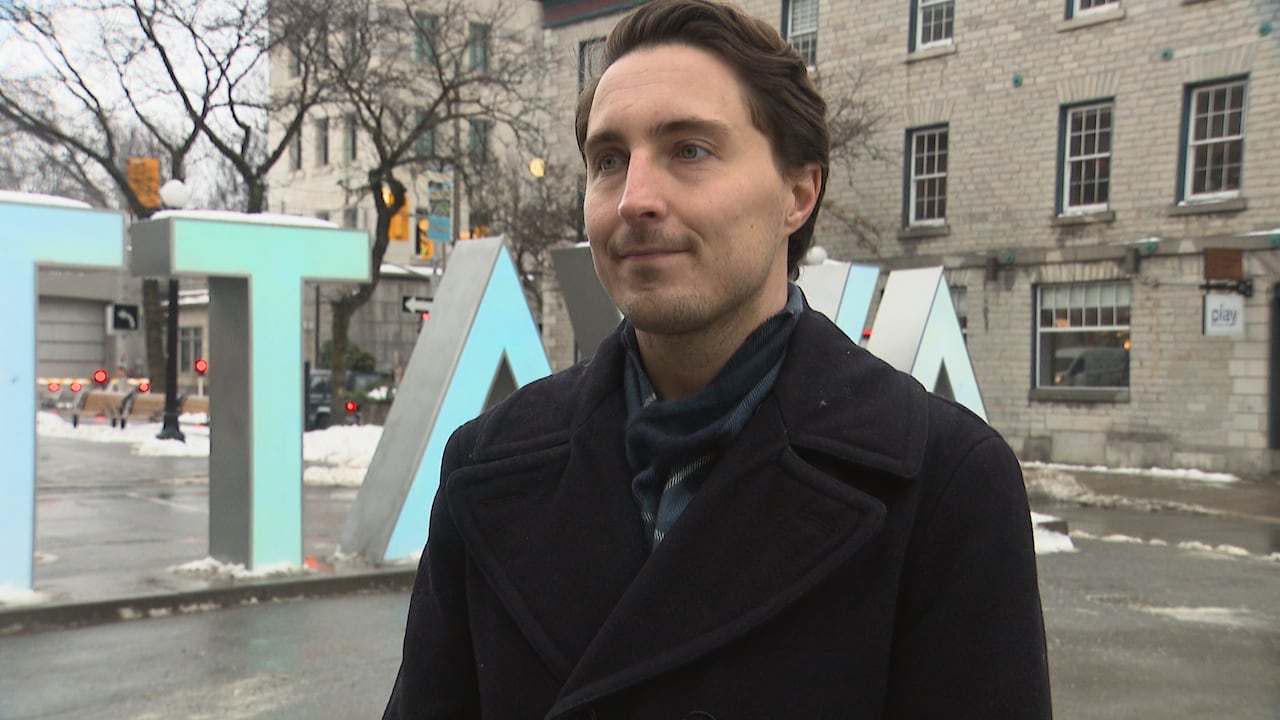 Jérôme Miousse is the director of public affairs for Ottawa Tourism. He says that everyone has a role to play in reconciliation. (Antoine Allain/CBC)
“We are looking for operators that reflect every single group of the population that participated in that rich Ottawa history,” said Jérôme Miousse, Ottawa Tourism’s director of public affairs.
“That includes Indigenous operators, that includes francophone experiences. We really want everyone to feel represented.”
Different perspectives
Construction of the Rideau Canal began in 1826, overseen by Lt.-Col. John By, from whom Bytown got its name.
Long before that, the Algonquin Anishinābe were stewards of the land and used the Ottawa River for travel, trading and traditional ceremonies.
“When the construction of the Rideau Canal began in 1826, it did disrupt their way of life and displace their people,” explained Chloe Dennis, historian and exhibits manager at Ottawa’s Bytown Museum.
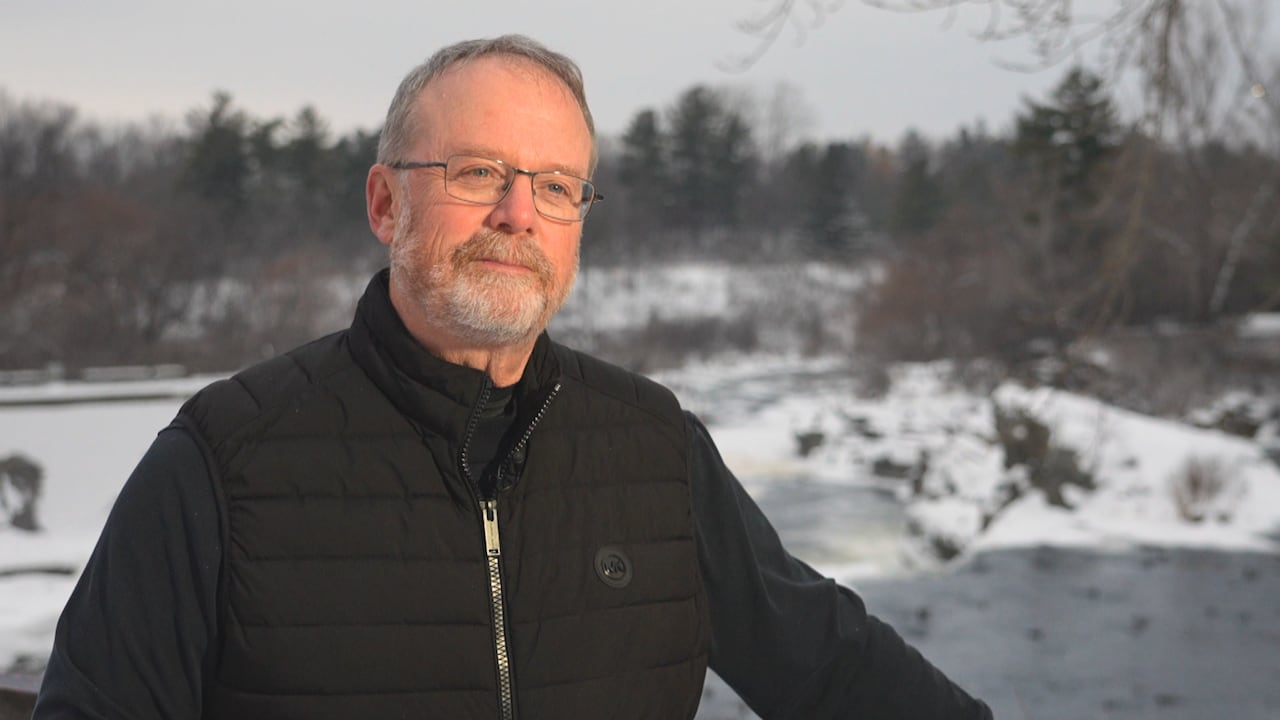 Ben Weiss, a spokesperson for the Historical Society of Ottawa, says the organization has big plans for the city’s bicentennial. (Patrick Leduc/CBC)
At the same time, the Europeans who settled here established a booming lumber trade.
“The vast lumber industry eliminated forests,” said Ben Weiss of the Historical Society of Ottawa.
It also turned Bytown into a “rough and tumble lumber town,” Weiss said. “It was so rough it made made the Wild West look tame.”
Bytown became Ottawa in 1855, and Canada’s capital two years later — a decade before Confederation.
The Historical Society of Ottawa plans to mark the 200th anniversary with a three-part speaker series that explores the stories of Bytown, the Rideau Canal and their impact on the region’s original inhabitants.
In May, the Bytown Museum will launch a grassroots exhibition titled What’s in a Frame? 200 plus years of community portraits.
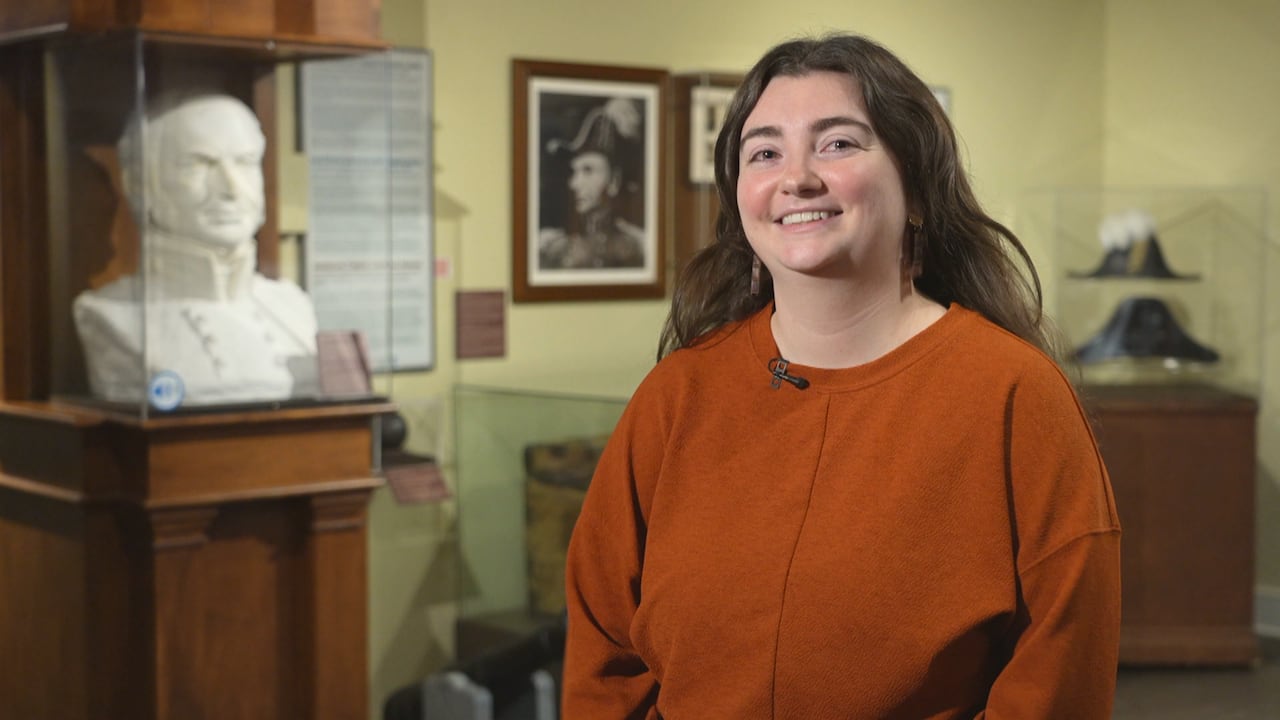 Chloe Dennis is a historian and exhibit manager for the Bytown Museum. She says the museum is offering visitors multiple ways to mark Ottawa’s 200th anniversary (Patrick Leduc/CBC)
Dennis said she’s working with local schools, the Japanese Community Association, the Somali Cultural Museum, drag artist Morgan Mercury Moore and others to help curate the exhibition, which will focus on “the people who have lived and worked in Ottawa from time immemorial to Bytown to the Ottawa days, and even looking forward to the future as well.”