
LISTEN | Full interview with political analyst Benigno Alarcón Deza:
As It Happens6:34Caracas resident says streets are deserted in wake of U.S. raid
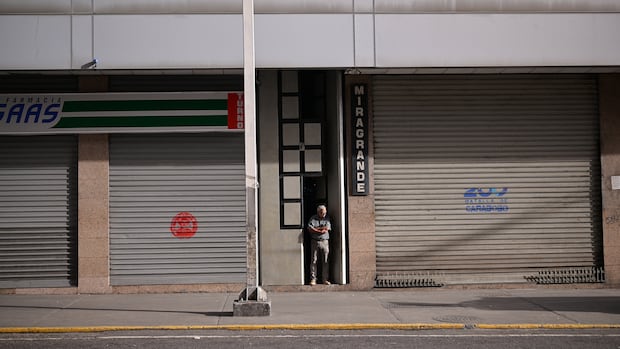
A strange lull has fallen over the capital of Venezuela as people wait to find out what the future holds for their country, says Caracas resident Benigno Alarcón Deza.
Deza, a political analyst at the Andrés Bello Catholic University, says Venezuelans have been in shock since Saturday, when the U.S. raided their country and captured President Nicolás Maduro and his wife, Cilia Flores.
While the pair stand trial in New York on charges of narco-terrorism, Maduro’s ally, Delcy Rodríguez, has been sworn in as interim president, with no plans to step down.
U.S. President Donald Trump, meanwhile, has declared the U.S. will “run” Venezuela and seize control of the country’s oil industry.
Trump has dismissed the idea of exiled opposition leader María Corina Machado taking the reins. Her supporters and many international observers say Machado ally Edmundo González beat Maduro in the 2024 election.
All this uncertainty, says Deza, has turned Caracas into a ghost town. Here is part of his conversation with As It Happens host Nil Kӧksal.
I wonder how it was for you personally, and for maybe your neighbours as well, to see these images of Nicolás Maduro being led into a courthouse in the United States today?
The scene [of] Maduro going into the court is something that most of the people in Venezuela were expecting to happen, but when they are looking at the scene, at the reality and what is going on, this looks like a science fiction movie. It’s something that is hard to believe.
WATCH | Nicolás Maduro appears in court: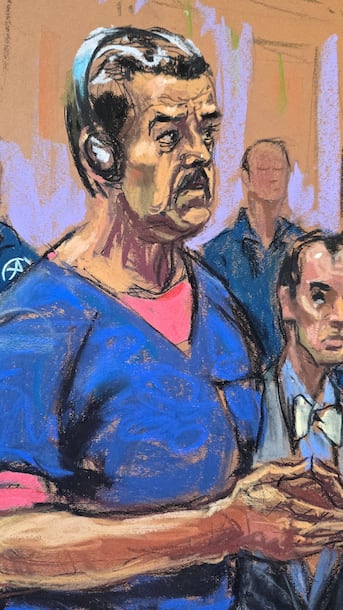
Maduro pleads not guilty in U.S. court
Ousted Venezuelan President Nicolás Maduro and his wife, Cilia Flores, both pleaded not guilty to weapons and drug charges, inside a New York courthouse Monday afternoon. The two will remain in a Brooklyn prison until their next hearing.
It sounds like you think people don’t really believe that Maduro is out. As they process this, what are people doing?
People are very scared of what is happening, what will happen next.
People today are closing their houses. Few businesses are open and functioning. Most of the people are staying at home, looking at the news, trying to be informed about what is going on, what happened.
The schools didn’t open today. Last night, we received an email from our schools telling us that because of the situation in the country, the children won’t be in class until next week. Same happened with the universities in Venezuela.
So the situation for everybody is strange.
You wrote just at the end of last year that you were expecting that the pressure tactics from the U.S. might lead to what you described as a “negotiated exit” for Maduro. This military action and what has actually happened, did it shock you?
Maybe the United States are expecting that this government is, you know, working in easing a transition process in Venezuela. And on the other hand, the government on this side maybe are expecting that they are able to negotiate a solution with the United States … in order to gain time and to stay in power.
I don’t know any situations similar before where a government is trying to make a democratic transition through the government that is in power, the incumbent. And I have my doubts that this will finish in the right way. Let’s see what happens.
What is the right way?
The right way for me is to put in power the people who won the election in 2024.
But I understand, on the other side, the doubts that the United States could have at this time. Because the big question is how these people who are arriving in power after 25 years of the other people controlling everything will be able to stay in power and to have a stable situation in Venezuela.
Maybe the United States don’t want to repeat stories like Iraq, for example, and put around 1,000 troops [in Venezuela] in order to protect the government.
But on the other hand, my big question here is: Will be the incumbent willing to co-operate in order to dismantle the system that they are supporting there in power for many, many years? It’s hard to believe.
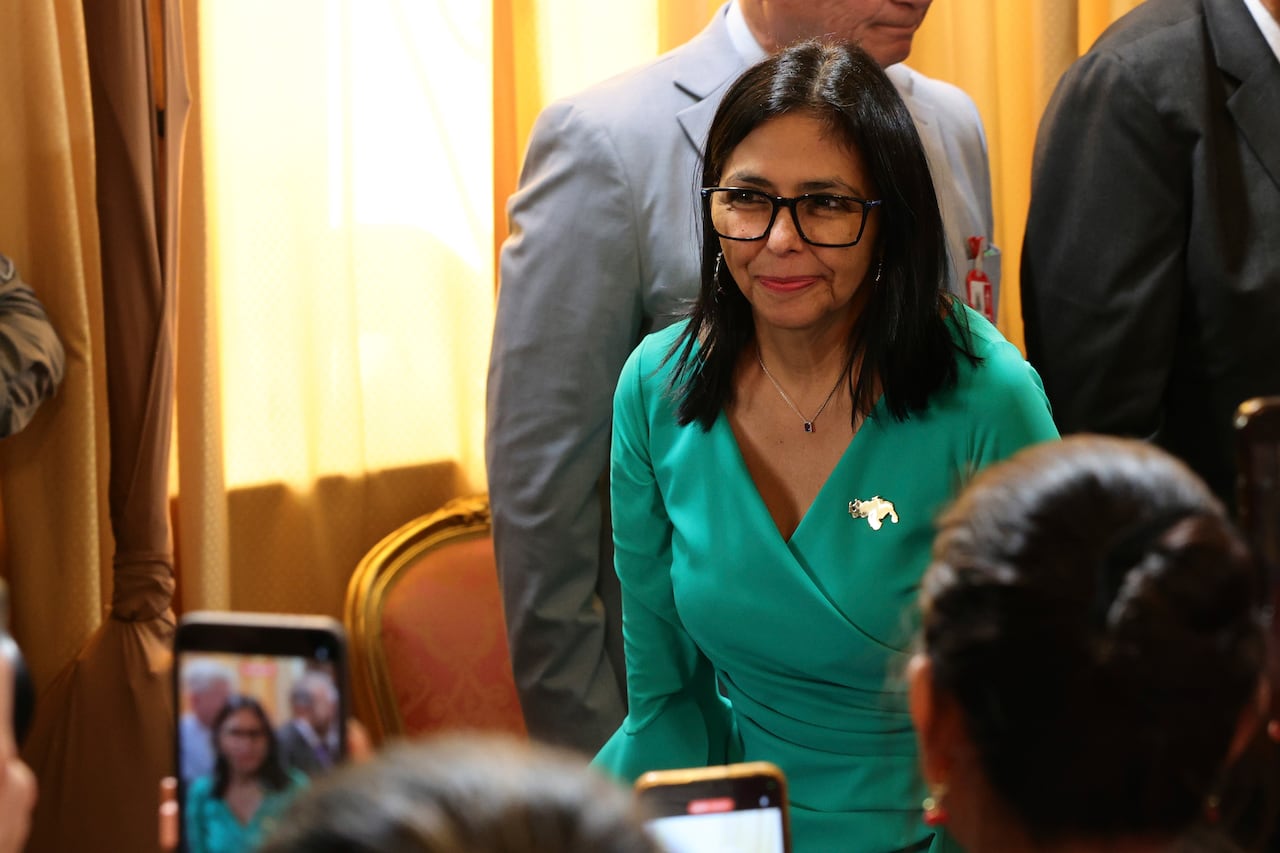 Delcy Rodríguez is sworn in as interim president of Venezuela. (Jesus Vargas/Getty Images)
Delcy Rodríguez, the interim leader in Venezuela right now, was quite outspoken about what the U.S. did initially. Today, much more conciliatory, saying they could work on a “co-operative agenda.” What did you make of that shift in tone?
I think that people in the government are scared too. Obviously, when they are talking, they are talking to their audience, to their people in Venezuela, to the people who are supporting them. And we are talking about around 15 per cent of the population, no more than that. But they need people around them in moments like this.
But on the other hand, after the [U.S.] demonstration of power a few hours ago, I think that everybody in the government and in the military knows very well that they don’t have the capacity to deal with these kinds of situations. As a matter of fact, the day of the attack, we didn’t see any answer. We didn’t see any attempt to defend.
So you can expect two possibilities here. One is they are trying to adapt and to absorb the strike in the right way and to avoid the next strike. And on the other hand, maybe they are willing to co-operate because they know that they don’t have any alternative.
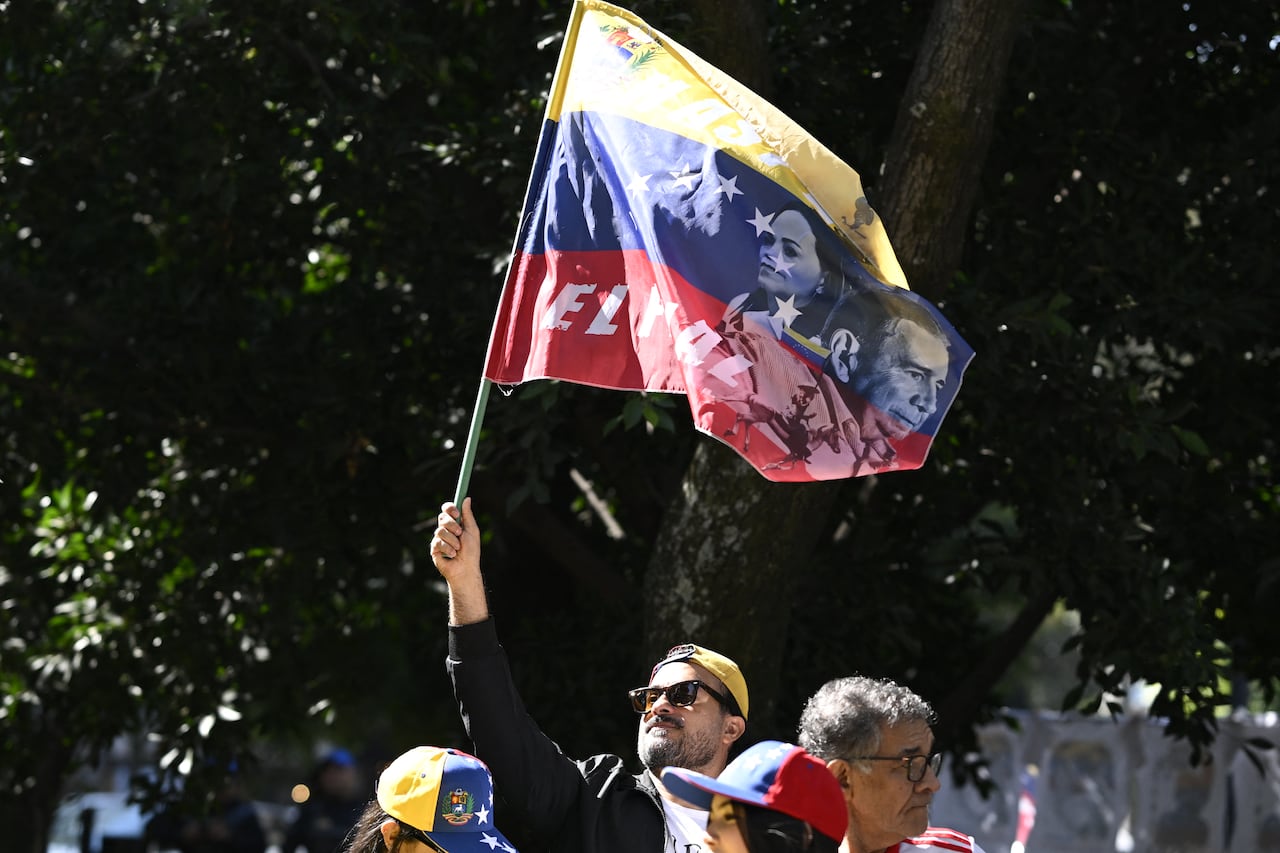 A Venezuelan living in Mexico waves a Venezuelan flag depicting his country’s former presidential candidate Edmundo González and exiled opposition leader María Corina Machado. (Alfredo Estrella/AFP/Getty Images)
What does this ultimately mean for María Corina Machado, Edmundo González and their supporters?
People who are supporting María Corina Machado and Edmundo González — that [is] most of the people in Venezuela — they are not happy with this pressure of Donald Trump, OK? They think that Donald Trump was unfair with María Corina Machado and Edmundo Gonzáles, and they expect … María Corina Machado and Edmundo González will be the next government in Venezuela.
Machado has been quite conciliatory with Donald Trump as well. Do you think that trying to build that kind of relationship was the wrong kind of bet?
They have maintained … a very nice relationship with the government of the United States. It’s obvious that people like [U.S. Secretary of State] Marco Rubio appreciate María Corina Machado.
Obviously, the situation with Donald Trump has been a lot more difficult.