
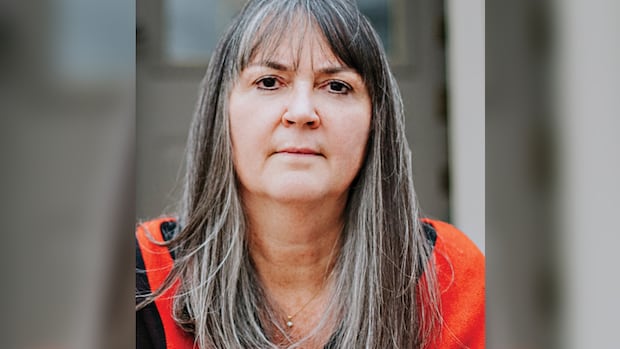
Women in violent relationships reported having hidden vehicle keys, prepared supplies and signals to their children as part of plans to escape the home, according to New Brunswick researchers.
University of New Brunswick professor Cathy Holtmann and her team interviewed women from rural areas in potentially lethal situations as part of a national study on how these women keep themselves safe.
Many women said they were always on high alert, Holtmann said in an interview, and only felt safe when their violent partner was in prison.
She said in some cases they disclosed the abuse to a support service, but the information spread to others in their community.
“Eventually that information got back to the perpetrator, and that makes it even more dangerous,” she said.
“Once they know that the word is out, and the survivor has disclosed, then the violence usually escalates.”
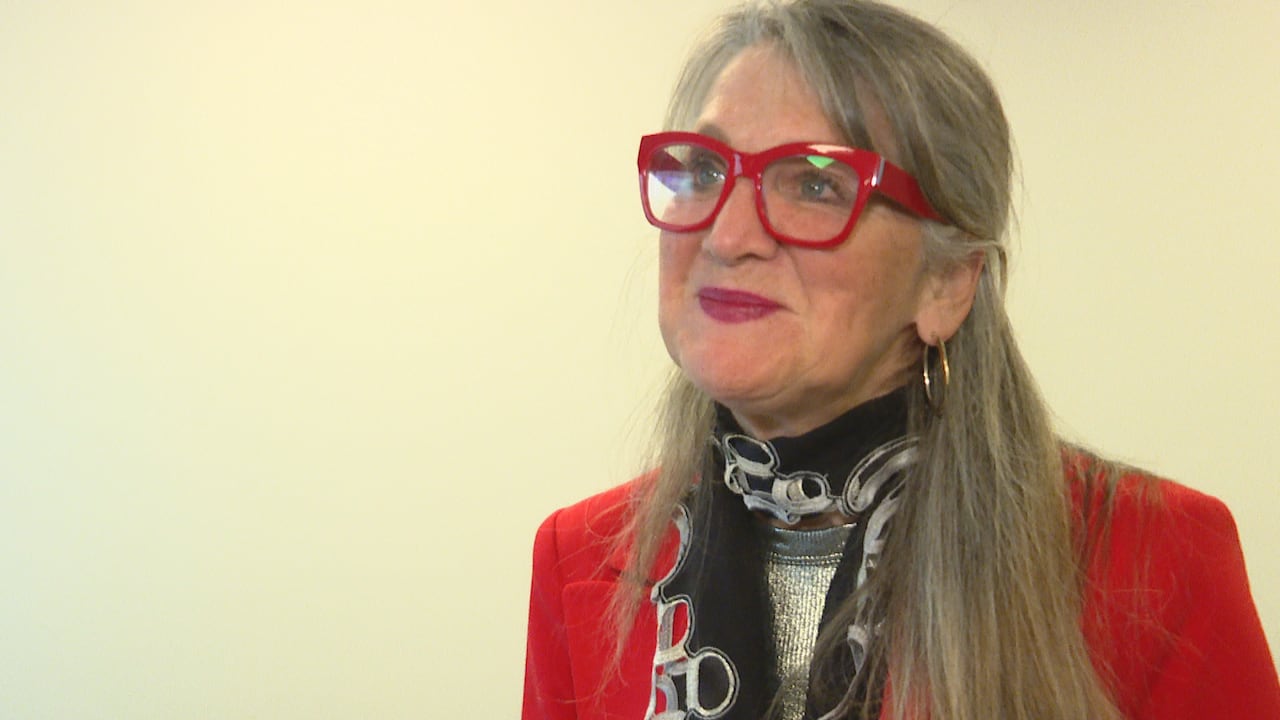
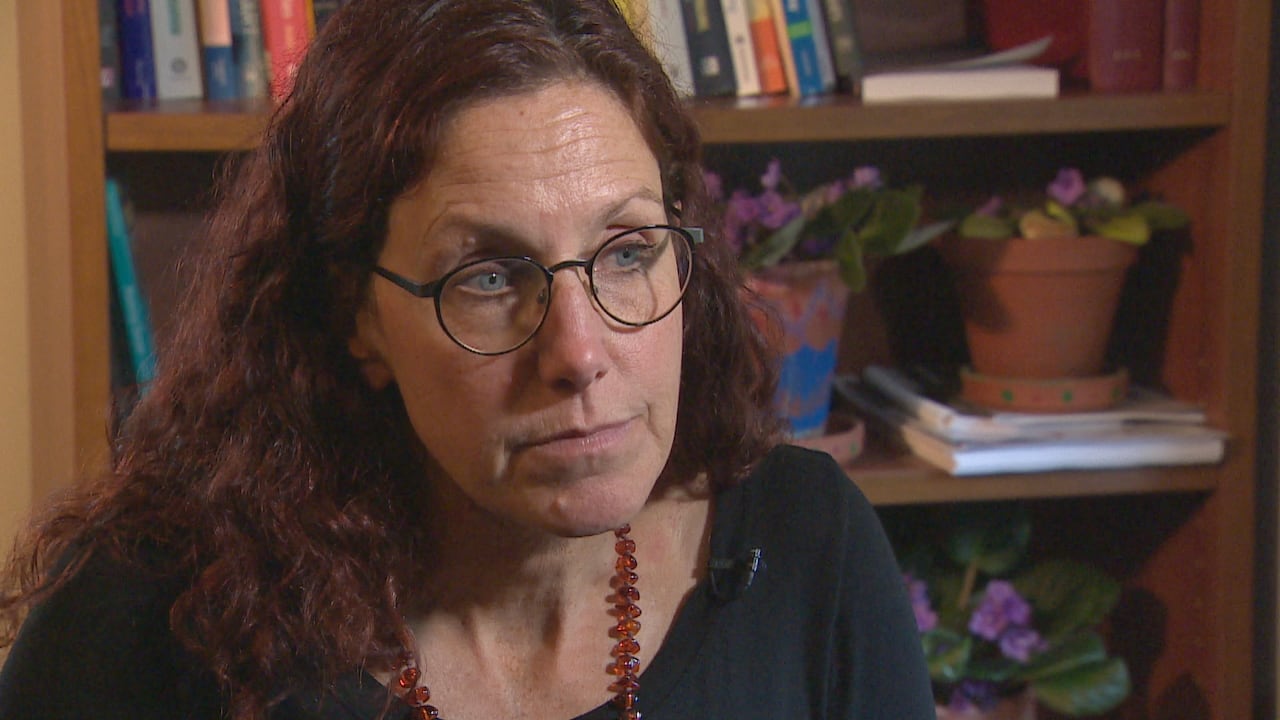 University of New Brunswick researcher Cathy Holtmann said the experience of domestic violence can be devastating for victims. (Ed Hunter/CBC)
Holtmann’s findings were released in the same week as a separate study, commissioned by the Council of Atlantic Premiers, which found New Brunswick had the highest number of domestic-violence-related homicides in Atlantic Canada from 2012 to 2022.
The Atlantic review found New Brunswick also had the highest death rate of the four provinces when the numbers were adjusted for population size.
Newfoundland and Labrador had the second-highest rate adjusted for population, followed by Nova Scotia and Prince Edward Island, respectively.
While Holtmann believes awareness about domestic violence is growing, she said the impact on victims is not always well understood.
“These are people that they love that are hurting them,” she said. “The experience itself is so devastating.”
Report prompts questions
Researchers with the University of Guelph’s Centre for the Study of Social and Legal Responses to Violence found that at least 33 New Brunswickers died as a result of intimate partner violence between 2012 and 2022.
That represents about one-quarter of all homicides in New Brunswick for that period.
But the authors caution that the number could be higher.
For 12 homicides, or 10 per cent of the total, information on the relationship between the victim and the accused was not available.
There were also eight cases of homicide between family members, “for which there was no documented evidence that intimate partner violence played a role.”
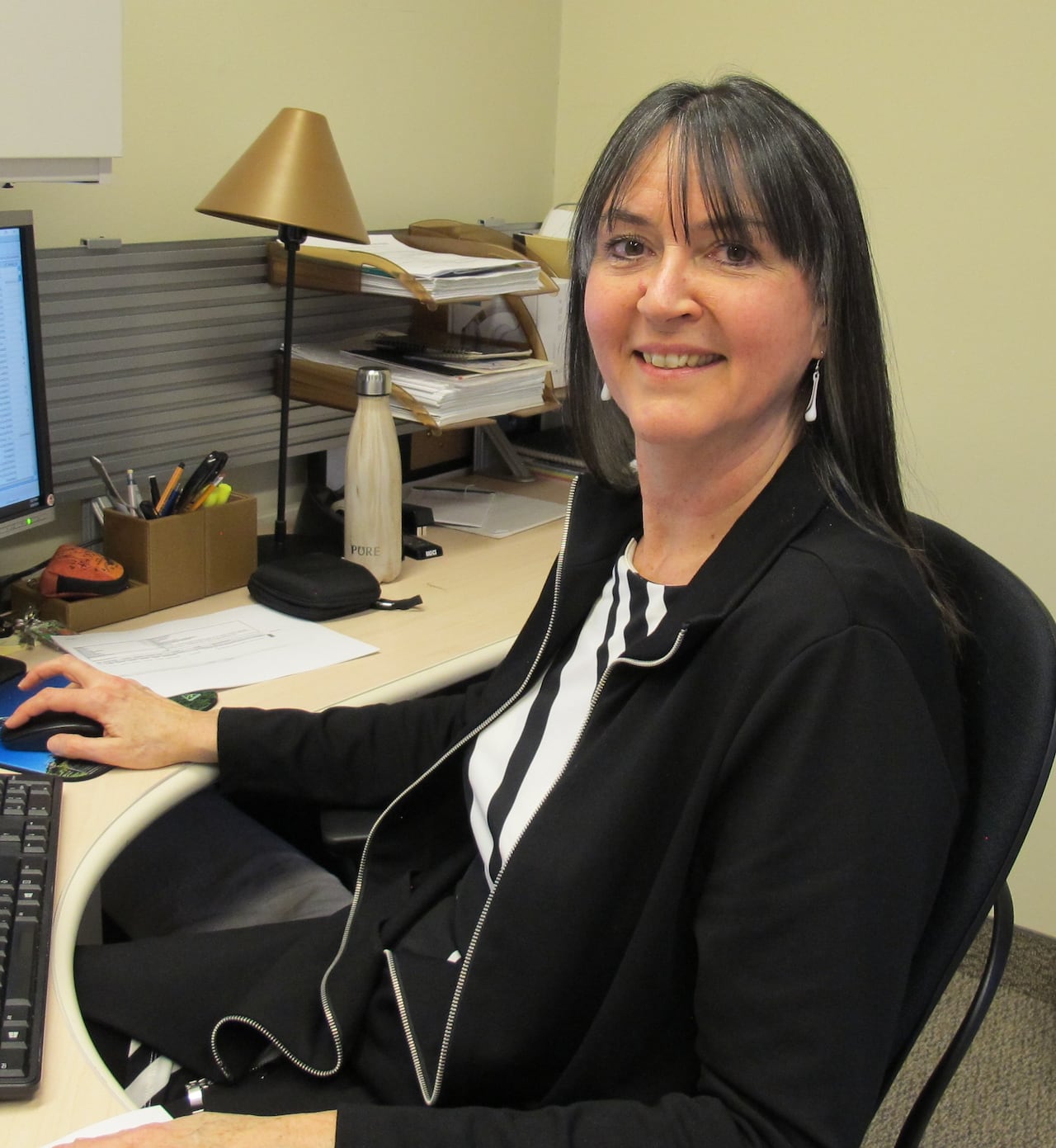 Dawson, the Atlantic study’s lead author, said having a death review committee should give New Brunswick a natural next step in addressing the issue. (Submitted by Myrna Dawson)
Study author Myrna Dawson noted New Brunswick’s highly rural profile and gun ownership as potential reasons behind its total coming in highest, but ultimately, she said, there are unanswered questions.
“There [are] so many factors that, that bleed into why certain jurisdictions have high homicide rates … things like political climate, economic climate, you know, employment rate,” she said.
“It’s important to look at their individual characteristics, and their relationship characteristics, but you can’t separate individuals from the communities that they’re living in. So what is it about their community that may have contributed to this?”
Progress unclear
Dawson said New Brunswick was unique among the four Atlantic provinces for having a domestic violence death review committee in place at the time of the study.
That group was struck in 2009 and is tasked with reviewing the circumstances of domestic violence deaths in the province and coming up with recommendations aimed at preventing future deaths.
“Why isn’t the review committee, you know, producing reductions in domestic homicides? … I’m sure that question is in the mind of some people in New Brunswick,” Dawson said.
“But I think we have to remember that … they can make the recommendations, but those with the power to implement those recommendations or those working on the ground that are tasked with implementing those recommendations, that’s where the impact is going to happen.”
Dawson said having a death review committee gives the province a natural next step in addressing the issue — making sure previous committee work has been acted on.
WATCH | Study author says government needs to find out if it’s ‘falling short’ on prevention: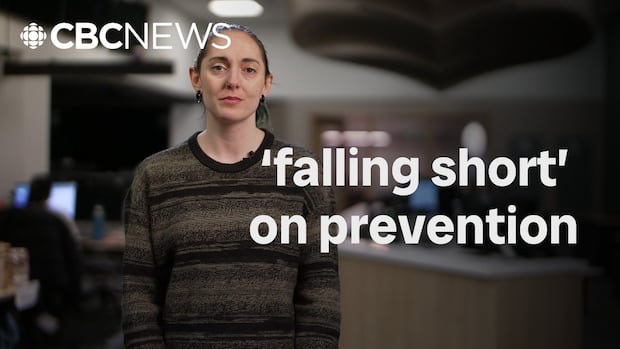
N.B. led Atlantic Canada in domestic-violence-related homicides over a decade, study says
A review of homicides in Atlantic Canada from 2012 to 2022 found over a quarter of those deaths in New Brunswick were related to domestic violence.
She worries that there isn’t a formal system to follow up or publicly report on the government’s progress.
“The idea that we’re leaving recommendations just to sit there after all the work that these individuals have put into it is, is really problematic,” Dawson said. “So I really think our challenge now is about moving those recommendations forward.”
It isn’t clear how many of the recommendations to date from the committee have been acted on.
CBC News asked the Department of Justice and Public Safety, which oversees coroner services and its death review committees.
Spokesperson Geoffrey Downey said by email that the department tracks recommendations but “has no authority to enforce” the recommendations.
 Lyne Chantal Boudreau, the minister responsible for women’s equality, said government welcomes the new report on domestic violence in Atlantic Canada. (Ian Curran/CBC)
Those range from improving programs targeted at offenders, to screening for intimate partner violence when a person accesses detox services, to training coroners in investigation of a domestic-violence-related death.
Dawson’s report also has a set of recommendations, which are largely focused on obtaining better information to determine when a homicide is related to domestic violence.
Lyne Chantal Boudreau, the minister responsible for women’s equality in New Brunswick, said domestic violence is “a systemic crisis” for the province, so there are many departments and front-line organizations involved in addressing it.
Although she said she is committed to acting on the issue, the minister said her team still needs to figure out how.
“We have to make sure that all of the people concerned about women’s violence in New Brunswick are around the table,” Boudreau said.
Beyond government action, Holtmann said, there are improvements that can be made at an individual and community level.
“Most survivors are more likely to reach out to a family member or a close friend,” she said. “So we suggested that these informal networks that survivors rely on get better information and training.
“Survivors reached out, but they were wary of reaching out.”