

Listen to this article
Estimated 4 minutes
The audio version of this article is generated by AI-based technology. Mispronunciations can occur. We are working with our partners to continually review and improve the results.
A long proposed wind-to-hydrogen project in western Newfoundland has run out of momentum, but one critic isn’t sold on a new plan to pivot to export wind power off the island.
“This company has changed its mind more often than the tide changes,” said Nick Mercer, a critic of the project proposed by World Energy GH2, and an assistant professor of environmental studies at the University of Prince Edward Island.
“We were all waiting for an offtake agreement, right? A big announcement that one of these [hydrogen] producers in Newfoundland and Labrador had secured a consumer. And it never came.”
Mercer’s comments follow CBC/Radio-Canada reporting earlier this week that World Energy GH2 chair John Risley said the company was moving away from a plan to build a green hydrogen and ammonia plant in Stephenville.
Risley is now spearheading a new plan, through the company Clean Grid Atlantic — which Risley also chairs — to build a subsea and overland transmission network that can transport wind power from the Atlantic provinces to Quebec where it could be exported to the northeastern United States. The cost is estimated at $16 billion.
The plan would transmit power from hundreds of proposed wind turbines in western Newfoundland.
While Risley said there’s optimism for this plan, Mercer says it’s the latest example of unpredictability as to whether turbines will ever come to fruition.
 Nick Mercer says a new plan for wind power proposed by Clear Grid Atlantic is the latest sign of unpredictability in the wind power industry in western Newfoundland. (University of Prince Edward Island)
“I’m sure people in rural Newfoundland and Labrador probably feel like Charlie Brown at this point, and his buddy keeps pulling the football,” Mercer said.
“I think it’s probably important for Newfoundlanders and Labradorians, and policy makers and investors, to not get too wound up in this or excited about the prospect until we see some type of material change that actually suggests that this is underway.”
Mercer said he hopes people can temper their expectations for the future, calling Risley’s new proposal “another entirely speculative industry.”
On Wednesday, Risley said criticism of the project is fair given how World Energy GH2 couldn’t deliver the hydrogen plant. It’s now up to them to prove critics wrong, he added.
WATCH | ‘I really think we need to temper our expectations’: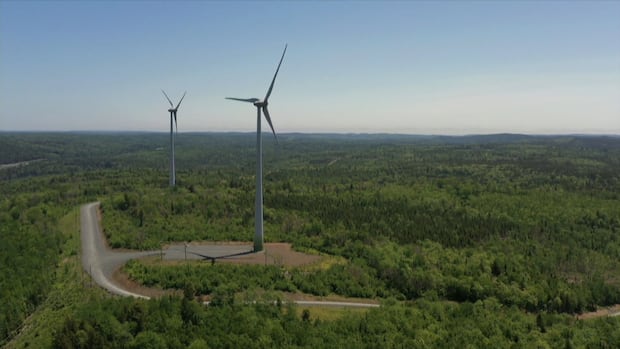
Critics skeptical of new wind energy plans on Newfoundland’s west coast
World Energy GH2’s wind-to-hydrogen project for western Newfoundland has evaporated. John Risley says he now has a bigger and better plan to harness wind power, but critics aren’t buying it. The CBC’s Colleen Connors reports.
Risley said that $150 million has already been invested, and that the groups involved will spend $300 million over the next 1½ years.
“We’ve got lots of wind, and we want to spend the next 12 to 18 months focused on the engineering work and all the sort of regulatory burden and market work and so on that’s associated with trying to make this grid real,” he said.
“This can be more important to the island of Newfoundland than the oil industry has been. More important. And that’s a big statement, but it’s a true statement if we can make this work.”
Holding hope for future
Stephenville Mayor Bob Byrnes said the plan that once drew international headlines is no longer part of conversation in his community.
“The hype that surrounded it was big and great,” he said. “[But] eventually [Germany] found an alternative. A cheaper source of energy, that, you know, worked out for them. And thus the project was kind of put into another realm.”
But Byrnes has met with Risley about the new venture with Clean Grid Atlantic and Pattern Energy, and believes Risley is serious.
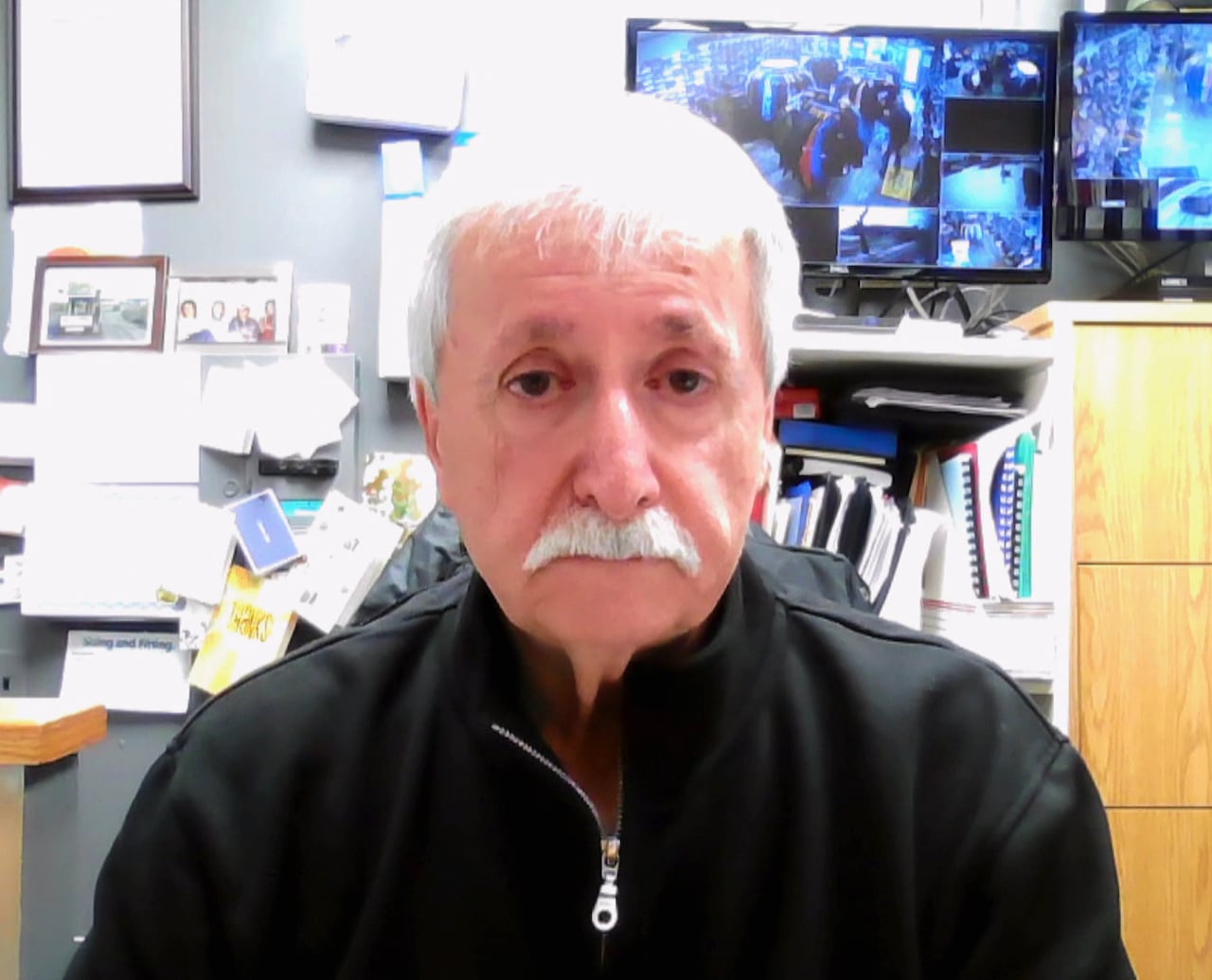 Stephenville Mayor Bob Byrnes says he believes Risley is serious about his new endeavor. (CBC)
That makes him believe the new project could be more feasible.
“He’s done a lot of work here, invested a lot in the infrastructure that’s already in place, knows where all these windmills eventually have to go. Now what he has to do is find another market for it. And that’s what he’s doing,” Byrnes said.
“In a couple years, you know, this thing could — and should — materialize.”
Download our free CBC News app to sign up for push alerts for CBC Newfoundland and Labrador. Sign up for our daily headlines newsletter here. Click here to visit our landing page.