
Two people who filed formal complaints with Moose Jaw police about the Dr. Goodenowe Restorative Health Center in Moose Jaw, Sask. are asking why the police force publicly said it had found no record of any such complaints.
Late last month, Moose Jaw police confirmed they were launching an investigation into the controversial health centre after a complaint from the provincial NDP Opposition.
In a letter, the NDP raised concerns about “potential fraud, criminal neglect and a failure to provide the necessities of life” at the clinic.
In an emailed letter to supporters, Dayan Goodenowe, the founder of the Moose Jaw centre, said the NDP was “grandstanding” in making allegations which he characterized as a “false narrative.”
“Please be assured that we will not allow these false accusations to go unpunished,” he wrote in the Dec. 5 email.
The NDP filed its complaint after a CBC story about Susie Silvestri, a 70-year-old American who sold her home so she could attend Goodenowe’s three-month restorative health program, convinced she would be healed.
Police told media this appeared to be the first complaint they had received relating to the company, writing that “an initial search of our records management systems indicated that no previous complaints or active investigations have been received in relation to the business in question.”
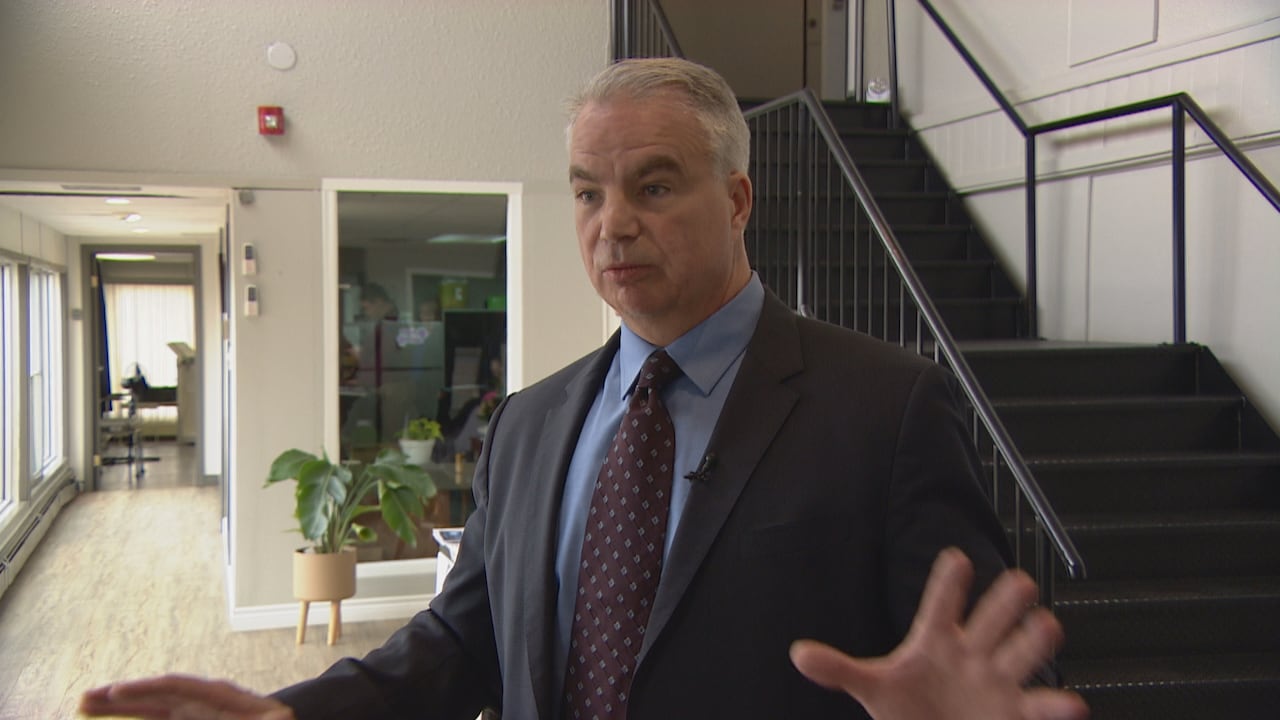 Dayan Goodenowe, founder of the Dr. Goodenowe Restorative Health Centre, has said he found a way to halt and reverse the symptoms of ALS. (CBC News)‘That’s a bold lie’
Teresa Sando, a former client of Goodenowe’s centre, was livid when she read that statement from police in media coverage.
“That’s a bold lie,” she wrote in a text to CBC. “I made an online written complaint.”
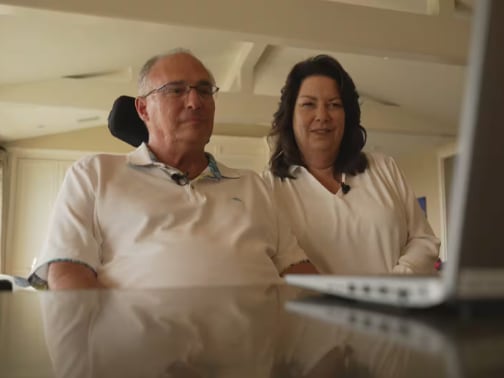 Last summer, Geoff and Teresa Sando learned through YouTube videos about Goodenowe and his claims that he can help defeat ALS. (Don Somers/CBC)
She filed that detailed complaint a year ago, on Jan. 2, 2025.
Her complaint began, “The Dr. Goodenowe Restorative Health Center in Moose Jaw is running a medical fraud/scam on ALS patients and their caretakers, who all live in the USA.”
In it, she told police that Dayan Goodenowe had publicly claimed to have “discovered the ability to stop the progression of ALS which is a fatal neurodegenerative disease with no known cure. He claims to have done so on 15 out of 15 patients.”
CBC previously reported that those promises motivated Sando and her husband Geoff, an ALS patient, to enroll in Goodenowe’s three-month live-in program at a cost of $75,000 US. Sando said Geoff and several other ALS clients of Goodenowe saw their health deteriorate rather than improve.
Goodenowe has sued CBC over those stories, alleging they are defamatory. He has also repeatedly declined an interview with CBC. His lawyer wrote that “we don’t talk to people we are in active litigation against.”
In her complaint, Sando also highlighted Silvestri’s story, providing many of the details that were outlined in CBC’s November story. Sando and her husband were just two doors down from Silvestri when she was in the facility.
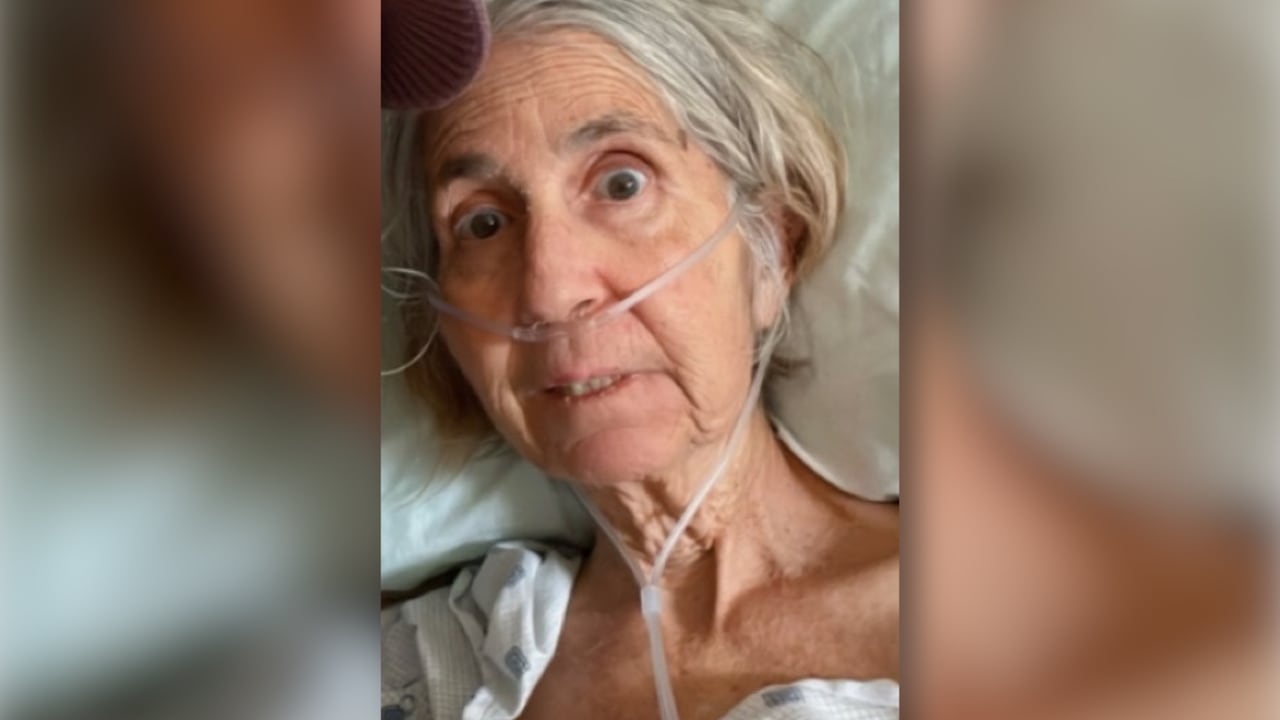 In December 2024, Susie Silvestri was no longer able to eat and was begging for a feeding tube. (Former Goodenowe worker)
In addition, Sando gave police the names of 18 other Goodenowe clients.
Shortly after filing her police complaint, she received an automated reply saying, “Thank you for submitting your online incident report to the Moose Jaw Police service,” and promising “we will be in touch with you shortly.”
CBC asked Moose Jaw police why they told the public they found “no previous complaints” about the facility.
“Based on the information (names, date, etc.) provided in a letter from [NDP] MLA Jared Clarke to the Moose Jaw Police Service, an initial search was met with no links,” police said in an emailed statement.
‘A big red flag’
Martin Letendre, a Quebec lawyer and nationally recognized medical ethics expert, said he finds that claim baffling because Sando wasn’t the only one to file a complaint.
He also filed one.
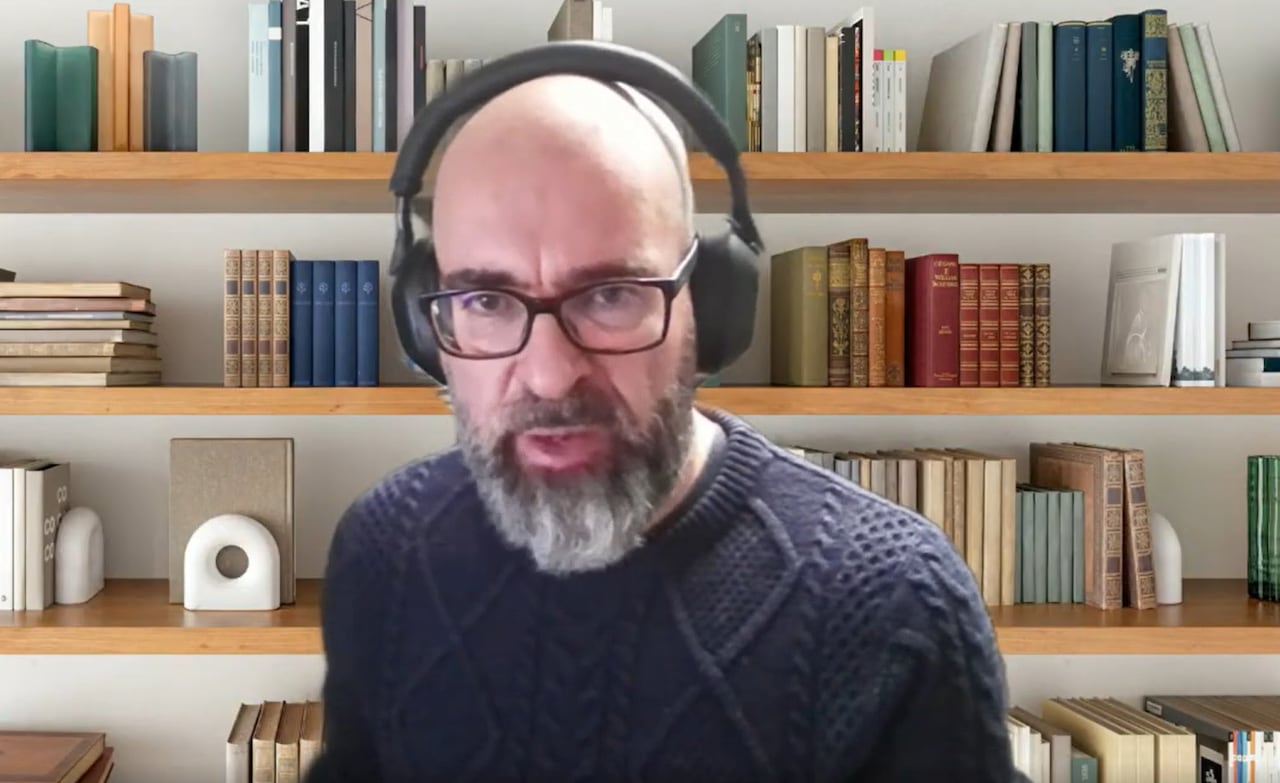 Lawyer and ethics expert Martin Letendre says Canada should follow the American model of accreditation for research facilities. (CBC)
“Why is the Moose Jaw police saying that they’ve looked at their records and they have no documented complaints against Goodenowe when I personally have in my inbox an acknowledgement of receipt of my complaint? Because I filed a complaint for fraud,” Letendre said in an interview with CBC.
He filed his complaint after watching and reading CBC’s stories in June about Goodenowe and his centre.
In his June 30 online complaint, Letendre wrote that Goodenowe’s clinic “is an unlicensed personal care facility [that] through deceit, fraudulent claims and falsehoods, defrauds patients suffering from ALS of amounts up to $95,000 USD by promising to cure their disease.”
Letendre said if police had conducted a basic keyword search for the term “Goodenowe,” that should have turned up his complaint and the one filed by Teresa Sando.
The fact that police went out of their way to claim they had no evidence of previous complaints is “a big red flag” for him, he said.
“It gives the impression that there is some form of shielding or protection around Goodenowe and this clinic,” Letendre said. “It raises fundamental questions about the trust in our institutions.”
Letendre said he’s not a conspiracy theorist, but “you wonder, is the Goodenowe clinic the sponsor of the Moose Jaw police softball team? Like, you wonder. Your mind goes there.”
Though police acknowledged receiving his complaint, they never did contact him directly, he said.
Sando, on the other hand, did get a call back.
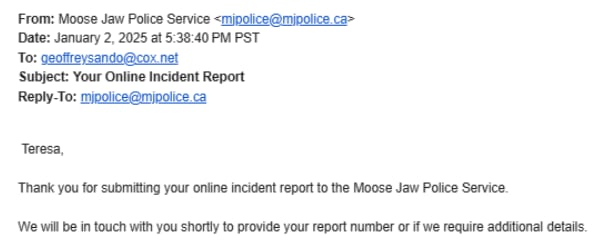 Early last year, former Goodenowe client Teresa Sando filed a formal complaint with the Moose Jaw Police Service. (Teresa Sando)Police turned down investigation
On Jan. 8, 2025, less than a week after filing her complaint, Sando got a call from a Moose Jaw police officer. She recorded the conversation and provided it to CBC. She said she does not remember the officer’s name.
“This is regarding the complaint you made online,” the officer said. “So, tell me what happened. How can I help you?”
She outlined her story to the officer.
“I’m sorry this was your experience in Canada, but honestly it’s, unfortunately it’s not in my power or in my mandate,” he told her. “It’s kind of criminal but it’s not a criminal that police would intervene this one because we don’t have no authority.”
He suggested Sando complain to the College of Physicians and Surgeons of Saskatchewan, which she did.
The College says it’s not their responsibility to investigate a situation like this, either.
Goodenowe maintains that his program is legitimate. He told CBC he had documented proof that every client who goes through it gets better.
But now, Moose Jaw police say they are investigating. They suggest that perhaps the complaints from Sando and Letendre might turn up in their systems.
“An investigation has been initiated, which will obviously trigger a deeper dive into information gathering through our internal records system and external information,” police said in a statement.
Sando said that doesn’t give her much confidence.
“I kind of have an opinion about small towns where everybody knows each other and maybe people are covering up for each other,” she said. “I don’t know.”