
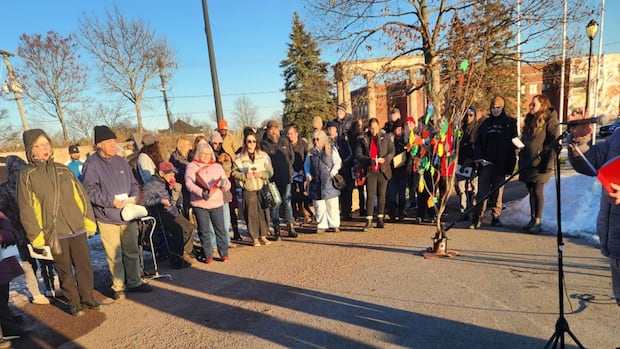
The number of deaths among homeless people across New Brunswick surpassed 100 last year, based on reports from front-line service providers and municipal officials.
CBC News contacted people who track the number of deaths among homeless populations across the province after staff at Fresh Start Services in Saint John stated that 38 deaths had occured in that area in 2025.
In some parts of the province the number of deaths was lower than in 2024 or zero, while other areas saw increases.
Some front-line workers cited drug overdoses as the most prevalent cause of death. Others blamed issues related to extended periods of homelessness.
Here is the provincial rundown, in order of the areas with the highest to lowest number of deaths.
Saint John
Misty Schofield of Fresh Start Services in Saint John clarified that of the 38 deaths she previously mentioned, 22 had been people who were unhoused at the time of their death.
Sixteen others had been housed for a short time before their deaths, she said, thanks to the assistance of the agencies that co-ordinate access to housing for people who are on a by-name list and experiencing homelessness.
They “still passed away due to factors related to being unhoused,” she said.
Schofield also provided historical figures that indicate the number of deaths among the unhoused community in Saint John has been increasing since 2019.
Moncton
The number of deaths being reported in Moncton decreased in 2025.
Thirty-five people were commemorated at a Dec. 18 ceremony in Victoria Park, said John Renton, in a post in a Facebook group called The Ragged People, an informal grassroots group that supports homeless people in the area.
That was down from 53 deaths the previous year.
“A decrease in numbers I can credit only to awareness and harm reduction, not that the crisis is over,” Renton wrote.
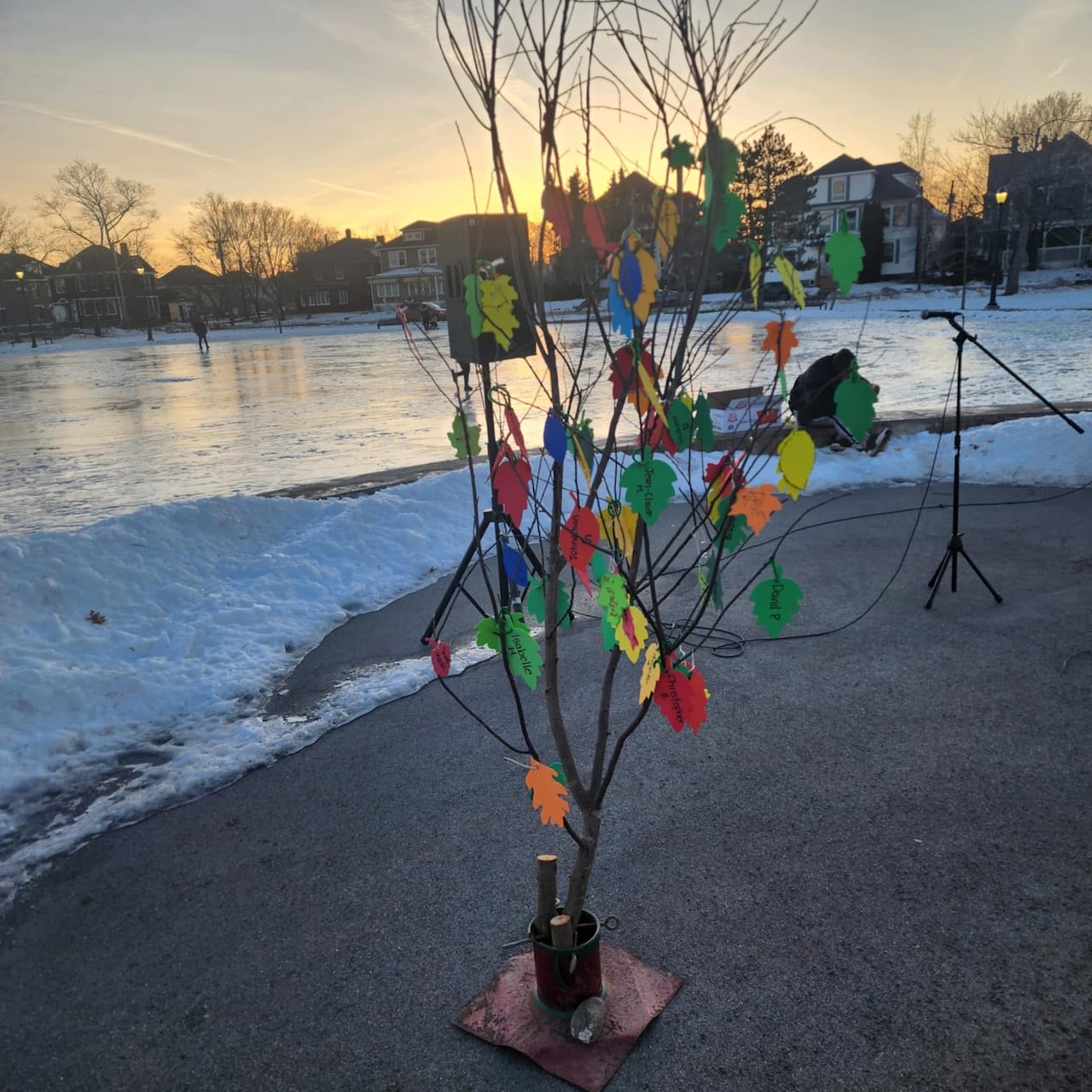 The names of people who had been homeless and died in Moncton in 2025 were written on paper leaves and hung on a symbolic tree during a ceremony in Victoria Park. (John Renton/Facebook)
Two more deaths took place in late December, confirmed Whitney Benjamin, senior director of community outreach for the YMCA of Greater Moncton.
That brings the total for the year to 37, she said, including people who were unhoused, people who may have been recently housed and people who were precariously housed.
Fredericton
In Fredericton, there were 19 deaths among the homeless population in 2025, said Warren Maddox, executive director of Fredericton Homeless Shelters Inc.
About 75 per cent of those deaths were due to drug overdoses, he estimated.
Additionally, Maddox said a twentieth person — a 16-year-old female — died in late spring after overdosing at a transitional housing site on the city’s north side.
That was up from a total of 13 deaths in 2024, he said, about eight of which were from drug overdoses.
St. Stephen
In St. Stephen, five people who’d experienced homelessness died in 2025, said Jim Stuart, executive director of the service organization Neighbourhood Works.
Two died of natural causes shortly after being housed, two were overdoses and one was a drowning, he said.
Miramichi
Municipal officials in Miramichi said there were two deaths within that city’s homeless population in 2025.
A man in his 40s died Nov. 1 and a woman in her 50s died Nov. 19, according to the city police.
The police force declined to release information about the circumstances or causes of death, but said neither was of a suspicious nature.
Upper St. John River Valley
In the Upper St. John River Valley, Alissa Stairs is part of a new outreach team being piloted and funded by municipalities and the Department of Social Development.
They cover the area from Nackawic to Plaster Rock, she said.
“Of all of the clients we stay in contact with and monitor in the area we cover, we have had no known deaths due to homelessness to date,” said Stairs.
There was a death in Woodstock last winter that initially appeared to be of a homeless person.
A man was found dead after a fire in a shed. However, police later said he was not homeless.
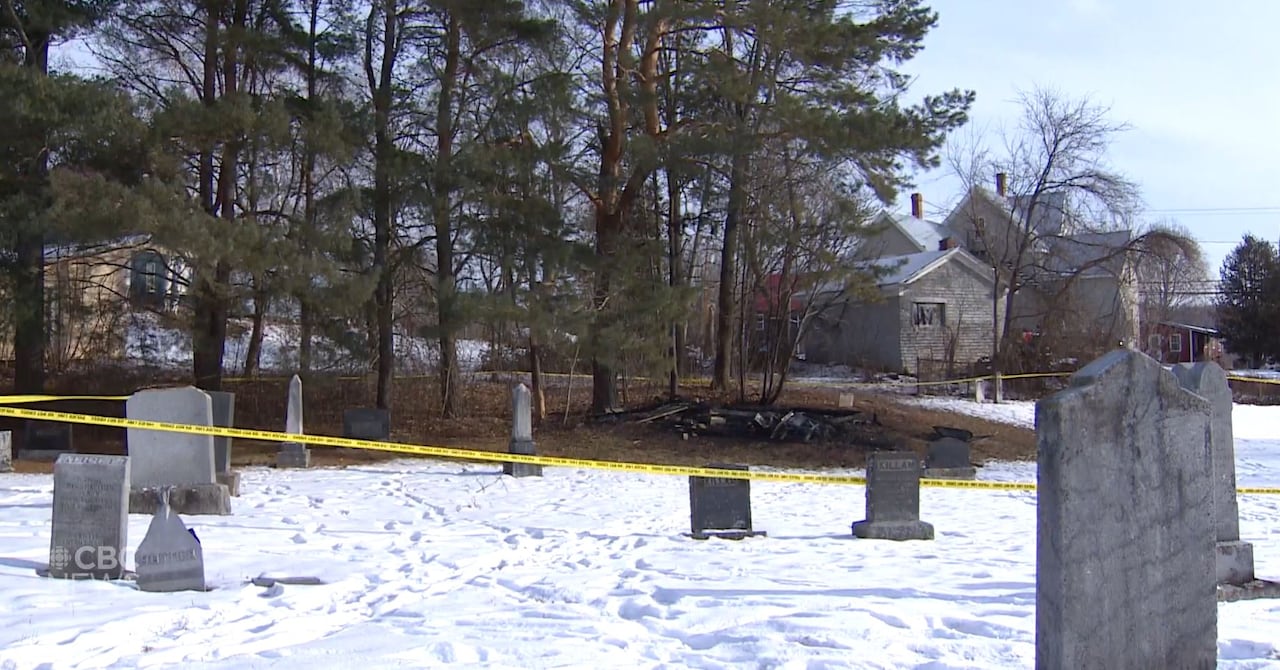 A man was found dead after apparently sheltering in a shed in Woodstock that burned down in January 2024, however, police did not consider him homeless. (CBC News)Other areas
Municipal and regional officials in Edmundston and Chaleur and a volunteer group in Restigouche said there had been no known deaths among homeless people in those areas in 2025.
No responses or reports of deaths were received from the regional service commissions for the Acadian Peninsula or Sussex area.
All told, the numbers add up to 101 or 103, depending on whether the 16-year-old who died in Fredericton in June is counted, and whether the person found dead after the Woodstock shed fire is included.
Real figures likely higher
The actual numbers are likely higher, said Dr. Sara Davidson, whose patients in downtown Fredericton include some people experiencing homelessness.
Tracking the numbers is “very important” but “challenging,” she said.
“Due to the precariousness of where people are living, whether they pass away in the emergency room or in the hospital shortly after being admitted, or die outside, the total number might be hard to ensure accuracy of.”
The high number is “heartbreaking,” but “not a surprise” to Davidson.
People who’ve experienced homelessness “are just that much more vulnerable to death”, even for an extended period after they’ve been housed, she said.
Studies show it can take about three years with “pretty intensive support” to become stable and independent after experiencing chronic homelessness, she said.
What’s behind the numbers
If health issues are neglected while people are occupied with more pressing matters of basic survival, effects can linger for a long time, Davidson said.
She personally lost some homeless patients in the past year, but said those most at risk are the ones who aren’t getting any medical care.
Another reason behind the rising death toll, she said, is simply that more people experiencing homelessness.
She said a “very unregulated and toxic” drug supply is also a factor.
“The most vulnerable are exposed to that,” said Davidson.
 Dr. Sara Davidson delivers primary care to many homeless people at the Fredericton Downtown Community Health Centre. (Jennifer Sweet/CBC)
Many people cope with being homeless by using substances — to stay awake, not feel hunger or manage chronic pain or challenging mental health issues, she said.
Some become homeless because of mental health issues or the effects of trauma, while others lose their housing because of substance use, she added.
Tackling the problem
To reduce the number of deaths among those experiencing homelessness, Davidson favours the creation of supportive housing options, including places that do not require abstinence from substance use.
She also recommends housing that provides extra supports like occupational and recreational therapy, working with individuals to reduce their own particular risks and improving access to addiction treatment.
“We probably need something akin to special care homes to be created for people with complex needs,” she said.
Davidson noted that a lot of work is already going into this type of housing, but said it’s taking a long time to come to fruition.