
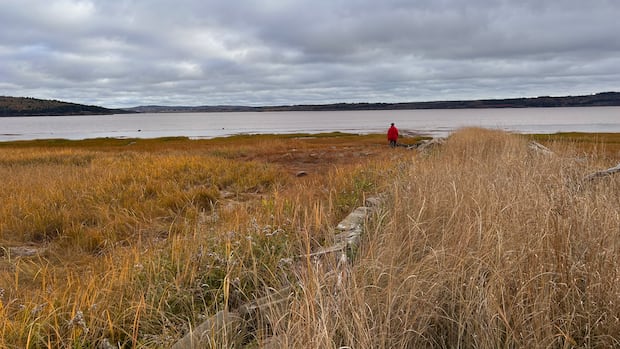
It may be a long and circuitous route, but a decaying wooden wharf in Albert County inevitably leads to the founding of Canada’s public broadcaster.
The wharf at Hopewell Cape was part of one of the many shipyards along the coast of Albert County in southeastern New Brunswick.
The wharfs were integral not only to the local community, but also to transportation in the area, according to historian James Upham.
“All of these wharfs that you see along the river, this was at one point or another one of the main ways to get into a town,” Upham said.
“This was how people came to town from either just over in Dorchester or way over in Europe.”
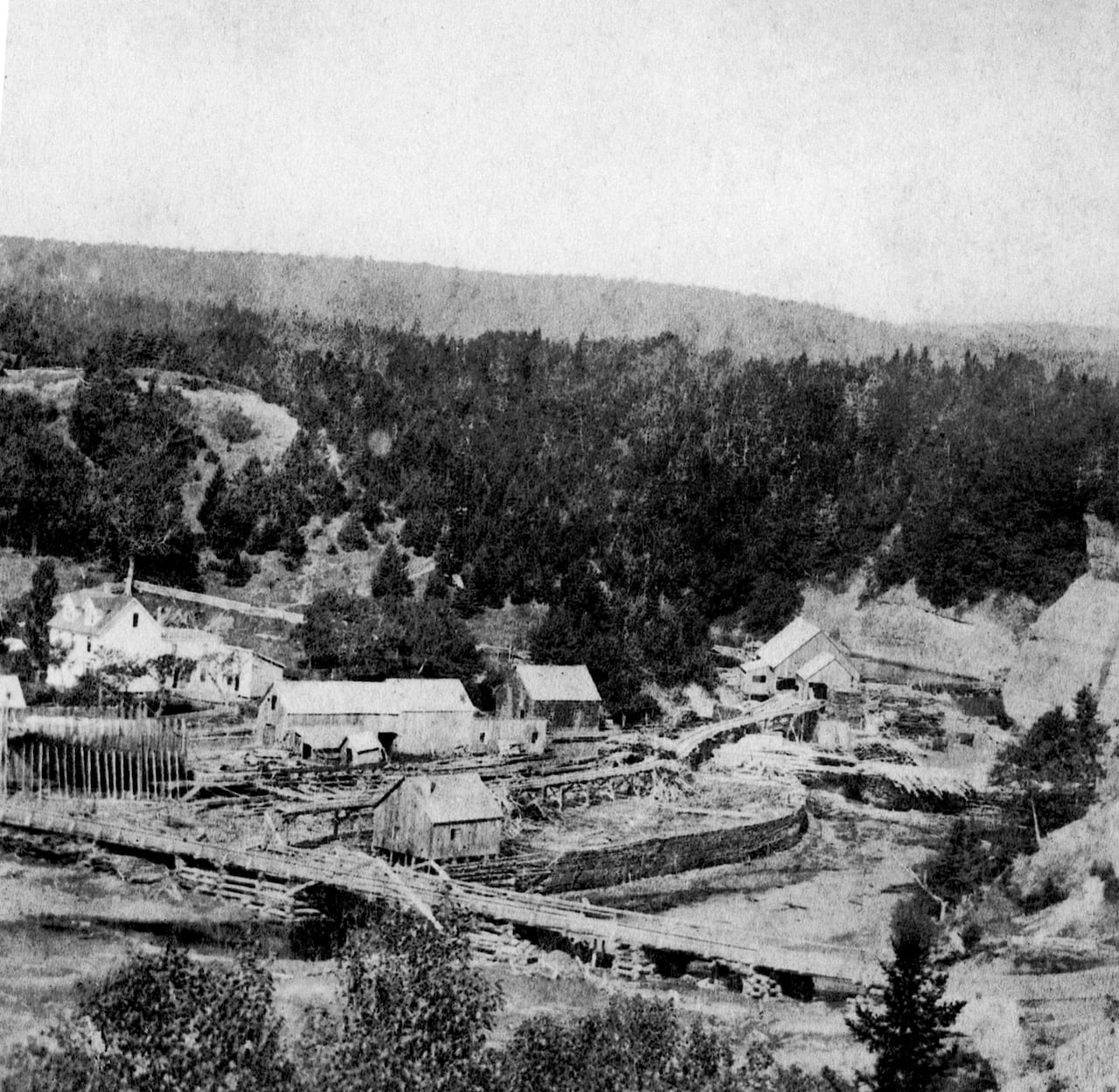 A shipyard in St. Martins from 1860. (Provincial Archives of New Brunswick, P264-72)
Travel at the time, when roads were not as well established in the province, was often done by boat.
This leads to an interesting rethinking of the community of Hopewell Cape. The community is about three kilometres from Dorchester Cape via boat along the Petitcodiac River, but about 80 kilometres by road.
“For most of the time that people have lived here, Dorchester is a hop, skip and a jump over there,” Upham said.
A place for shipbuilding
While wharfs were important for the transportation of goods and people throughout New Brunswick, this wharf was also integral to the economy of the area.
Dawne McLean, president of the Albert County Historical Society, said the Peticodiac River shoreline from Salisbury to Point Wolf, which is now part of Fundy National Park, was prime shipbuilding territory.
She said that officially, more than 330 wooden ships were built in the area, but a truly accurate number is impossible to determine.
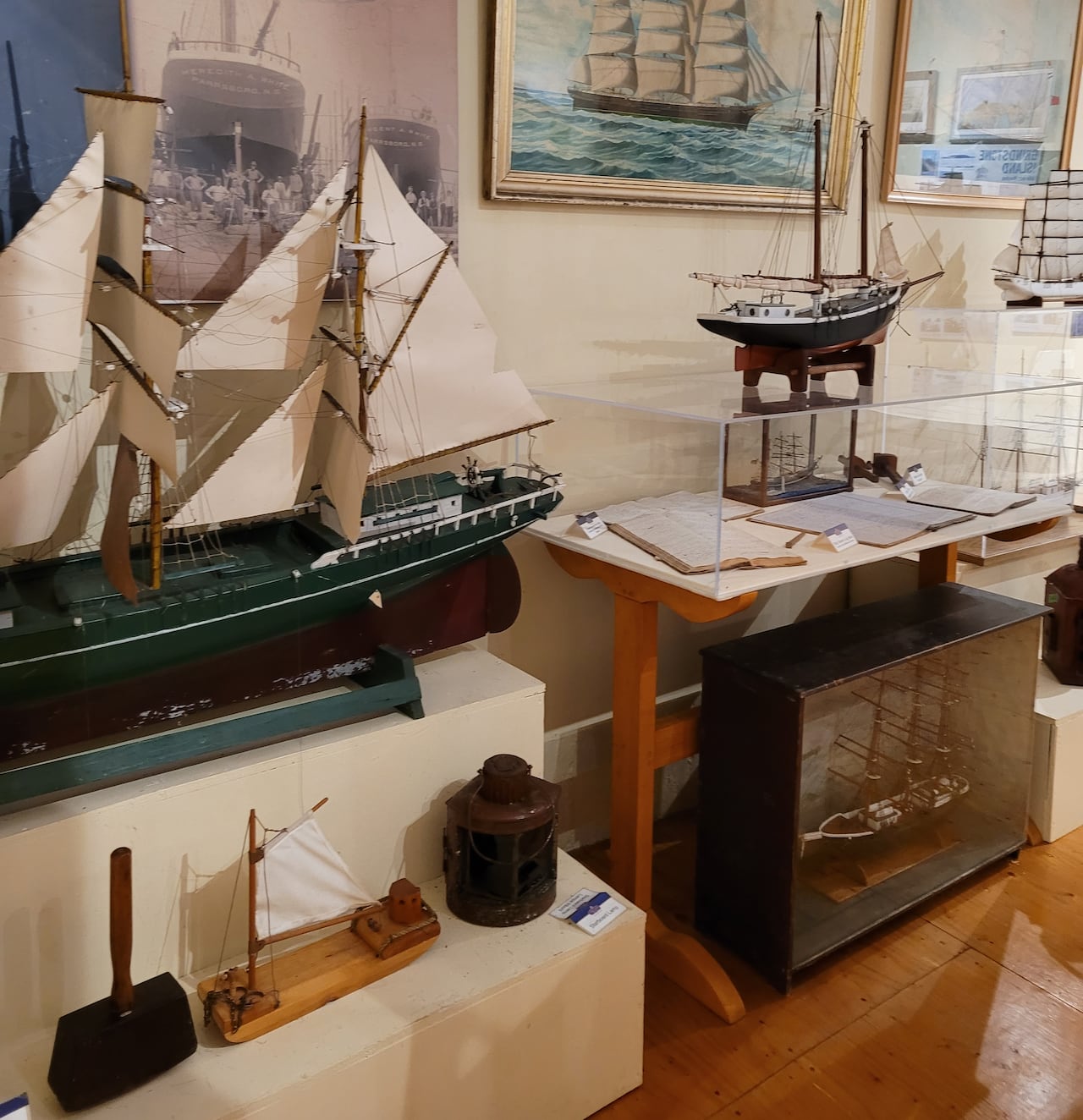 Shipbuilding artifacts are on display at the Albert County Museum, which is run by the Albert County Historical Society. (Janet Clouston, Albert County Museum)
“The exact number is not known because some ships didn’t get registered because some, they might build a ship, just a smaller ship, and they didn’t bother going to Saint John to get it registered,” McLean said.
The shipbuilding industry had a symbiotic relationship with several other industries in the area, including lumber, agriculture and even energy, with the mining of albertite, a coal-like substance that can be refined to oil and is named after Albert County.
Ships would be built, loaded up, sailed away and sold off, McLean said.
Albert County was often the site of vessels carrying what would at the time have been considered strange goods from exotic lands, she said.
“My husband’s grandfather remembered … as a kid that they’d be coming in, that they’d have bananas. Well, bananas were a very rare fruit years ago.”
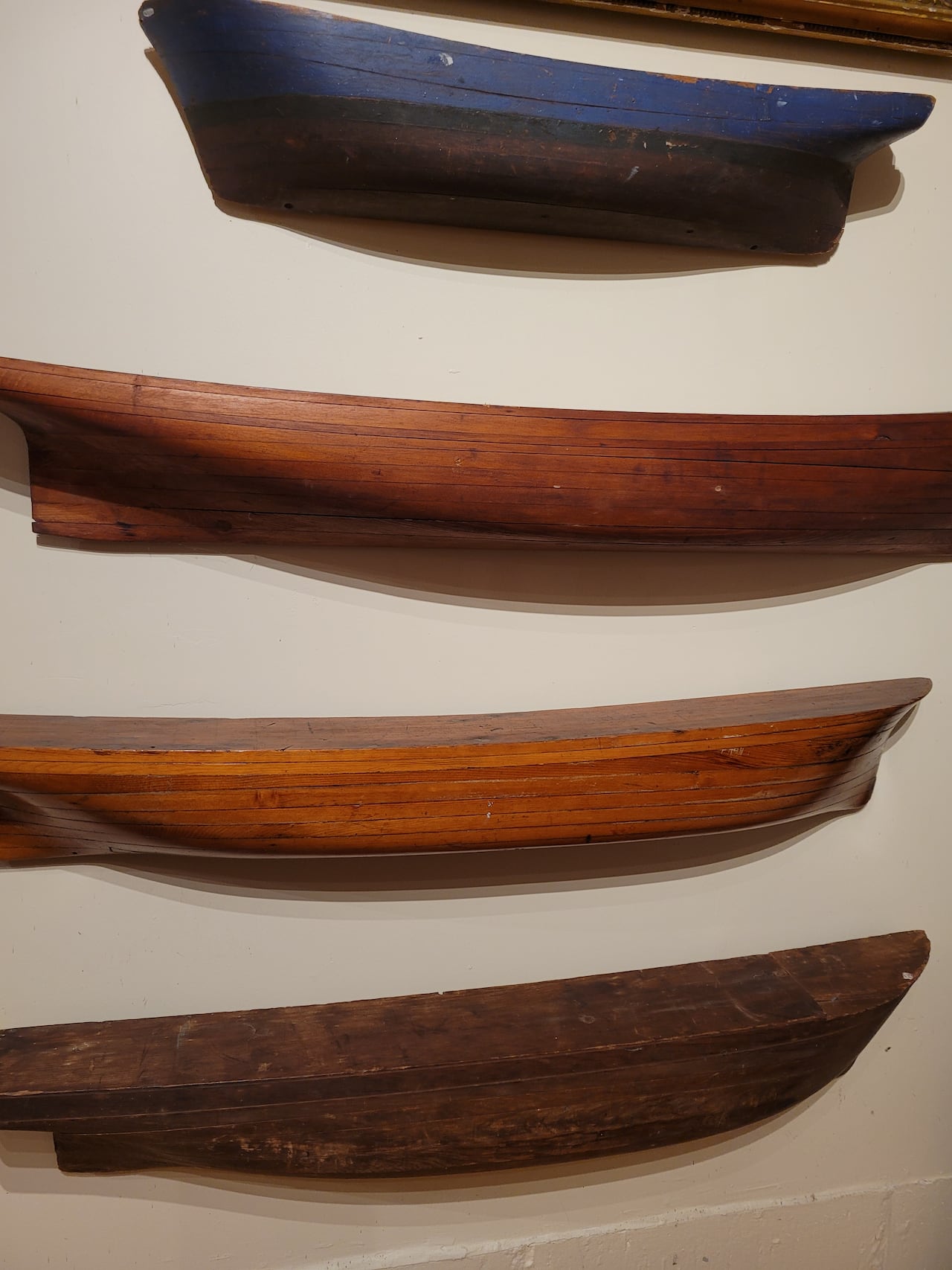 Half-ship models that were used at the Bennett Shipyard in Hopewell Cape. (Janet Clouston, Albert County Museum)
The arrival of steel manufacturing and steam engines ended the Age of Sail and, along with it, Albert County’s shipbuilding industry.
McLean said this forced a lot of residents, who were master shipbuilders, to uproot.
“When times get rough and there’s no work … they leave,” she said.
“We lost a lot of our vibrant people who, had they stayed here, it would have been great, but they went other places and still did great things.”
The Bennett family
But who owned the shipyard that was once attached to the Cape Hopewell wharf?
The answer is the Bennetts, who founded the shipyard in the early 1800s and wrapped up operations in 1875.
The Bennetts built 44 ships, including 36 in Hopewell Cape.
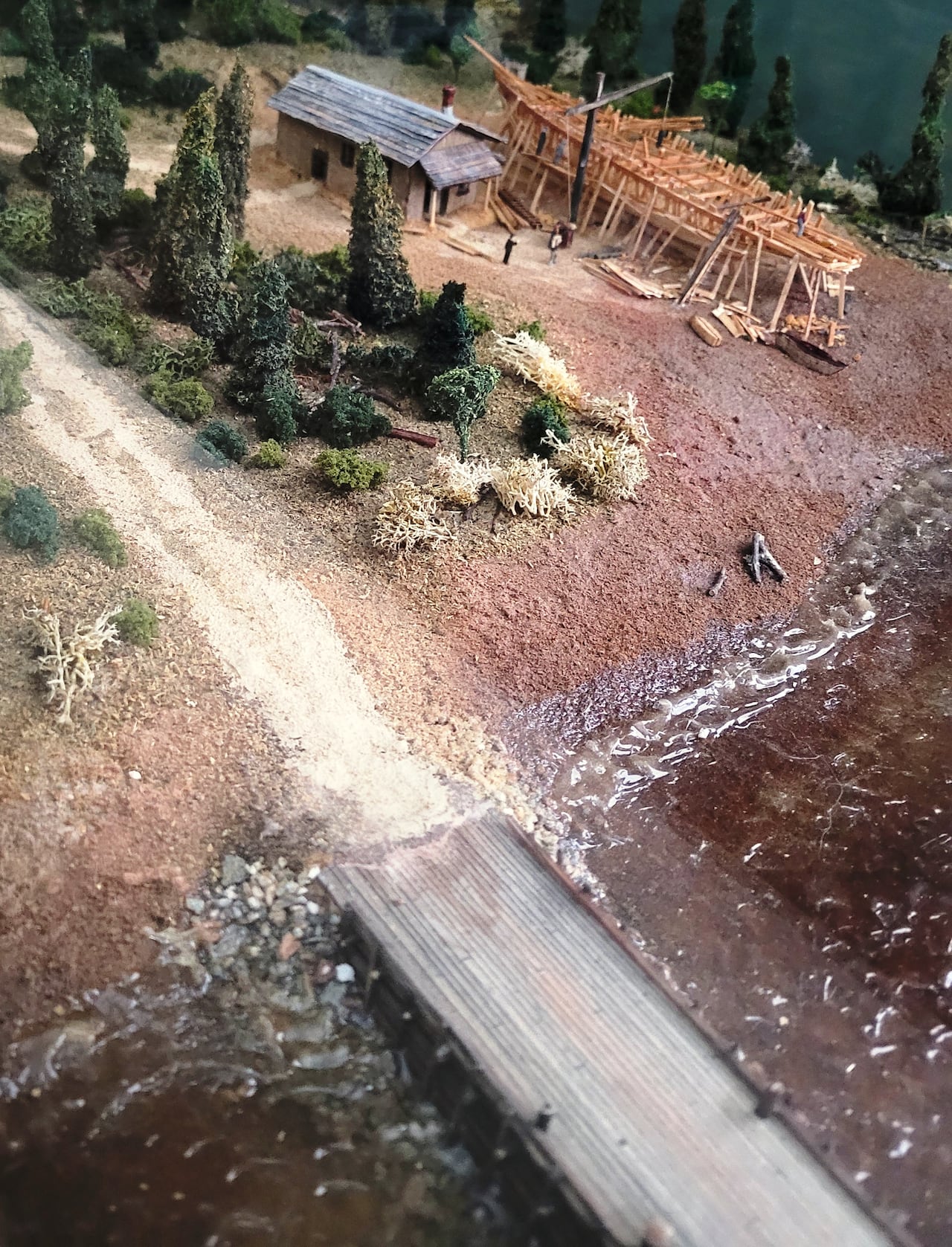 A diorama of the Bennett Shipyard at the Albert County Museum. (Janet Clouston, Albert County Museum)
But the Bennetts’ legacy extends much further than shipbuilding.
“Like a lot of families tend to do, they had kids,” Upham said. “And one of those kids was born in 1870. A young fellow by the name of Richard.”
Richard Bedford Bennett, known as R.B. Bennett, became prominent in business and law, but he’s most famous for becoming prime minister of Canada, to date the only New Brunswicker to hold the position.
Bennett had a fairly distinguished career before becoming prime minister in 1930, having been a member of the Alberta legislature and leader of the Alberta Conservative Party, the MP for Calgary and the federal finance minister and justice minister.
“He had said even when he was a boy going to Hopewell Cape School that one day he was going to be Prime Minister and it happened,” McLean said.
But the early 1930s were a challenge, and Bennett’s years in office were marked by Canada’s economic troubles.
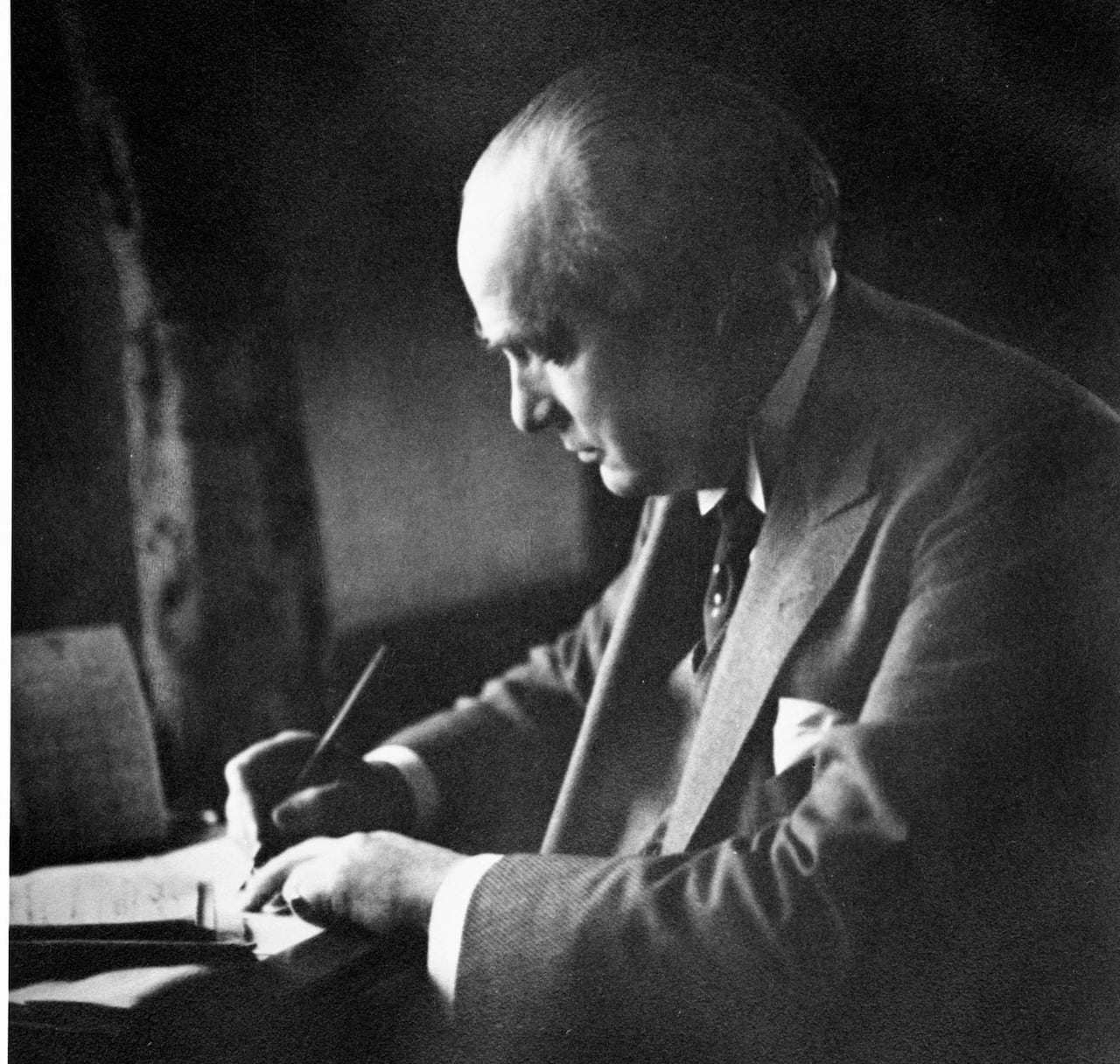 R.B. Bennett was Canadian prime minister from 1930-1935, so far the only New Brunswick-born politician to hold the position. (Library and Archives Canada)
“Bennett inherited a number of fairly serious challenges,” Upham said.
“He was elected in 1930, which is the year that the Great Depression was really coming into full swing.”
Still, Bennett should be remembered for something else as well: the website you’re reading this story on.
Public broadcasting
In 1932, the Bennett government established the Canadian Radio Broadcasting Commission, the precursor to the Canadian Broadcasting Corporation, starting Canada’s journey with public broadcasting that continues to this day.
According to P B Waite, in his book In search of R.B. Bennett, the route to public broadcasting started in 1928, when William Lyon Mackenzie King was prime minister.
King’s government started the Aird Royal Commission to determine who should have jurisdiction over radio broadcasting in Canada. (Television was an experimental technology at the time and the internet would still have been in l the realm of science fiction.)
But it was Bennett who introduced the act that would create Canada’s public broadcaster.
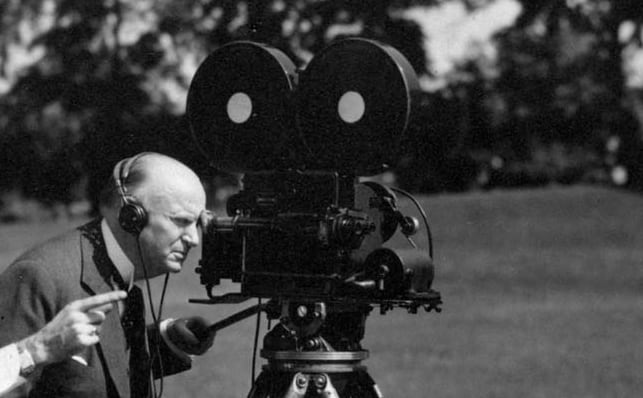 Bennett said public broadcasting was important because it allowed for ‘complete Canadian control of broadcasting from Canadian sources, free from foreign interference or influence.’ (Library and Archives Canada)
In a speech to the House of Commons, Bennett said public broadcasting was important because it allows for “complete Canadian control of broadcasting from Canadian sources, free from foreign interference or influence,” and because public ownership “can ensure to the people of this country, without regard to class or place, equal enjoyment of the benefits and pleasures of radio broadcasting.”
And to think, Canada’s 94-year journey with public broadcasting kind of, sort of, began on a wharf in Albert County.
“This is kind of where the CBC comes from,” Upham said.
“We can look to and say there’s the person that founded this thing that is the CBC, and we’re standing next to their family wharf.”