
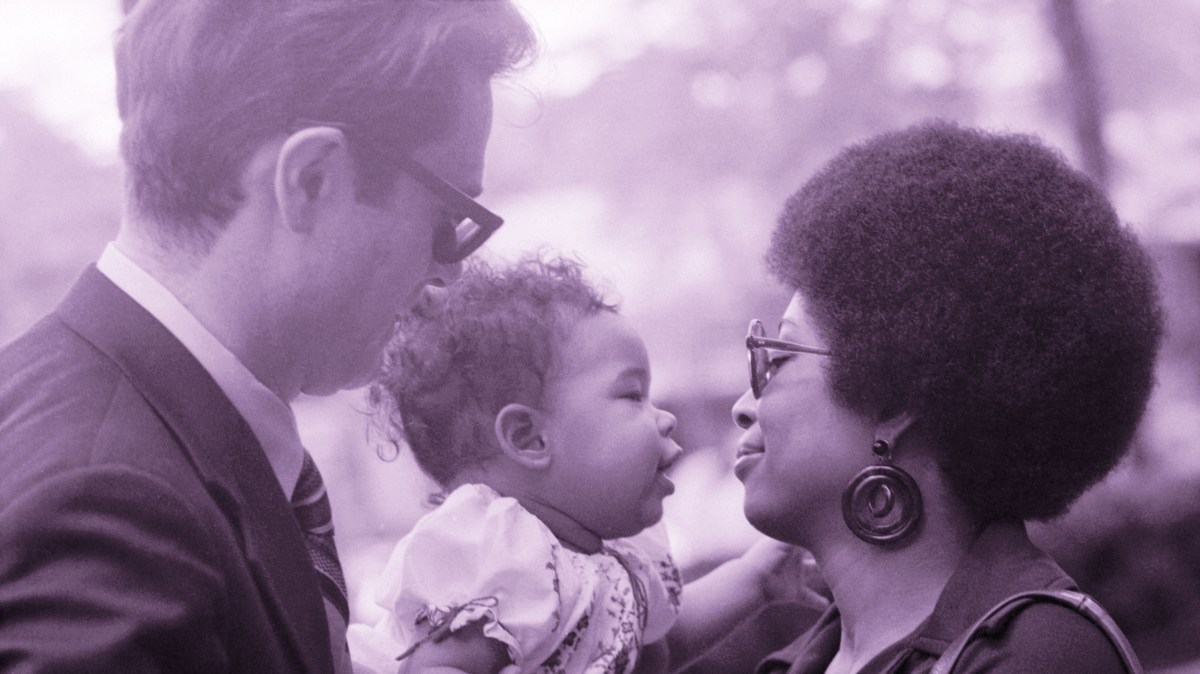
Lara Feigel is waiting at a station platform, full of dread that when the train doors open her children will not emerge. She knows they are on the train yet still she finds herself swallowing panicky tears. Her recent custody case has left her feeling as if her son and daughter have become “both a weapon and a broken body torn between their parents”. In her darkest moments, she feels that she is fighting to keep them alive.
In this great roar of a book, Feigel, a British feminist writer, tells the enraging history of child custody over the past 200 years. In particular, she traces the special kind of hell that is reserved for women who dare to call out the iniquity of a system that benefits no one, least of all the children.
Feigel should know. In 2020 she was forced to listen while a barrister, her voice dripping with contempt, read out a newspaper article Feigel had written about the psychoanalyst Donald Winnicott’s famous formulation that a “good enough” mother will nonetheless go through moments of hating her child. As far as the barrister was concerned, here was evidence of Feigel’s unfitness to look after her own eight-year-old son.
Now in her forties, and a professor of literature, Feigel remains in no doubt that “my public identity as a feminist was one of the reasons I lost my own case”. The book does not reveal exactly what custody arrangements have since been decided for her two children.
She starts her journey, though, with Caroline Norton, the politically progressive “lady of fashion” who in 1827 married a thuggish Tory squire named George. When Norton had finally had enough of her husband’s freely flying fists and alcoholic rages, she fled under cover of darkness, intending to take her three young sons with her. But legally the children belonged to their father, despite his manifest lack of interest in them.
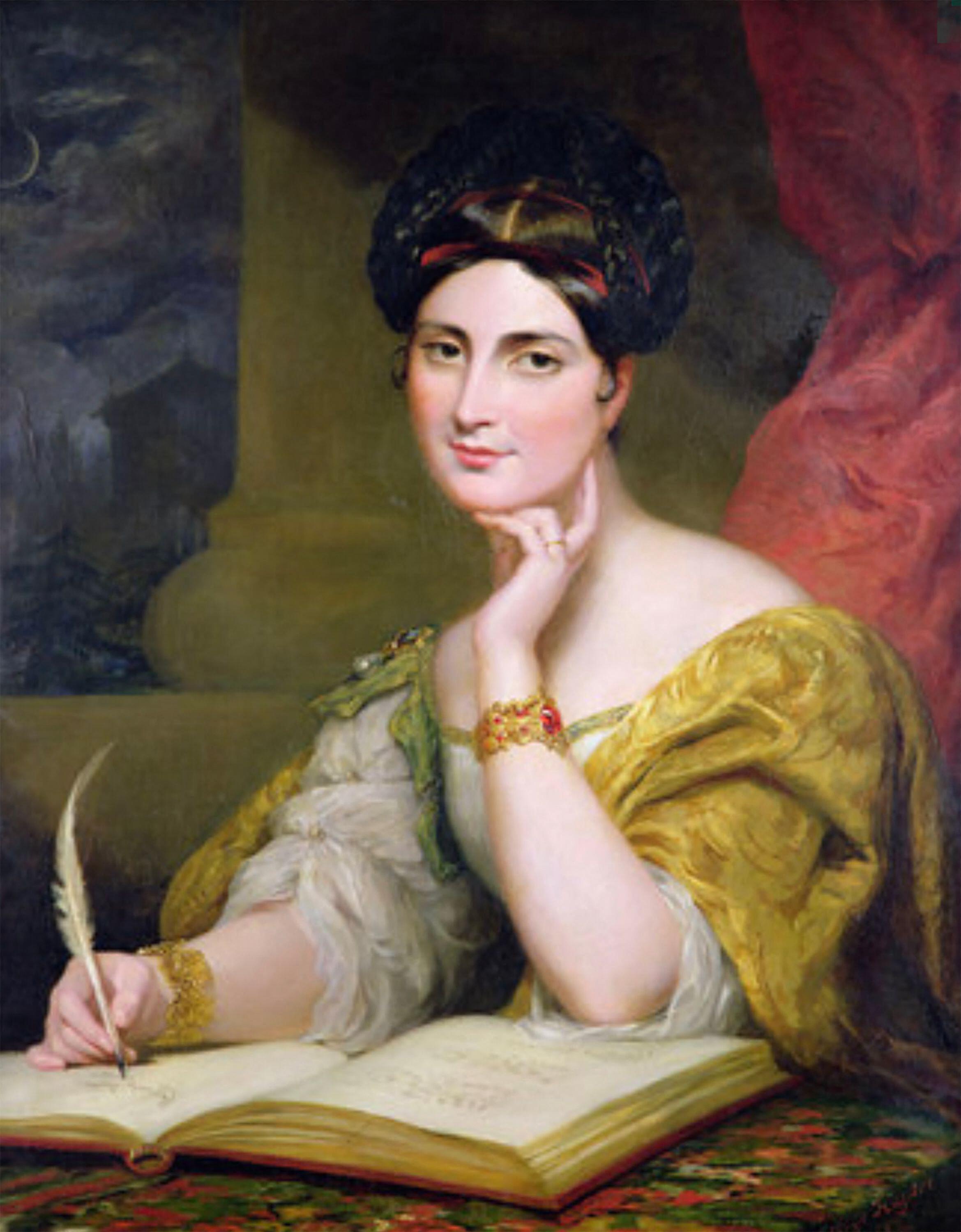
Caroline Norton was an English social reformer and author
ALAMY
So Norton embarked on a noisy public campaign, writing pamphlets and letters to the newspapers in which she argued eloquently that “my boys are three, five & seven years of age … at such a time they are only fit for the guardianship of a woman”.
In the end Norton won an extraordinary victory with the Custody of Infants Act 1839, which granted mothers the care of children under seven. She was indirectly instrumental too in the later Matrimonial Causes Act 1857, which made divorce more accessible while protecting wives’ financial rights. And yet, like many other women in this book, Norton was not what we today would call a feminist, declaring: “The natural position of woman is inferiority to man.”
• Inside the UK’s family courts: frustration, tears and long delays
This refusal of Norton to espouse principles that chime with modern times is a challenge for Feigel, who nonetheless remains admirably determined not to soften or simplify the past. That same confidence is on show in the way she deals with the spectacular selfishness of George Sand, the French novelist whom she crowns “the triumphant heroine of this book”.
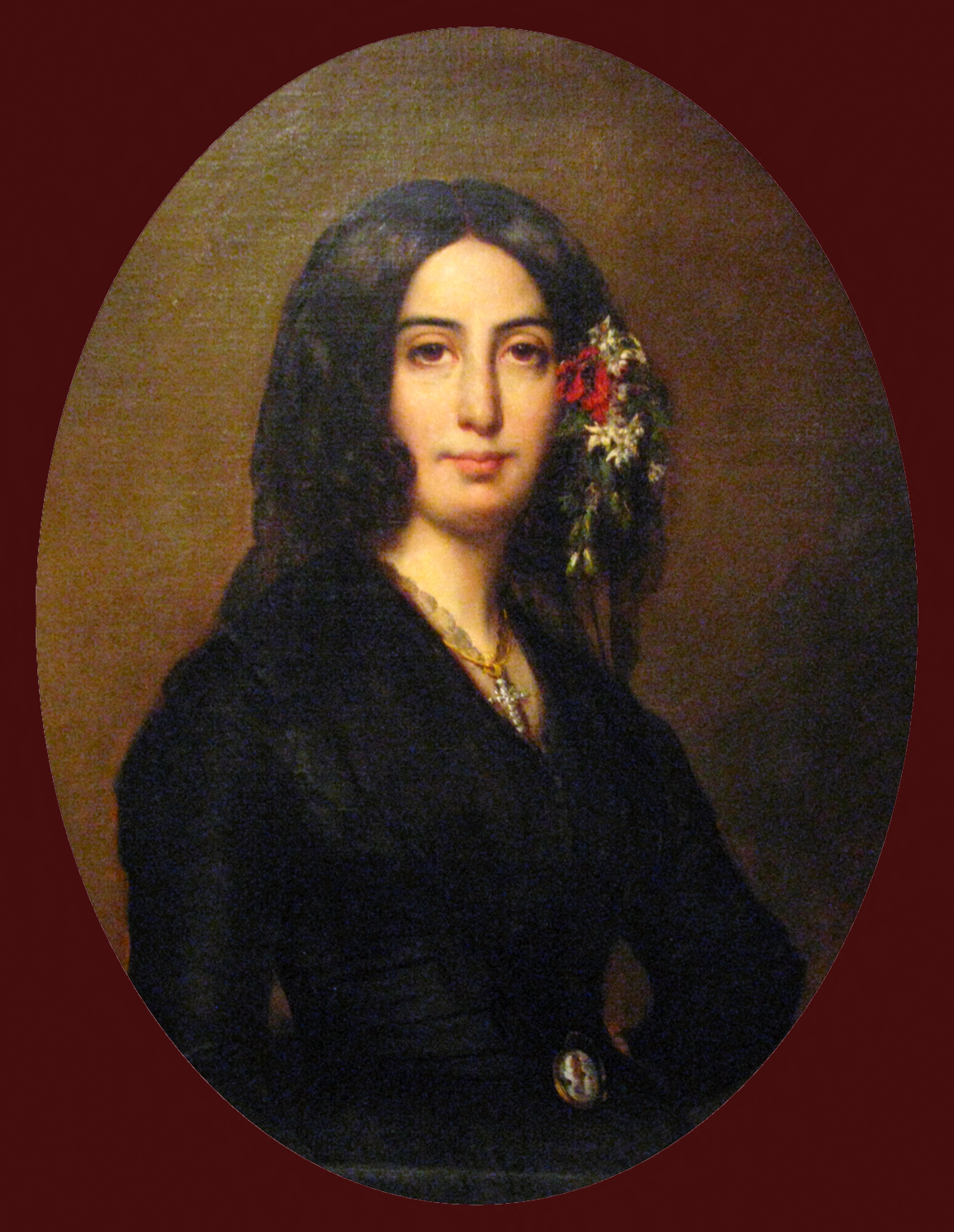
The French novelist George Sand
ALAMY
In 1835 Sand (real name: Amantine Lucile Aurore Dupin) was obliged to leave her two children behind when she fled her abusive husband. The subsequent court case dragged on for months, yet the moment Sand managed to retrieve her son and daughter, her first thought was to lecture them sternly on how much more painful the separation had been for her than for them.
To Feigel’s credit, she doesn’t shy away from Sand’s narcissism. Indeed, one of her central arguments is that unworkable custody laws have tended to turn mothers — and fathers — into self-obsessed monsters guaranteed to inflict maximum damage on the next generation. A case in point: when Sand sent seven-year-old Solange to boarding school to keep her safe from her father, she blithely characterised the child’s inevitable tantrums as “sinful” and quite possibly the work of “the devil”. The moment Solange turned 18, Sand married her off to a rich man who turned out to be a violent gambler. Despite all evidence to the contrary, Sand liked to weepily declaim that she had sacrificed everything for her ungrateful children.
• What changed when I had a baby? Around the world in four mothers’ stories
Other examples of intergenerational trauma follow thick and fast. In the 1970s Alice Walker, the author of the American classic The Color Purple, went out of her way to insulate her daughter, Rebecca, from the horrors of a custody battle. Walker and her ex-husband worked out an informal arrangement whereby Rebecca would stay for two years with her mother in California before spending the next two years with her father in New York, then returning to do another shift on the west coast.
It sounds eminently sane, but Rebecca was furious at having to yo-yo between a white suburban Jewish identity in New York and a black hippy life in San Francisco and feeling like she belonged in neither. Her rebellion took the form of a teenage pregnancy followed by years of resentment at the way her childhood had been clinically bisected for the convenience — and conscience — of her parents.
Many of the case histories that Feigel presents have been told multiple times, including those of the American Elizabeth Packard, who was confined by her husband to a lunatic asylum in 1860, and Frieda von Richthofen, who lost custody of her children when she eloped with DH Lawrence in 1912. Where Custody really bursts into new and terrible life is when Feigel sets out to reveal what goes on in today’s family courts.
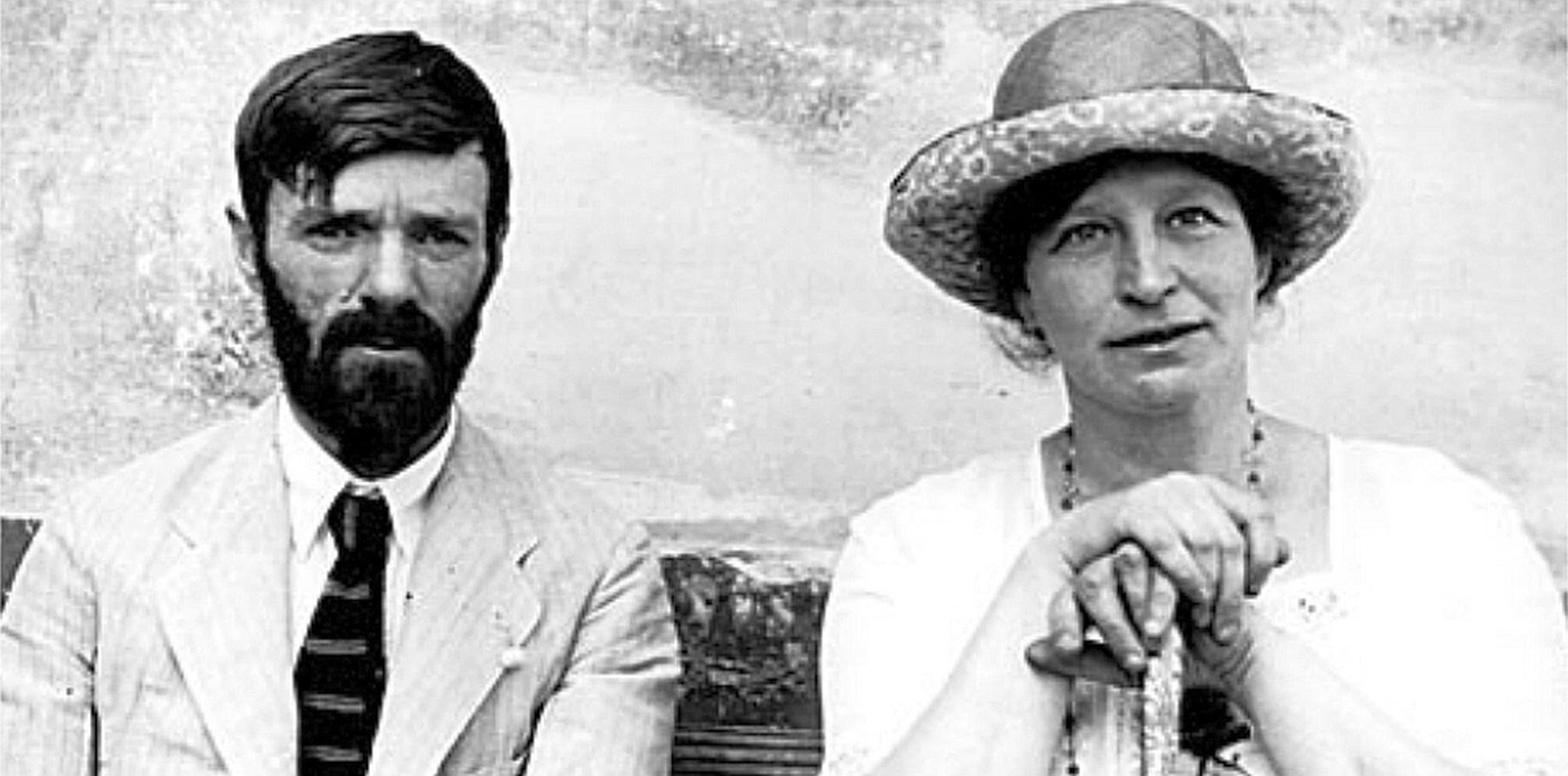
Frieda von Richthofen lost custody of her children when she eloped with DH Lawrence in 1912
ALAMY
Sitting in a series of soulless rooms with bad coffee and bucket chairs, she witnesses furious parents, confused children, bored barristers and exhausted social workers picking over the detritus of broken relationships. Claims and counter-claims about forgotten homework, a strangled rabbit, pyjamas, a solitary slap and endless therapy sessions are lobbed back and forth with increasing aggression. The easy assumption that mothers automatically get custody in these enlightened times is decimated here. Feigel breaks down the way in which a man’s ability to outspend his former wife on better barristers, better expert witnesses and better nursery schools can easily tip the judgment in his favour.
This switch of focus to modern times may seem jarring, but it allows Feigel to be explicit about her personal judgments in a way that breaks with academic convention. A more conventional study might not have included her assertion that Lawrence’s “failure to sympathise with Frieda as a mother” was “the most unforgivable act of his life”. Of the Nortons’ war of attrition, she confides that what “I find most painful is that George seems always to be preoccupied with punishing” whereas Caroline is “genuinely selfless”. Her point, perhaps, is that taking sides is baked into the custody process and will never resolve until we have a radical new way of dealing with disintegrating families. She believes courts need to listen more to the wishes of children.
• Read more radio and podcast reviews
In Custody’s penultimate chapter Feigel brings the past and the present, the written and the lived together in a spectacular set piece. One hot summer day she goes to meet the elderly Irish novelist Edna O’Brien at her home in Chelsea. O’Brien, who died in 2024 at the age of 93, fought a terrible legal battle with her husband in the early 1960s over custody of their two small boys, whom her husband declared would become “mother-smothered, emotionally sick homosexuals” if left to her. It was a story further sensationalised by O’Brien’s stunning beauty, Irish Catholicism and love affairs with famous men.

Edna O’Brien with her husband, Ernest Gébler, and their two children in 1961
Over peaches and honey and a bunch of roses called “Compassion”, Feigel gently interrogates the frail old lady on the most painful experience of her long life. O’Brien too went through the indignity of having her writing read out in court as evidence of maternal turpitude and, even now, burns at the exposure of it all. “I was mortified. It’s so easy to feel you have done something awful.”
The two women, although separated by 50 years, tearfully bond over their shared grief, trauma and guilt. And then, suddenly, the time for crying is over. O’Brien, momentarily fierce, tells Feigel: “Your children love you, that’s all that counts, to hell with their father.” It feels like an act of absolution, or perhaps anointment, a passing of the baton from one generation of heart-wounded mothers to the next.
Custody: The Secret History of Mothers by Lara Feigel (William Collins £25 pp432). To order a copy go to timesbookshop.co.uk. Free UK standard P&P on orders over £25. Special discount available for Times+ members