
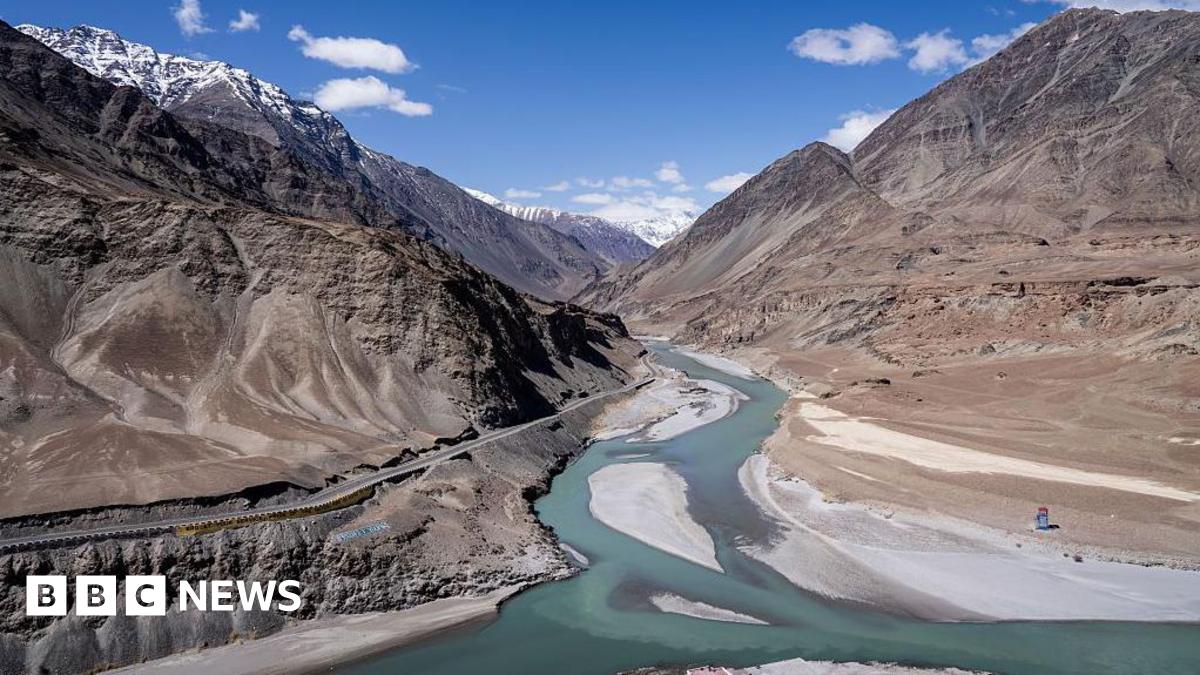
Most meteorologists cite weakening westerly disturbances – low-pressure systems from the Mediterranean carrying cold air – as a key reason for reduced rainfall and occasional snow during winter in northern India, Pakistan, and Nepal.
They say in the past, the westerly disturbances brought significant rain and snowfall during winter, which helped crops and replenished snow on the mountains.
Studies are mixed: some report changes in westerly disturbances, while others find no significant shift.
“However, we know that the change in winter precipitation must be related to westerly disturbances, since they are responsible for the majority of winter precipitation across the Himalayas,” said Hunt.
“We think two things are happening here: westerly disturbances are becoming weaker, and with less certainty, tracking slightly further northward. Both of these inhibit their ability to pick up moisture from the Arabian Sea, resulting in weaker precipitation,” he added.
The Indian weather department has labelled the westerly disturbance north India has experienced so far this winter as “feeble” because it could generate very nominal rainfall and snowfall.
Scientists may sooner or later find out what is behind the decrease in winter precipitation.
But what is already becoming clear is that the Himalayan region now faces a double trouble.
Just when it is rapidly losing its glaciers and icefields, it has also begun to get less snow. This combination, experts warn, will have huge consequences.
Follow BBC News India on Instagram, external, YouTube,, external X, external and Facebook, external.