
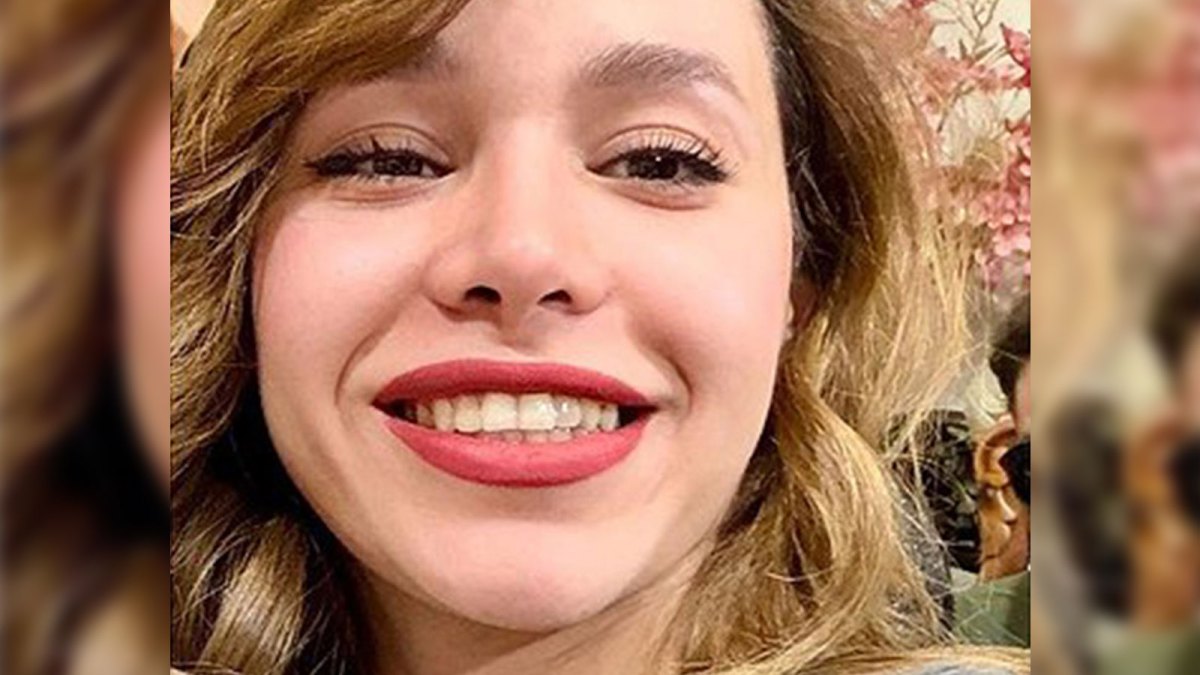
A fashion design student shot dead while protesting in Tehran is one of the few anti-regime demonstrators killed by regime forces to have been identified.
Rubina Aminian, 23, was identified by her family at a mortuary in the capital, about 500km from their home in Kermanshah, western Iran.
Aminian was shot in the back of the head by riot police under the command of the regime, according to Iran Human Rights (IHR), an organisation based in Oslo. The death toll is rising.
• Iran protests: follow live coverage
“It wasn’t just my daughter,” Aminian’s mother told IHR. “I saw hundreds of bodies with my own eyes.” She had to search for her daughter’s body among the other dead.
IHR claims that officials outside the family home in Kermanshah prevented them from burying Aminian in the city, so they had to bury her along the road to the nearby town of Kamyaran.
Aminian, who was studying textile and fashion design at Shariati University in Tehran, is one of about 200 people killed in a violent suppression of anti-regime protests nationwide, according to the US-based Human Rights Activists News Agency, which relies on activists in Iran cross-checking information. More than 2,500 people have been arrested since protests began on December 28.
Protests are expected to continue despite a government-orchestrated communications blackout, now in its fourth day, as officials attempt to stop co-ordination within the opposition and reduce global media coverage of the dissent.
On Sunday, Reza Pahlavi, the US-based son of Iran’s last shah, posted a video to X aimed at Iranians and calling on President Trump to help.
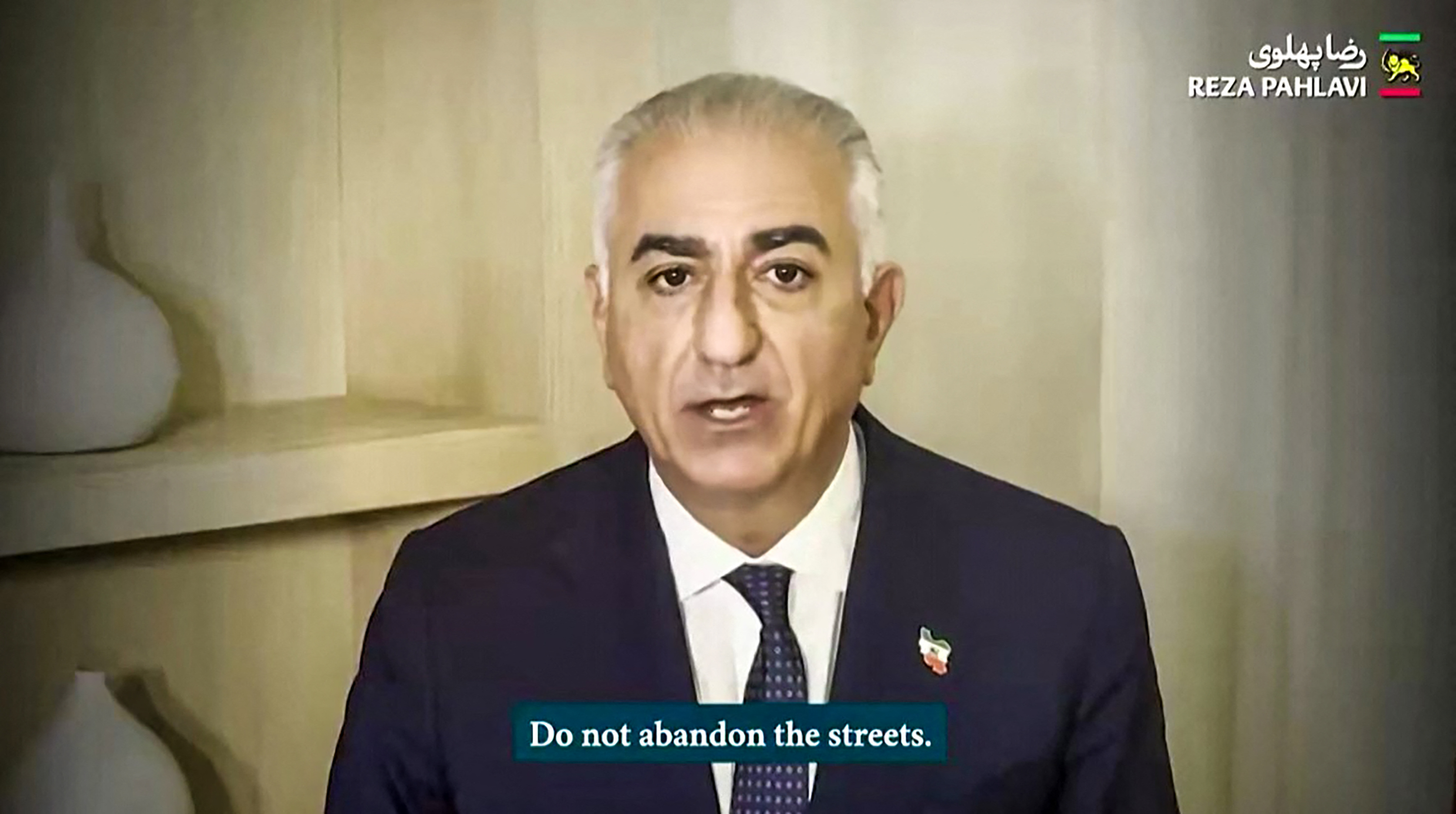
Reza Pahlavi
REZA PAHLAVI/AFP/GETTY IMAGES
“Your compatriots around the world are proudly shouting your voice … In particular, President Trump, as the leader of the free world, has carefully observed your indescribable bravery and has announced that he is ready to help you. I know that I will soon be by your side.”
Pahlavi continued to post similar message, praising the “courageous presence” of the protesters. Earlier in the week, he stated in an interview with Fox News that the regime was at its “weakest ever”.
While many exiled Iranians and some inside Iran support the return of the monarchy, others seek an immediate transition to democracy should the regime collapse.
• Will Ayatollah Khamenei step down? Iran protesters put him on the brink
“Not everyone wants a monarchy or accepts Prince Reza Shah,” Meir Javedanfar, an Iranian-Israeli academic and commentator, said. “Some say he is taking over the opposition movement, and that he’s not interested in sharing the leadership with others — there’s a lot of criticism of the monarchy.
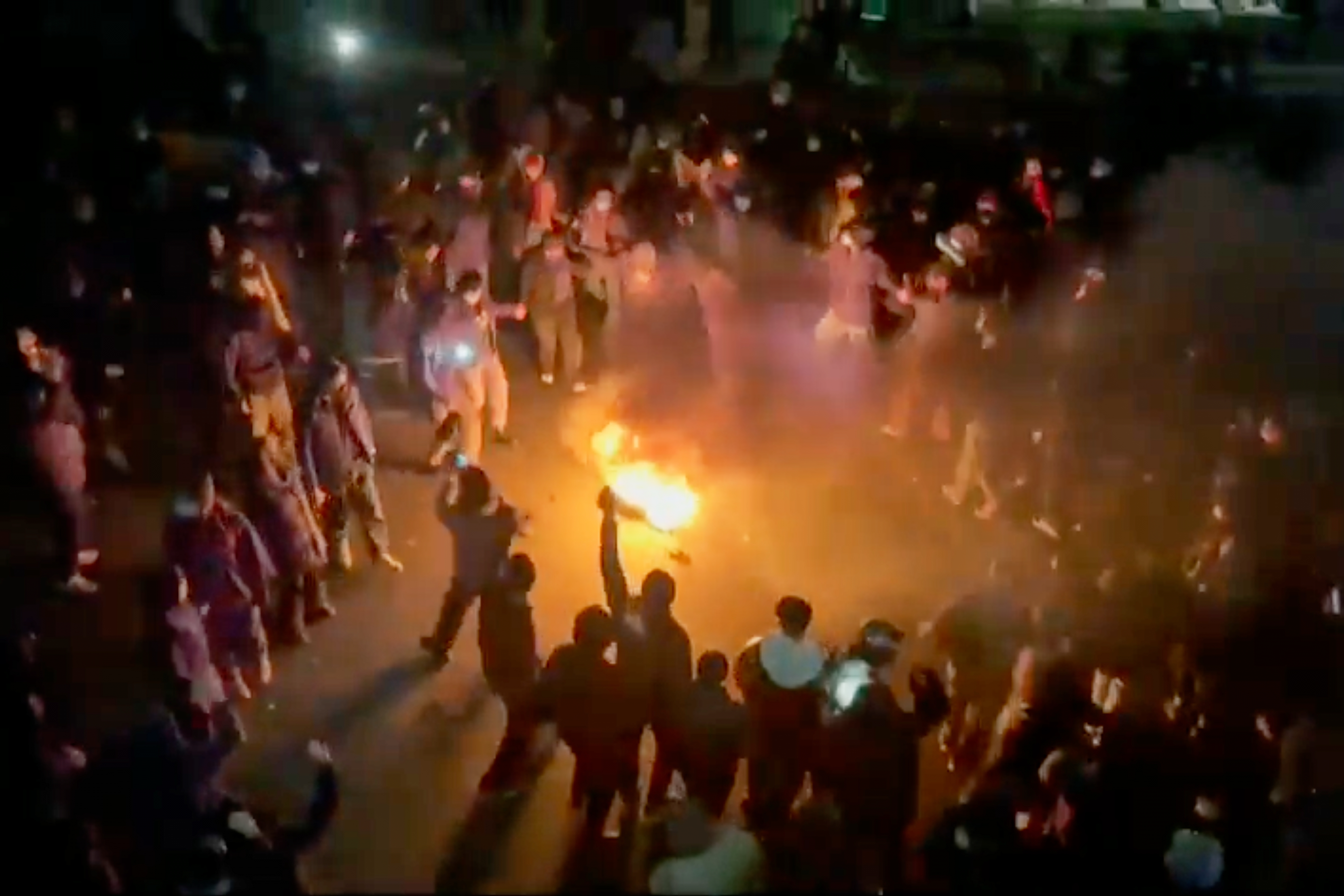
Protests in Tehran continue despite regime forces’ use of lethal force
UGC/AFP
“But for now, the focus is on seeing the regime gone. Then, we’ll see the debate and arguments between the opposition accentuated.”
Some inside Iran are awaiting possible intervention by the US after President Trump threatened to step in should the government continue to use lethal force against unarmed demonstrators. Iran said any intervention would incur retaliatory strikes against US military bases and its regional ally, Israel.
Binyamin Netanyahu, the Israeli prime minister, said his country was “closely following” developments in Iran. Officials said Israel was on high alert.
“We all hope that the Persian nation will soon be freed from the yoke of tyranny, and when that day comes, Israel and Iran will once again be loyal partners in building a future of prosperity and peace for both peoples,” Netanyahu said after his weekly cabinet meeting on Sunday, referring to relations before the Islamic Revolution of 1979, when the two countries were allied under the Pahlavi dynasty.
A shadow war between Israel and Iran escalated into open warfare last summer. Israel struck key assets linked to the regime and killed leaders of the Iranian Revolutionary Guard Corps and nuclear scientists. The war culminated in American airstrikes on Iranian nuclear facilities.