
Russia wants new planes—a perfectly normal requirement for a country with a thirst for air travel both domestically and globally. Hampered by Western sanctions, Russian airlines are no longer able to access new Airbus and  Boeing aircraft, nor spare parts to maintain their existing fleets. This tricky situation has driven several innovative solutions, including the manufacturing of unapproved spare parts locally.
Russia’s head has now turned towards Africa. Specifically, the country is eying Ethiopian Airlines, the continent’s leading airline in terms of fleet size and passengers carried. In a recent meeting with the Ethiopian Civil Aviation Authority (ECAA), Russian officials proposed a tit-for-tat trade deal, supposedly benefitting both parties. This included a possible wet-lease agreement for modern planes.
Shunned By The West, Russia Turns To Africa
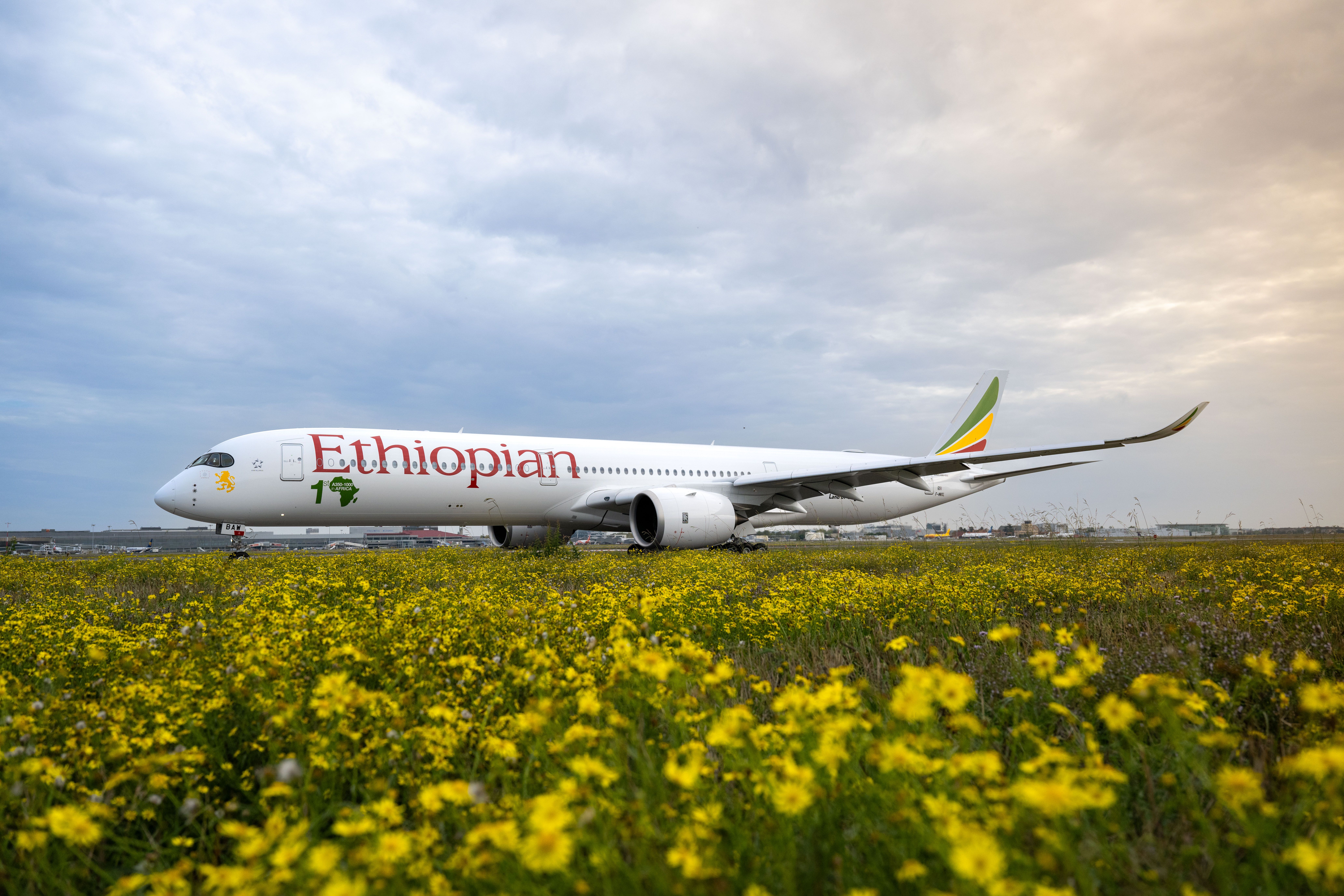
Photo: Airbus
In a meeting at the end of July, Russia’s Trade Commissioner in Ethiopia, Mr. Yaroslav Tarasyuk, met with the Ethiopian Civil Aviation Authority to discuss possible cooperation in the field of air transport management and more. Building on a recent Ethiopia-Russia Air Services Agreement that came into force last year, the two sides expressed an interest in expanding their bilateral collaboration in aviation. The latest meeting covered things like the:
Supply of aviation communication and surveillance equipment to Russia
Construction of an aircraft repair center in Addis Ababa
Wet-lease of Ethiopian Airlines aircraft
Details on the wet-lease agreement were not shared. In April this year, Russia announced that it would allow its airlines to wet-lease aircraft from foreign entities – meaning an agreement with Ethiopian Airlines is now viable.
Ethiopian Airlines operates a fleet of more than 120 active aircraft, according to ch-aviation data. This includes Boeing 787s, Airbus A350s, and Boeing 777s. The airline also holds orders for more than 60 planes. As Ethiopia continues to pave the path towards becoming “Africa’s Aviation Hub by 2033,” the ECAA has entered negotiations with international entities to foster cooperation and drive its growth. Aside from Russia, the ECAA also met with North Korean representatives in the last two weeks. Well-timed indeed, as Russia and North Korea just celebrated the first nonstop flight between their capitals.
Fleet Age & Maintenance Concerns
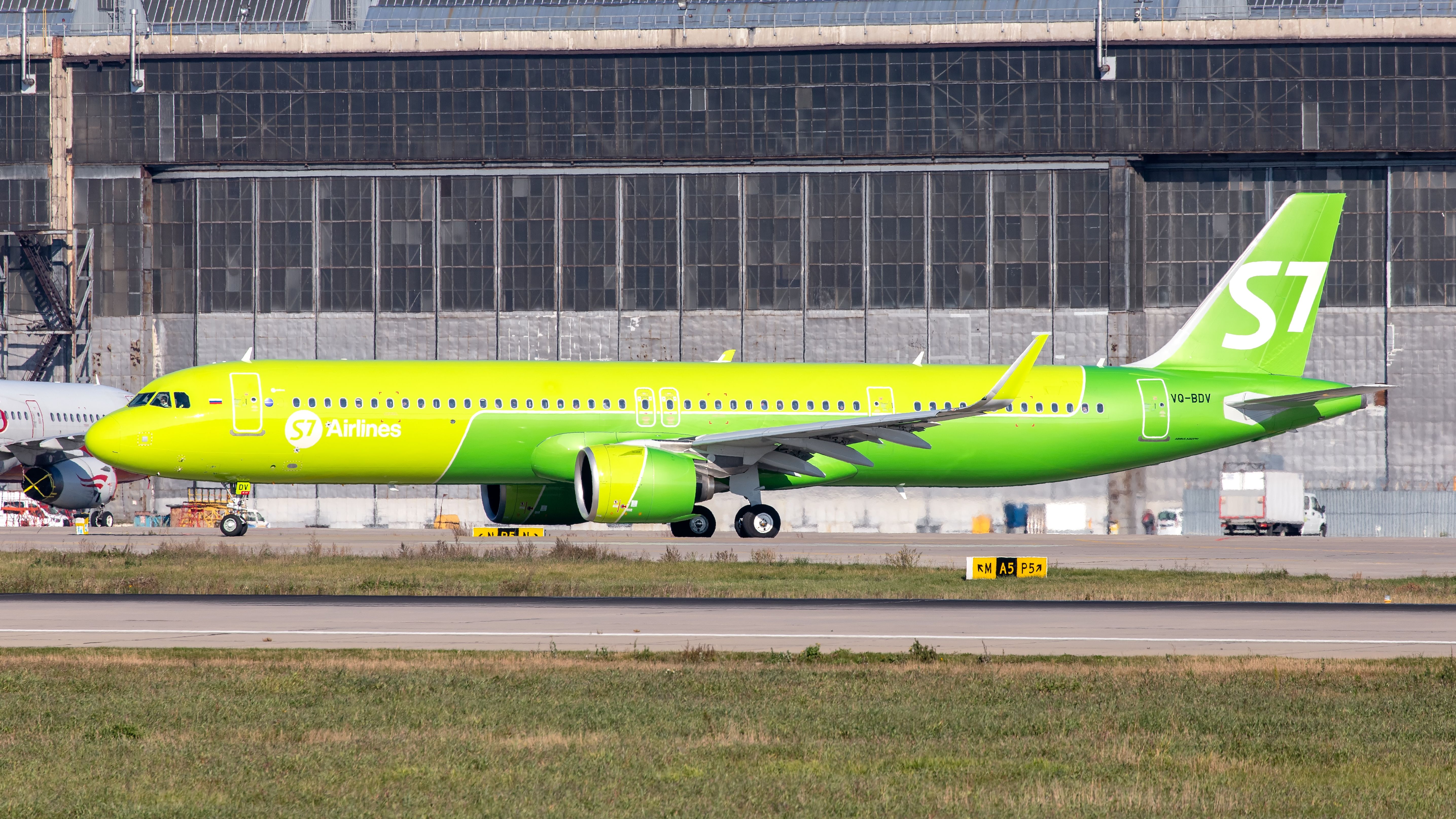
Photo: Telsek | Shutterstock
With no access to Western aircraft or parts, a lot of Russia’s airline fleet is grounded. The local industry is struggling, despite attempts to mitigate some of its problems through the creation of locally-made aircraft parts and the purchase of Russia-produced planes such as the MC-21. Last year, we reported that Aeroflot was buying five Boeing 737-800 freighters to scrap them for spare parts.
Concerns have been raised about Russia’s continued reliance on aging local planes in the absence of new Western-manufactured jets. On July 24, an Antonov An-24 aircraft (manufactured in 1976) crash-landed in far Eastern Russia, killing all 48 on board.
Growth plans for Russia’s airlines have been harshly stifled by a lack of access to Western markets. The United States and European Union constituted important segments for Russian and Western carriers alike. Now, Russia’s airlines are forced to shift their focus elsewhere, with significant growth in flights recorded domestically, in Asia, and in Africa, as I reported earlier today.
Russia’s Growing Influence Across The Continent
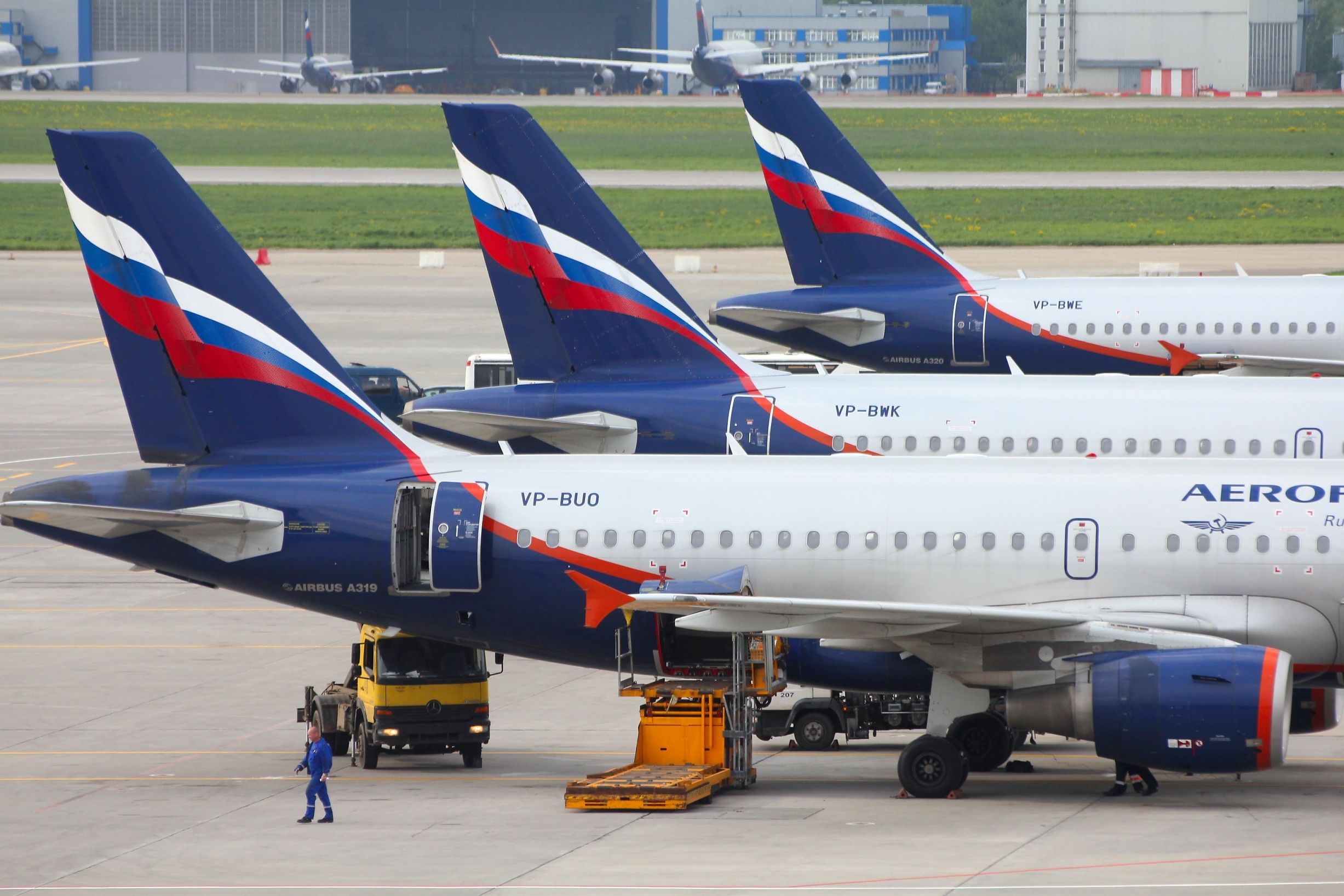
Photo: Tupungato | Shutterstock
Russia is growing its presence in Africa, characterizing both an interest in the region’s economic growth and geopolitical ambitions for more influence. Possible collaboration with Ethiopia could be seen as a move to help solidify the country’s position as a global power. China and Russia have expanded their reach across Africa through trade deals and other economic agreements. Russia’s bilateral trade with Ethiopia, for instance, is said to have increased by nearly 40% year-on-year during the first 10 months of 2024.
By turning to Africa for its own aviation industry, Russia hopes to take full advantage of its political influence. Ethiopian Airlines is one of the continent’s fastest-growing carriers and boasts a very modern fleet of Western-made jets. Plenty to offer, therefore, should the two parties reach an agreement to support Russia’s growing aviation needs.

Year Founded
1945
CEO
Mesfin Tasew Bekele