
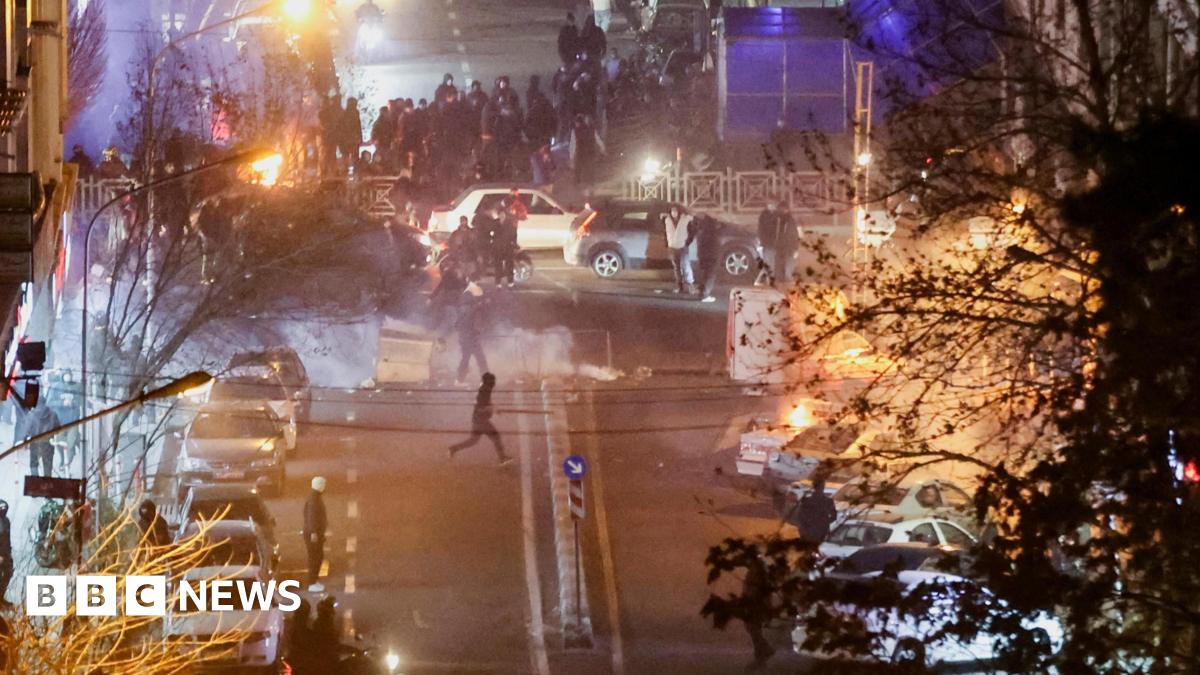
The seeming resilience of the internal security forces does not mean that the supreme leader or his lieutenants can or will relax. US President Donald Trump is still threatening to take action. The millions of Iranians who want the fall of the regime must be seething with resentment and anger.
In Tehran, the government and the supreme leader appear to be looking for ways to release some of the pressure they are facing. Bellicose official rhetoric is mixed with an offer to resume negotiations with the US.
It is hard to see how the two sides can make a deal over Iran’s nuclear plans and ballistic missile programme that have defeated earlier rounds of talks. But negotiations could buy time for Iran, especially if Trump can be convinced that a deal, however unlikely, is possible.
As part of his pressure campaign, Trump says that he will slap a 25% tariff on the goods of any country that does business with Iran. Again, it is hard to see how that might work. China buys most of Iran’s oil.
Trump and China’s President Xi Jinping agreed a truce in their trade war last autumn, with a summit due to be held in Beijing in April. The summit will deal the biggest issues facing the world’s two superpowers. Would Trump want to jeopardise or disrupt the summit simply to keep up pressure on Iran?
In Tehran the biggest priority for the ageing Supreme Leader Ayatollah Khamenei is to preserve the Islamic Republic’s system of rule. More eruptions of protest can expect a severe response.
An advantage for the regime is lack of coherent leadership among protesters. The eldest son of the Shah deposed by the revolution almost half a century ago has been trying to be the leader they lack. His appeal seems to be limited by his family’s history and his close links with Israel.