

Listen to this article
Estimated 4 minutes
The audio version of this article is generated by AI-based technology. Mispronunciations can occur. We are working with our partners to continually review and improve the results.
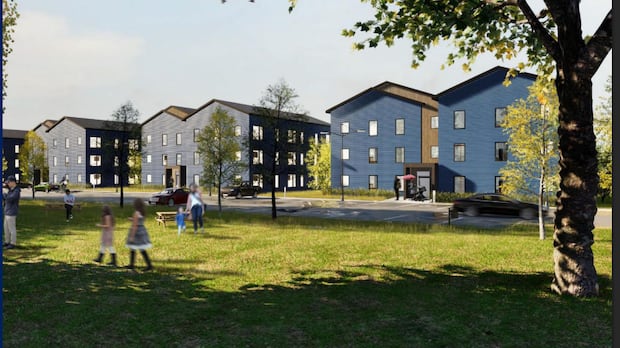
Saint John councillors have given initial approval to a 72-unit affordable housing project for the Crescent Valley area in the city’s north end.
The development is being led by a non-profit called Atlantic Community Housing Ltd.
“These are not high-end, fancy buildings,” Erik de Jong, the group’s president, told councillors Monday night at their first meeting of the year.
“These are small apartments designed for affordability from the initial concept. This would be an important development for us as a non-profit and we hope an important piece of housing in Saint John as well.”
One of the biggest challenges for the non-profit has been to find land suitable for this kind of housing, de Jong said.
The units would be spread across four buildings on what is now a vacant baseball field, formerly known as the Anglin Street ball diamond.
The city declared the land surplus in November 2024.
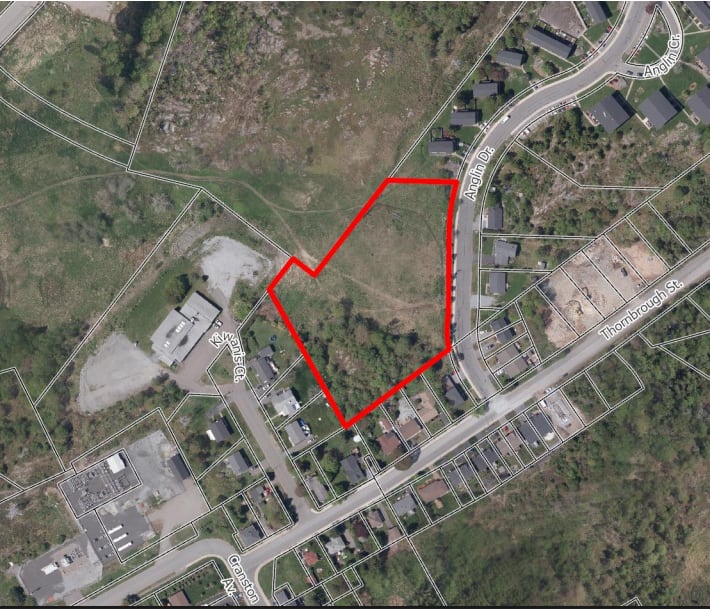 The new apartments would be built on land that used to be a baseball field and was declared surplus by council in 2024. (City of Saint John)
Council gave the plan first and second reading during the public hearing portion of its meeting Monday. Public hearings give residents a chance to speak on a rezoning application before councillors vote.
No one spoke against the Crescent Valley project.
The three-floor walkup buildings would be a mixture of one and two-bedroom apartments. Two apartments in each building would be accessible units, according to planning documents given to council.
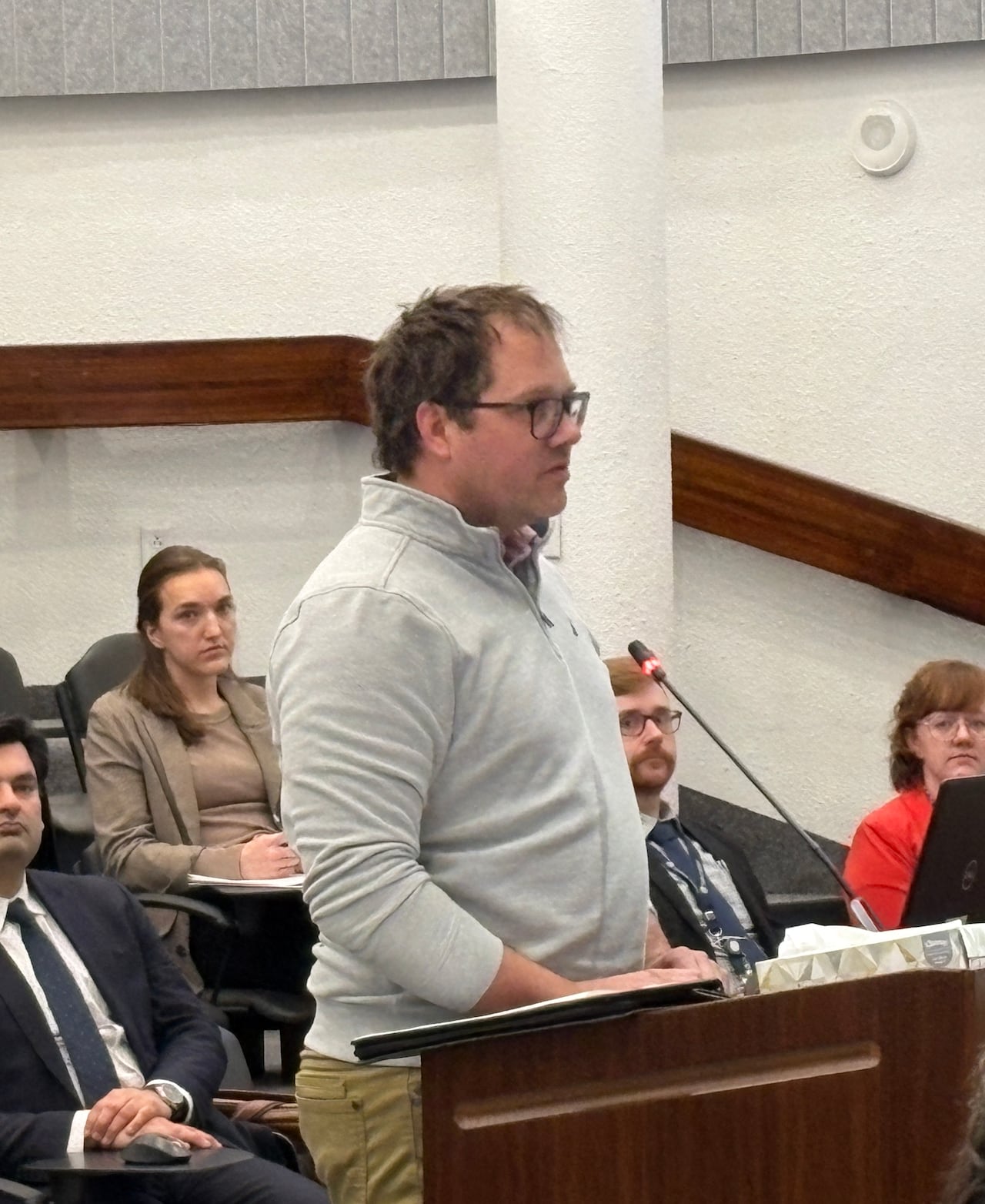 Erik de Jong, president of Atlantic Community Housing Ltd., says the north end development would be designed ‘from the ground up’ to be affordable and energy-efficient. (Nipun Tiwari/CBC)
The buildings will not have common indoor areas.
“We’re designing to be energy-efficient and very comfortable,” de Jong told reporters after the meeting. “These would be nice, clean apartments, but they’re not large or luxurious.
“These are places for people to live, and by reducing some of the common space it reduces our cost.”
Construction of the building would be modular, meaning the units would be built in a factory before being transported to the site and added to the foundation.
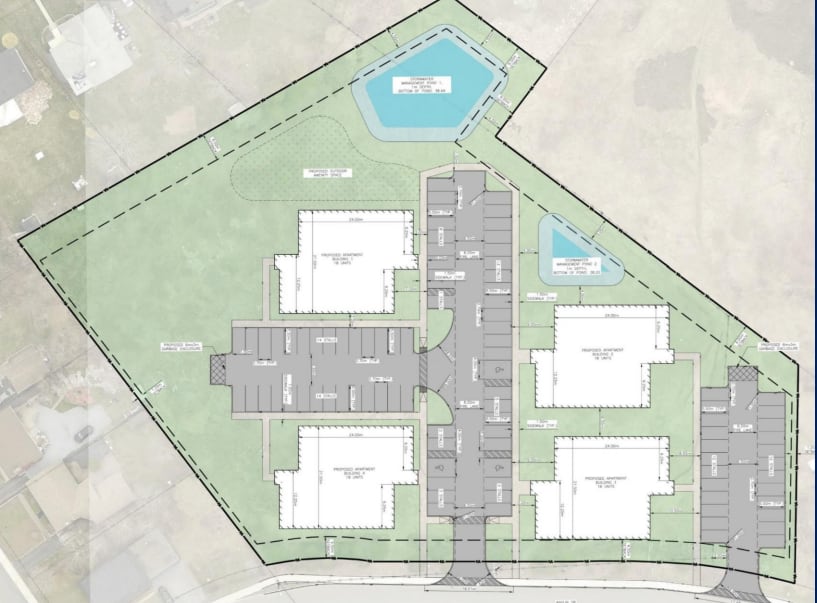 The four walkup buildings will be a mixture of one and two-bedroom apartments. Two apartments in each of the three-storey buildings will be earmarked as accessible, according to planning documents. (City of Saint John)
The finished project, according to staff reports, would include sidewalks connecting the buildings, “outdoor amenity space” and areas for snow removal.
While no one opposed to the plan spoke in front of council, council’s information did include a letter from a resident who said the street wouldn’t be able to support the additional traffic brought on by the development.
The letter also expressed concerns about construction noise.
De Jong said he heard similar concerns while informing nearby residents of the development, and efforts are being made to keep noise to a minimum.
The plan calls for construction to start this year and finish in 2027.
De Jong said rents in the project would follow the Canada Mortgage and Housing Corporation’s definition of affordability, which is less than 30 per cent of a household’s pre-tax income. He said the aim is to make the units as affordable as possible while balancing costs of maintaining the properties.
Coun. Paula Radwan said she was happy to see plans for more accessible units in the project than what is required. The province requires new apartment buildings have one barrier-free accessible suite for every 20 suites in the building. This project will have eight.
“So thank you for that because it’s very much needed,” Radwan said.
De Jong said the project would cost about $12 million to $15 million, but the range is variable and would depend on how construction and other costs fluctuate.
He said his organization is trying to secure financing from New Brunswick Housing, the New Brunswick Regional Development Corporation and Canada Mortgage and Housing.
“This is the first piece of the puzzle of putting the whole development together — making sure we have land secured,” he said, referring to the Monday council vote.
The project still needs councillors to give it third reading before it has a full green light.