

Listen to this article
Estimated 4 minutes
The audio version of this article is generated by AI-based technology. Mispronunciations can occur. We are working with our partners to continually review and improve the results.
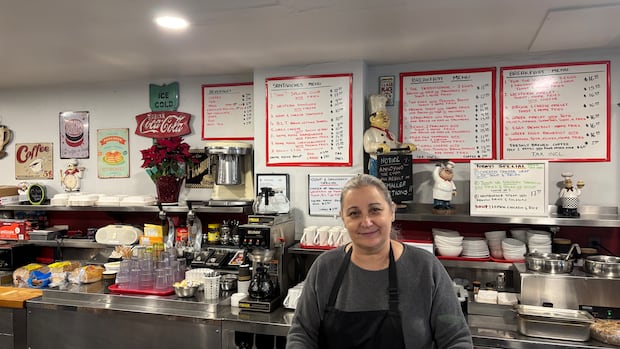
Before the sun rises and the first customers arrive, Dora Rzeszutek unlocks the front door of B & B Snack Bar restaurant in London’s Woodfield neighbourhood.
The 32-year employee, and now owner of the diner, used to have staff open in the mornings. Now, to save money, she does it alone, putting on coffee and checking grocery flyers to see where coffee, bacon or eggs might be cheapest that week.
“It’s surviving times,” Rzeszutek said, noting the ways rising and unpredictable food prices have forced her to make changes she never imagined, including cutting staff hours, working longer days herself, and shopping across the city to chase deals.
She’s not alone.
Across Canada, restaurant owners are grappling with rising food costs that have reshaped the economics of running a small business.
According to Statistics Canada, the Consumer Price Index for food purchased from restaurants reached a record high in 2024, with prices continuing to climb into late 2025.
But while national data tracks averages, local owners say it doesn’t reflect the day-to-day reality of running a kitchen.
The cost of staying affordable
B & B Snack Bar restaurant has been a staple in London since 1953, serving breakfast and lunch. This is the first time Rzeszutek has had to buy ingredients wherever they’re cheapest that week.
“I really have to go to many, many different places and buy one thing here and everything over there,” she says. “You have to look at the flyers and specials in the stores and then buy when it’s on sale.”
That extra effort adds transportation costs to an already tight budget.
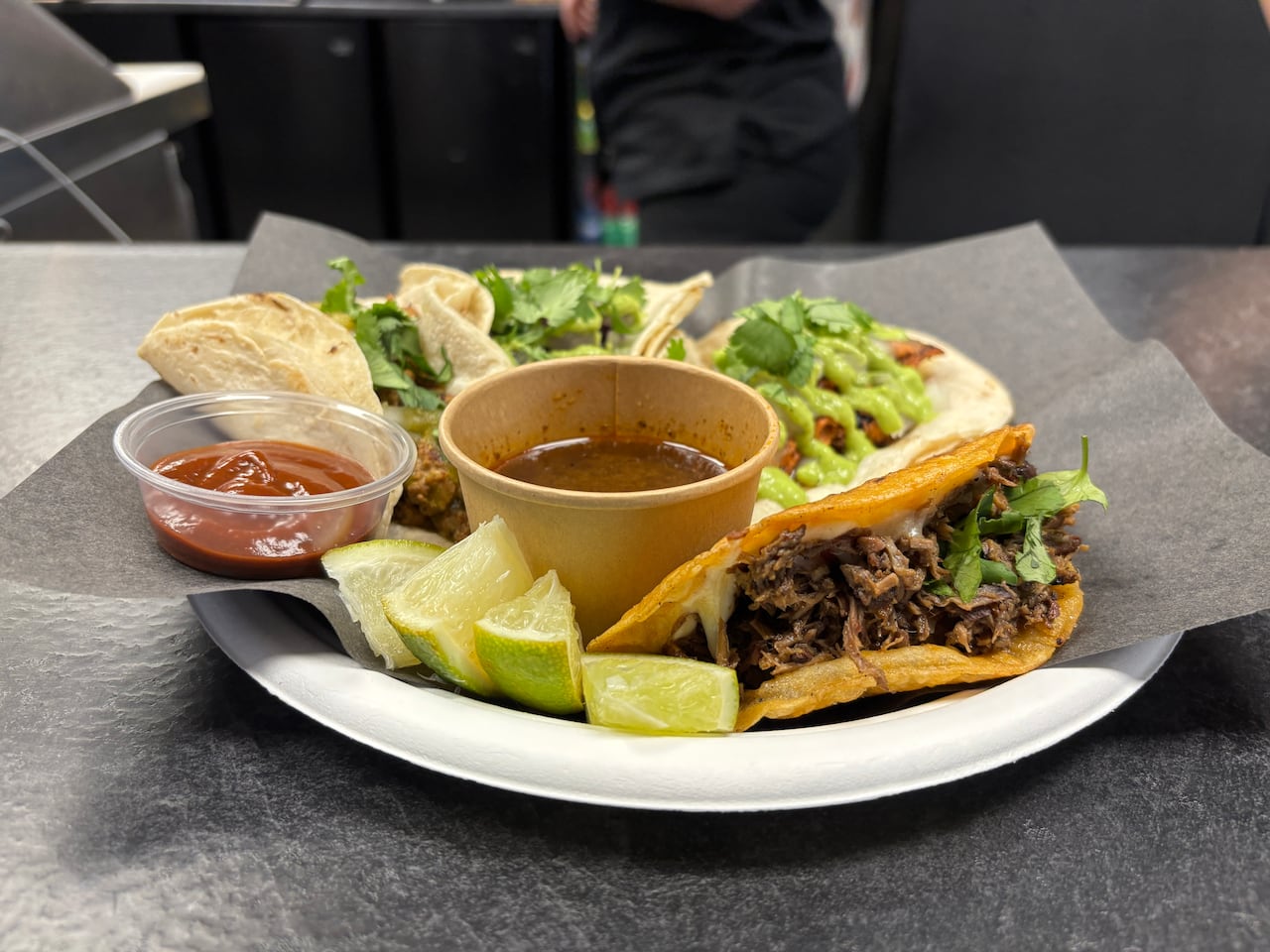 Some of the tacos available at Grill 23 rely heavily on meats like brisket and chicken — ingredients owner Gerry Rozo says have seen some of the steepest price increases. (Josiane N’tchoreret-Mbiamany/CBC)
Gerry Rozo, owner of Grill 23 in the downtown Talbot Centre Mall, cooks with a lot of meat, including beef that’s seen prices spike this past year.
“As restaurant owners, you always want to hit that target of 25 per cent for food cost out of your total sales,” Rozo says. He adds that if your recipes are standardized and prices move a little its manageable.
But those fluctuations, he says, have grown far more extreme.
“Our food costs used to be nice and tight at 25 per cent or under,” he says. “Now we’re seeing 35, sometimes 40 per cent. And when you try to put a plan in place, the price fluctuates again.”
‘Every week is a gamble’
David Roth, owner of Frank and Furter’s Restaurant and Bar, lagrees that the hardest part isn’t just higher prices — it’s how unpredictable they’ve become.
 David Roth, owner of Frank and Furter’s Restaurant and Bar, says frequent supplier price changes mean menu updates can become outdated within weeks — a challenge many customers don’t see. (Josiane N’tchoreret-Mbiamany/CBC)
“We have to do menu price adjustments every four months now,” he said. “And even then, I’m posting a new menu next week, and the prices have already changed from what I had my basis points on a week ago. So it’s all a gamble.”
Roth said those increases are often misunderstood by customers.
“They don’t see what’s happening behind the scenes,” he explains. “We are in the middle.”
Where do you cut next?
Most restaurant owners say raising prices is a last resort, one that risks driving customers away when many are already struggling. Some are turning to cutting staff hours, and doing more themselves.
“One worker used to work seven or eight hours,” Rzeszutek said. “Now it’s three or four. Another worked four days. Now it’s only two.”
Rozo said the decision to cut hours weighs heavily on his mind also, because he wants to take care of the people who help him run his business.
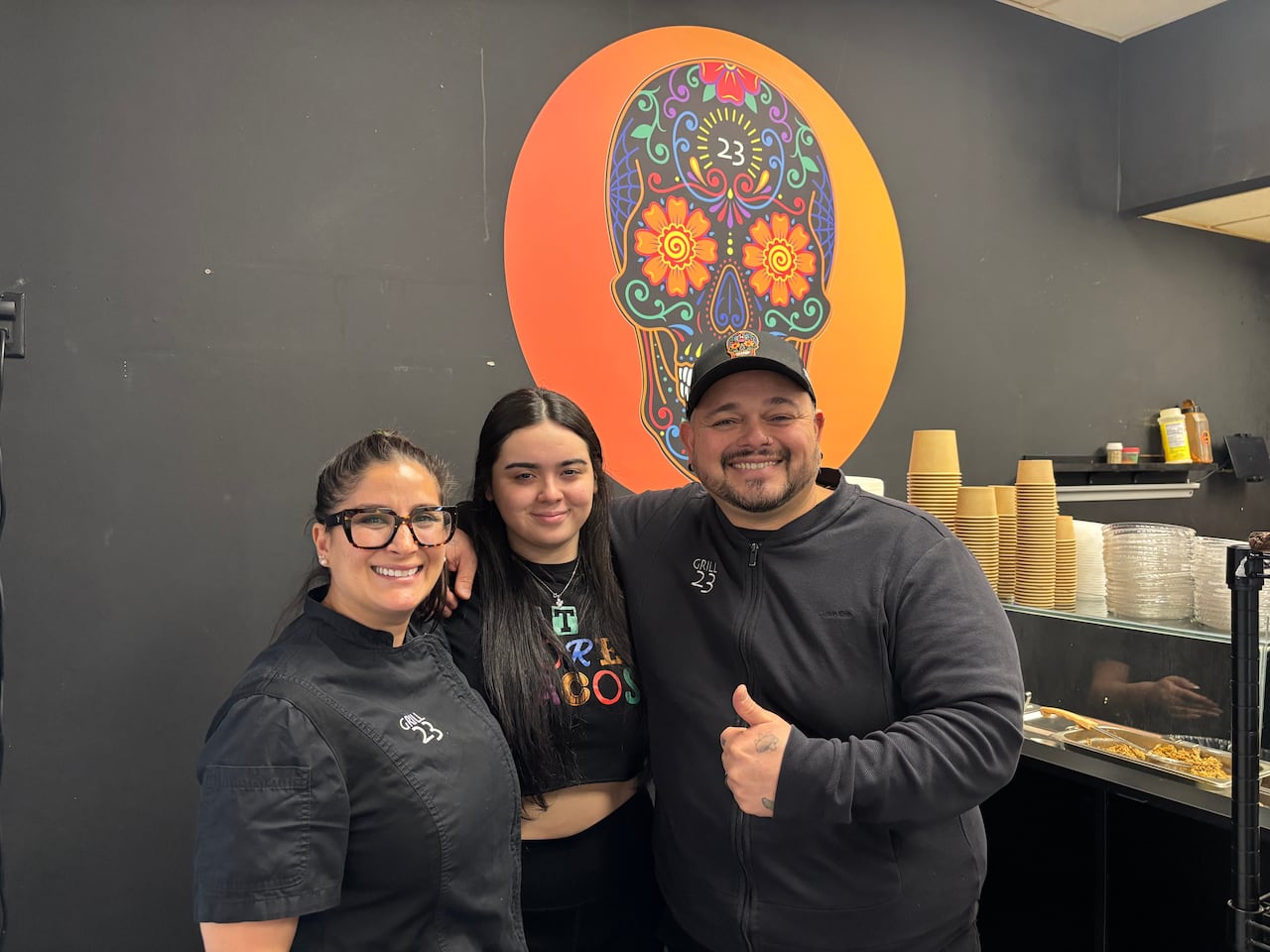 Gerry Rozo (right) stands with his employees inside Grill 23. Rozo says when food costs rise faster than revenue, owners often absorb the financial hit themselves to avoid deeper cuts to staff. (Josiane N’tchoreret-Mbiamany/CBC)
Rzeszutek said she knows times are tough for everyone, but hopes customers will continue to support local restaurants.
“I read a lot that a lot of restaurants are going to close because of hard times,” she said. “I hope not — because people need to go out and socialize.”
“Together we will survive, and we will see better days ahead.”
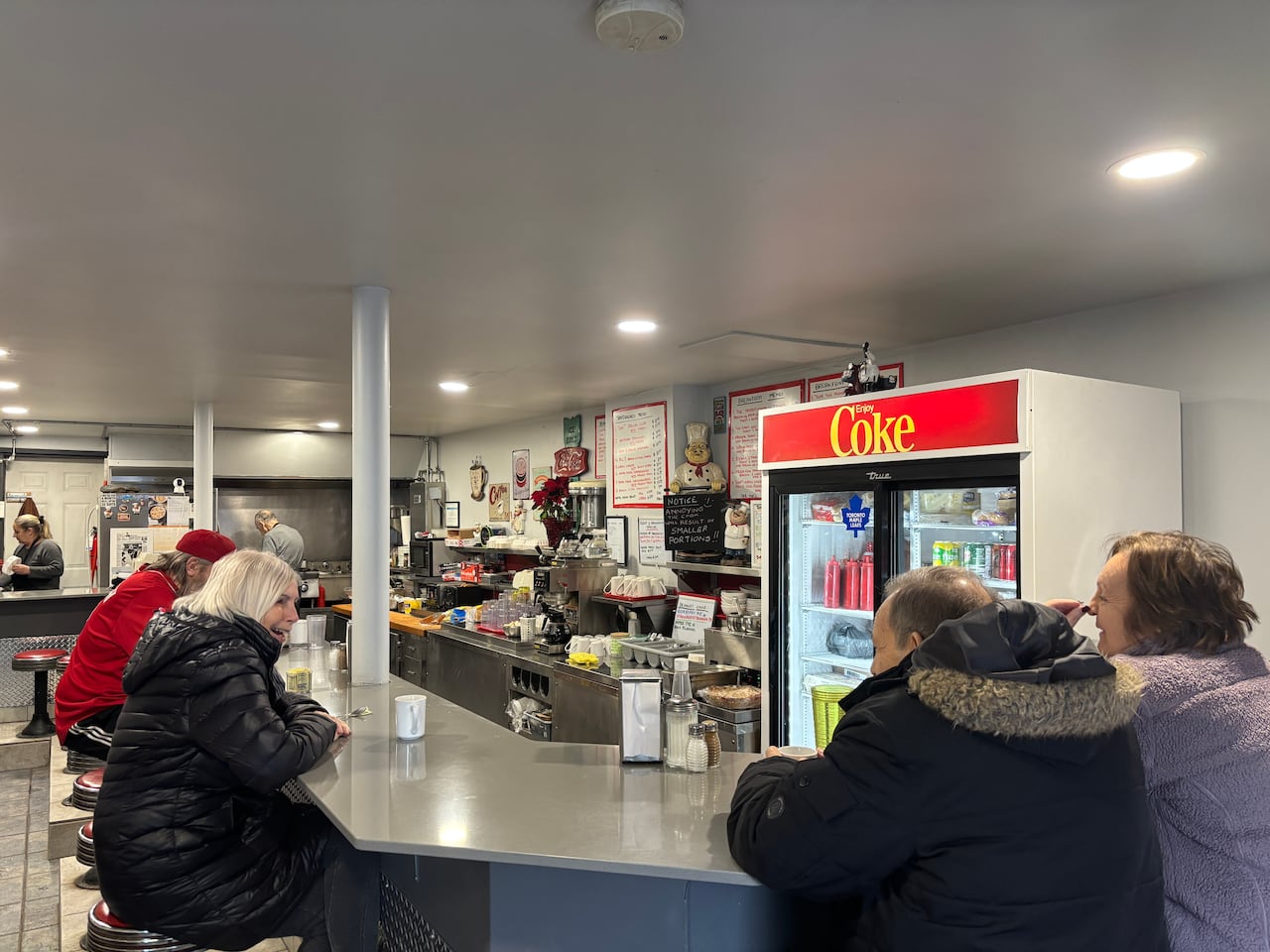 Regular customers gather at the counter inside the B & B Snack Bar. Rzeszutek says the diner functions as a daily social hub for many locals — a role she fears could disappear if small restaurants continue to close. (Josiane N’tchoreret-Mbiamany/CBC)