

Listen to this article
Estimated 3 minutes
The audio version of this article is generated by AI-based technology. Mispronunciations can occur. We are working with our partners to continually review and improve the results.
If you’ve ever wondered whether your dog-loving neighbours are particularly bad about not picking up after their pet, new City of Vancouver data is shedding light on which neighbourhoods get the most dog waste-related complaints.
The city shared data with CBC News that shows over 600 complaints to the city’s 311 non-emergency line about dog poop not being picked up between 2018 and 2025 — peaking during the pandemic, but dropping to 52 complaints last year.
According to the data, the densely-populated downtown neighbourhood saw the most complaints over dog poop not being picked up between 2023 and 2025 — with Victoria-Fraserview coming in behind that.
Kim Rosenmayer, the public engagement co-ordinator for the city’s animal services team, said that there was a correlation between population density and dog poop complaints.
She also ran the numbers and found that there was a significant overlap with neighbourhoods that have a large amount of complaints regarding off-leash dogs and complaints regarding dog poop not being picked up.
“Seven of those of those neighbourhoods [with dog poop complaints] are also on the top ten list for off-leash dogs,” she told CBC’s On The Coast.
Rosenmayer said it’s likely that pet owners aren’t leaving dog poop out on purpose.
“If your dog’s running around off leash and you just look away … your dog can do a sneaky-little poop somewhere and you won’t even notice it,” she said.
WATCH | Rosenmayer breaks down the numbers: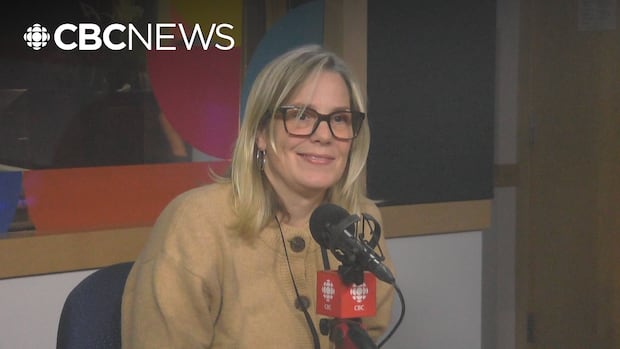
Data reveals the Vancouver neighbourhoods with the most dog poop complaints
Kim Rosenmayer, the public engagement co-ordinator for the City of Vancouver’s animal services team, breaks down how many complaints the city gets about dog poop and what you can do to prevent waste.
In her experience, she says pet owners that she’s notified about not picking up dog poop often do so immediately — and that the city is encouraging pet owners to be more diligent about leashing their dogs.
“Maybe down the road we could look at … some other communications more directly targeted to picking up waste,” she said.
“They’ve done some great stuff in the UK, some behavior change campaigns, where they had this funny thing called, ‘There’s no such thing as the Poo Fairy,’ which speaks to people.”
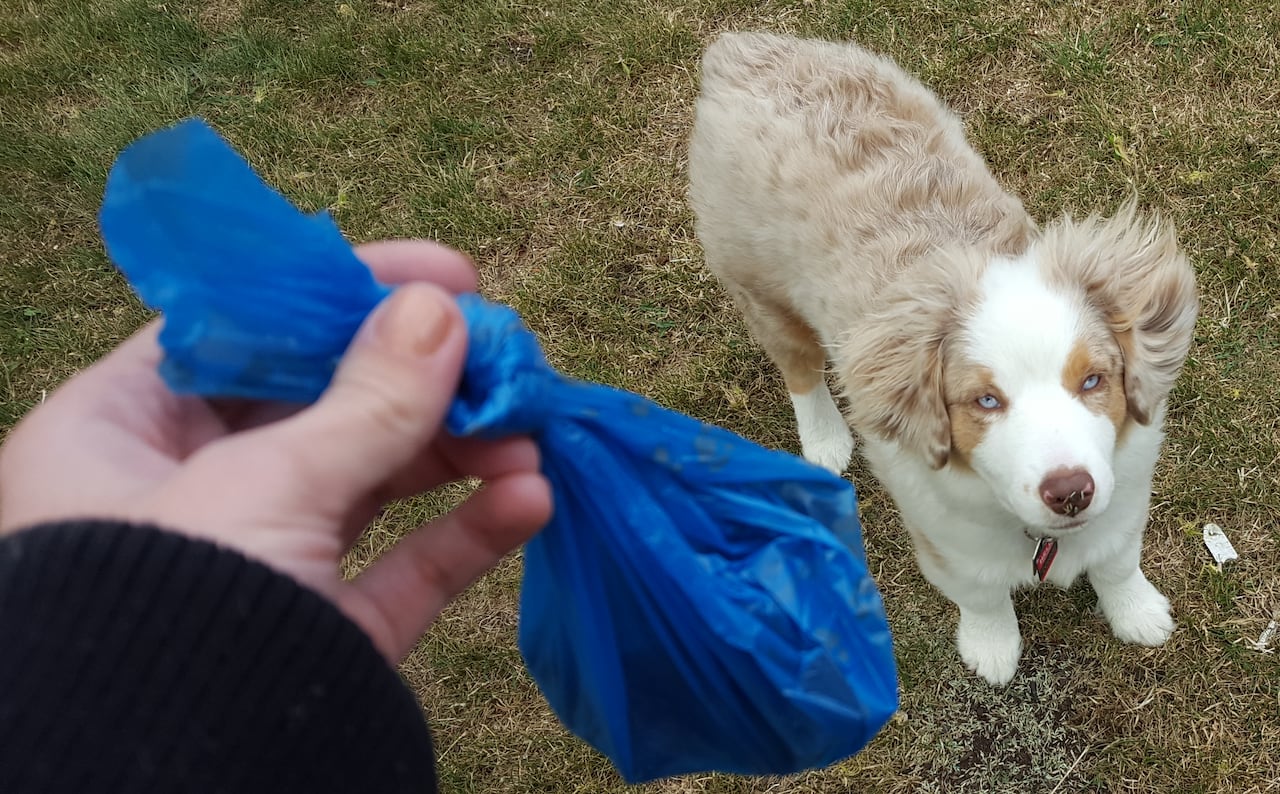 Dog owners are encouraged to use dedicated dog poop bins and attempt to keep dog waste out of the landfill, if possible. (Sarah Lawrynuik/CBC)
Rosenmayer says that not picking up after your dog is unsightly, gross and a public health concern.
She says that dog poop can contain parasites like hookworm and roundworm, which are contagious and can affect humans and other animals.
“It’s not fertilizer. Far from it. And in fact, those parasites can persist in the soil for weeks or even months,” she said.
Metro Vancouver, which handles solid waste processing on a regional level, is encouraging residents to compost their dog poop or flush it without the bag, if possible.
“Pet waste is listed as prohibited from the region’s garbage, but small amounts are accepted preferably double-bagged and put in the next pick-up,” the regional district says.
“We want to limit the amount of dog waste going to the landfill. It’s potentially hazardous to staff and it also produces methane, a powerful [greenhouse] gas.”