
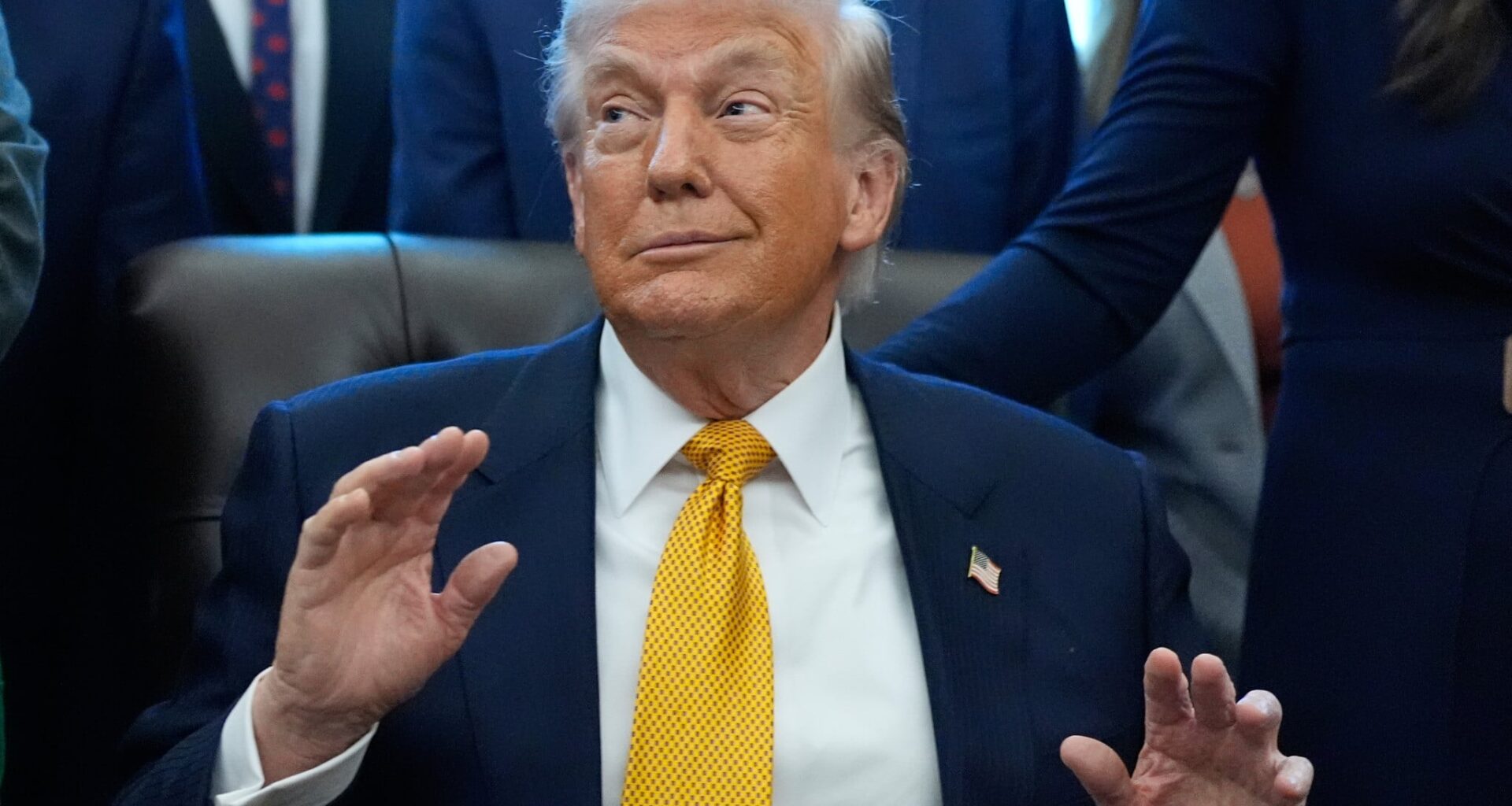
A pair of US officials expressed significant optimism about the chances for stabilizing Gaza, during a Wednesday briefing held shortly after Washington announced the start of a new phase of President Donald Trump’s plan to end the war in the coastal enclave.
“For the first time in Gaza in almost a long time, there’s no Palestinian Authority and there’s no Hamas governing it. This really has the potential to be the beginning of a new era,” one of the US officials said, speaking to a group of reporters on condition of anonymity.
Hours earlier, Egypt announced the establishment of a transitional Palestinian technocratic committee that will be tasked with running daily affairs in the Gaza Strip in place of Hamas. It is one of several bodies that the US is establishing as part of the second phase of Trump’s plan, after a phase one ceasefire was inked on October 9.
Since then, intensive Israeli military operations in the Strip have largely halted; the IDF withdrew to a new demarcation known as the Yellow Line, leaving it in control of roughly 53% of Gaza; all 20 living Israeli hostages were returned in exchange for nearly 2,000 Palestinian prisoners; 27 of the 28 bodies of deceased Israeli hostages have also been handed over; and a surge of aid has entered the enclave, alleviating an ongoing humanitarian crisis as winter peaks.
While Trump within days of the October ceasefire declared that phase two of his plan had already begun, the US struggled to make that announcement a reality amid mutual allegations of ceasefire violations, and widespread skepticism that Hamas will agree to disarm or that Israel will agree to further withdraw from the Strip as envisioned by Trump’s plan.
Get The Times of Israel’s Daily Edition
by email and never miss our top stories
By signing up, you agree to the terms
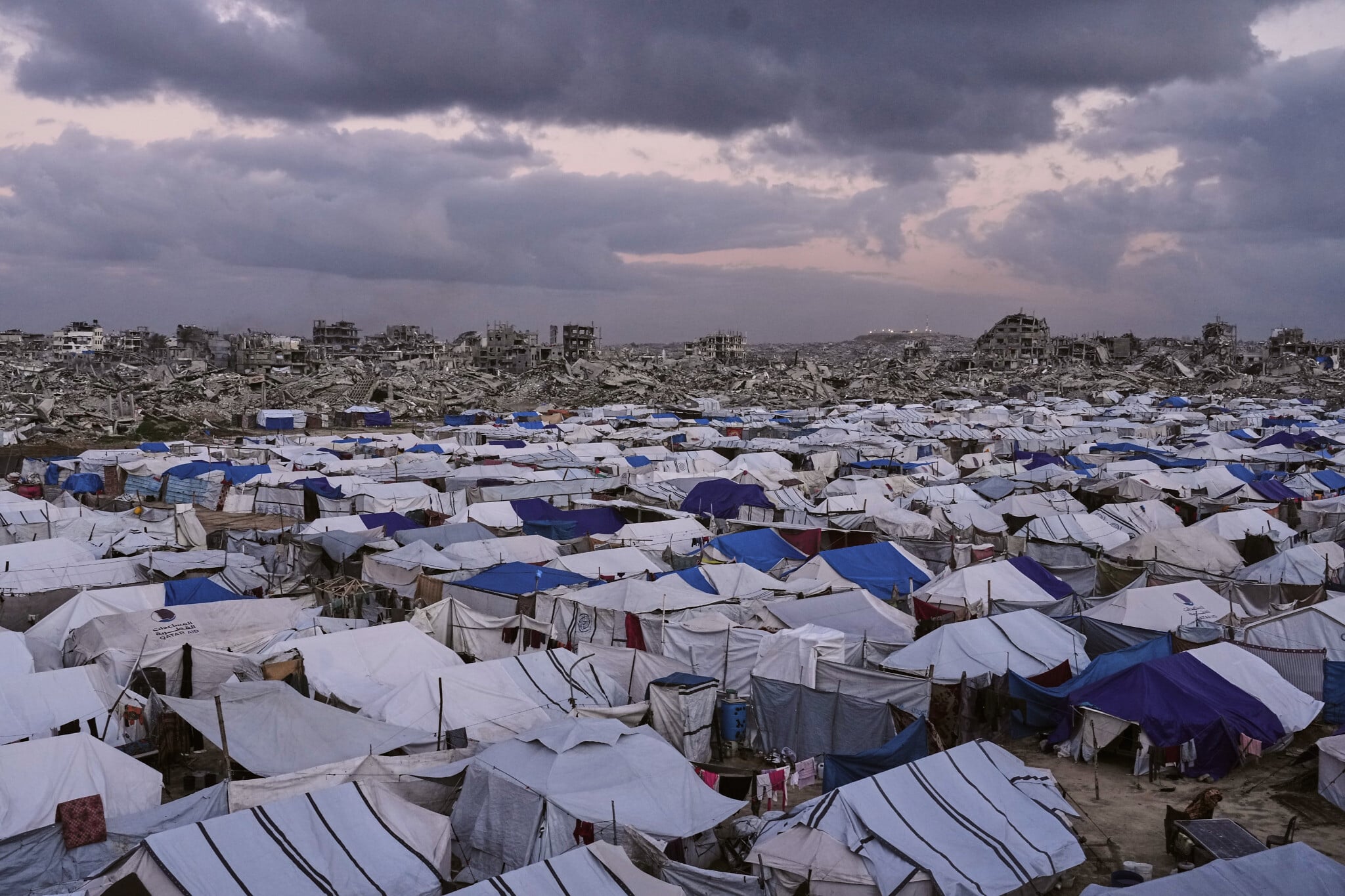
A tent camp for displaced Palestinians stretches across the Zeitoun neighborhood of Gaza City, Wednesday, Jan. 14, 2026. (AP Photo/Jehad Alshrafi)
Unmoved by those concerns, US special envoy Steve Witkoff announced on Wednesday the “launch of phase two,” where the goal will be “moving from ceasefire to demilitarization, technocratic governance and reconstruction.”
The US officials briefing reporters hours later acknowledged heavy doubt in Jerusalem over the prospect of Hamas disarming, but they insisted that the terrorist group has indicated its readiness to do so.
“We’ve talked to a number of Hamas people, and we’re hearing throughout the Arab world that people don’t want to be at war anymore. They want peace. They want a better economic future for their families. They want credible homes,” said a second US official on the briefing. “They want what everybody else in this world wants — just a good life, and a good life doesn’t occur through military means.”
The officials proceeded to offer status updates on the other bodies that will be established as part of the second phase, including the Board of Peace, which will oversee the entire operation and the International Stabilization Force, which in turn will help secure the Strip in place of the IDF. While officials familiar with the matter have told The Times of Israel in recent weeks that Washington has struggled to recruit allies abroad to serve on either forum, the two Trump aides briefing reporters insisted that Washington has received more than enough assistance to move its Gaza plan forward.
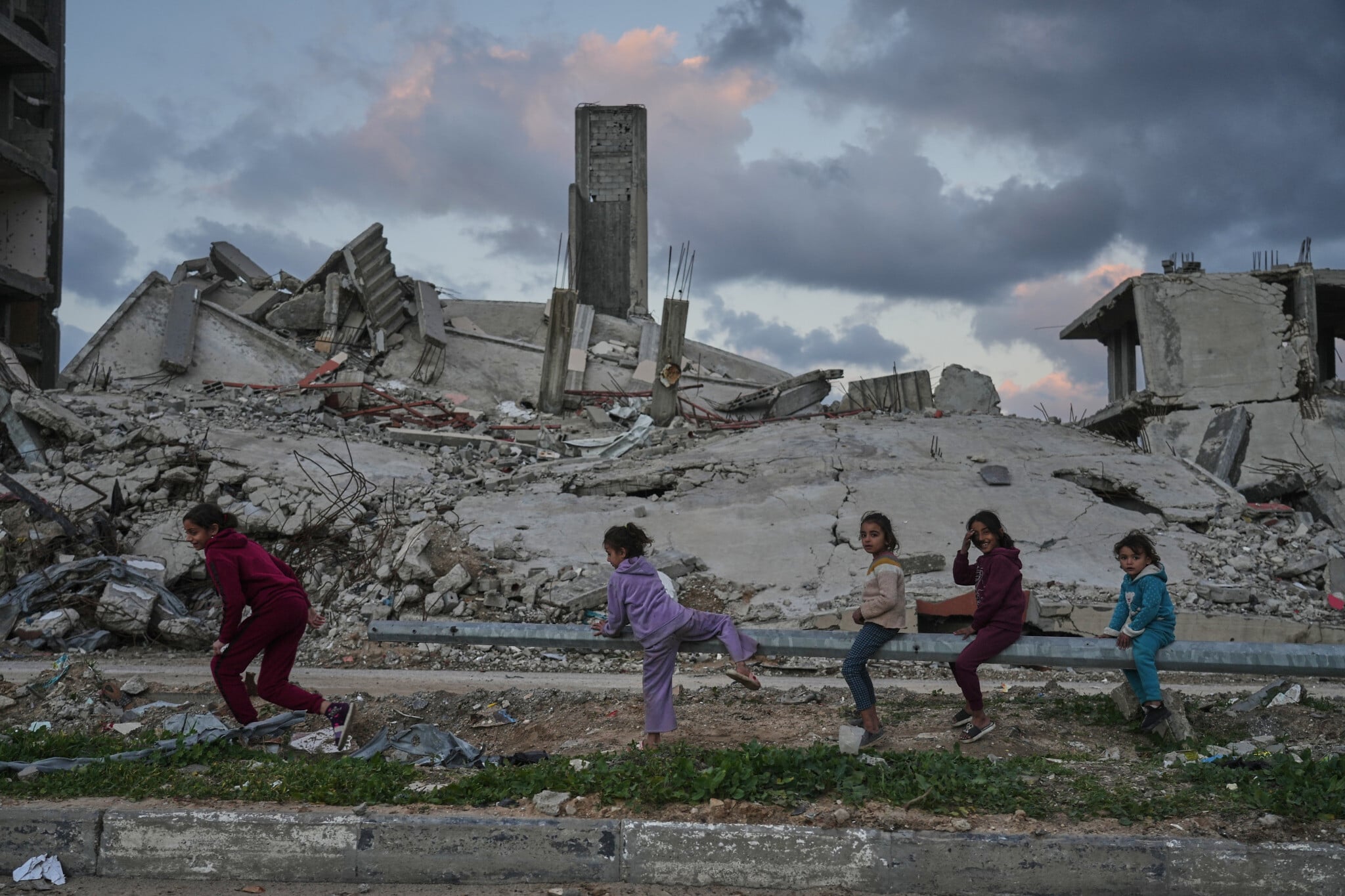
Palestinians girls play amid buildings destroyed by Israeli air and ground operations in the Zeitoun neighborhood of Gaza City, Wednesday, Jan. 14, 2026. (AP Photo/Jehad Alshrafi)
Committed to finding Gvili, but won’t hold up phase two
The US official touted the humanitarian operation since the ceasefire and phase one of Trump’s plan came into place in October, saying 53,120 trucks of aid — two million pallets worth — have entered the Strip since and that cooperation between Israel and the UN has increased.
While basic food supplies have indeed increased significantly, lack of sufficient shelter has become a major issue, with aid organizations lamenting Israeli restrictions on metal poles necessary to stabilize tents that have been widely filmed falling apart amid the winter winds. Israel says those materials could be used by Hamas for weapons and therefore has not allowed them into Gaza, where hundreds of thousands are living in tents.
The US official said that progress has also been made in destroying tunnels, with 50 kilometers worth already demolished and several tons of rubble cleared making room for several square kilometers of space to build new temporary housing for Gazans. The first such project is planned to go up on the ruins of the southern Gaza city of Rafah, officials have told The Times of Israel.
Israel had pushed back on advancing to phase two of Trump’s Gaza plan before Hamas has handed over Israel Police Master Sgt. Ran Gvili’s body along with its weapons. But top US officials informed Prime Minister Benjamin Netanyahu during his visit to Florida last month that they did not want to hold things up any longer and would continue the search for Gvili along with efforts to disarm Hamas simultaneously with the operationalization of phase two, officials told The Times of Israel.
A “very good channel of communication” is operating to find Gvili’s remains and there are several potential sites where his body may be located, said the first US official during the briefing.
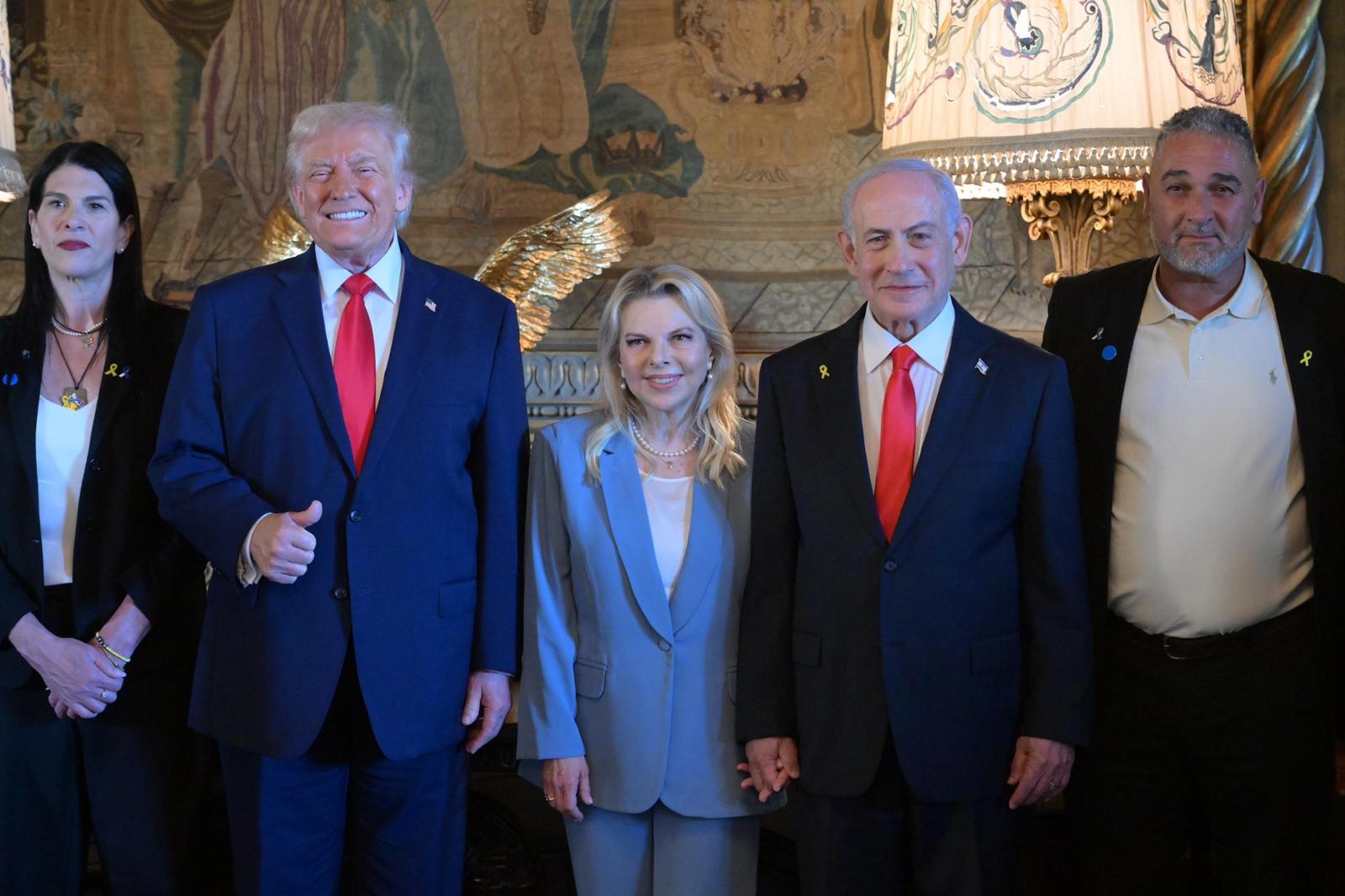
An image distributed by the Prime Minister’s Office and apparently manipulated by Sara Netanyahu, showing her, center, with Prime Minister Benjamin Netanyahu, second right, with US President Donald Trump, second left, flanked by the family of hostage Ran Gvili, December 29, 2025. (Amos Ben-Gershom / GPO / Sara Netanyahu)
“We will not consider this mission completed until the last body is found. With that being said, we are not going to hold up going to phase two for that because both parties have agreed to continue working in good faith,” said the US official.
The US official also argued that Wednesday’s launch of the Palestinian technocratic committee, along with continued progress on Trump’s 20-point Gaza peace plan, would boost the chances of locating Gvili’s body.
Hamas ‘indicating’ readiness to disarm
Despite the optimism regarding the prospect of disarming Hamas, the first US official indicated that conversations on the topic with the terror organization are only in their initial stages.
“We will be engaging in conversations with Hamas on the next phase, which is demilitarization and [we will be engaging] with Israel on what amnesty program can be given to Hamas [fighters] if they do this,” he said.
“There’s clearly not a lot of trust between both sides after decades of conflict, but… believe that there is a good chance that everyone will try to keep their word in the agreement, and we will be able to move things forward,” the US official said.
The official went on to claim that Hamas officials “are indicating that there’s a real possibility that [demilitarization] will happen, so we’re pushing very hard to make it happen.”
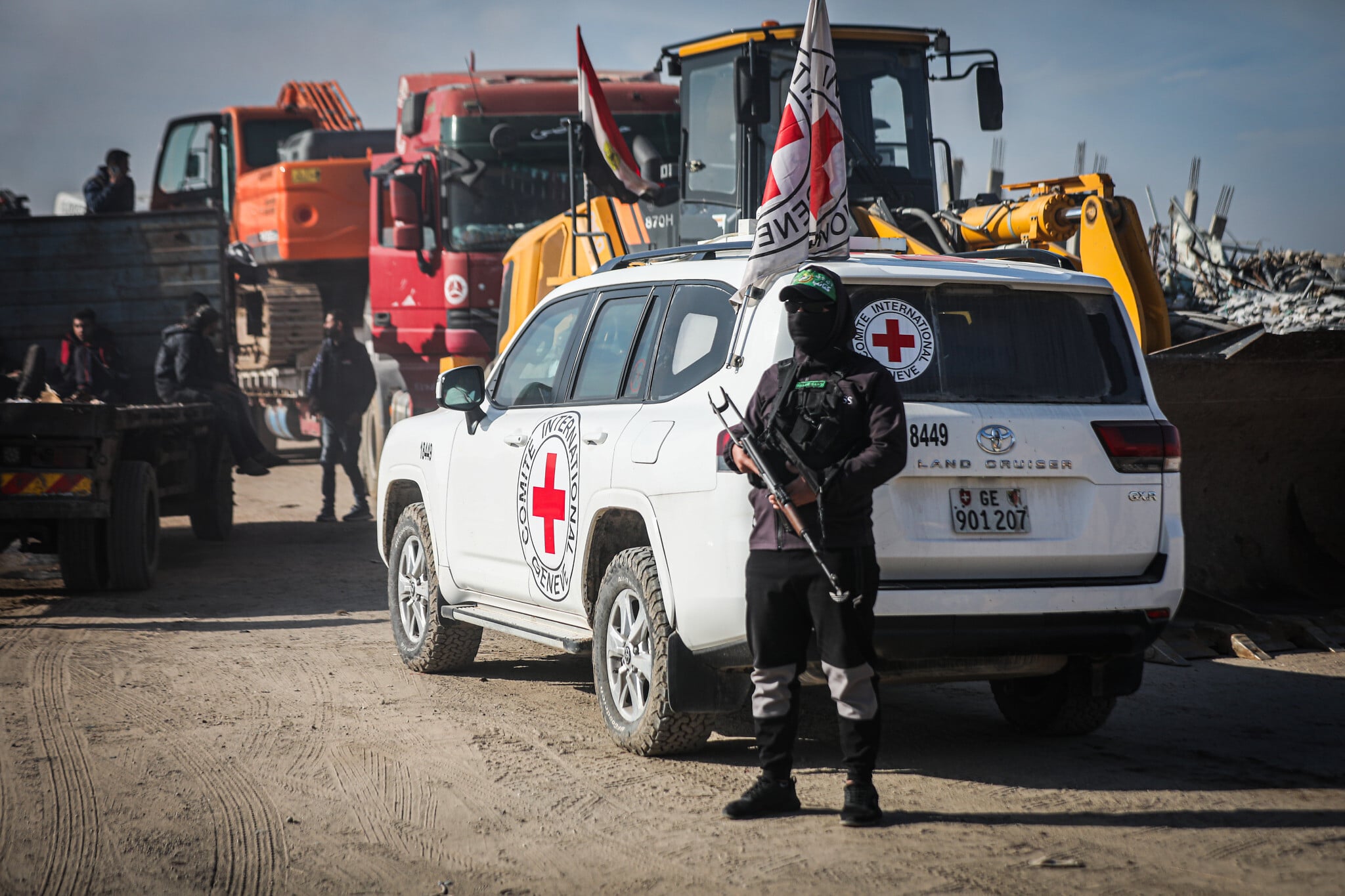
Search operations to recover the body of the last Israeli hostage, slain police officer Ran Gvili, in Gaza City on January 7, 2026. (Hamza Z. H. Qraiqea / Anadolu via Reuters)
Offering some more detail on what demilitarization might look like, the first senior US official said all terror infrastructure in Gaza will be destroyed and “heavy weaponry, like RPGs, rocket launchers and missiles” will “need to be put into a place where they’re not being used.”
He notably made no mention of light weapons, which Israel is also insisting be part of the disarmament program, arguing that AK-47s are what Hamas uses to maintain its control of Gazans in the Strip.
“Gaza needs to have basic policing so that they can keep control of their populations. People should be able to make sure that it’s a place free of crime, where people can live freely and safely,” the US official said.
The US has been in talks with mediators Egypt, Qatar and Turkey, which have assured Washington that Hamas will agree to a gradual disarmament plan that would begin with the terror group giving up its heavy weaponry and the launch of a “buy-back” program for lighter weapons, the US official and two Arab diplomats told The Times of Israel last week.
It was not clear whether this framework will be sufficient for Israel. Hamas officials have publicly asserted that the organization will only agree to give up its weapons in a negotiated process that results in the establishment of a Palestinian state.
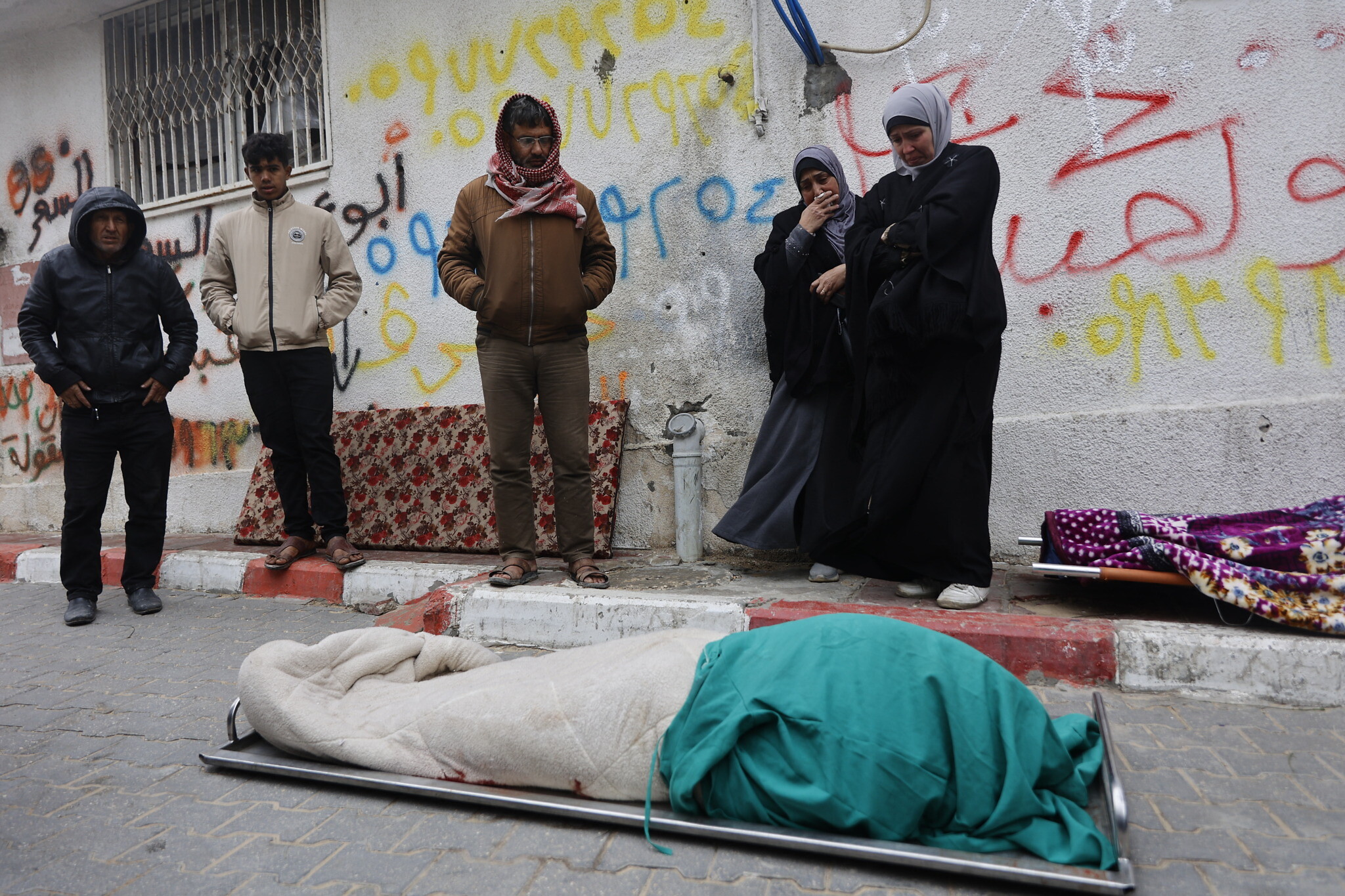
Palestinians mourn over a body during the funeral of three displaced members of the Hamoda family who died after parts of a war-damaged building where they had taken shelter collapsed on a windy winter day in Gaza City on January 13, 2026. (Photo by Omar AL-QATTAA / AFP)
Board of Peace invites go out
While talks on disarmament will likely take time, the Trump administration is moving ahead with the establishment of the Board of Peace, with the first US official revealing during the briefing that invitations to serve on the panel went out to world leaders on Wednesday
The US official declined to divulge which countries’ leaders were invited to take part, but The Times of Israel reported last month that the US had informed interlocutors that it secured commitments from Egypt, Qatar, the United Arab Emirates, the United Kingdom, Italy and Germany to have their leaders join Trump on the Board of Peace.
The US is hoping to more than double that number, but has had limited success to date, a senior Arab diplomat said last week, adding that Washington is considering filling spots on the panel with the heads of the World Bank, International Monetary Fund and World Economic Forum.
But briefing reporters on Wednesday, the first US official was bullish about the Board of Peace’s makeup, saying that Trump was personally involved in selecting who would receive an invitation to join him on the panel. The official added that invitations were sent out earlier in the day to “a lot of countries” and that “there has been a very overwhelming response.”
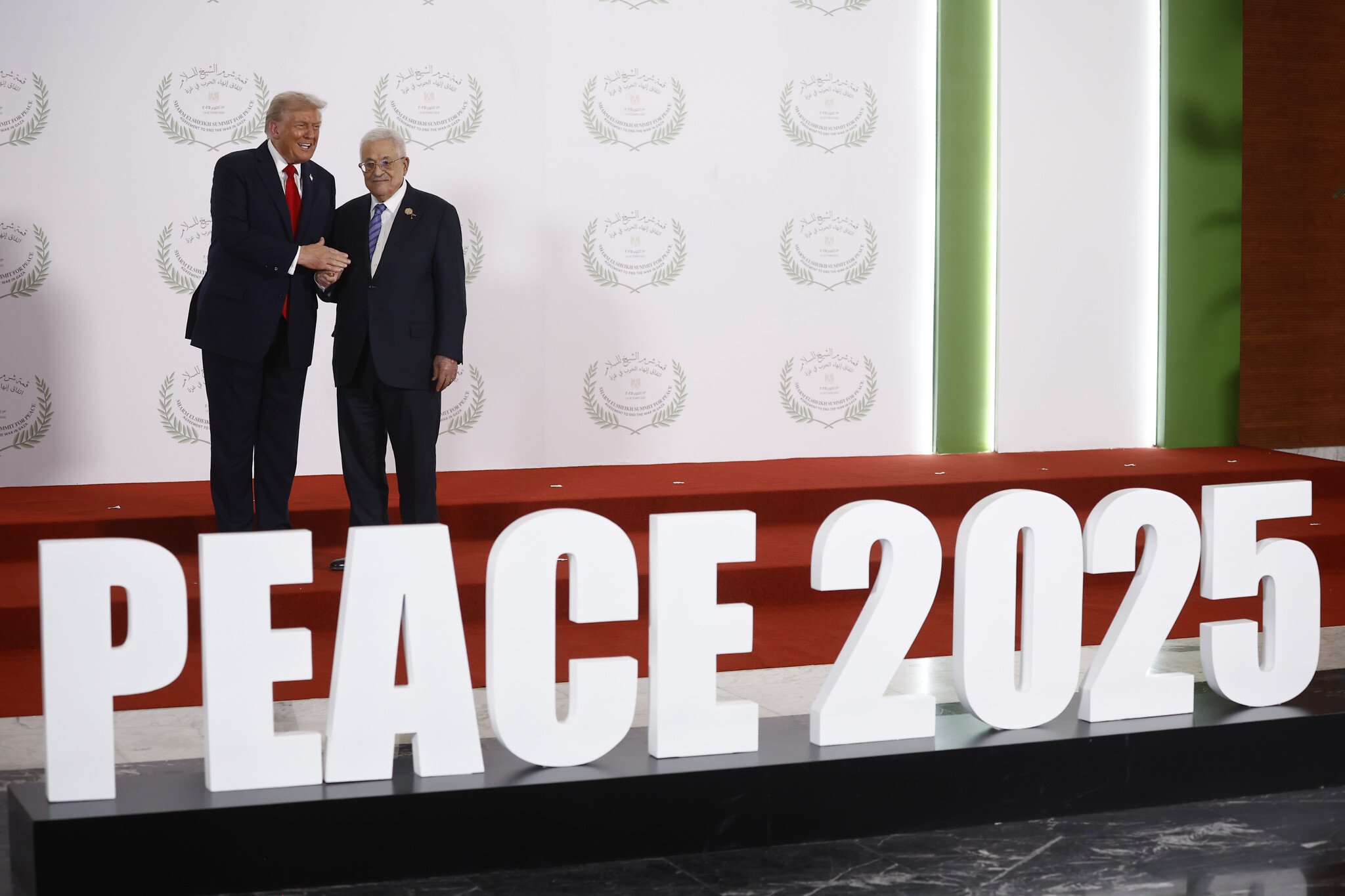
President Donald Trump and Palestinian President Mahmoud Abbas pose at the Gaza Peace Summit in Sharm el-Sheikh, Egypt, Monday, Oct.13 2025. (Yoan Valat, Pool photo via AP)
“The goal here is to create the alternative to Hamas that wants peace and to figure out how to empower them,” the US official said of the Palestinian technocratic committee, adding that its full list of participants would be unveiled later this week.
“Our job at the Board of Peace is to be supporting them, giving them all the best practices of what’s being done in the region and find ways to give them every opportunity to be successful,” the US official said.
The Board of Peace will also have an executive committee that will effectively be headed by Nickolay Mladenov. The former UN envoy to the Mideast has been given the title of Board of Peace high representative. Also serving on the executive committee will be former UK prime minister Tony Blair, and Trump’s top aides Jared Kushner and Steve Witkoff, officials have told The Times of Israel.
The executive committee will work more closely with the technocratic committee, than the Board of Peace, which will only meet a handful of times each year and largely play a symbolic role that will offer legitimacy for the initiative as it needs to fundraise a significant amount of cash.
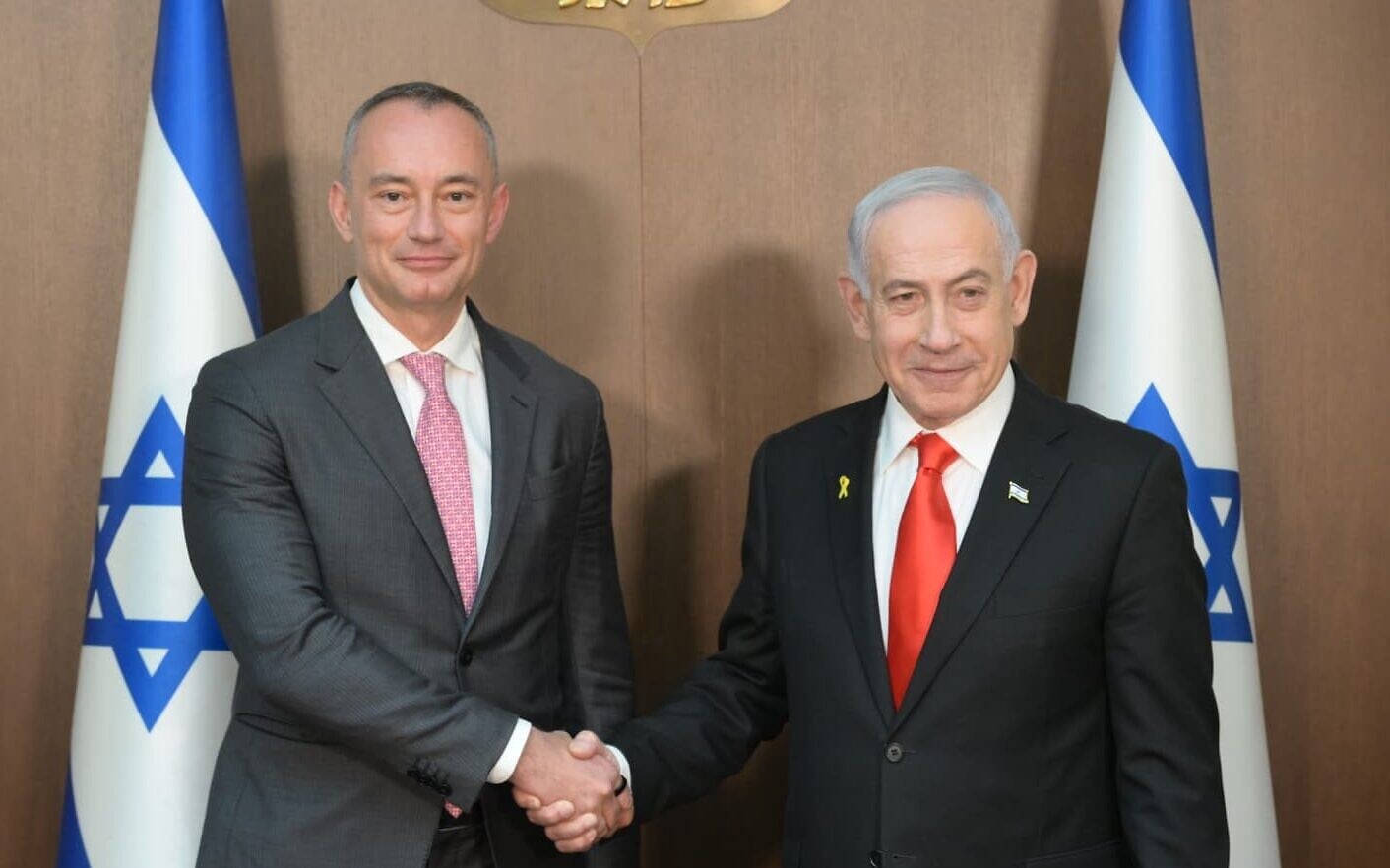
Prime Minister Benjamin Netanyahu meets with former UN envoy Nickolay Mladenov, who is slated to serve as a Board of Peace envoy to Gaza, in his Jerusalem office on January 8, 2026. (Amos Ben Gershom/GPO)
Will Turkey join the International Stabilization Force?
Also being established as part of phase two of Trump’s 20-point Gaza plan is an International Stabilization Force that will be tasked with providing security in the Strip.
The US has struggled to get countries on board amid heavy speculation that Hamas will disarm. One of the two countries Washington had publicly touted, Azerbaijan, announced earlier this month that it would not be participating.
But the US official briefing reporters downplayed the challenge, insisting that enough countries have volunteered to contribute troops to allow the initiative to move forward.
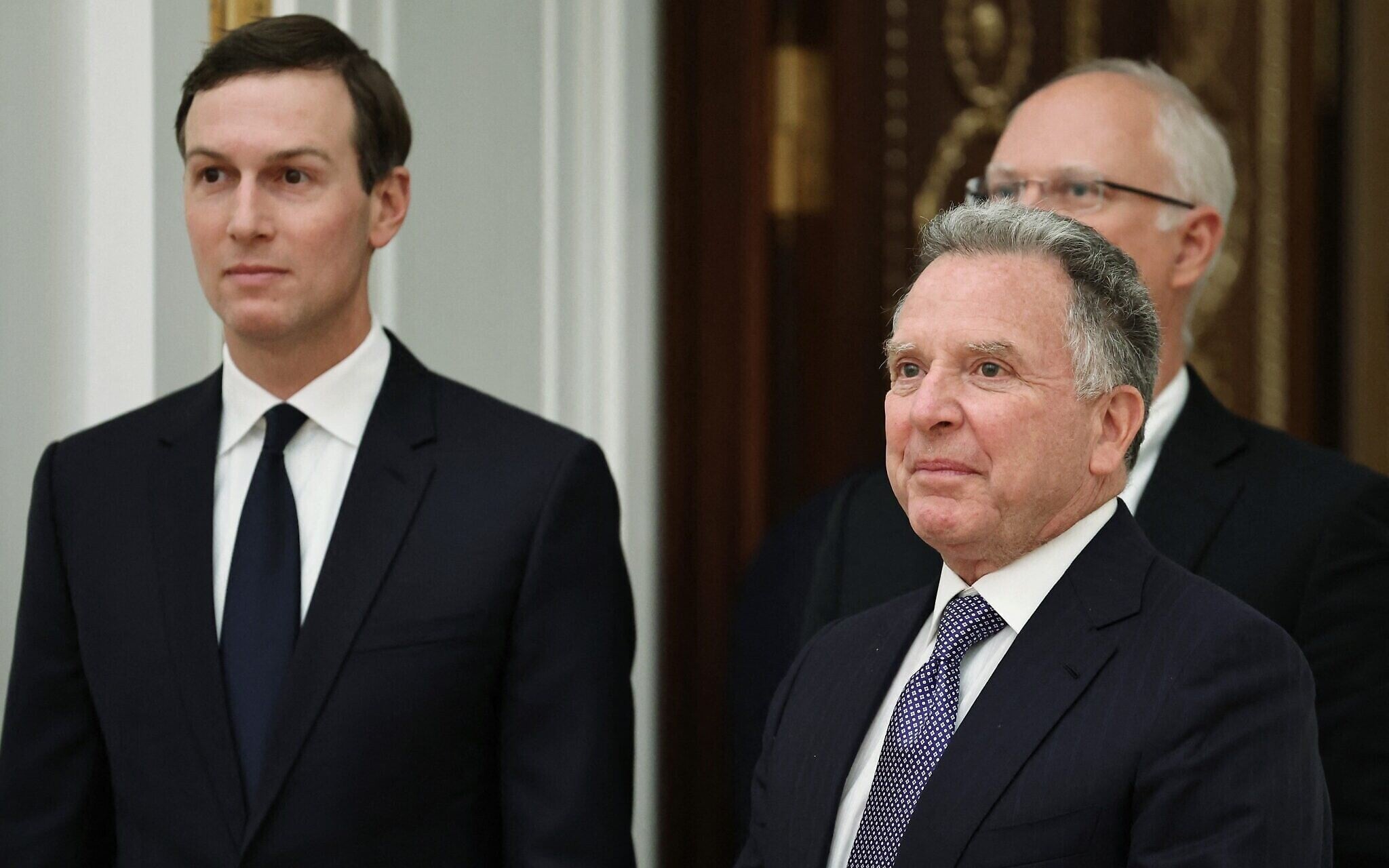
In this pool photograph distributed by the Russian state agency Sputnik, US special envoy Steve Witkoff and US President Donald Trump’s son-in-law Jared Kushner, accompanied by Kremlin economic envoy Kirill Dmitriev, are seen prior to a meeting with Russia’s President at the Kremlin in Moscow on December 2, 2025. (Alexander Kazakov/Pool/AFP)
Moreover, he appeared to confirm The Times of Israel’s reporting on the shrinking of the ISF mandate to more limited tasks such as securing borders and humanitarian aid, rather than kinetic activity to disarm Hamas.
“A lot of the work inside Gaza will be done by the local Palestinian police forces, which we think is the most important element of this plan, so we’ve been putting a lot of time into that,” the US official said.
He said more information regarding the ISF will be released in about two weeks, indicating that it is not at the top of the administration’s priorities.
“People are in a celebratory mood. The fact that this coincides with Davos feels a little bit like it was meant to be,” the US official said.
Asked whether Turkey will take part in the ISF amid fierce Israeli pushback, the US official avoids answering directly, while touting Ankara’s productive role.
“Turkey has played a very integral role in getting to the ceasefire, and President Trump is very grateful to President [Recep Tayyip] Erdogan and (his team)…. They’ve done an incredible job really working with us, and we think it’s very important to have them involved, as they have influence with Hamas,” the US official said.
“We want to see Turkey and Israel start to rebuild their relationship,” he said, adding that sustained calm in Gaza will create more space for that to occur.
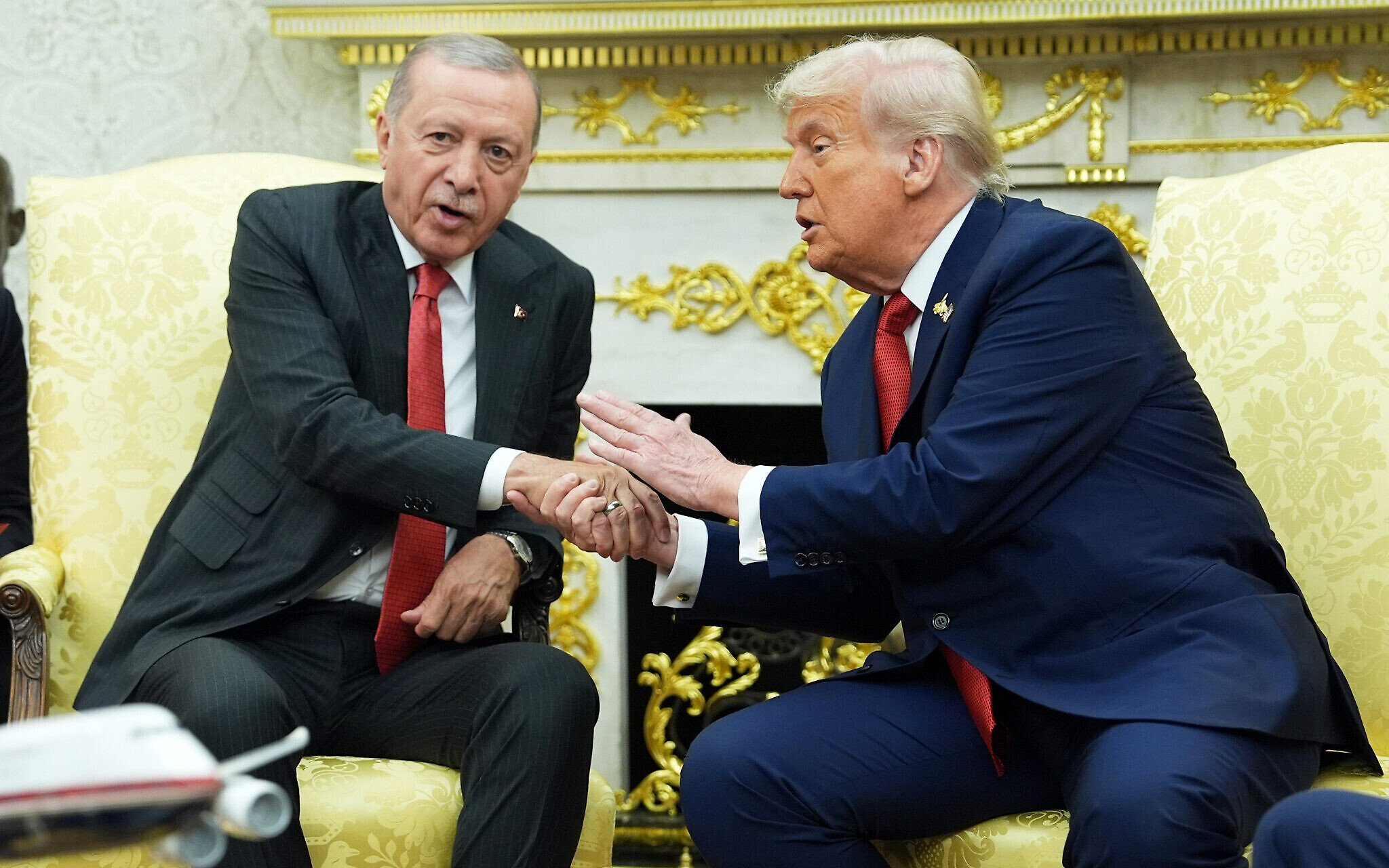
US President Donald Trump, right, shakes the hand of Turkish President Recep Tayyip Erdogan during a meeting in the Oval Office of the White House, September 25, 2025, in Washington, DC. (AP Photo/Evan Vucci)
“President Erdogan has a big heart for the people of Gaza — hopefully we can get both sides to start deescalating their rhetoric, start focusing on their interests and seeing that there’s a lot of benefit that both countries can have in working together,” the US official said.
The first meeting of the Board of Peace is slated to take place on the sidelines of the World Economic Forum in Davos next week, and a second US official on the briefing said announcements will likely be made at the gathering.
“People are in a celebratory mood. The fact that this coincides with Davos feels a little bit like it was meant to be,” the US official said.