
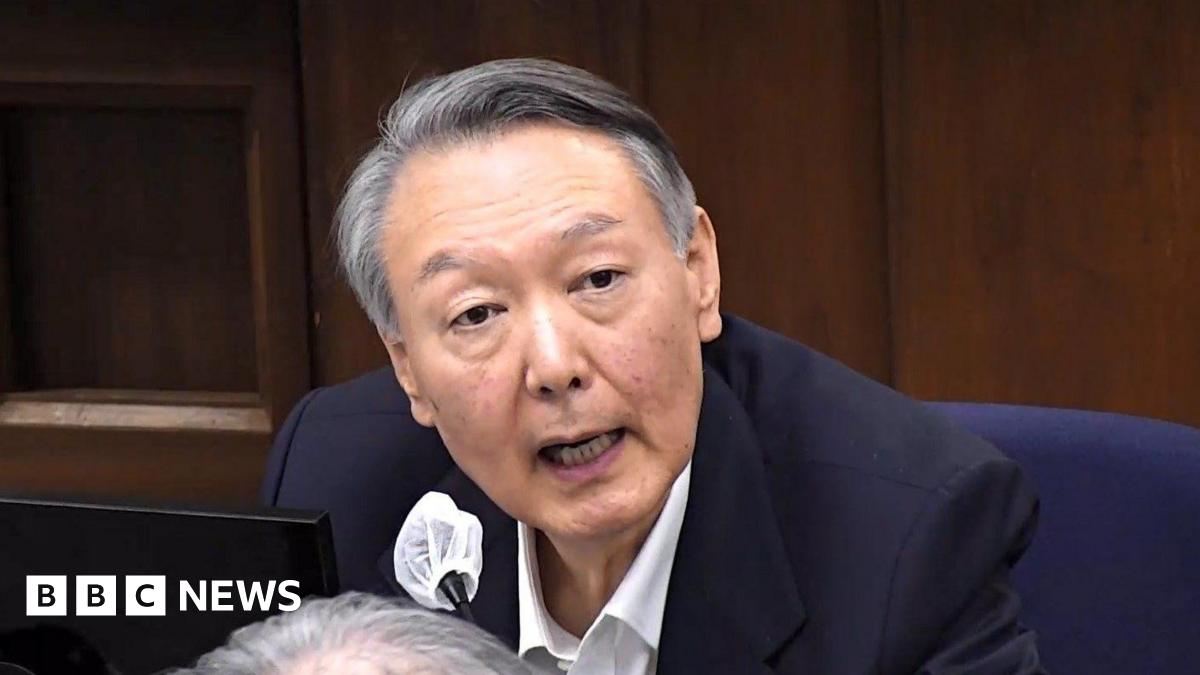
Yoon denied the charges, arguing that the arrest warrant itself was invalid and that the letter of the law does not require him to consult every member of the cabinet before exercising emergency power.
He had claimed across his trials that investigators had no legal basis to probe and arrest him in the first place. Most of the accusations against him are invalid because there was no procedural lapse when he declared martial law, he argues.
South Korea’s courts often grant leniency when the accused accepts guilt or responsibility. But prosecutors argue that Yoon’s lack of remorse is grounds for an even more severe penalty.
Park Geun-hye, who was sentenced to 20 years in prison for abuse of power and bribery in 2021, was the last former president to be jailed for a criminal charge. But she was pardoned and released from prison shortly after.
Six months after Yoon’s martial law attempt, voters elected opposition leader Lee Jae Myung in a decisive victory .
But Yoon’s trials bring the spotlight back to deep divisions in South Korea, where the former president retains strong supporters who see him as a martyr. According to a survey conducted last December, nearly 30% of South Koreans did not believe that Yoon’s martial law declaration amounted to an insurrection.
While his martial law attempt brought tens of thousands of protesters onto the streets, it also saw his supporters show up in counter protests, though in smaller numbers.