
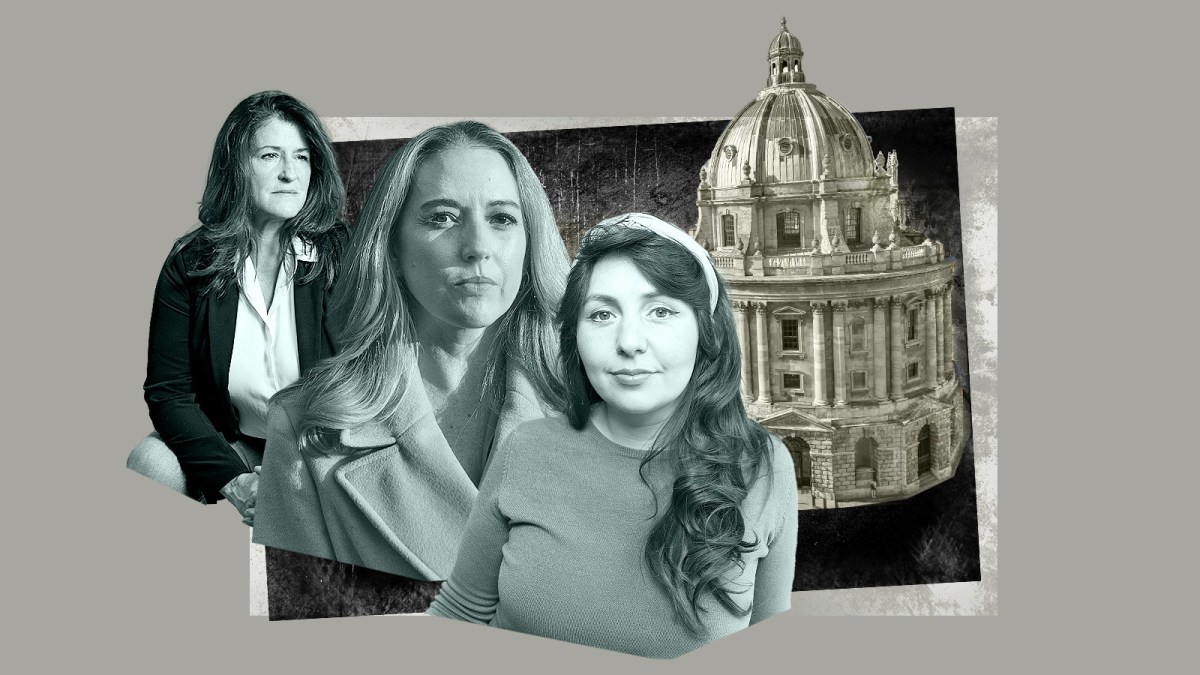
The University of Oxford has been accused of putting women’s safety at risk by withholding information about persistent sexual harassment allegations against a senior professor.
Miles Hewstone, 69, an internationally renowned social psychology professor, resigned his full time posts at Oxford and New College in April 2019 while under investigation over alleged harassment.
The Times understands that Oxford’s central administration refused to share details of the internal investigation with New College or academic professional bodies, insisting the matter was confidential.
Although he was no longer a full-time teacher, Hewstone’s 18-year tenure at Oxford entitled him to become an emeritus professor of the university and an emeritus fellow at New College.
The titles permitted him to continue to use university facilities.
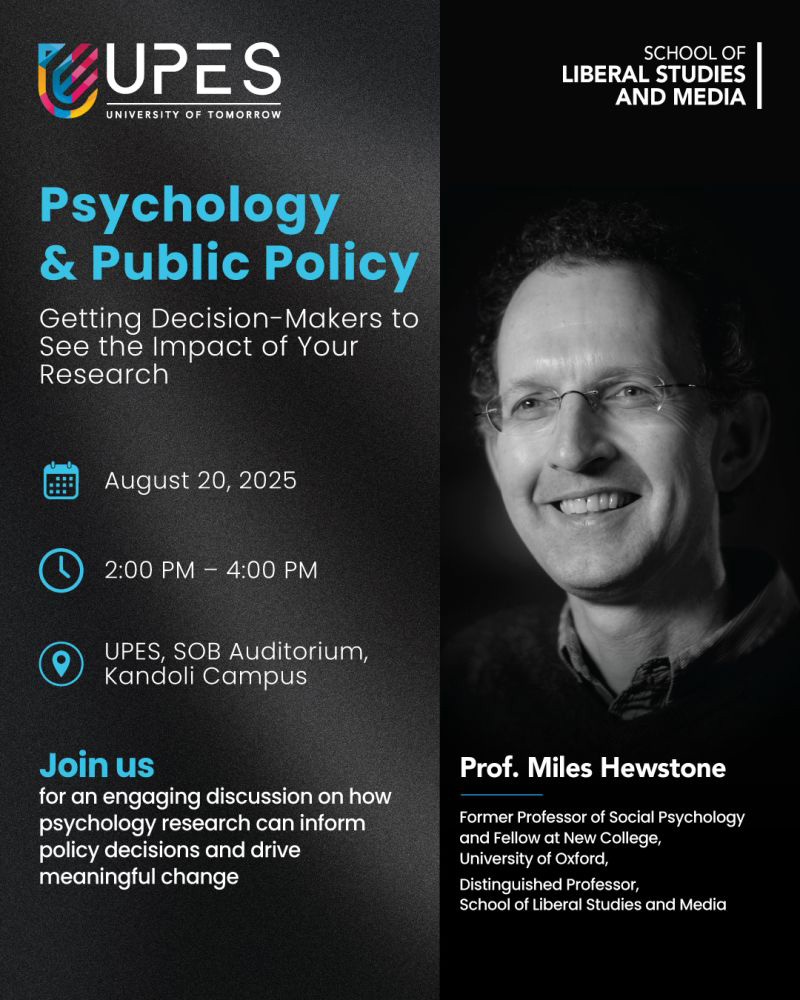
He went on to lecture around the world, most recently at UPES, a private university in India.
Hewstone relinquished his emeritus titles at Oxford in November last year after media inquiries. He has been accused by female students and researchers of abuse of power, inappropriate sexual advances, unwanted touching and favouritism.
Several women have told The Times about their experiences with Hewstone over a period of three decades. One said she barricaded herself in her hotel room after resisting his advances at an overseas conference. Another spoke of the professor dropping his trousers, and a third described how he joked about his penis “still working” despite his age.
A ‘wall of silence’
Leaders at New College were surprised by Hewstone’s resignation in 2019 but were rebuffed when they sought more information from the central university. One Oxford don referred to “a very tight wall of silence around the whole affair”.
As news of his resignation spread in academic circles, three bodies — the British Academy, the European Association of Social Psychology (EASP) and the Society of Australasian Social Psychologists — asked Oxford if it was safe to invite Hewstone to attend conferences and other events.
In a joint letter in July 2019, they said they had information from multiple sources suggesting Hewstone had “abused his position of power in harassing students and young scholars dependent on his guidance”.
The letter added: “This not only affects judgments about his scientific integrity and suitability as a supervisor of young scholars, but also implies that his presence at scholarly meetings could compromise the safety and inclusion of other members.”
The organisations appealed to Oxford to say “whether complaints were received, whether an investigation was conducted and what the outcome of the investigation was”.
Oxford replied that the case was “a confidential matter” and if the organisations had any concerns they should “raise these directly with Professor Hewstone”.
Professor Kai Sassenberg, former EASP president, said: “We requested information about the case to at least protect attendees of our future events and potentially act against Hewstone, however, Oxford University never provided any information.”
Sassenberg said he and colleagues were “highly frustrated by the legal limits of the situation”, which he said seemed to favour Hewstone’s interests over that of the complainants.
Hewstone has not responded to detailed questions from The Times. His resignations last year coincided with two other senior dons quitting their Oxford posts after harassment allegations.
The spate of cases has prompted calls for greater transparency about sexual misconduct at the university. A group of 20 academics has submitted a motion to the congregation — Oxford’s governing body — expressing “concern about important decisions being taken behind closed doors”.
Emails from ‘Besotted of Oxford’
Three women have come forward to publicly tell The Times about their experiences of being harassed by Hewstone. Others have spoken anonymously.
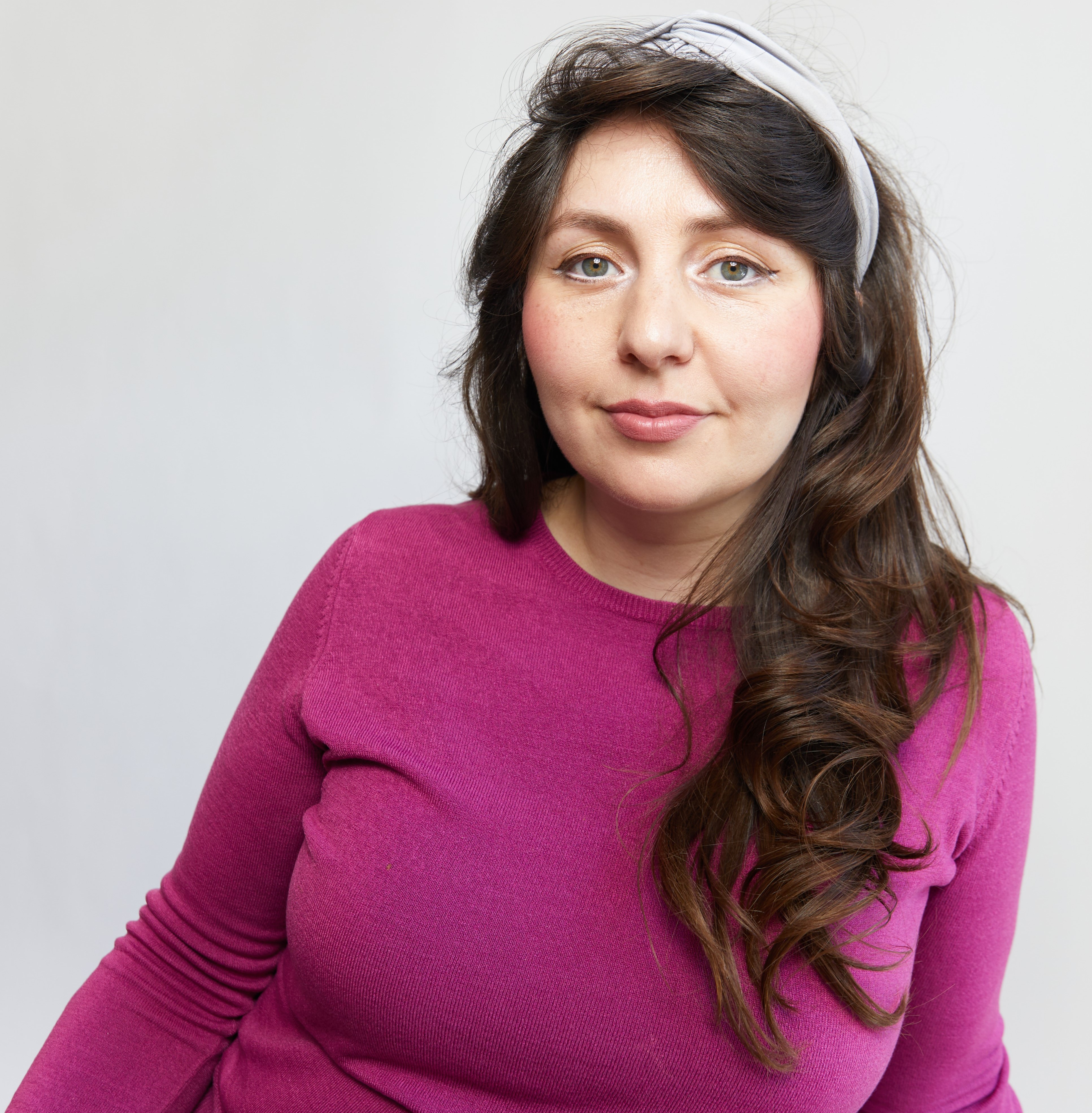
Charlotte Fischer was 23 when she first contacted Hewstone in 2010 about research in his field of conflict resolution. They met once before he emailed her with the subject line “besotted”.
“You made such a huge impression on me when we met,” he wrote on February 23, 2010, in email correspondence seen by The Times. “You are just so wonderful in so many ways, and I was very tempted to try to see you for lunch … I cannot express what warmth you have brought into my life, and how special you are.
“I will do all I can for you, beginning with lists of readings (hints please … what?!) and ending, who knows where.”
He ended the email with a promise to take her on a research trip to Cyprus as “my treat to a very special person, if she still wants to come”. He signed off: “Besotted indeed, of Oxford, v fondly, Miles Xx.”
Hewstone sent further emails in the summer of 2010, referring to his parents’ declining health. In one email that June, he wrote: “Sorry to stalk you. I need you now, more than ever, w news of my dad. Ch you are so special! My fondest. M xx.”
Fischer said she agreed to the Cyprus trip but tried to set professional boundaries before they flew out in October 2010. She alleged that on the second night she barricaded herself in her room, having rejected his claim of an emotional connection and repeatedly told him that his behaviour made her uncomfortable.
“The next morning, he was so cold,” she said. She claimed the professor refused to pay for her return flight home.
Fischer, now 38, a co-founder of Love & Power, a feminist network, said Oxford needed to ensure students were protected. “It’s too late for any personal redress for me — I’m coming forward because the policies that let someone resign out of an investigation are the same policies that make the next generation unsafe,” she said.
“He can still apply to any charity board or university employment, and if asked, ‘were you ever forced to leave as a result of an investigation of sexual harassment?’, he can still honestly answer ‘no’.”
Fischer said Hewstone would not have been allowed to resign quietly if he had been accused of financial misconduct. She is calling for policies that require investigations to continue even after those facing accusations leave.
“It’s a classic pattern and yet none of Oxford’s systems are set up to be able to deal with that,” she said. “Even now, there is a system that lets him resign. It’s wild. A university that allows [someone accused of sexual harassment] to use the college, his title, his position, is an enabler that makes it possible for repeat perpetrators to perpetrate.
“There’s so much at Oxford that’s so joyful. I was a state school kid. I am so grateful for [an Oxford education], and I want it to be for more people. I need it to be safe for women.”
‘I told him he was acting like a teenager’
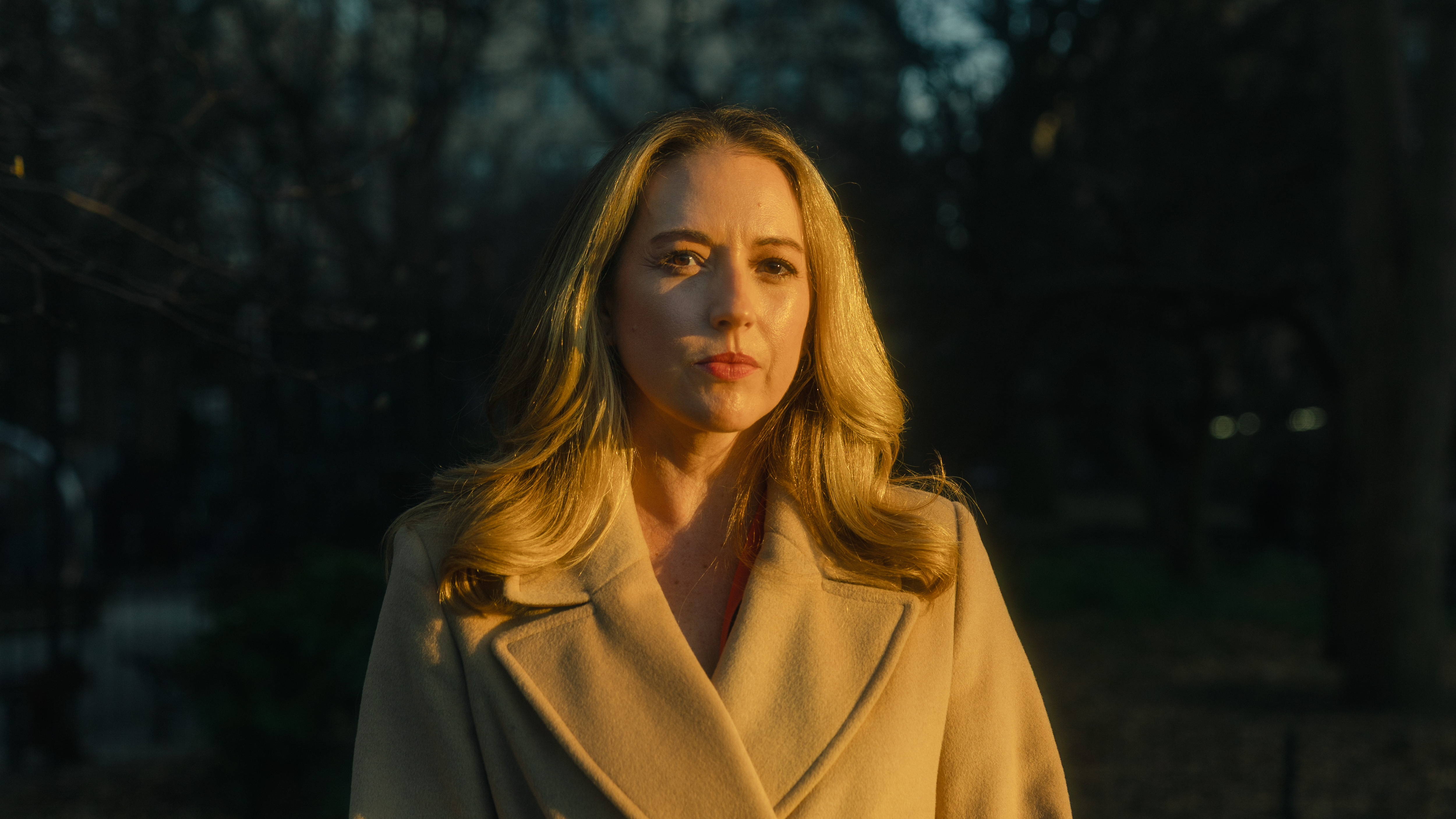
Dr Tessa West, a professor of psychology at New York University, said she met Hewstone in 2007 at a conference in Chicago when she was 26.
“Everybody knew that Miles was flirtatious and a little bit gross, but I hadn’t heard that he was predatory at that point,” she said. “He came up to me and … followed me around a bit.”
She claimed that during a conversation about Hewstone’s age “he overheard and said, ‘I’m 51, and it still works’, referring to his penis.”
She said Hewstone contacted her after the conference and they discussed research. Within weeks, she said he was “very blunt” about wanting a sexual relationship and proposed visiting her in Connecticut. West said she rejected him, telling him he was “acting like a teenager”. He then left her alone.
“Miles held an enormous amount of power in the field,” West said. “He ran our journals, wrote our tenure letters, was at the top of all our societies and sat on award panels. He was never just a professor, and he was well-liked by many. If we did say something, would it matter at all?”
‘I heard that you think I sexually harassed you’
Theresa Vescio, a professor of psychology at Penn State University, said her research on power and gender was shaped by her experience as a researcher under Hewstone at Cardiff University in the late 1990s.
“I was told by several people that I couldn’t get a job without a letter of recommendation from him,” she said.
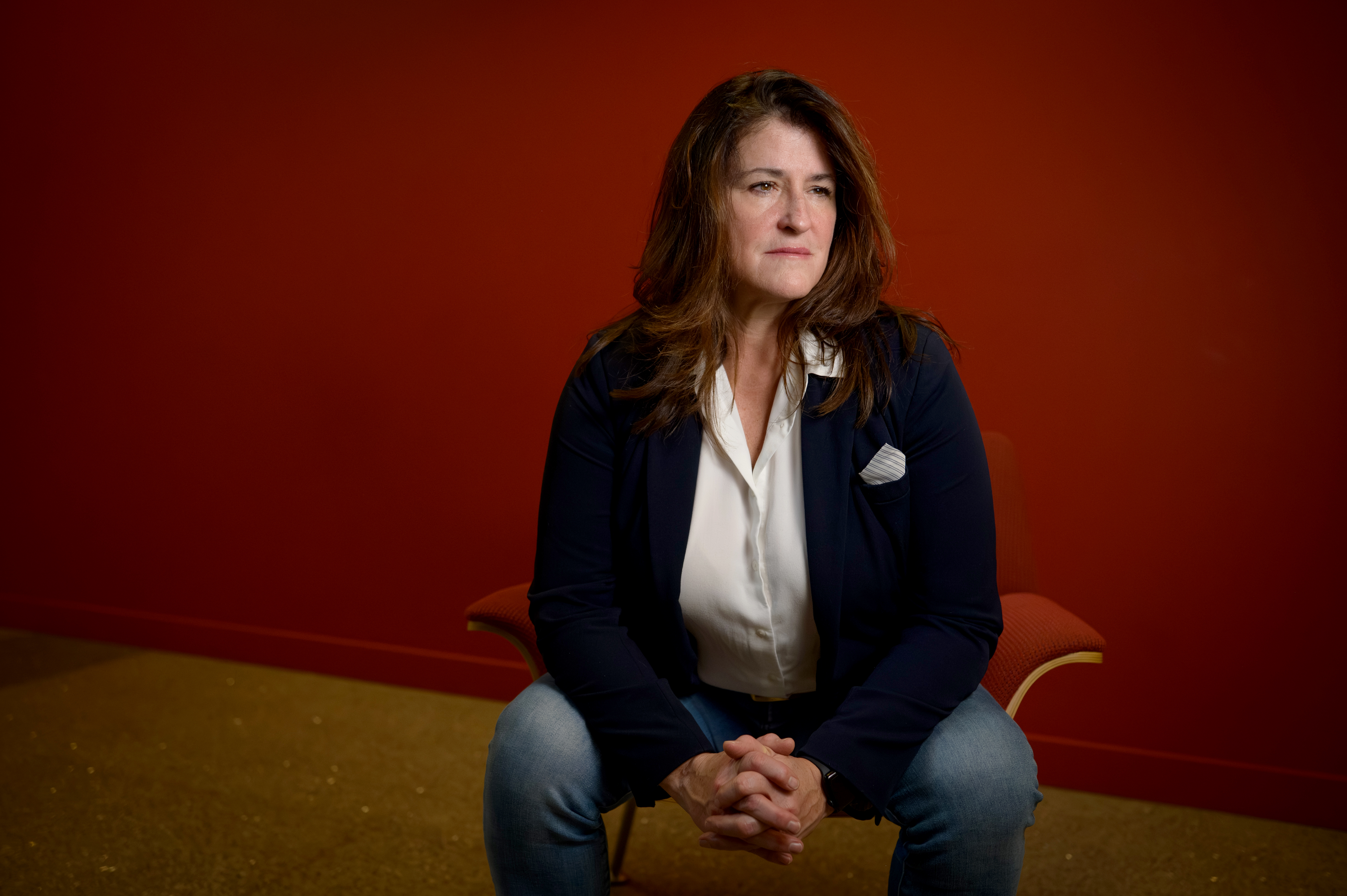
Theresa Vescio
JUSTIN MERRIMAN FOR THE TIMES
During a trip to the EASP’s annual conference in Austria, she alleges that Hewstone “angrily stormed off” after she declined an invitation to dine with him and a colleague. “One of my colleagues referred to it as ‘pseudo-romantic’. I was startled and worried.”
Vescio said that, once back in Cardiff, he told her he had paid for her to go to the conference, adding: “You’ll do whatever I ask.”
His behaviour allegedly intensified, and Vescio claimed he touched her sexually without her consent. “I never saw it coming. When he kissed me and ran his hand up my thigh, I froze and blamed myself. I felt so much shame, but I stood up and fought to make it stop.”
Vescio did not report the alleged incident to Cardiff University. She confronted Hewstone about it and left Cardiff after staying for less than a year.
About a decade later, Hewstone allegedly called her and questioned whether he had sexually harassed her.
“He said, ‘I heard that you think I sexually harassed you’, at which point I spent an hour on the phone with him. I gave him the benefit of the doubt … he didn’t understand the effect it was having. He didn’t understand how hard this was for me. I told him the whole thing — how terrible it was, how traumatic it was.”
‘He never indicated he was not attached to Oxford any more’
A former postdoctoral researcher, speaking anonymously, claimed Hewstone dropped his trousers in front of them during a work trip and later badmouthed them to a prospective employer.
A number of women also told The Times that Hewstone allegedly sent emotionally charged correspondence to colleagues. One former PhD student at New College said he once mistakenly sent her a suggestive text, then confronted her to ensure she had not told anyone.
Hewstone was still using his Oxford credentials as recently as October last year when he met a female social entrepreneur in the city to discuss collaboration on her work. The woman met Hewstone after contacting him via his university email address.
She said: “He was listed as an emeritus professor and never indicated he was not attached to the university any more. He made one comment — about how he liked working with people ‘like you, young, super-intelligent, attractive’ — which made me feel uncomfortable.”
She said she was “shocked” to learn of the allegations against Hewstone and his resignation. “There is nothing on the Oxford website to tell someone like me why a professor has left,” she said. “Surely as someone meeting him I have a right to be kept informed?”
Ann Olivarius, an international lawyer specialising in cases of sexual harassment, discrimination and abuse, said Oxford’s collegiate structure and “archaic internal statutes” made accountability difficult but the university had been “demonstrably slower” than others in taking harassment seriously.
“For years, the 1752 Group [which campaigns to end sexual misconduct in higher education] and others campaigned for a ban on staff-student relationships,” she said. “Institutions like UCL and Nottingham moved to ban these relationships decisively. Oxford dragged its feet, only implementing a ban in April 2023 after intense external pressure.”
New College said it “cannot comment on any individual allegation, but the college takes allegations of sexual harassment very seriously, has robust procedures in place and invests in both training and welfare in support of this”.
The University of Oxford said: “Sexual harassment has no place at Oxford. Our sympathies and thoughts are with anyone who has experienced harassment or misconduct. We take concerns seriously, applying robust procedures. Support for those affected is a priority, and we take precautionary and/or disciplinary action where justified.
“We reject any suggestion that the university tolerates harassment or puts reputation before people’s safety. While we cannot comment on individual cases, we are committed to continuous improvement and have strengthened our approach over recent years.”