
His eye-catching role in French football gave him a VIP pass to grounds across the country. He rubbed shoulders with mainstream dignitaries and establishment figures, including ex-President Nicolas Sarkozy, who rarely missed a home game at Paris Saint-Germain.
A local prefect once told me of his distaste at the thought that Orsoni could be profiting from his new stage to show a more respectable side.
“It’s true I have an unusual background for some one to be a football club president and I can understand that some people are shocked,” Orsoni admitted. “But I can tell you that people’s impressions can change when you meet them.”
Not long after my visit, I talked to his lawyer, Antoine Sollacaro. Weeks later he was murdered at a petrol station in Ajaccio.
In recent years, the club had fallen on hard times. Although Orsoni was still president until only a few months ago, he had moved back to Nicaragua.
Why would anyone want an exiled ex-nationalist football figure dead? The list is long, according to police, and vendettas go back a long way in Corsica.
Alain Bauer, a professor of criminology who has advised successive French governments on security issues, said his killing was inevitable and could herald further violence.
“That Alain Orsoni was killed does not surprise me, it was just a question of when not if,” Bauer told the BBC.
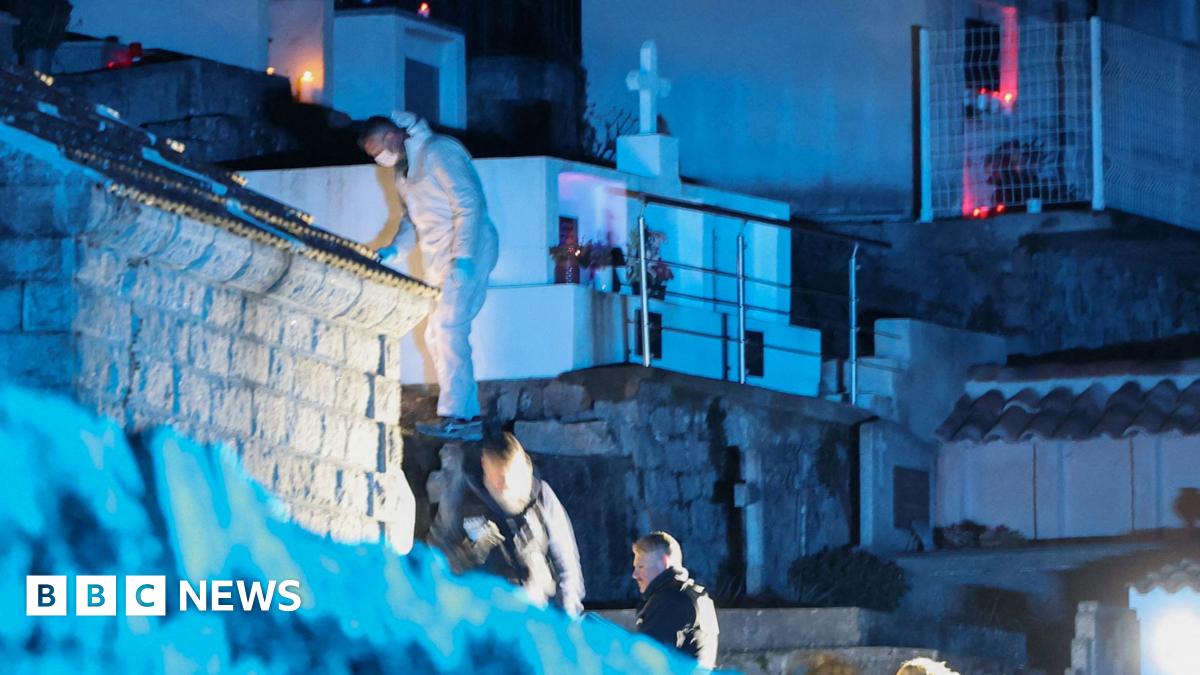
“But the circumstances behind it are shocking. An assassination in a graveyard in Corsica is surprising and it’s pretty certain there will be revenge killings. In the end the main victims are the Corsicans themselves.”
There are few figures more unifying in Corsica than the bishop of Ajaccio, Cardinal François Bustillo, who persuaded the late Pope Francis to visit to the island in December 2024, a few months before his death.
This week he called for an end to the bloodletting.
“We mustn’t get used to this eye-for-an-eye, tooth-for-a-tooth violence. We cannot allow Corsica to drift towards its demons, we have to change mentalities,” he said.
The question is whether his plea will be heard.