
By Euronews Parsi
Published on 18/01/2026 – 16:37 GMT+1
•Updated
19/01/2026 – 0:44 GMT+1
Iran has partially restored communications after a near-total blackout that began 7 January, allowing Iranians abroad brief contact with families following a violent crackdown on anti-government protests.
The government blocked domestic telephone lines and internet connections to the outside world as security forces clashed with protesters in major cities including Tehran.
Some human rights groups and insiders in Iran estimate between 12,000 and 15,000 people have been killed in the protests.
The government has rejected those figures, saying they were grossly overinflated to “dramatise” the situation and fulfil political agendas.
Iran’s Ayatollah Ali Khamenei acknowledged Saturday that several thousand people had been killed during the protests. News agencies quoting Iranian officials reported a minimum of 5,000 deaths.
What are eyewitnesses saying?
Arham, an Iranian living in Europe who spoke to Euronews using a pseudonym, said his brother-in-law was shot by security forces with tear gas canisters while closing his shop accompanied by his child, though not participating in demonstrations.
The canisters hit him in the forehead and chest. He was taken to hospital for surgery and has not been discharged.
“During the protests, a close friend of mine who attended a protest rally in the Narmak area was shot, but we have no news from him and his family’s search to find him has been fruitless,” Arham said.
In a recorded voice note of a telephone conversation with his sister provided to Euronews, she said: “All people are sad, as soon as you meet someone you have tears in your eyes, things are getting worse, people are apparently living normally but as if we were attacked by zombies.”
Arham said that at the hospital where his brother-in-law was treated, “in front of my eyes, three teenage girls aged 16-17 lost their lives to gunshot injuries.” The hospital name was withheld.
The Islamic Republic is demanding large sums from families to hand over bodies for burial, Arham said. He and others are raising money to help a neighbour in Tehran pay for the return of their daughter’s body.
The protests began on 9 December with Tehran shopkeepers striking and closing shops in protest at Iran’s economic situation, after the rial plummeted to a record low and inflation remained above 40%.
Protests quickly spread to other cities as anti-government demonstrations.
Khamenei labelled protesters “agitators” and called for an immediate crackdown to disperse them.
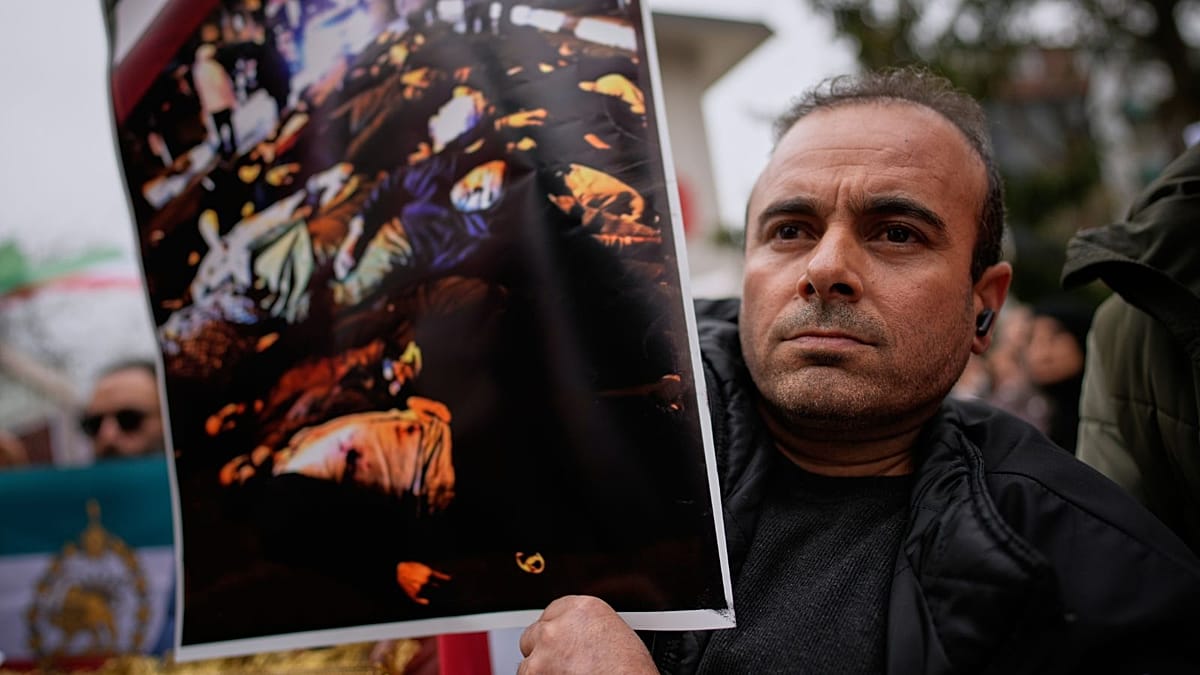
Images released from Iran show morgues, including Kahrizak, filled with corpses of those killed in the protests.
Many killed were teenagers aged 15 to 16. The crackdown has been met with backlash from human rights organisations worldwide. Australia closed its embassy in Iran in protest.
Tehran said “terrorists” slipped into crowds of protesters and are responsible for the killings.