
Housing values continued to slump nationally last month, but three distinct regions within Canada are starting to show consistent growth or declines.
The national home price index dropped by 1 per cent in December, according to data from Wahi, a digital real estate platform, and Real Property Solutions, a Canadian property valuation service provider.
Wahi economist Ryan McLaughlin said trends started to emerge in three regions during 2025. Housing markets in British Columbia and Ontario saw consistent declines. In the Prairies, markets were growing but starting to slow down, and the Quebec market remained on fire.
The Globe and Mail spoke to realtors to discuss the three cities that are experiencing those trends acutely: Quebec City, Toronto and Regina.
Quebec City – 12-per-cent increase
Quebec City remained the hottest real estate market in Canada through 2025, and there is no end in sight for its growth.
There are two key market conditions that have led to the city’s 12-per-cent year-over-year increase: supply shortages and more affordable prices.
Marc Lefrançois, a real estate broker with Royal LePage Tendance, said he expects Quebec City will continue to outperform other Canadian cities in 2026.
Currently, the absorption rate – the share of listings sold each month – is at 50 per cent, Mr. Lefrançois said. A normal rate would be between 15 per cent and 18 per cent.
Mr. Lefrançois said Quebeckers are going through a cultural shift in which they are more keen to buy housing, after experiencing high pricing and rent increases in the wake of COVID-19.
For now, supply can’t meet that newfound demand.
Toronto – 6-per-cent decline
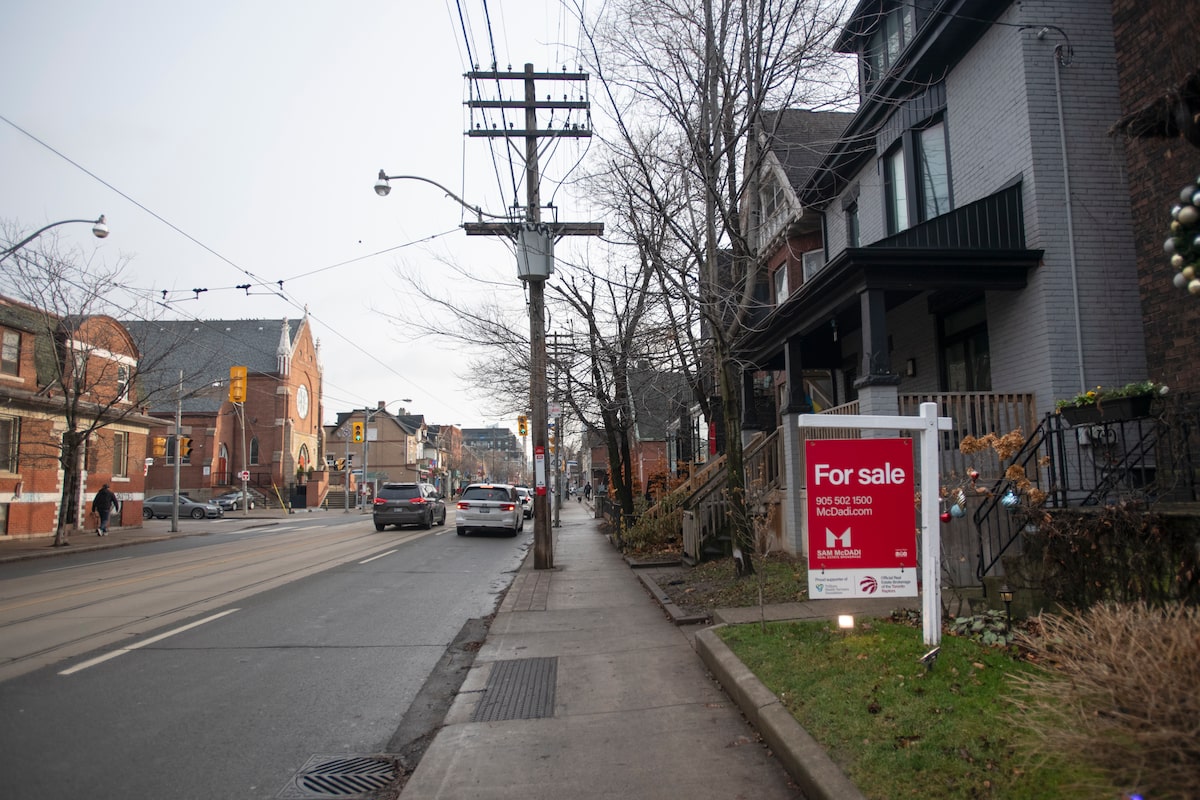
Toronto’s housing slump deepened in December, with year-over-year prices falling by 6 per cent. Only a few months ago, those drops were closer to 3 per cent.
Mr. McLaughlin described multiple factors that are weighing heavily on Toronto’s market. Immigration has been significantly cut back, Canada’s population is falling and rents are also declining, which has a knock-on impact on housing prices.
A war of attrition is being fought between buyers and sellers, and Mr. McLaughlin said that it seems buyers are winning out and getting sellers to lower their prices to close on home sales.
He pointed to other housing recessions, such as in the 1990s, and said it could similarly take some time for a rebound to occur. Among those forecasting a price decline in 2026 is the Canadian Real Estate Association, which predicts a 4.5-per-cent drop for Toronto.
Regina – 10-per-cent increase
Regina’s market remained the hottest in the Prairies in December. While Winnipeg also grew quickly at 9 per cent, other cities such as Saskatoon and Calgary were losing steam with much lower growth.
Low supply is one major reason for the Saskatchewan capital’s growth. Peter Fourlas, a realtor with Coldwell Banker Local Realty in Regina, said the city currently has roughly a quarter of the listings it would normally have.
Regina has experienced demand from the outflow of Canadians in populous regions including Ontario, and its extreme affordability has made it a popular option. The city’s home price index sat at roughly $367,000, much more affordable even compared with Quebec City, which was around $514,000.
“That’s just outrageously affordable,” Mr. McLaughlin said.
Looking forward, he said it’s possible that Saskatchewan’s market could slow down in the future. He pointed to Alberta, which has shown more softness after an earlier period of high growth.
“It could hint at softness coming for some of these other Prairie cities,” he said.