
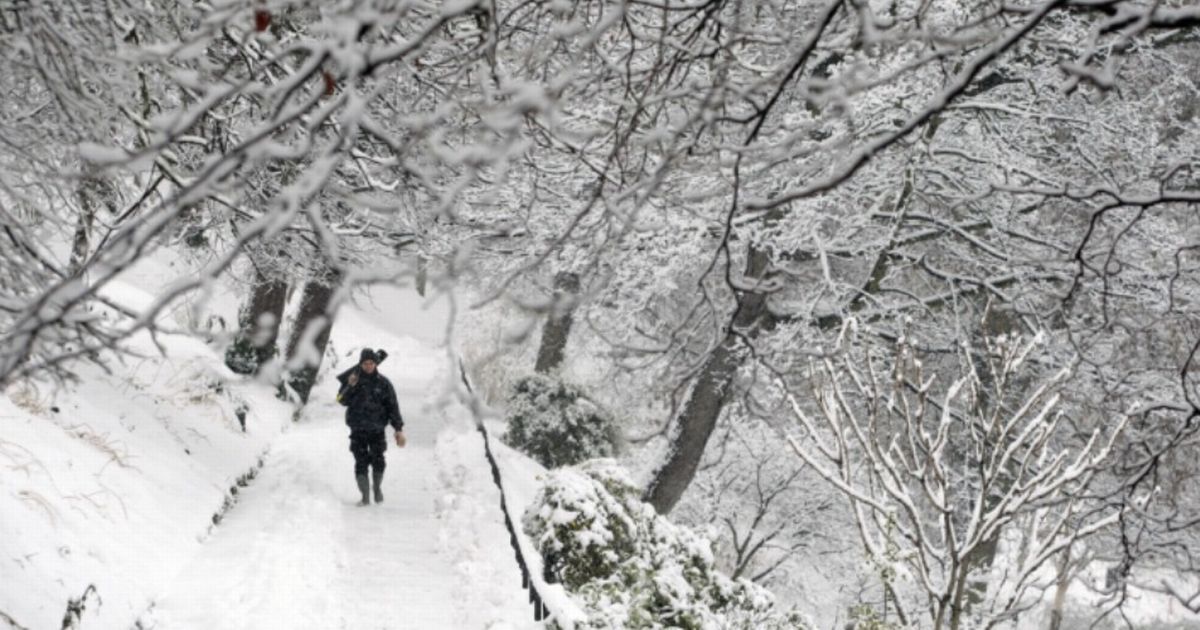
The Met Office has predicted an increased chance of colder weather and “wintry hazards”.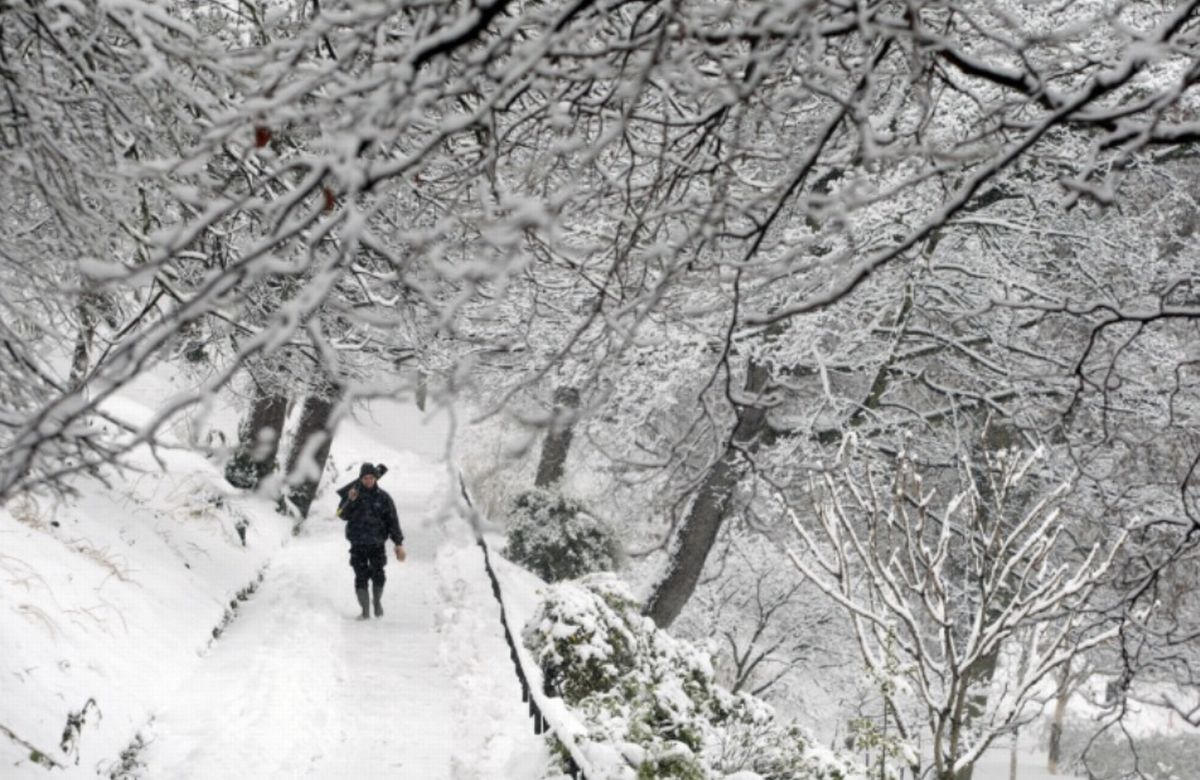
The Met Office has predicted an increased chance of colder weather and “wintry hazards”.(Image: )
The UK faces 33 INCHES of snow, according to some weather maps, with a staggering 85cm expected at times as the country is hammered by swathes of the white stuff.
Separately, the Met Office has predicted an increased chance of colder weather and “wintry hazards”. And the BBC Weather team says the end of January, and into February, means a “colder-than-average period is most probable”.
Maps from WX Charts, using the ECMWF modelling system, shows the heaviest snow is expected to land in Scotland where it could be 85cm deep. February 1 has been earmarked as the likely date flurries return to our shores.
READ MORE Warning over everyday cooking mistake costing UK households £270
The coldest parts are in central Scotland where it could drop to -11C and it is also predicted to be -10C in south Wales at midday on February 2.
Nick Finnis, from Netweather TV, said: “But at the same time, high pressure building to the north and northeast will encourage colder and more stable air to edge into northern parts of the UK initially and perhaps all parts the following week.
“This colder airmass will be sourced from a very cold Russia, though likely not as cold as there by the time it reaches the UK.
“But could be cold enough to bring snow even to lower levels, but this depends how close high pressure is, as it may remain cold and dry.
“It does look to turn colder from next weekend, but it may not be until into the following week, the last week of January, that deeper cold with risk of snow away from higher ground reaches all the UK from the east.”
The Netweather TV outlook adds: “In the meantime, the Atlantic will be in charge over the coming 5-6 days. Sunday will be largely cloudy, after any early mist or fog lifts, with patchy rain spreading north across England, Wales and eventually eastern Scotland, though turning drier with some brightness across SE England & East Anglia.”