
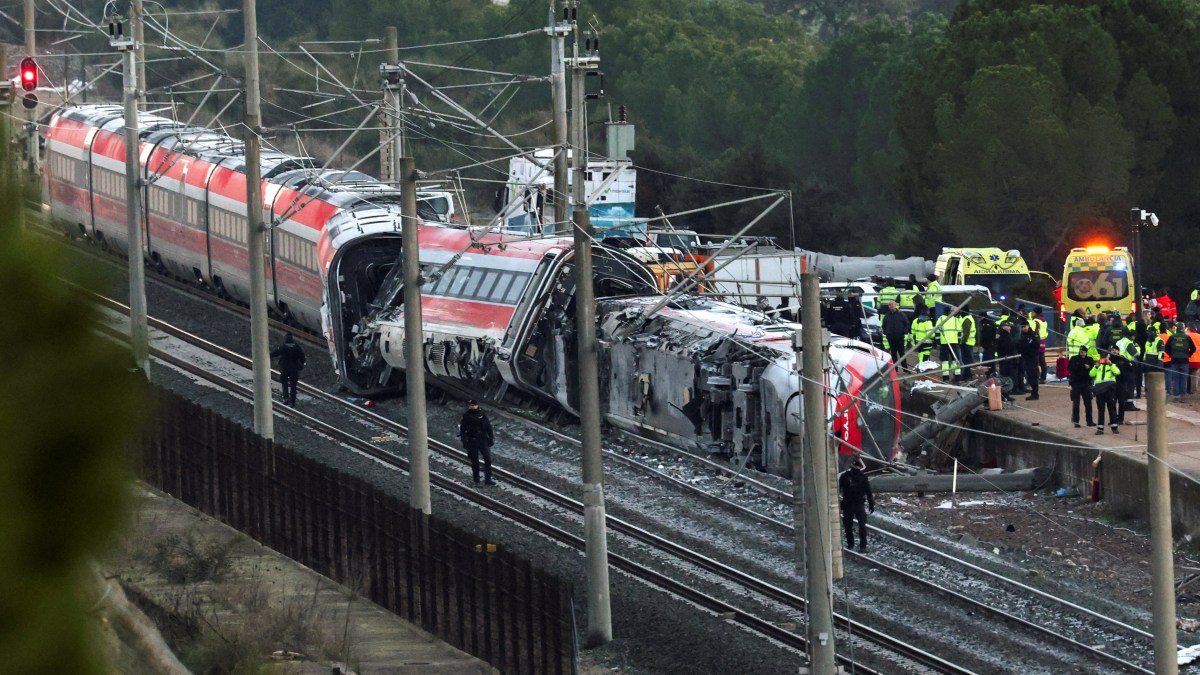
The number of people killed in the crash has risen to 40, Juan Moreno, the head of the Andalusia regional government, has said.
Gibraltar chief send condolences
Gibraltar’s chief minster, Fabian Picardo, has added to the growing list of public officials sending their condolences.
He wrote: “The tragic train crash in Spain is on a line frequently used by Gibraltarians. Our most sincere condolences to the Spanish people.”
Picardo added: “I have written to all relevant Spanish authorities expressing those condolences on behalf of Gibraltar and its people. Our thoughts are with those deceased and injured and their families.”
Three members of family killed
Reports in the Spanish media say that three members of a family of four — a father, a mother and a 12-year-old boy — were among those killed in the crash. The only survivor was their daughter, aged six.
The four, from near Huelva, were earlier reported missing. The daughter was able to escape the train on her own, El Pais reported.
Pope ‘deeply saddened’ by crash
The Pope has expressed his condolences to victims’ families and the injured.
In a telegram sent to Archbishop Luis Javier Argüello García of Valladolid, president of the Spanish bishops’ conference, Leo said was “deeply saddened to learn the painful news of the train accident in Adamuz”.
The message added that he “conveys his heartfelt condolences to the families of the deceased, together with his expressions of comfort, spiritual closeness, and wishes for the speedy recovery of the injured”. The pope also encouraged rescue teams “to persevere in their efforts of relief and assistance”.
Track fault ‘had been there for some time’
Experts investigating the cause of Sunday’s derailment of a high-speed train in Spain, which killed at least 39 people, have found a broken joint on the rails, according to a source briefed on initial investigations into the disaster, Reuters has reported.
The derailed carriages smashed into an oncoming train, pushing it off the tracks and down an embankment in one of the worst recent train disasters in Europe.
Technicians on site analysing the rails identified some wear on the joint between sections of the rail, known as a fishplate, which they said showed the fault had been there for some time, the source said. They found that the faulty joint created a gap between the rail sections that widened as trains continued to travel on the track.
The source, who declined to be identified due to the sensitivity of the issue, said the technicians believed the faulty joint was key to identifying the precise cause of the accident.
Spain’s Commission of Investigation of Rail Accidents (CIAF), which has been tasked with the overall investigation into the causes of the disaster, did not immediately respond to requests for comment.
Praise for residents who helped stranded passengers
Among the tributes to emergency responders, there has also been praise for the residents of the small town of Adamuz, where the crash took place.
Those who survived said the whole town mobilised, bringing water, blankets and food to help the stranded passengers in the immediate aftermath.
“That won’t be forgotten,” Salvador Jimenez, a journalist with the Spanish public broadcaster RTVE, who was pulled from one of the trains, said. “In the end, it’s a lottery. Many of us were lucky.”
Adamuz has a population of about 4,000 people.
Local residents queue up to give blood 
Residents from Malaga donating blood on Monday following the accident
ÁLEX ZEA/AVALON
Crash ‘would leave a mark on us for ever’
Speaking before the Spanish prime minister at the same press conference, Juanma Moreno, the president of the Andalusian regional government, said the crash “would leave a mark on us for ever”.
He added that it was “an unprecedented disaster” which was “beyond our capabilities as a local administration”.
‘Child calling for his mother’ in wreckage
One of the people who rushed to help survivors has described seeing body parts along the tracks between the two crash sites.
Paqui, an Adamuz resident, said: “[My husband] found a dead child inside, another child calling for his mother. You’re never ready to see something like this.”
RTVE, the state broadcaster, interviewed Juan Barroso, who has lost trace of four family members and was desperately travelling from hospital to hospital and ringing the railway companies in search of answers.
He said his cousin and her six-year-old daughter had been found, but others including his nephew were still missing.
Sánchez promises to ‘find answers’ to crash 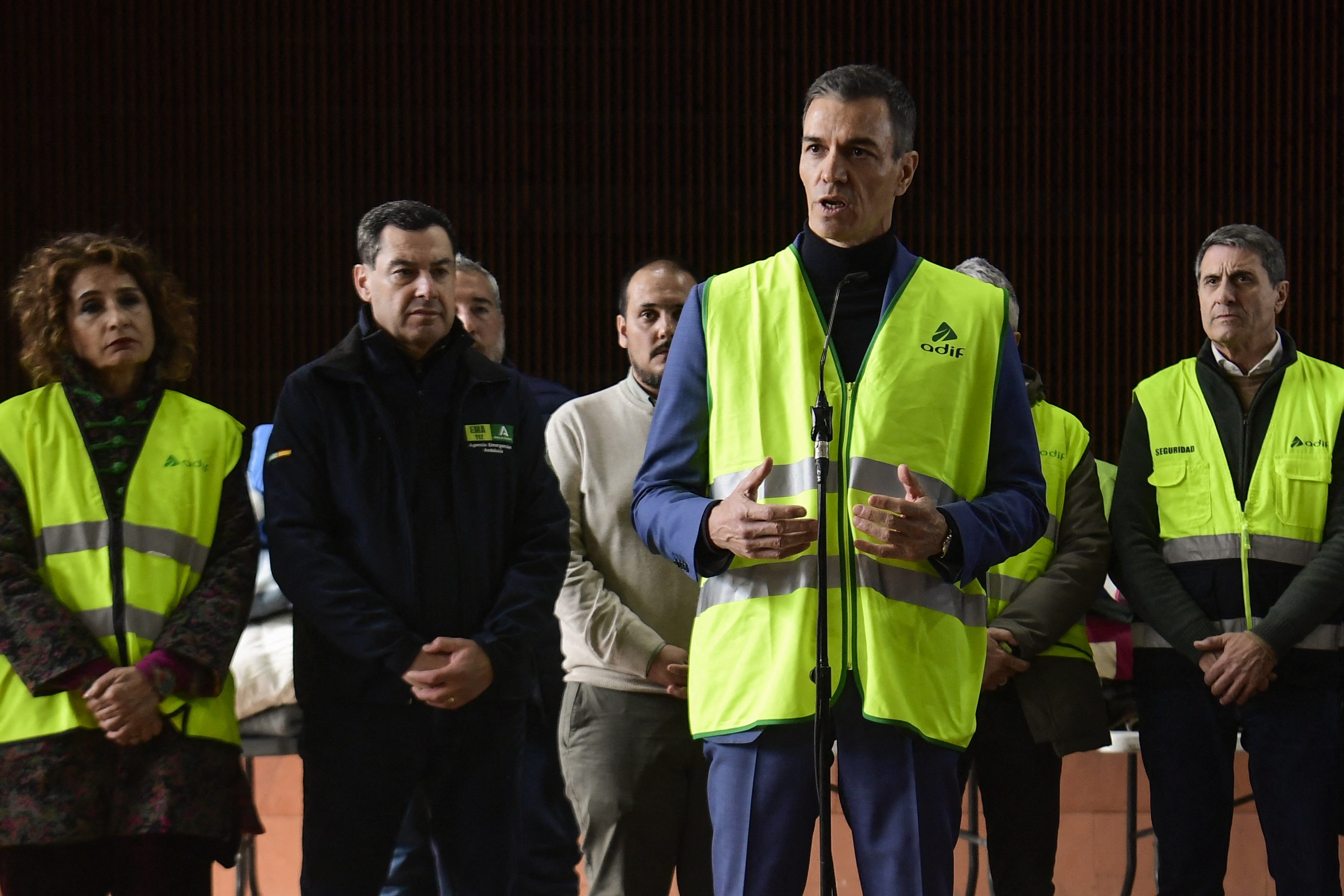
Pedro Sánchez speaks at the scene in Adamuz, southern Spain
CRISTINA QUICLER/AFP
The Spanish prime minister, Pedro Sánchez, has promised that investigators will discover what happened to cause the crash and that would be relayed to the Spanish people with “transparency”.
Sánchez said: “We will get to the truth, we will find the answers.”
He called it “a very painful day for all of us” and declared three days of national mourning.
International sympathy for Spain
Foreign leaders have publicly expressed their sadness over the crash, including President Macron of France, the Albanian prime minister, Edi Rama, and the prime minister of Canada, Mark Carney.
Viktor Orban, the prime minister of Hungary, wrote on X that his country “stands in solidarity with the Spanish people during this difficult time”.
Please enable cookies and other technologies to view this content. You can update your cookies preferences any time using privacy manager.
Enable cookiesAllow cookies onceBodies found ‘hundreds of metres away’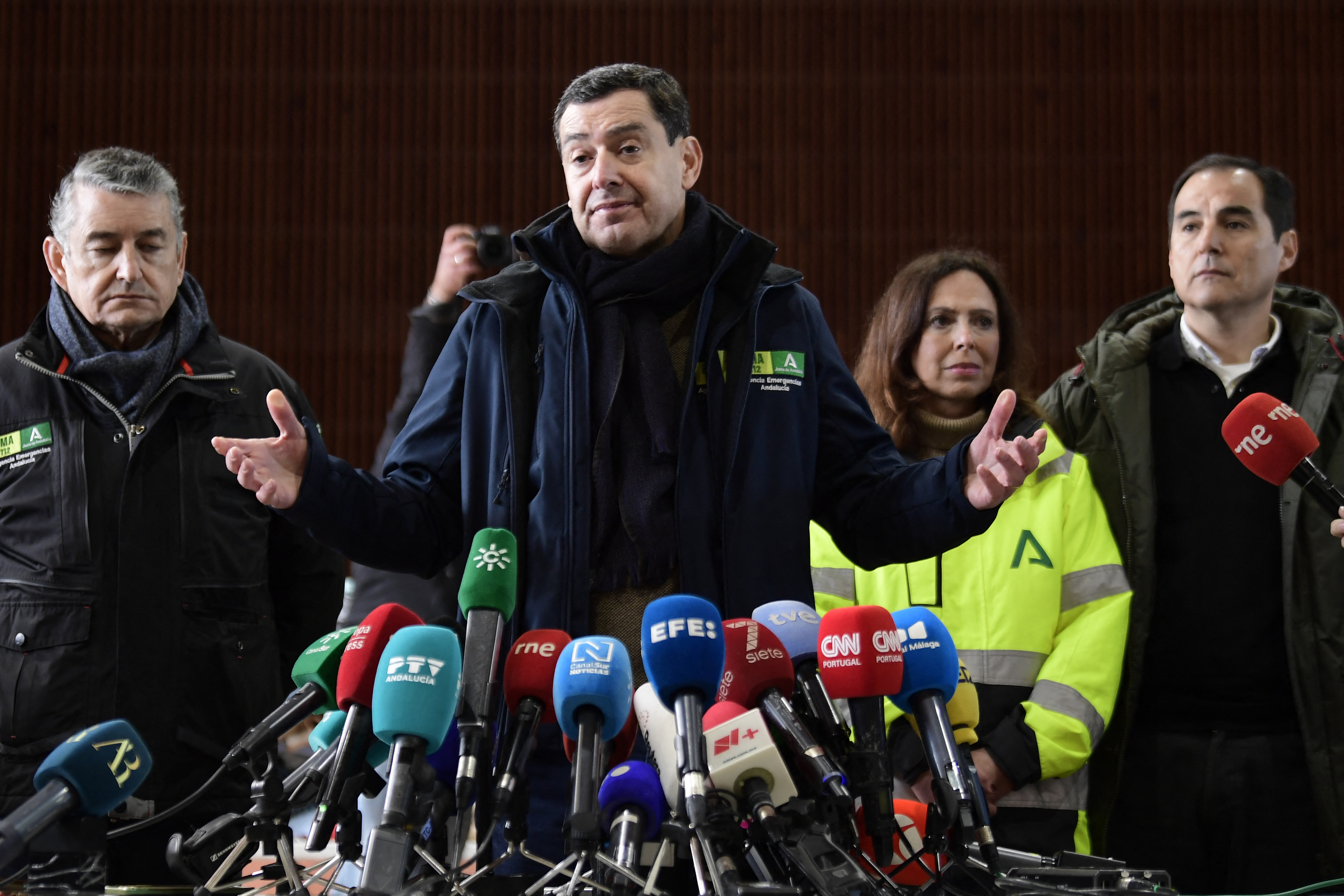
Juanma Moreno speaking to the press on Monday
CRISTINA QUICLER/AFP/GETTY IMAGES
The head of the Andalusian regional government, Juanma Moreno, has described the scene of the wreckage as a “mass of twisted metal”.
“Here at ground zero, when you look at this mass of twisted iron, you see the violence of the impact,” he said.
He added that the authorities are also searching the area near the accident for possible bodies.
“The impact was so incredibly violent that we have found bodies hundreds of metres away,” Moreno said.

MPs in Madrid observe a minute’s silence for the victims
CHEMA MOYA/EPA
Almost 500 passengers on board two trains 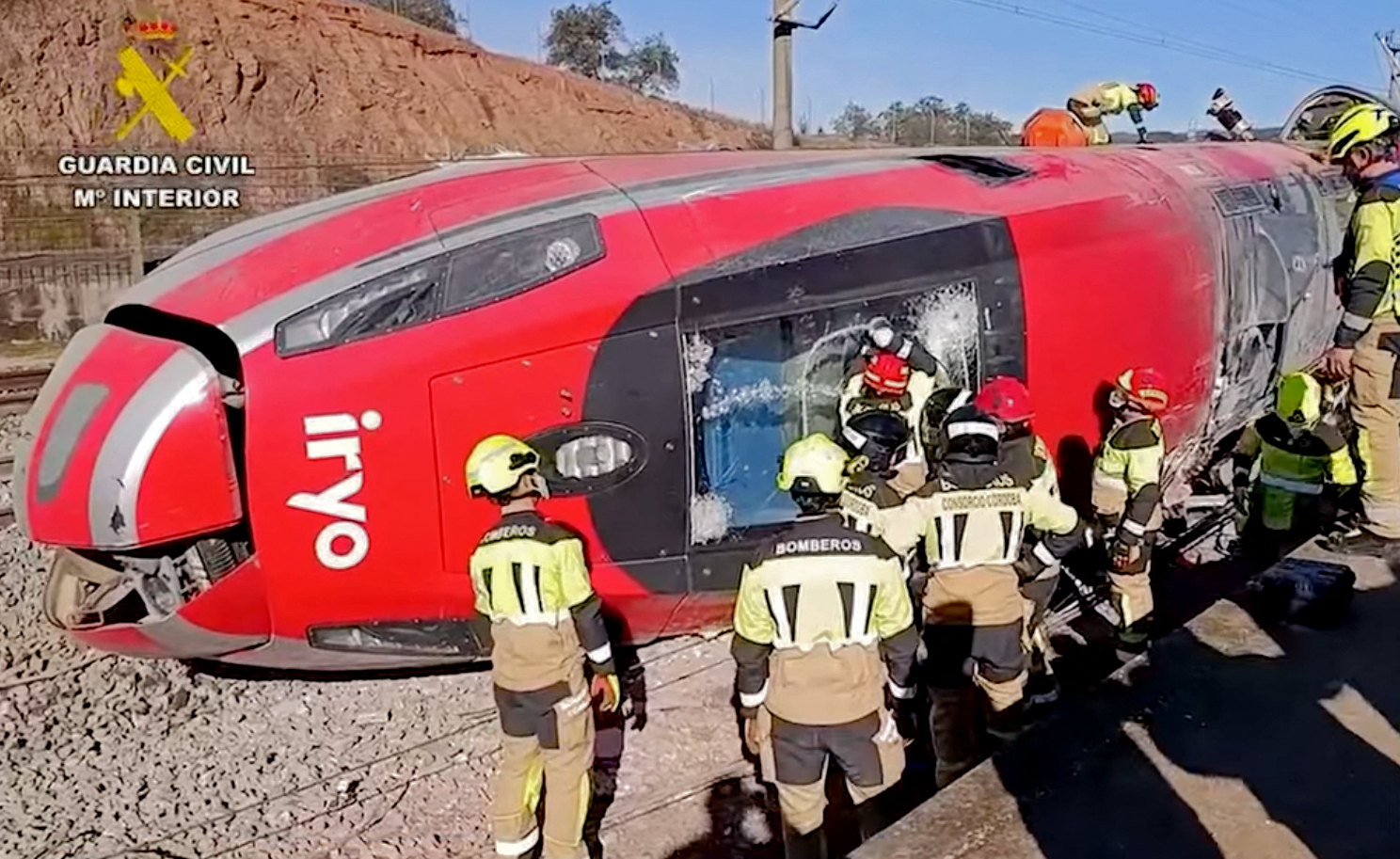
The Iryo high-speed train
GUARDIA CIVIL/AFP
Renfe, the state rail company, said its train, travelling to the southern city of Huelva, was carrying 184 passengers when the crash happened.
The private train operator Iryo said about 300 people were on board its service from the Andalusian city of Malaga to Madrid.
In pictures: crash site from the air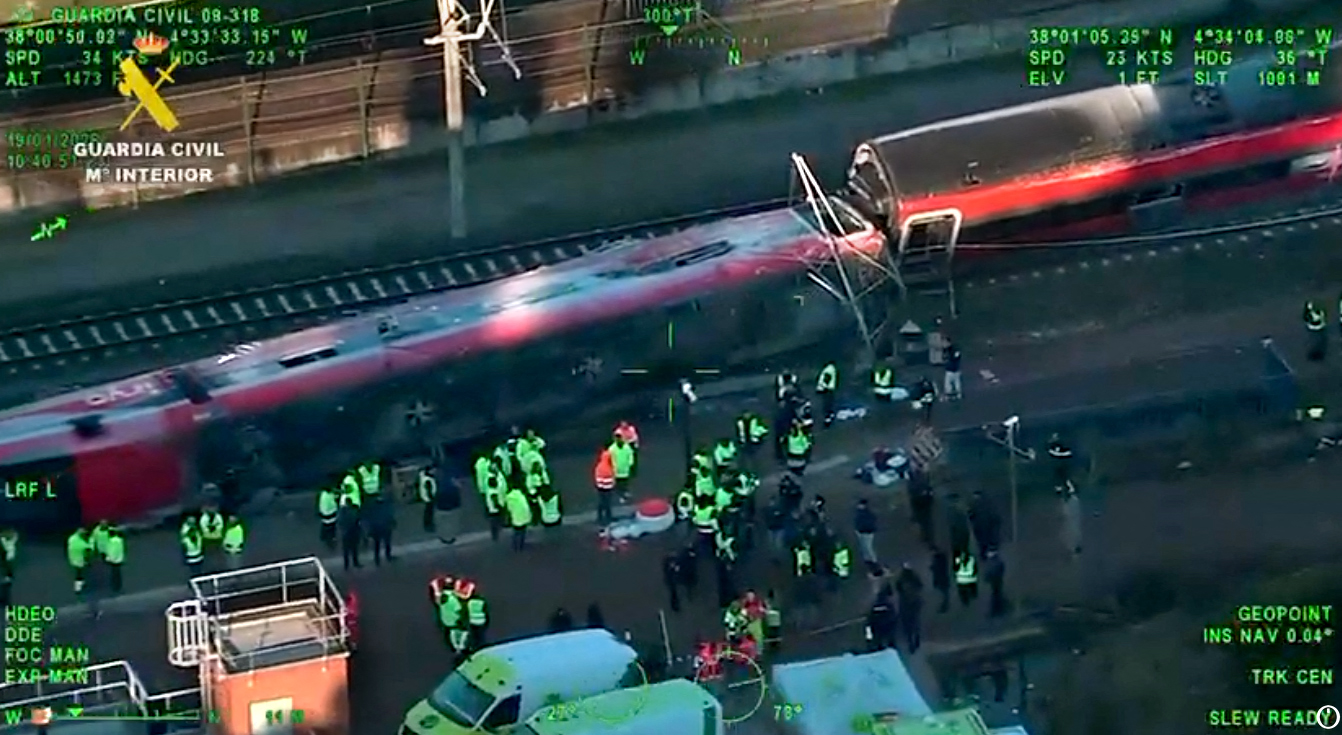
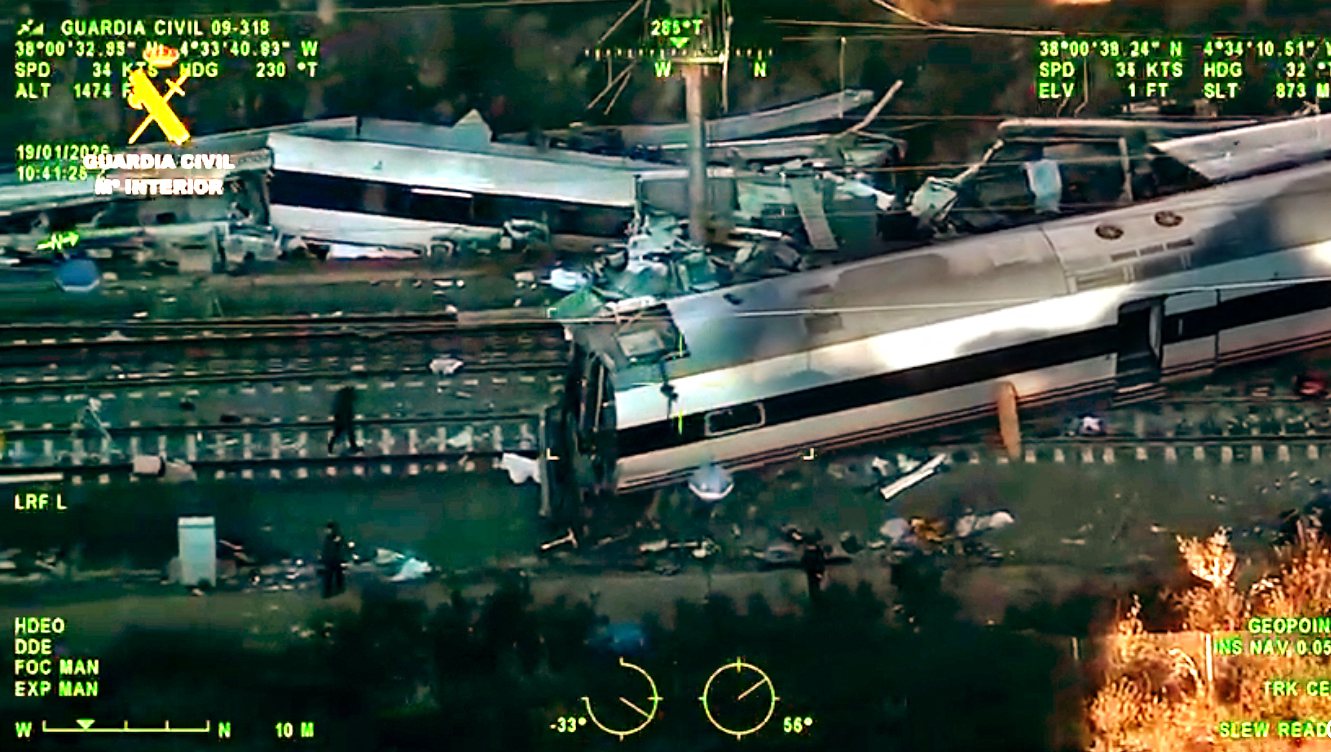
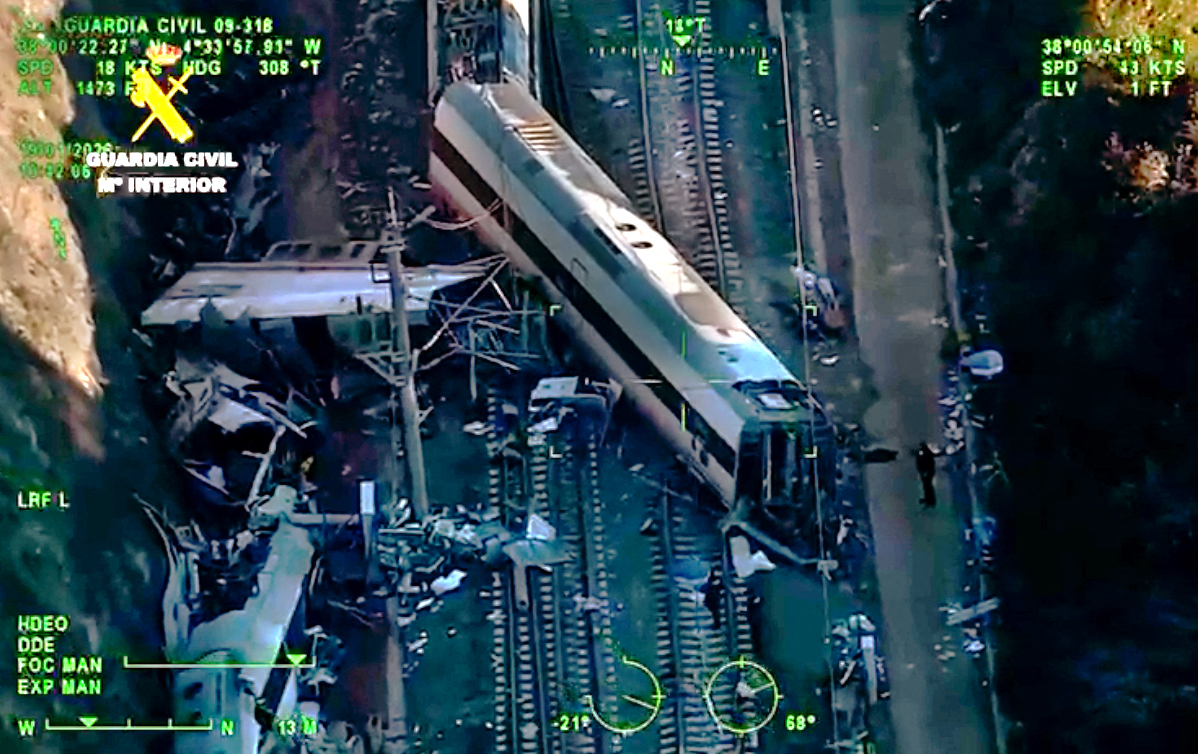
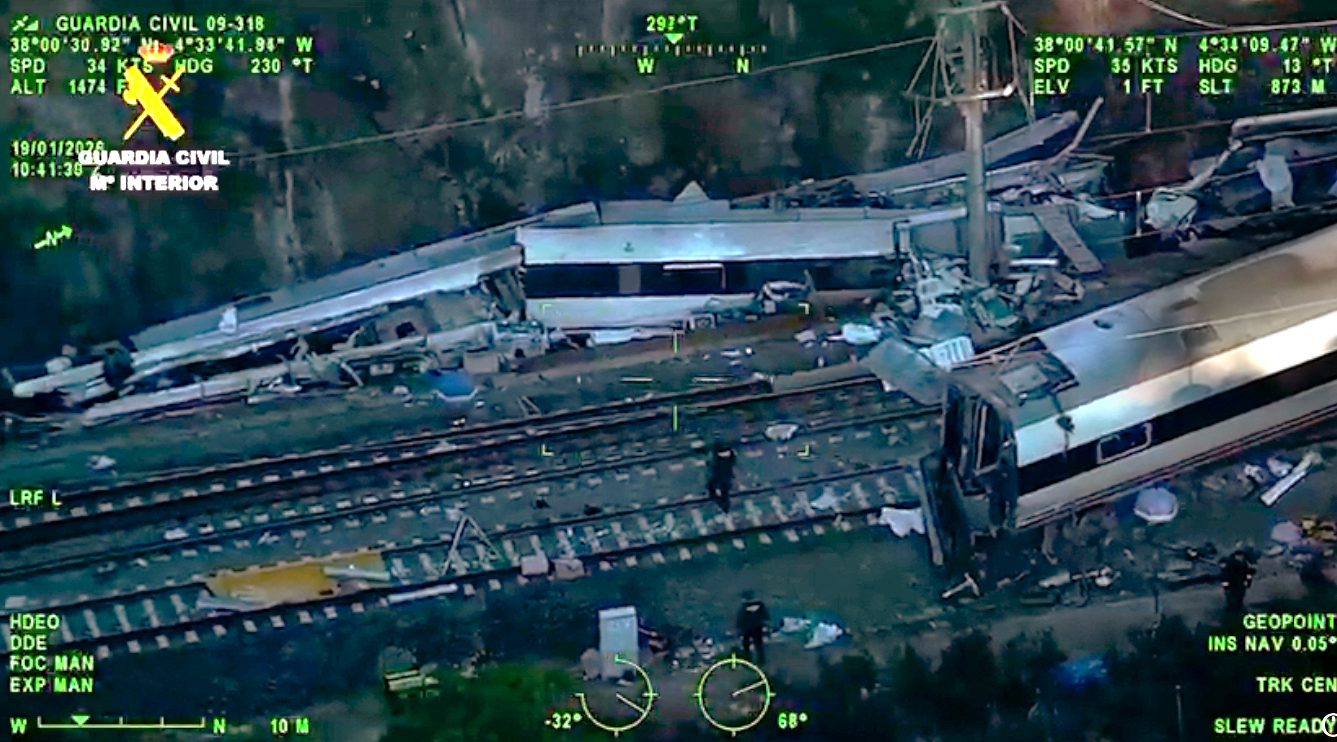 Crash is one of worst in Europe this century
The crash in southern Spain, which has killed at least 39 people, is at least the sixth worst rail accident in Europe since 2000, reports AFP.
In 2013, 80 people were killed near Santiago de Compostela in northwest Spain, the country’s worst train accident since 1944.
In 2023 in Greece, 57 died after two trains collided near the northern city of Larissa. A trial of railway executives and a stationmaster will begin later this year.
In 2006, 47 people were killed in Montenegro after a train plunged into a canyon of the River Moraca some nine miles north of the capital, Podgorica
In 2010, 45 lost their lives after a collision between a train and a bus in Marganets, in central Ukraine.
In 2004, 41 people in Turkey were killed after a high-speed train derailed in the northwestern province of Sakarya
Hundreds of emergency workers on site
More than 220 Civil Guard officers are working on the wreckage of the train crash, officials have announced.
In a statement on X, it said forensic staff were also on site.
Please enable cookies and other technologies to view this content. You can update your cookies preferences any time using privacy manager.
Enable cookiesAllow cookies onceCause of the crash remains unknown, minister says
The Spanish prime minister, Pedro Sánchez, is expected to talk to the media within the next half an hour, according to transport minister, Oscar Puente.
In a message posted on X, Puente wrote: “We have been able to confirm the severity of what happened and the terrible consequences. But we do not know, nor does anyone know at this moment, the causes.”
Union warned of severe wear and tear on tracks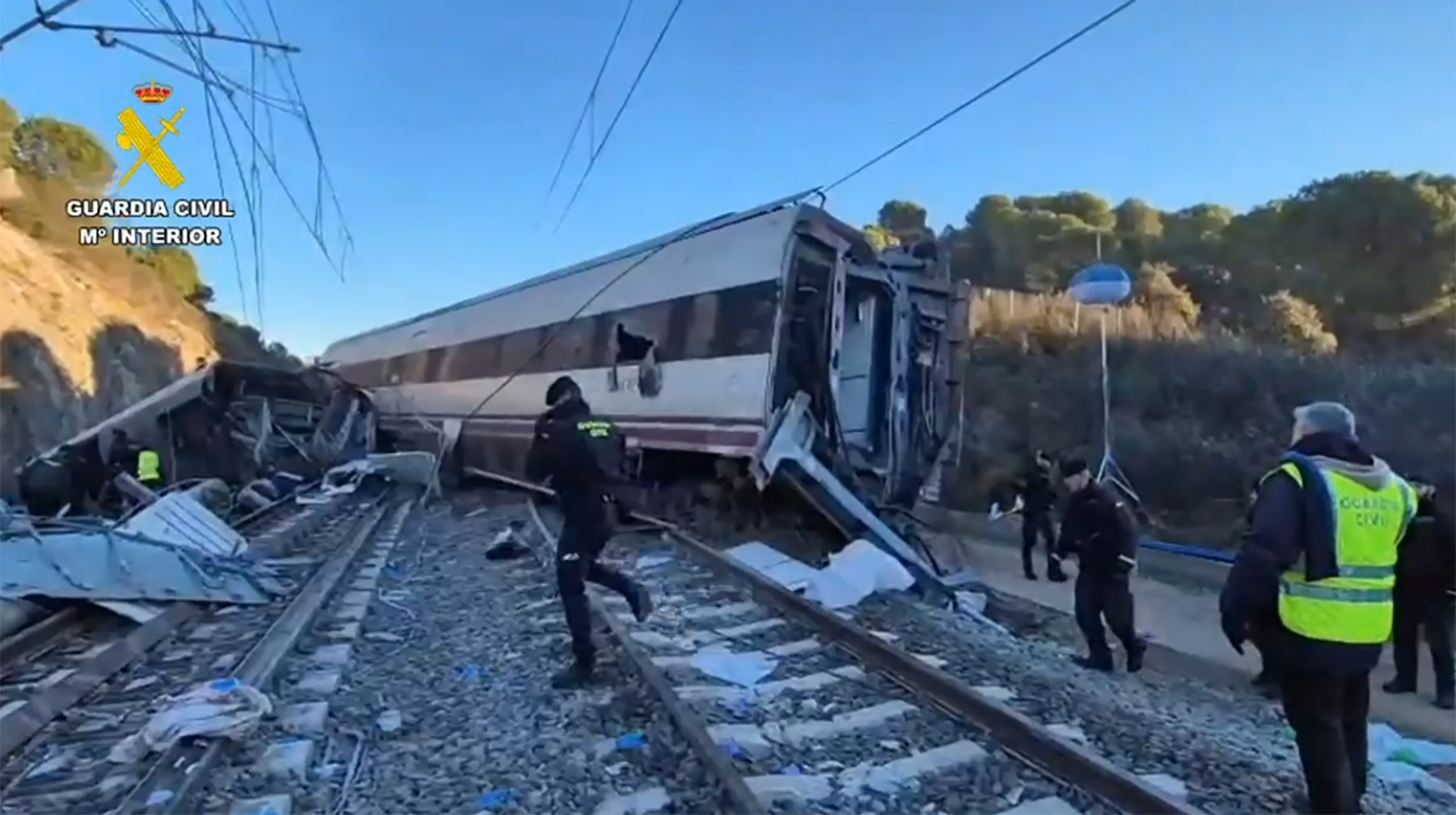
The site of the crash
GUARDIA CIVIL/EPA
A Spanish train drivers’ union warned the rail operator Adif in a letter last August of severe wear and tear on high speed rail tracks, including one where two trains collided in a fatal crash on Sunday, according to a copy of the letter seen by Reuters.
Bumps and imbalances in overhead power lines were causing frequent breakdowns and damaging the trains, according to the letter, published on X and verified by a member of the union Semaf to Reuters, read, adding drivers had notified the operator “daily” of their concerns but that no action was taken.
Adif did not immediately reply to a request for comment.
Search for pet dog on stricken train
Families of those on board the trains are desperately trying to find any information about those people still unaccounted for, and one family is trying to trace its pet dog.
Ana García Aranda, who was on the train travelling from Malaga, with her pregnant sister and her sister’s boyfriend, and the family’s dog, Boro. Ana’s sister, Raquel, is in critical condition in hospital in Cordoba.
“I think she hit her head trying to protect the dog,” Ana told El Mundo.
Rescue dog Boro made it off the train but then disappeared, she said. “He’s terrified,” Ana said. “If anyone sees him and approaches him, they should do so very slowly, because he’ll probably run away. He doesn’t usually go near people.”
“I saw Boro as I got off the train, I called him and he came with me. Then he took off running, but I couldn’t go after him because I couldn’t leave my sister,” she added. “If I can’t do anything for my sister, at least I hope I can find my dog, who ran off and I don’t think he was hurt.”
Spanish embassy in UK pays tribute to victims
The Spanish embassy in the UK posted a tribute to the victims of the crash on Monday morning.
It wrote on X: “We extend our deepest condolences to the families and friends of those who lost their lives. We hope for a speedy recovery for those who were injured.”
Please enable cookies and other technologies to view this content. You can update your cookies preferences any time using privacy manager.
Enable cookiesAllow cookies onceSpanish king’s ‘concern’ at tragedy
King Felipe of Spain has spoken to reporters in Greece, where he is at a family funeral.
He said the family will soon return to Spain. Reports earlier said he and his wife, Queen Letizia, would visit the crash site on Tuesday.
“We want to convey our consternation and our concern about what happened yesterday,” he said. “As soon as we finish here we will return immediately.”
Please enable cookies and other technologies to view this content. You can update your cookies preferences any time using privacy manager.
Enable cookiesAllow cookies onceSánchez cancels Davos trip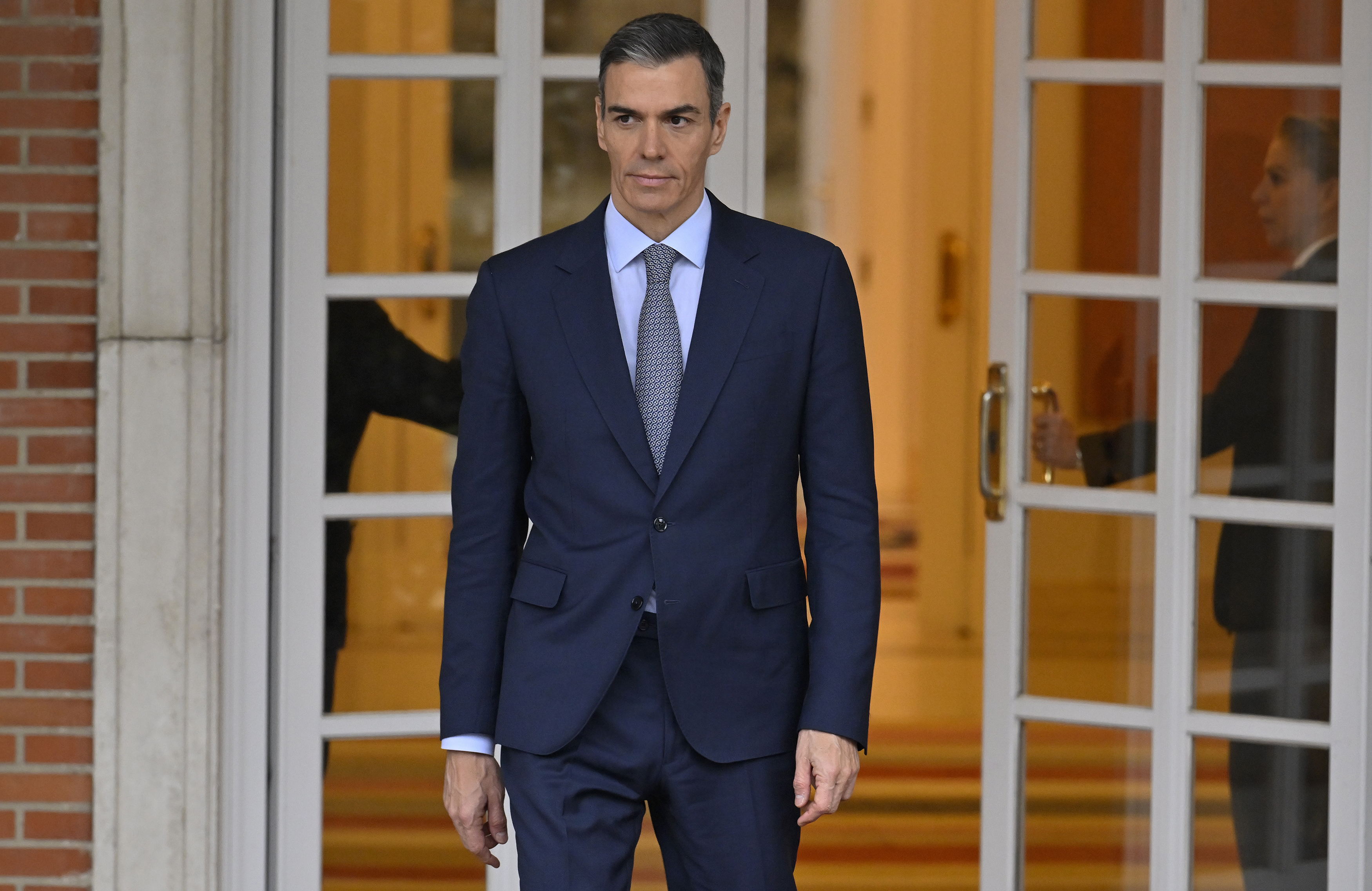
Pedro Sánchez
BURAK AKBULUT/ANADOLU/GETTY IMAGES
Pedro Sánchez, the Spanish prime minister, has cancelled his trip to attend the World Economic Forum in Davos because of the train crash, his office said on Monday morning. He is due to travel to the crash site later.
The annual meeting begins today and lasts until Friday.
Both trains travelling under speed limit
Álvaro Fernández, the president of state-owned rail company Renfe, has told Spanish public radio RNE that both trains were well under the speed limit of 250 km/h. He said one was travelling at 205 km/h and the other at 210 km/h.
He also said that “human error could be ruled out”.
The incident “must be related to the moving equipment of Iryo or the infrastructure” the Renfe president said.
Spanish high-speed rail network longest in Europe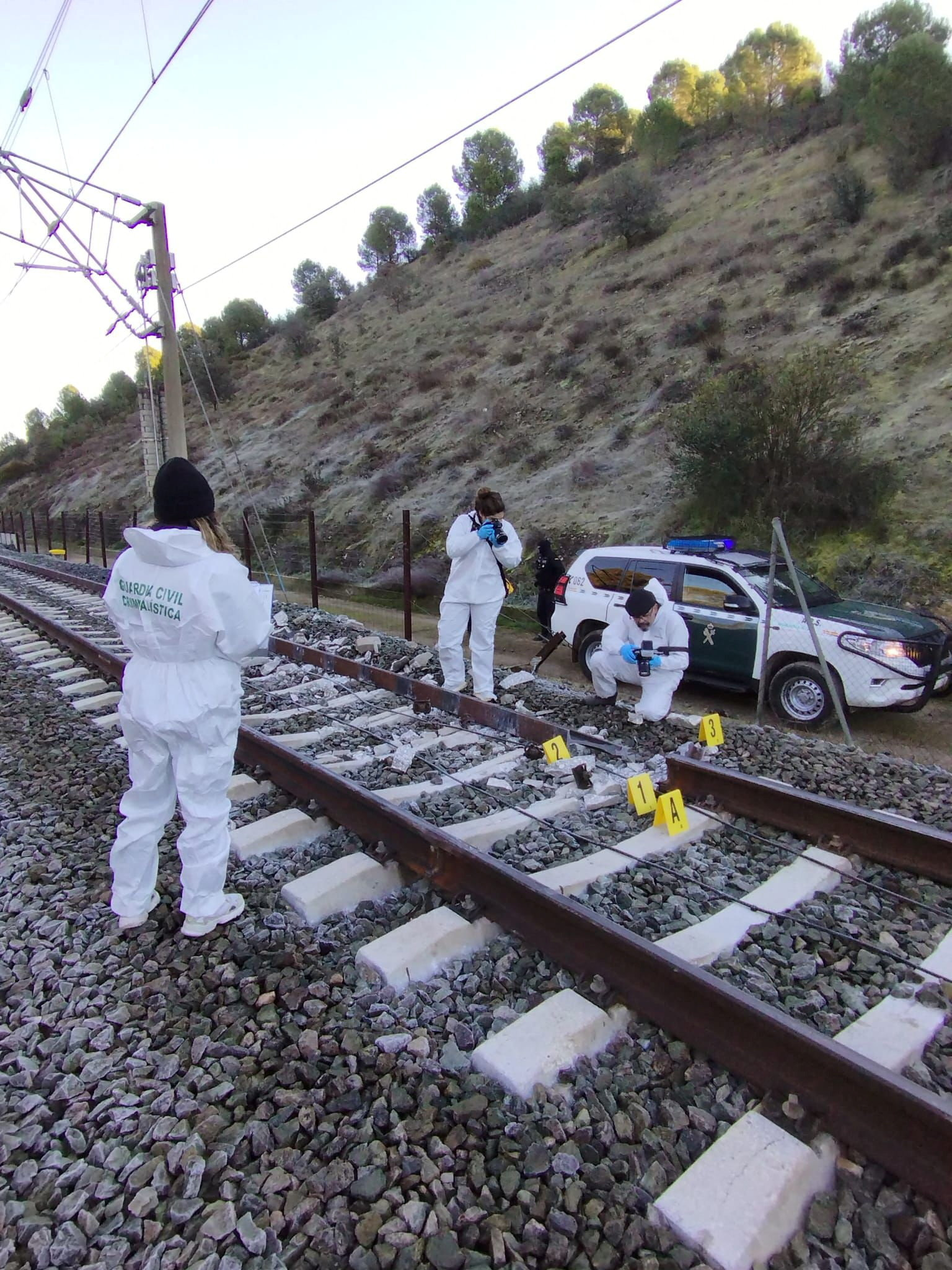
The stretch of track where the accident took place had recently been renewed
REUTERS
Spain’s high-speed railway network has 3,622 km of tracks, according to state-owned rail infrastructure administrator Adif, making it the largest in Europe and the second-biggest in the world after China.
About ten million people used the high-speed railway between Madrid and Andalusia in 2024, according to competition authority CNMC.
The government was criticised last year for a series of delays on the network, caused by power outages and the theft of copper cables from the lines. The network is vulnerable to cable thefts as it crosses large swathes of empty countryside.
Train was inspected this month, private rail firm says
Iryo, the private rail company that operated the high-speed service from Malaga, said an inspection on the train was last carried out earlier this month.
“As indicated by the ministry of transport, this was an accident that occurred on a section of line, and the train involved was newly-built, manufactured in 2022, with the last inspection carried out on 15 January.”
The CEO of Iryo, Fabrizio Favara, has travelled to the site of the crash. It said the “entire company” sends its condolences to the families of those who died and expresses its solidarity to those who were injured, wishing them a “speedy recovery”.
Please enable cookies and other technologies to view this content. You can update your cookies preferences any time using privacy manager.
Enable cookiesAllow cookies onceSurvivor: I’ve been given a second chance at life
Some of the survivors have been talking of the moment the crash took place, with one claiming she has been “given a second chance at life”.
The passenger, who gave her name as Montse, told Spanish public television the train jolted then “came to a complete stop and everything went dark”.
She described being thrown around in the carriage at the back end of the train and seeing luggage tumble onto other passengers.
“The attendant behind me hit her head and was bleeding. There were children crying,” she added. “Luckily, I was in the last car. I feel like I was given a second chance at life.”
Another survivor, Lucas Meriako, who was travelling on the Iryo train, told La Sexta television: “This looks like a horror movie.”
“We felt a very strong hit from behind and the feeling that the whole train was about to collapse … There were many injured due to the glass,” he said.
In pictures: crash aftermath 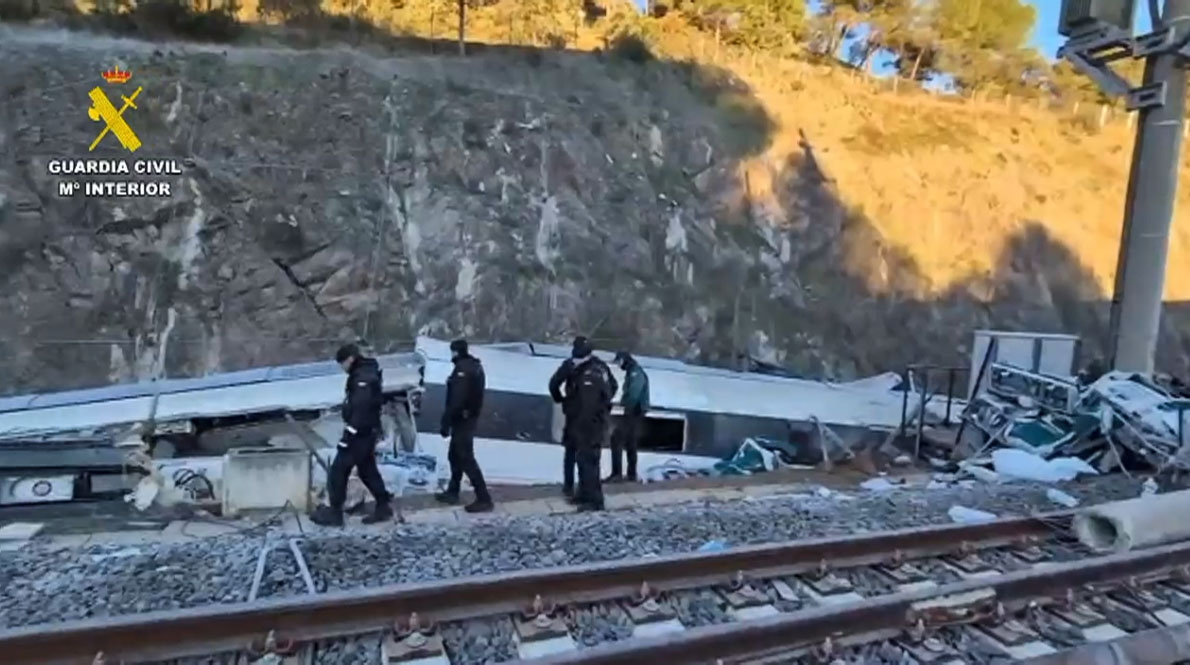
Police examine the wreckage
GUARDIA CIVIL HANDOUT/EPA
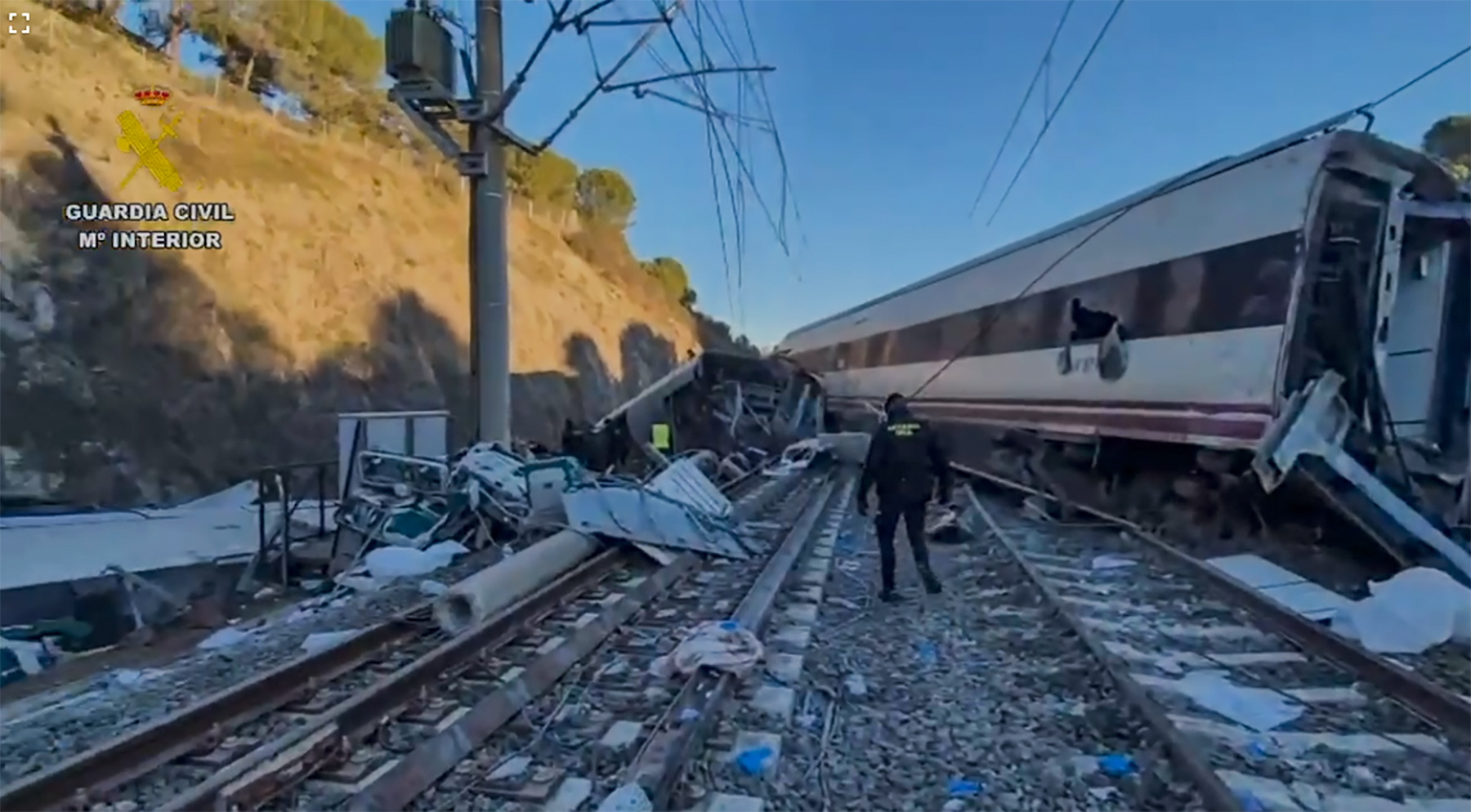
GUARDIA CIVIL HANDOUT/EPA
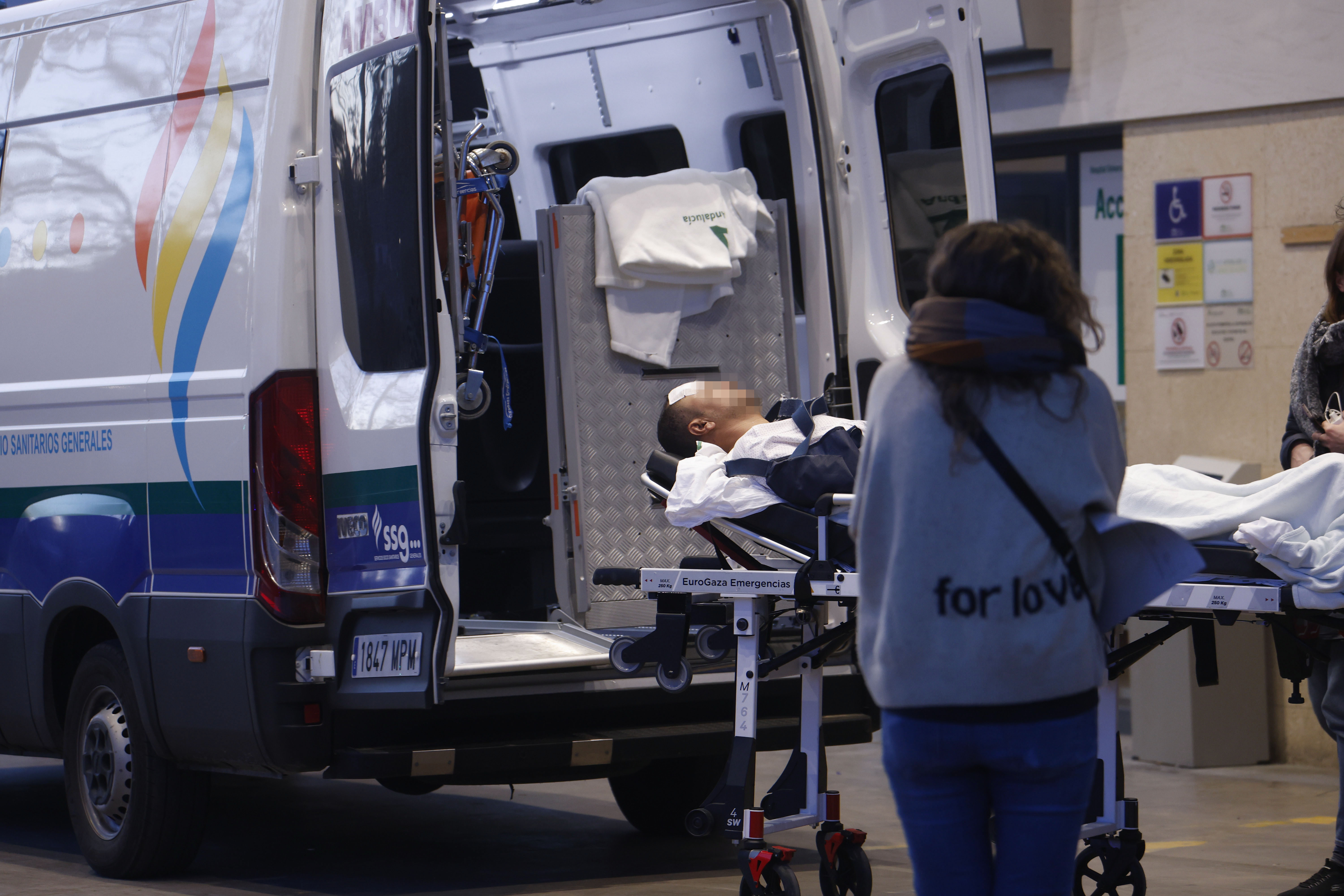
An injured passenger is taken to hospital
SALAS/EPA
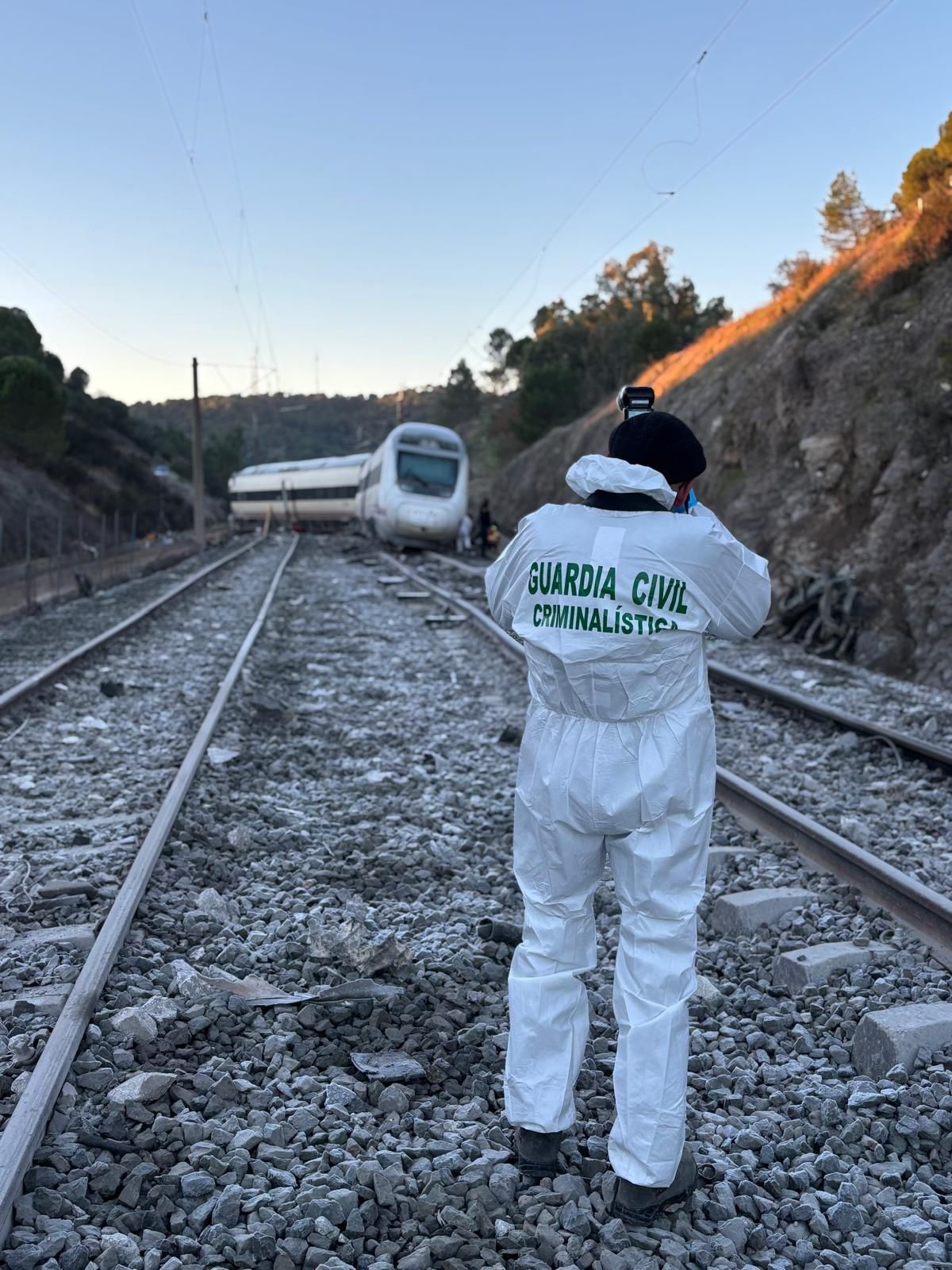
The investigation will take weeks to complete
GUARDIA CIVIL HANDOUT/EPA
King and queen to visit crash site
King Felipe and Queen Letizia will visit the crash site on Tuesday to offer their condolences, the royal palace in Madrid has announced.
The pair travelled to Greece at the weekend to pay their final respects to Princess Irene of Greece and Denmark, the younger sister of Spain’s Queen Sofia, the wife of former monarch Juan Carlos.
Disaster worst on Spanish railways since 2013
Sunday’s disaster is the worst incident on Spain’s railways since 2013 when a high-speed train derailment in Galicia, in the northwest of the country, left 80 people dead and 140 others injured.
An investigation concluded the train was traveling 179 km/h (111 mph) on a stretch with an 80 km/h (50 mph) speed limit when it left the tracks.
Crash ‘like an earthquake’
Among those on board one of the derailed trains was Salvador Jiménez, a journalist for Spanish broadcaster RTVE, who compared the collision to an “earthquake”.
“There was a moment when it felt like an earthquake and the train had indeed derailed,” he told the broadcaster.
Bodies may still be on trains, says rail boss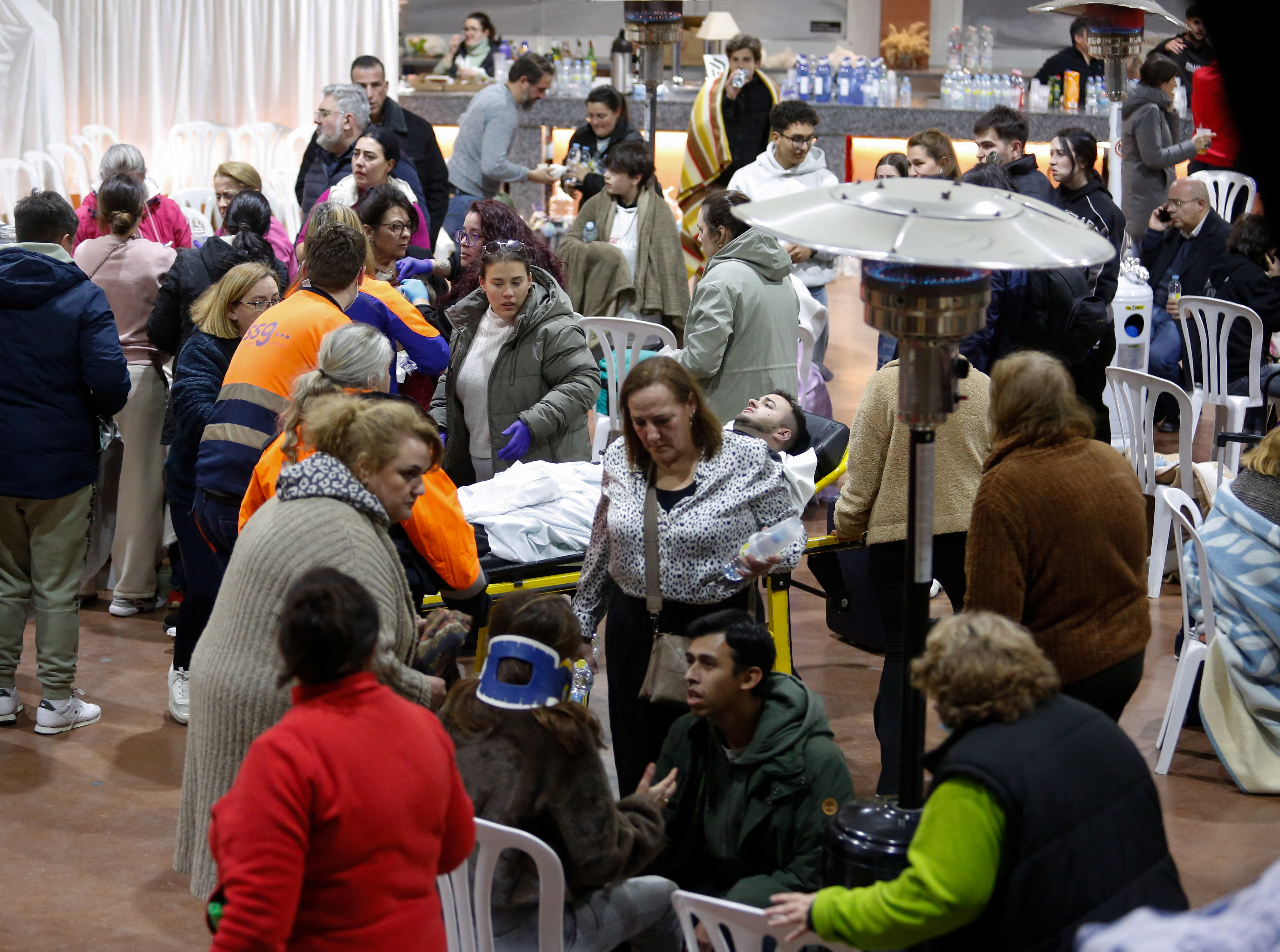
The true scale of the disaster may not be known for days
ALEX GALLEGOS/REUTERS
Álvaro Fernández Heredia, the boss of Spain’s state-owned rail company, said there may still be bodies on board the trains.
“Work went on all night to evacuate people alive,” he told Cadena SER radio. “Everyone has been evacuated, but it is very difficult to know if there are still bodies left, and possibly there are.”
Echoing earlier remarks from the Spanish transport minister, Heredia said that it was an accident which occurred “under strange circumstances”.
“The worst thing we can do is speculate. We have to let the independent investigation commission do its work,” he added. “We won’t have a conclusive answer for several days.”
Spanish PM to visit crash site
Spain’s prime minister, Pedro Sánchez, will travel to the crash scene this morning, it has been announced.
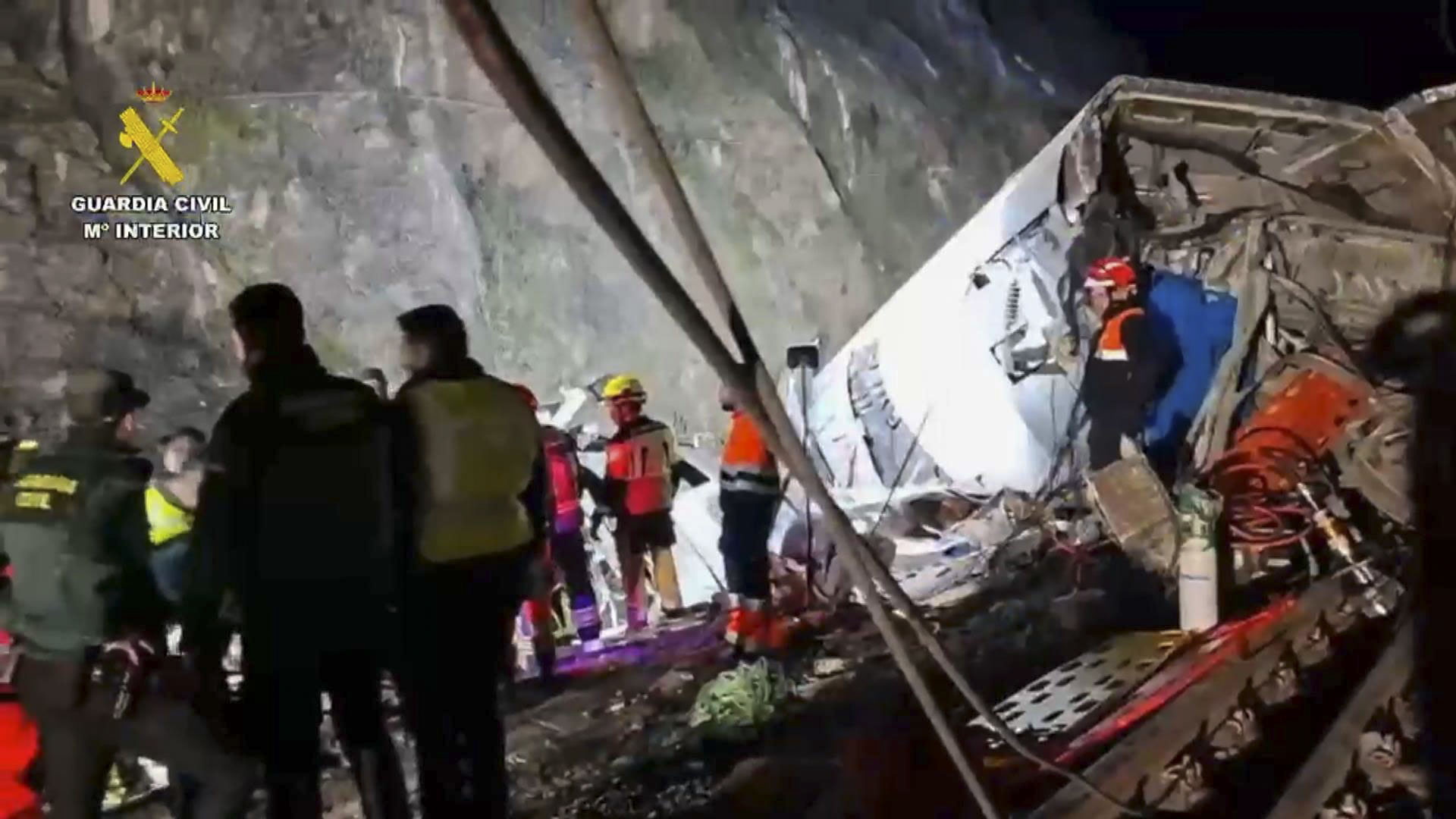
Madrid officials said Sánchez has also cancelled all other events that he planned for today.
Five children among 48 still in hospital
A total of 48 people remain at the Reina Sofía Hospital in Cordoba following the crash, including five children, Juan Manuel Moreno, a senior official of the Andalusian government, has said.
In an update on Monday morning, Moreno said 11 people were being treated in intensive care, two of whom are children.
‘Truly strange’ accident, says minister, cause of crash unknown
In further comments on Monday morning, Puente said the cause of the crash was unknown and called it “a truly strange” incident.

A makeshift hospital was set up in a sports centre in Adamuz
FRANCISCO J OLMO/EUROPA PRESS VIA AP
He said the accident happened on a flat stretch of track that had been renovated in May. He also said the train that jumped the track was less than four years old. That train belonged to the private company Iryo, while the second train, which took the brunt of the impact, was part of Spain’s public train company Renfe.
According to Puente, the back part of the first train derailed and crashed into the head of the other train, knocking its first two carriages off the track and down a 4m (13ft) slope. He said the worst damage was to the front section of the Renfe train.
When asked by reporters how long an inquiry into the crash’s cause could take, he said it could be a month.
Death toll ‘not final’, warns transport minister
Óscar Puente, the Spanish transport minister, has said the death toll of 39 “is not final”.
“Already in Córdoba, on the way to the scene of the accident. The death toll has already reached 39 and it is not final,” Puente wrote on X.
“I want to express my full gratitude for the huge effort of the rescue teams overnight, in very difficult circumstances, and my condolences to the victims and their families at this terribly difficult time,” he added.
Hundreds of passengers on trains after weekend break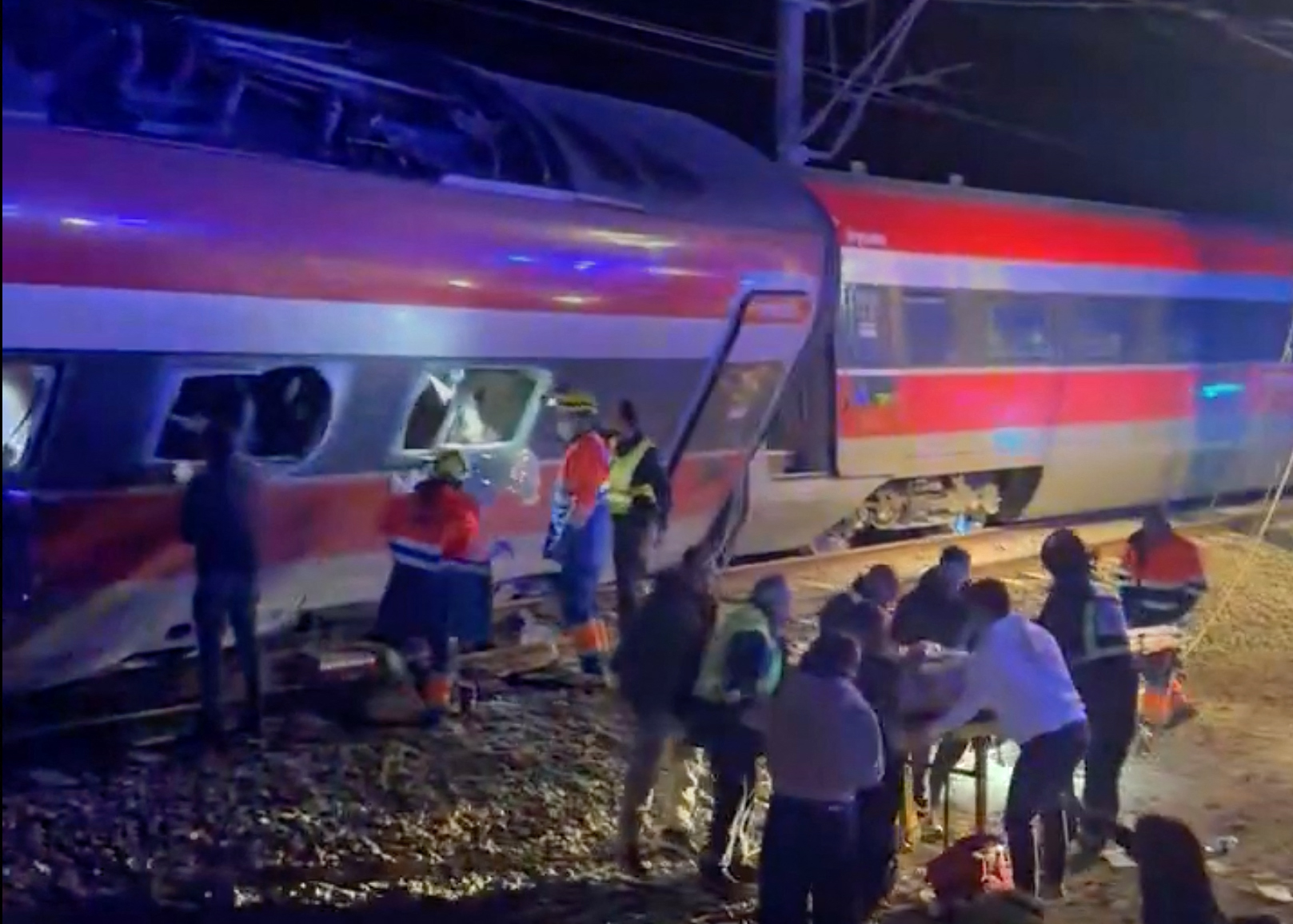
It is thought there were around 400 passengers on the two trains, most of them Spaniards travelling back to and from Madrid after the weekend.
The cause for the crash is not yet known, Oscar Puente the Spanish transport minister, told reporters at a press conference at Atocha station in Madrid on Sunday.
Passenger recalls moment train derailed
María San José, 33, a passenger on the train from Malaga to Madrid, said: “There are many injured, I’m still shaking.”
She said that the passengers suddenly began to feel vibrations “and lots of banging, banging, suitcases started falling, and banging until the train came to a halt … We thought it had been a derailment, but when we got out we saw the twisted carriages and two carriages from the other train overturned.”
Spanish PM posts message of condolence
Spain’s prime minister, Pedro Sánchez, said “no words can alleviate such great suffering” in a message to the families and loved ones of the victims.
“Tonight is a night of deep sorrow for our country due to the tragic train accident in Adamuz,” he posted on X.
Passengers trapped in wreckage, driver found dead
Firefighters, medical units and rescue teams remain engaged in rescue and recovery operations. The high-speed line between Madrid and Andalusia has been suspended while investigators assess the scene.
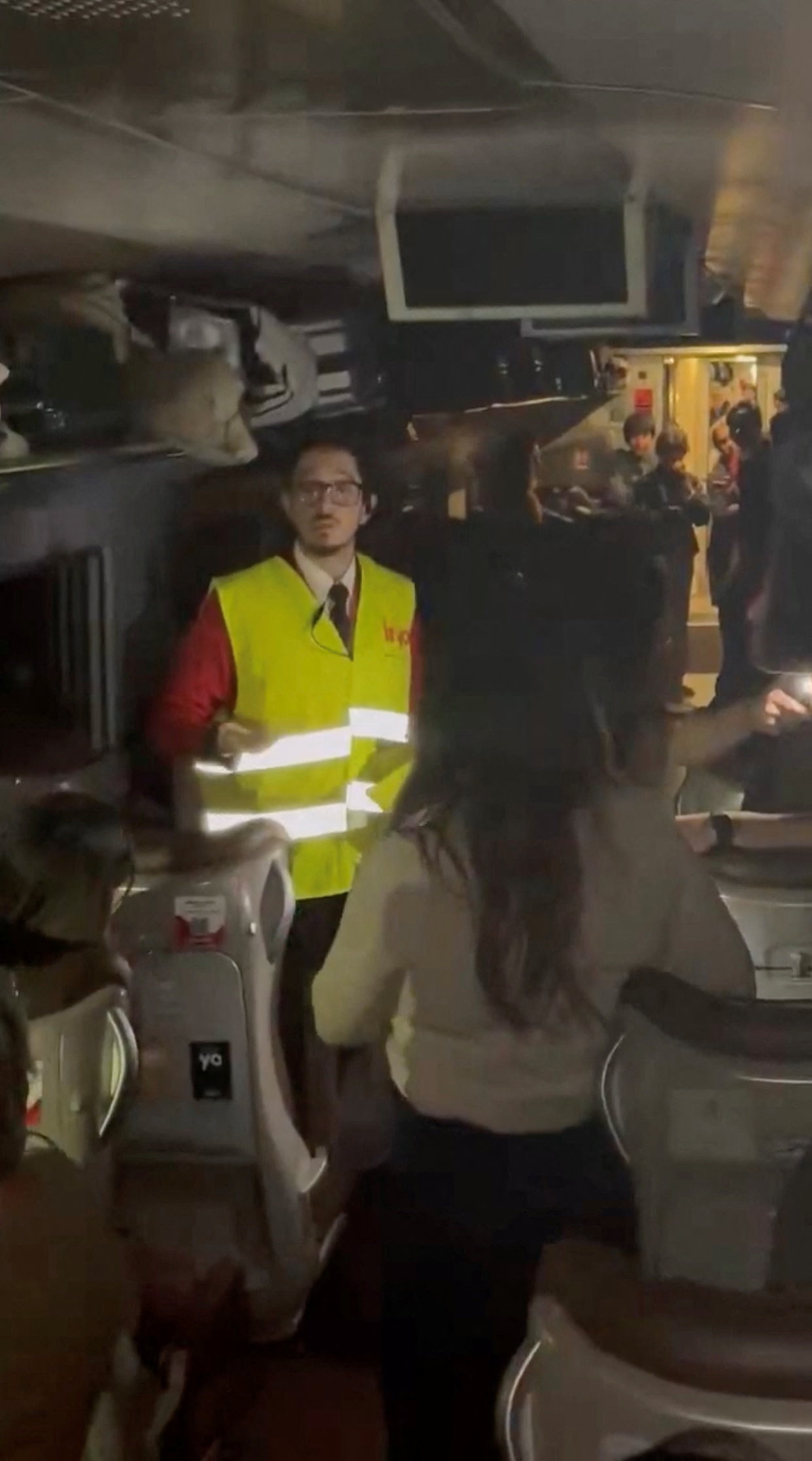
Passengers filmed footage from inside the wreckage
@IBUPROFENO600MG VIA X/REUTERS
Passengers from both services have been evacuated and transported away from the crash site, and the driver of the Huelva-bound train was found dead among the wreckage.
Trapped passengers sent footage that was broadcast on television news. The images showed a carriage on its side and sections of carriages reduced to twisted metal.
Cause of crash unknown, says transport minister
The accident involved a high-speed service that left Malaga at 6.40pm local time bound for Madrid’s Puerta de Atocha station.
According to the infrastructure manager Adif, the train, operated by Iryo, derailed at a set of sidings and crossed on to an adjacent track, where it struck two carriages of another long-distance train bound for Huelva.
Both trains then left the tracks.
Óscar Puente, Spain’s transport minister, described the accident, the cause of which was not yet known, as “extremely strange”. He said it took place “on a straight stretch of track”, which had been renewed in May, while the train that first derailed was no more than four years old.
Dozens killed in high-speed train collision
At least 39 people have died, and dozens of passengers have been injured after a high-speed train derailed and smashed into another oncoming train in southern Spain on Sunday night.
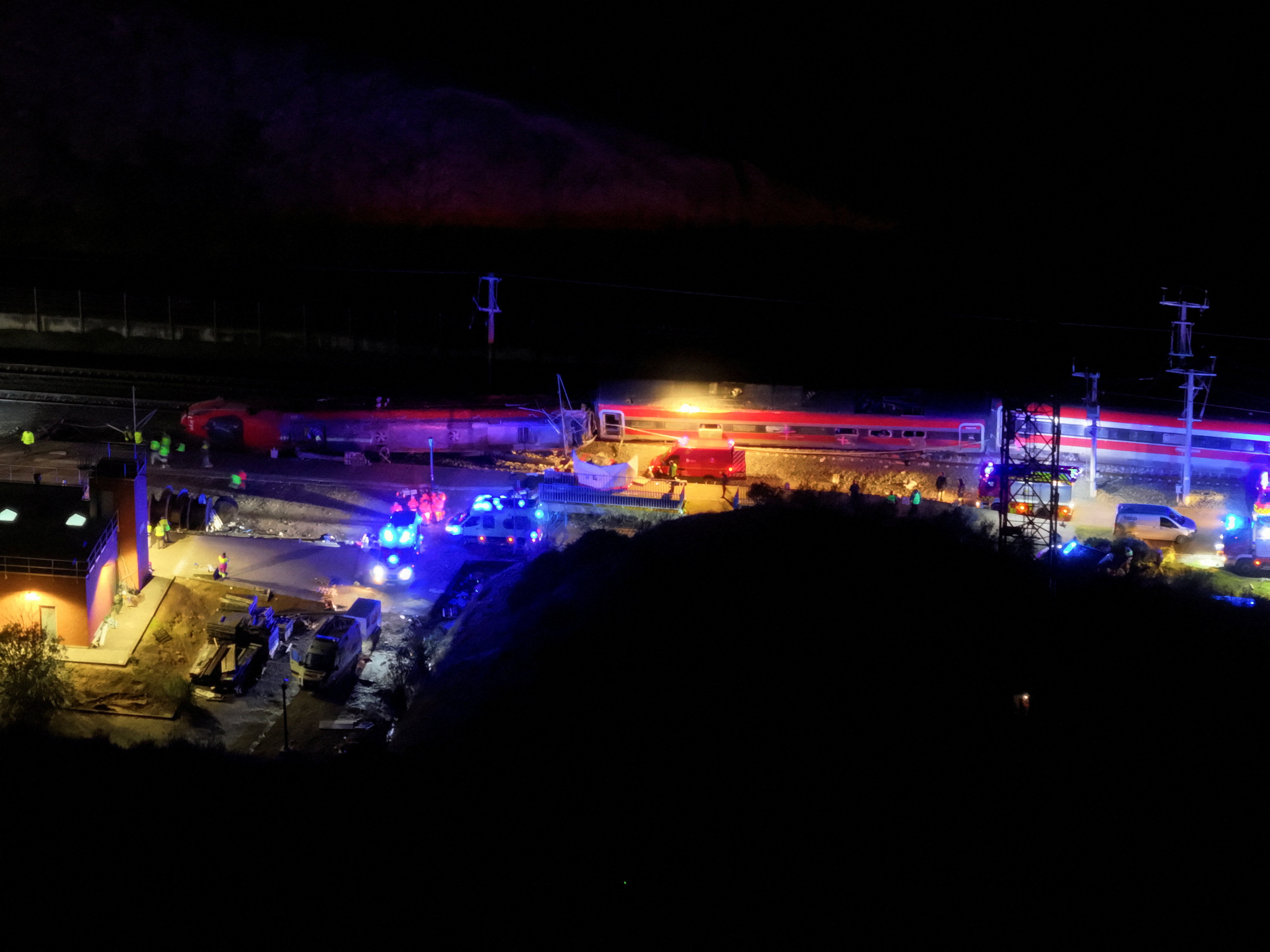
Emergency services at the scene
LEONARDO BENASSATTO/REUTERS
The number of dead has risen from the initial 21 reported following the accident near Adamuz, about 200 kilometres (125 miles) north of Malaga.
The interior ministry had said some 170 people have been injured and 75 are in hospital.
Fifteen people are seriously injured, four of whom are children.