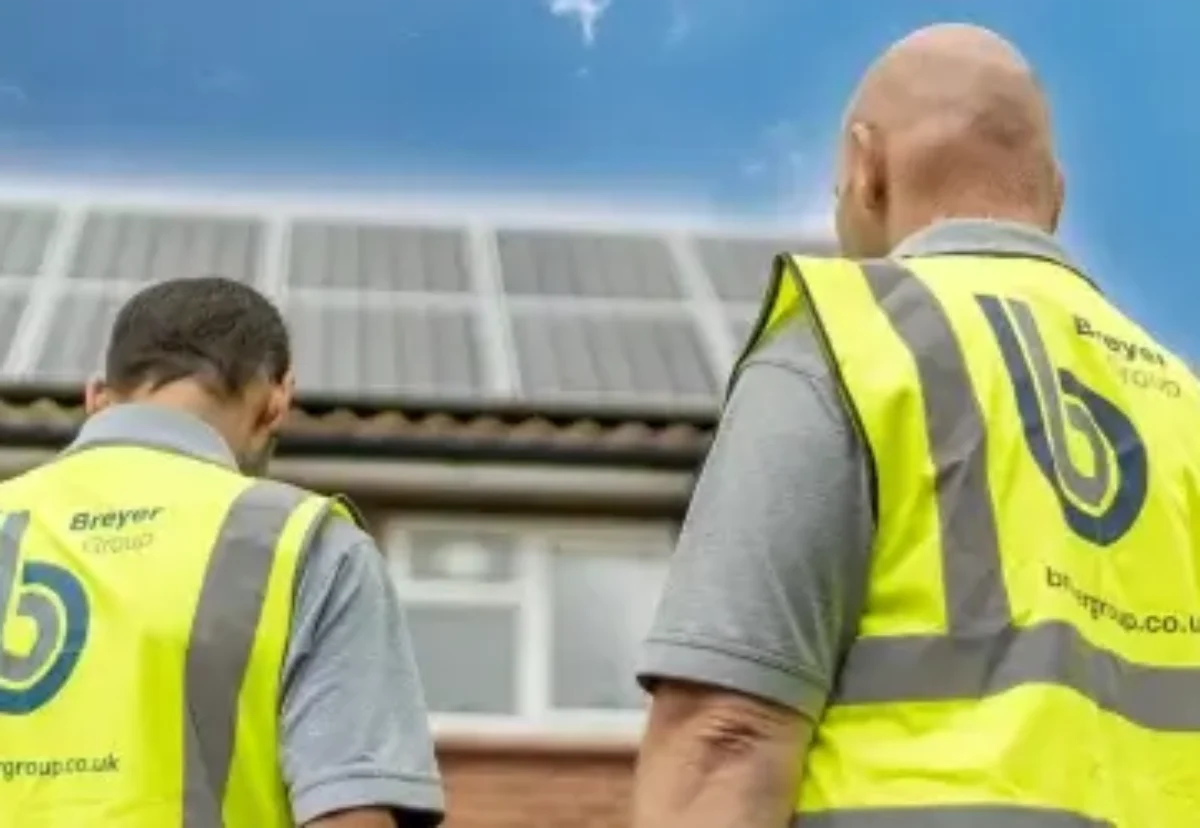
It aims to roll out insulation, solar panels, batteries and heat pumps across up to five million homes by 2030.
The scheme, led by the Department for Energy Security and Net Zero, is designed to cut household energy bills permanently, lift up to one million families out of fuel poverty and accelerate the take-up of domestic clean energy technologies.
The Government is promising contractors, installers and product suppliers, a decade-long pipeline of publicly-backed retrofit work at scale.
Prime Minister Keir Starmer said the plan marked a “turning point” in tackling fuel poverty and long-term energy affordability, while Energy Secretary Ed Miliband described it as a national effort to make warm, affordable homes the norm rather than the exception.
.gif)
At its core, the plan is split into three delivery strands: fully funded upgrades for low-income households, a universal offer for homeowners, and tighter standards and support for rented homes.
What the Warm Homes Plan delivers
Direct support for low-income households
Around £5bn of the total funding is ringfenced for low-income and fuel-poor households. Under this strand, eligible families will receive upgrade packages free of charge, tailored to the condition and suitability of their homes.
Measures include full funding for insulation, rooftop solar panels, home batteries and low-carbon heating systems. Typical solar and battery installations, currently costing £9,000–£12,000, will be covered in full where appropriate.
In social housing, the programme is designed to work at scale, allowing whole streets or estates to be upgraded at once to reduce costs, cut disruption and deliver area-wide reductions in energy bills.

A universal offer for homeowners
For households outside the low-income bracket, the plan introduces a national loan scheme offering government-backed zero and low-interest finance for clean energy upgrades.
Homeowners will be able to use the loans to install solar panels, batteries and heat pumps, with the aim of removing upfront cost as the main barrier to retrofit. A £7,500 grant for heat pumps remains in place, alongside a new support offer for air-to-air heat pumps, which can also provide cooling during hotter weather.
The government says the combined package will help triple the number of homes with solar panels by 2030 and drive a “rooftop revolution” in domestic energy generation.
Alongside retrofit, new-build homes will be required to include solar panels as standard, with the Future Homes Standard due to come into force in early 2026.

New rules and support for rented homes
The third pillar targets the private and social rented sectors, where cold, damp and mould remain widespread.
The plan commits to strengthening minimum energy efficiency standards for rented properties, alongside phased support for landlords to carry out upgrades. The government estimates that these measures alone could lift around half a million families out of fuel poverty by the end of the decade.
Ministers argue the investment is a corrective to a decade-long collapse in home insulation rates, which fell by more than 90% between 2010 and 2024, leaving millions of households exposed to high energy costs.