

Listen to this article
Estimated 4 minutes
The audio version of this article is generated by AI-based technology. Mispronunciations can occur. We are working with our partners to continually review and improve the results.
As the latest wheel assembly issues plaguing Ottawa’s LRT system caused overcrowded trains and stations Thursday, an expert on those components says overloading is a factor — and despite what the city suggests — it appears related to previous wheel problems.
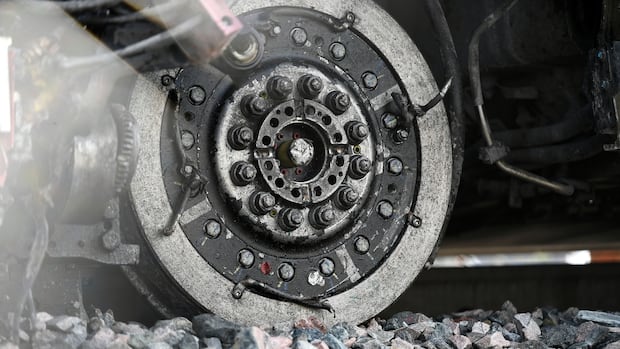
On Wednesday, OC Transpo said “spalling” — or metal flaking — was detected on several cartridge bearing assemblies. If not addressed, the spalling inside the axle bearing could cause cracks and eventual failure, the city said.
Those wheel bearings assemblies, which support the weight of the train, have failed before, causing a derailment in 2021 and forcing a lengthy LRT shutdown in 2023.
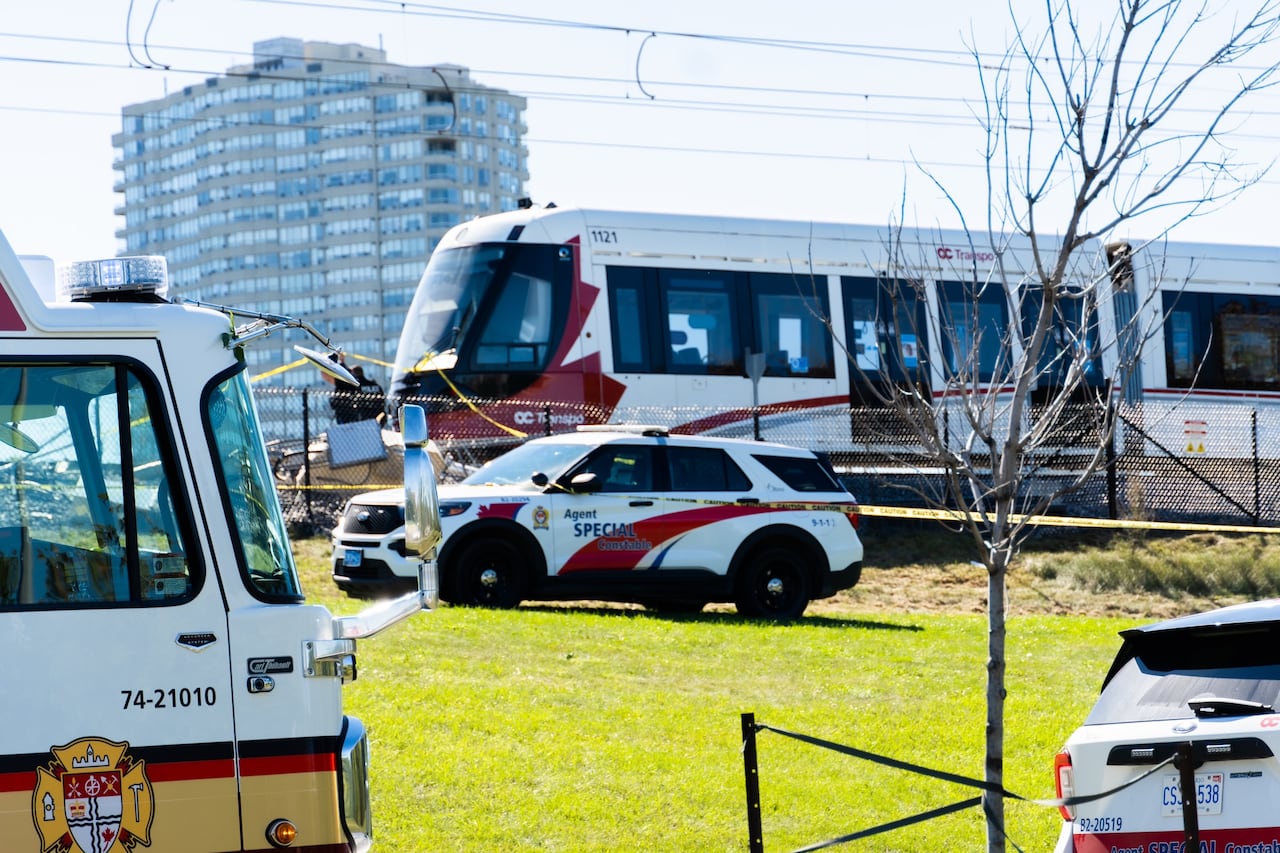 Emergency vehicles are parked near the scene of a derailed LRT train in Ottawa on Sept. 19, 2021. (Nicholas Cleroux/Radio-Canada)
The latest defects are “separate” from the one that caused previous issues, according to Troy Charter, OC Transpo’s interim general manager.
But an expert who specializes in the monitoring and diagnosis of bearing faults questioned that statement.
“As soon as I read the OC Transpo message, I had a little internal chuckle,” said University of Ottawa professor Patrick Dumond.
“Now, it is a different issue, but I believe it’s completely related to the previous issues we’ve had. They’re both related to an overloading of these bearing cartridges.”
The latest problem further indicates the trains are too heavy for the original cartridge bearing assemblies, Dumond said.
He referred to a previous instance where the nuts holding the bearings in the assembly were getting loose. There were suggestions from Alstom, the train maker, that forces from the rail tracks were overloading the assemblies.
“It’s not just these rails that are causing overloading,” Dumond said. “Because of the spalling, it’s the average load of the train I think in continuous use that is too high for this setup.”
The derailment of a train in August 2021 involved a wheel that was severed from the axle due to a “catastrophic bearing failure,” according to the Transportation Safety Board (TSB). Another derailment happened just weeks later.
The assembly that failed in 2021 had accumulated fewer than 150,000 kilometres. According to the TSB, assemblies should last for more than 1.2 million kilometres.
In a letter to city officials, the TSB later said the problems that caused the derailment in August 2021 and a component failure in July 2022 “continue to pose a risk to safety until the issues are resolved.”
Then in 2023, during a routine inspection of a LRT vehicle, the city found “the bearing play was over the threshold at which it could stay in operation,” resulting in a lengthy shutdown.
In an email to CBC Thursday, the TSB said it won’t be looking into this latest spalling issue because it’s not a reportable occurance.
WATCH | Train maker demonstrates wheel assembly issue plaguing LRT: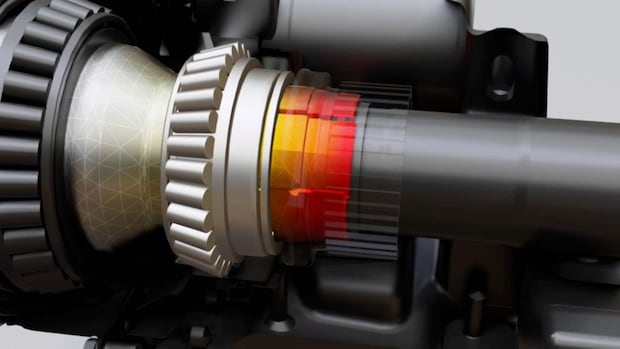
The ‘complex phenomena’ observed during LRT derailments, according to train maker
During a meeting of Ottawa’s transit commission Thursday, train maker Alstom showed this graphic video explainer to demonstrate the sequence of events it says is plaguing the city’s light rail system.
Starting Wednesday evening, Line 1 began running a combination of single- and double-car trains while maintaining current frequencies. The trains normally have two cars.
The city is removing train cars with bearings that have over 100,000 kilometres of use “out of an abundance of caution”, Charter said, in order to replace those cartridge assemblies.
The city is prudent to replace those parts, Dumond said, “but it remains a bandage solution.”
WATCH | Latest wheel assembly issue leads to overcrowded LRT: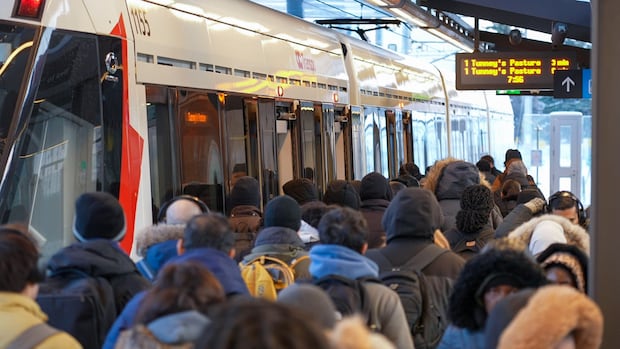
Crowded morning commute for Line 1 riders
OC Transpo has cut the number of O-Train cars in service until further notice after a new bearing problem was identified. As CBC’s Natalia Goodwin reports, it affected morning train riders on Thursday.Redesign the ‘only fix’
The “only fix,” Dumond said, is to redesign the train’s cartridge bearing assembly system — an endeavour Alstom halted due to disagreements, then resumed in 2024.
“The city should continue to put pressure on Alstom to redesign … so that we get a more robust design that will last the million kilometres that they’re expected to last,” he said.
CBC has requested an update on the redesign from the City of Ottawa and Alstom.
WATCH | Mayor on the latest LRT wheel assembly issues:
Ottawa mayor on OC Transpo’s latest problems
Mark Sutcliffe is live on CBC Radio’s Ottawa Morning to talk about Line 1’s service cuts and this year’s rise in bus cancellations.
Mayor Mark Sutcliffe hopes the City’s contractors will pay the associated costs, but acknowledged that the City could also be on the hook.
“We are paying our contractors to provide us with a train service for our residents,” he said Thursday. “When these issues come up, I think it’s incumbent upon those contractors to deliver what we were promised.”
Rideau Transit Maintenance, an arm of Rideau Transit Group (RTG) is in charge of maintaining the LRT system.
In an email, RTG declined to say whether it will pay for the latest maintenance issues, citing its “contractual agreement” and deferring communications about the LRT to the city.