
The rising cost of living has squeezed shoppers’ purses, and businesses have complained of higher costs following changes announced in the past two Budgets.
Nicholas Hyett, investment manager at Wealth Club, said the figures showed there was “no festive cheer on the high street” as Christmas shoppers increasingly turned online.
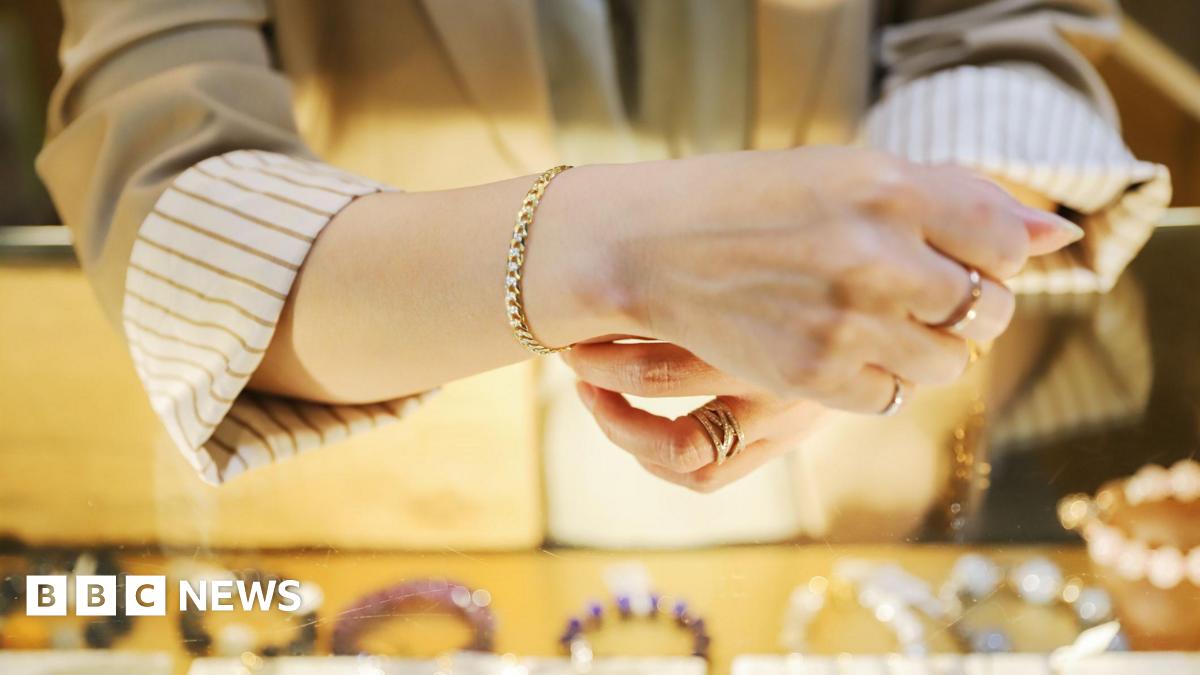
“Among online retailers, jewellers enjoyed a particularly golden Christmas. In uncertain times shoppers seem to be being drawn to dual purpose jewels that not only tick the Christmas present box, but provide a convenient long-term store of value as well.”
Precious metals are seen as safer assets to hold in times of uncertainty, and the prices of both gold and silver have soared over the past year.
In recent days they reached record highs as investors reacted to the threat by US President Donald Trump to impose fresh tariffs on eight European countries opposed to his proposed takeover of Greenland.
Alice Cowley, managing director in Accenture’s retail practice, said the “modest” monthly rise in UK retail sales would bring some relief after a “difficult autumn”.
“But while food, discounts and holiday preparations pushed up sales, it wasn’t enough to drive significant growth,” she continued.
“With Christmas being a crucial time for the sector, those wishing for a bumper trading period were left disappointed.”
Neil Bellamy, consumer insights director at GfK, which analyses consumer confidence, said: “We remain a long way from consumers feeling that better days are around the corner.”
GfK’s latest consumer confidence index edged up by one point in January to minus 16, and it is now 10 years since the index showed a positive number.
Over the coming year, Capital Economics expects consumer spending to remain “fairly soft”.
UK economist Alex Kerr at Capital said it believed “the combination of weak employment and slower wage growth will prevent a meaningful pick-up in consumer spending growth in 2026”.