
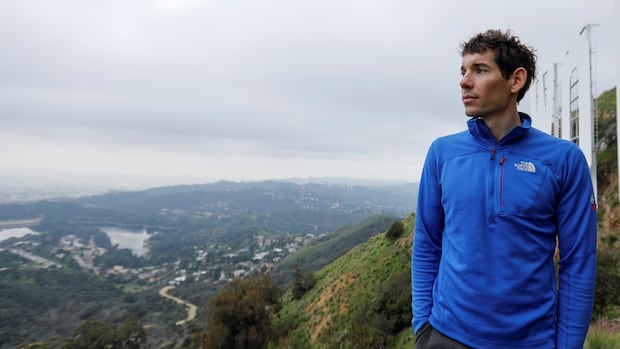
For many people, the idea of climbing one of the tallest buildings in the world — more than half a kilometre high — without any kind of harness or safety net is difficult to imagine.
Nevermind doing it while it’s being streamed live around the world.
Rock climber Alex Honnold, star of the Oscar-winning 2018 documentary Free Solo, will do exactly that when he scales the Taipei 101, Taiwan’s tallest skyscraper at 508 metres.
And millions of people will be able to watch his attempt live on Netflix in a special called Skyscraper Live, which is set to air Friday at 8 p.m. ET.
If that makes you feel a little queasy, not just because of the climb itself, but because of the ethics around watching someone risk their life on live television — you’re not alone.
WATCH | The official trailer for Skyscraper Live:
‘Will he die or survive? Tune in to find out’
Some contributors to rock climbing discussions on Reddit suggested climbing a building is “monotonous and predictable,” while others called it a stunt. And while many lauded Honnold’s abilities, some wondered about the motive — both for the climber and anyone tuning in.
One person wrote that the primary appeal of the climb for most people is the possibility that Honnold might not survive the death-defying stunt.
“That’s exactly why Netflix is funding this,” said another. “The ‘what if he falls?’ question is what will pull in non climber viewers.”
“It makes me feel uncomfortable,” came another response. “‘Father of two risks his life for fame/money and it will be live streamed for the world to see. Will he die or survive? Tune in to find out.’ “
Honnold says he’s aware of the online commentary and gets why people would say it’s not a real climb or consider it a stunt.
“I can see why people say that, but I’m also, like, if they had the opportunity to climb this they would climb this, too, because it’s so cool, it’s fun,” Honnold told CNN in an interview in December.
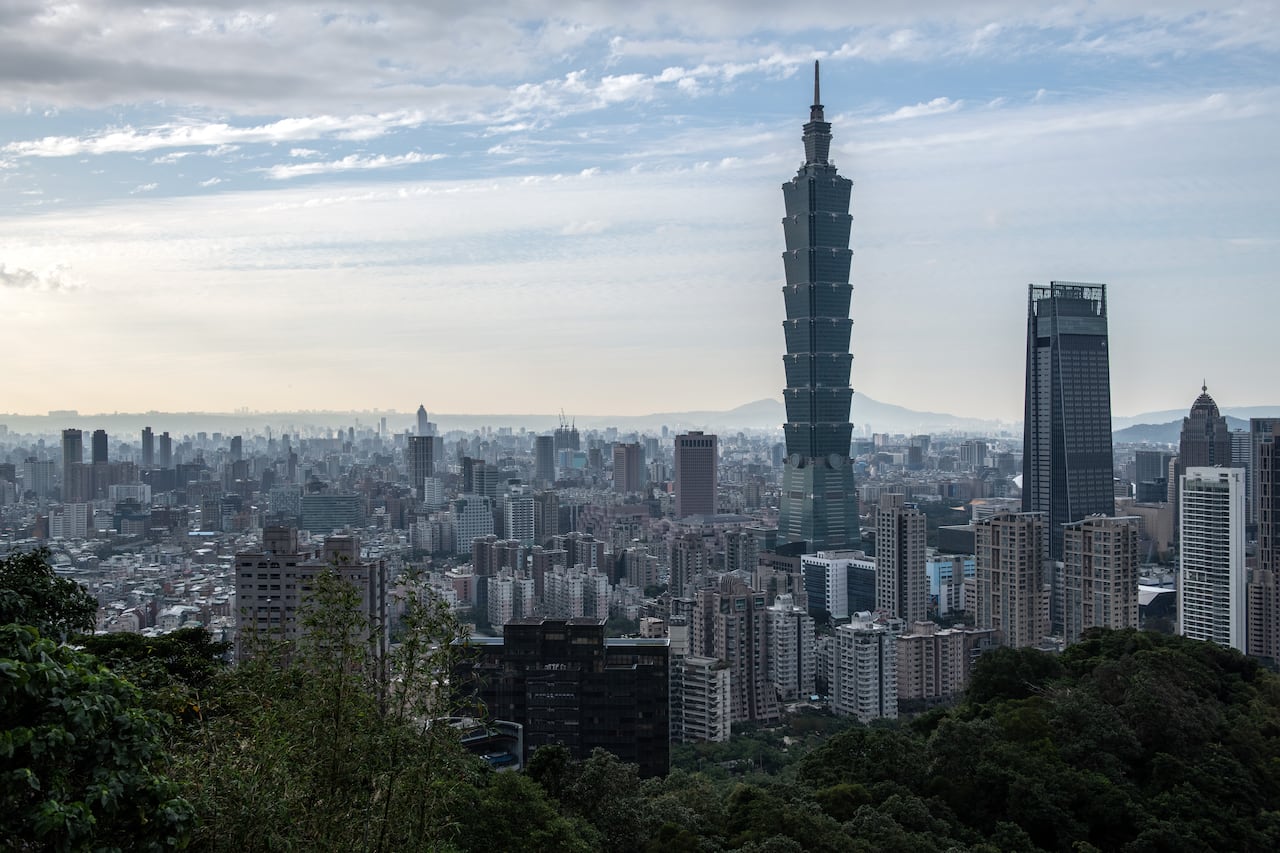 Honnold will climb Taiwan’s 508-metre Taipei 101 building without ropes or other safety equipment. (Carl Court/Getty Images)’The danger becomes the allure’
The 40-year-old climber from California is definitely used to high risk. In 2017, he became the first person to free-solo climb a full route on El Capitan in Yosemite National Park.
Honnold argues that it’s not that different from watching football or Mixed Martial Arts fighting, in terms of the life-risking aspect being shown on live TV.
“Watch an NFL game … one person is going to have a career-ending injury during the game,” he said.
For Bastiaan Vanacker, associate professor of media ethics at Loyola University Chicago, that analogy is flawed.
“I watch football. And there’s injuries there, but that is not the reason I watch,” he said.
Vanacker says in sports like football, players try to reduce the risk of injuries by wearing helmets and pads, whereas the opposite is true in the case of Honnold’s Taipei 101 climb, where he will not use ropes, harnesses or other safety equipment.
“They remove the ropes and that becomes the allure,” Vanacker said. “The danger becomes the allure.”
He points out that this is exactly how Honnold’s climb is being marketed.
“If they would show the same climb with this person roped up, nobody would watch.”
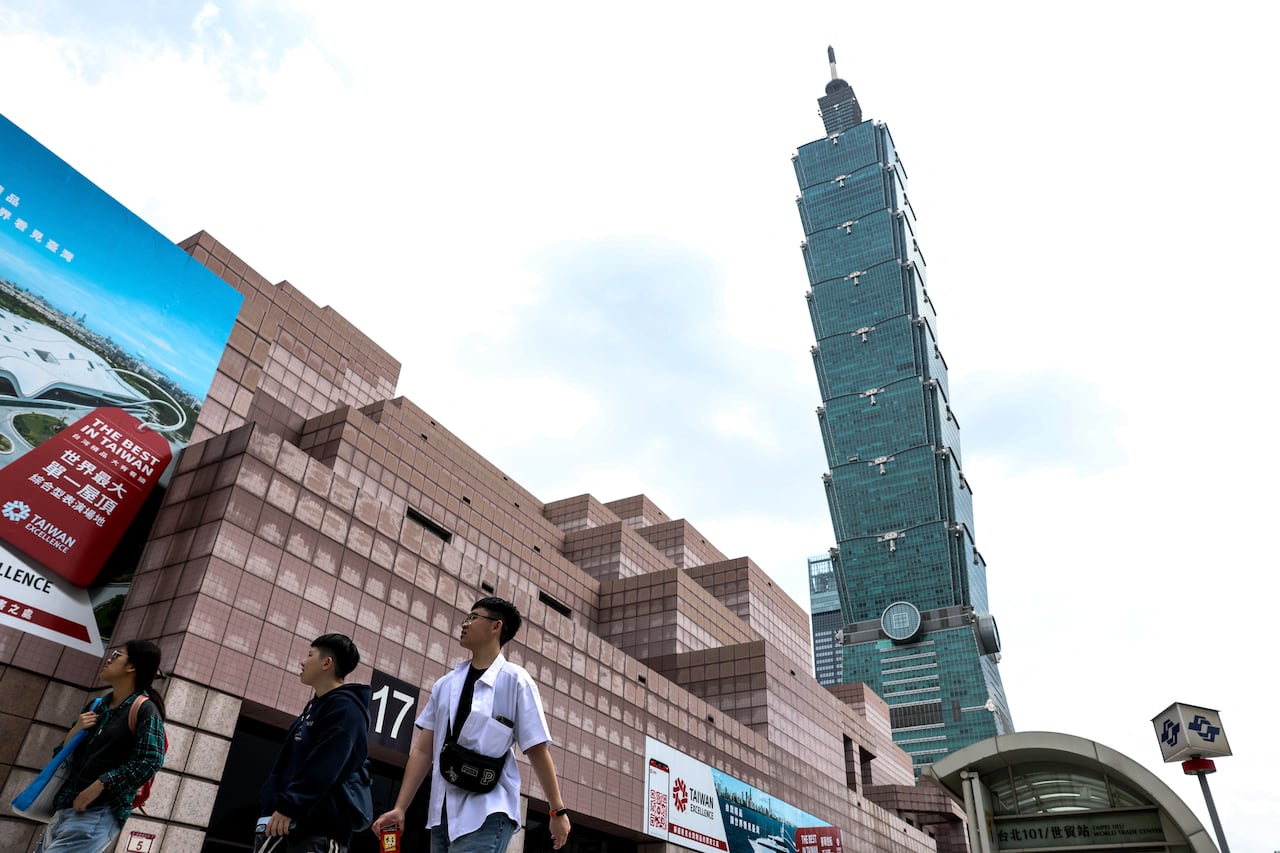 Honnold has said he believes his chance of injury is ‘close to zero,’ in part due to the design of the building, which features balconies every eight floors. (I-Hwa Cheng/AFP/Getty Images)Chance of injury ‘close to zero’: Honnold
Almost 15 years ago, another person was ready to risk their life on live TV before a network stepped in.
Aerialist Nik Wallenda was set to make a tightrope walk across Niagara Falls with no safety aids in June 2012. But in the end, ABC required him to wear a harness in order for the broadcast to go ahead.
Honnold told CNN he believes his chance of injury is “close to zero,” pointing out that even if he falls, the design of the building, with balconies every eight floors, lessens the risk of him plunging to the ground if anything goes wrong.
Netflix is working with the same risk-management firm that has worked with Honnold on previous specials to ensure standard live-production safety measures are in place.
Also, there will be a 10-second delay on the broadcast, according to sources close to the production.
That doesn’t change anything for Vanacker, who suggests Netflix wants to use the potential of something going wrong to draw people in. “But then they know that … the blowback would be incredible if they actually would show somebody plummeting to their death.”
He says he finds the 10-second delay “a very, very pragmatic solution, not a principled one.”
The idea of climbing a building came to Honnold and some friends more than a decade ago. After scouting several possibilities, they decided on the Taipei skyscraper.
He first requested permission to do the climb 13 years ago, but was rejected, in part due to safety conerns. But Taipei 101 chairwoman Janet Chia told Taiwan broadcaster TVBS that she approved Honnold’s request after he sent her a letter which mentioned both his children and his commitment to safety.
‘What will be next?’
Vanacker says he has a lot of admiration for Honnold’s athletic achievements and mental fortitude, and fully believes people should do what makes them feel happy and gives meaning to their lives. And he doesn’t think anyone who chooses to watch should feel bad or ashamed.
But he wonders whether this is the path we want to go down as a society in terms of what we consider entertainment.
“I don’t know if that’s a good model to follow,” he said. “You know, what will be next?”
“Do we want to provide entertainment in which people do something that’s very dangerous, and that is the reason why we watch? Is that kind of the road we want to go down?”