
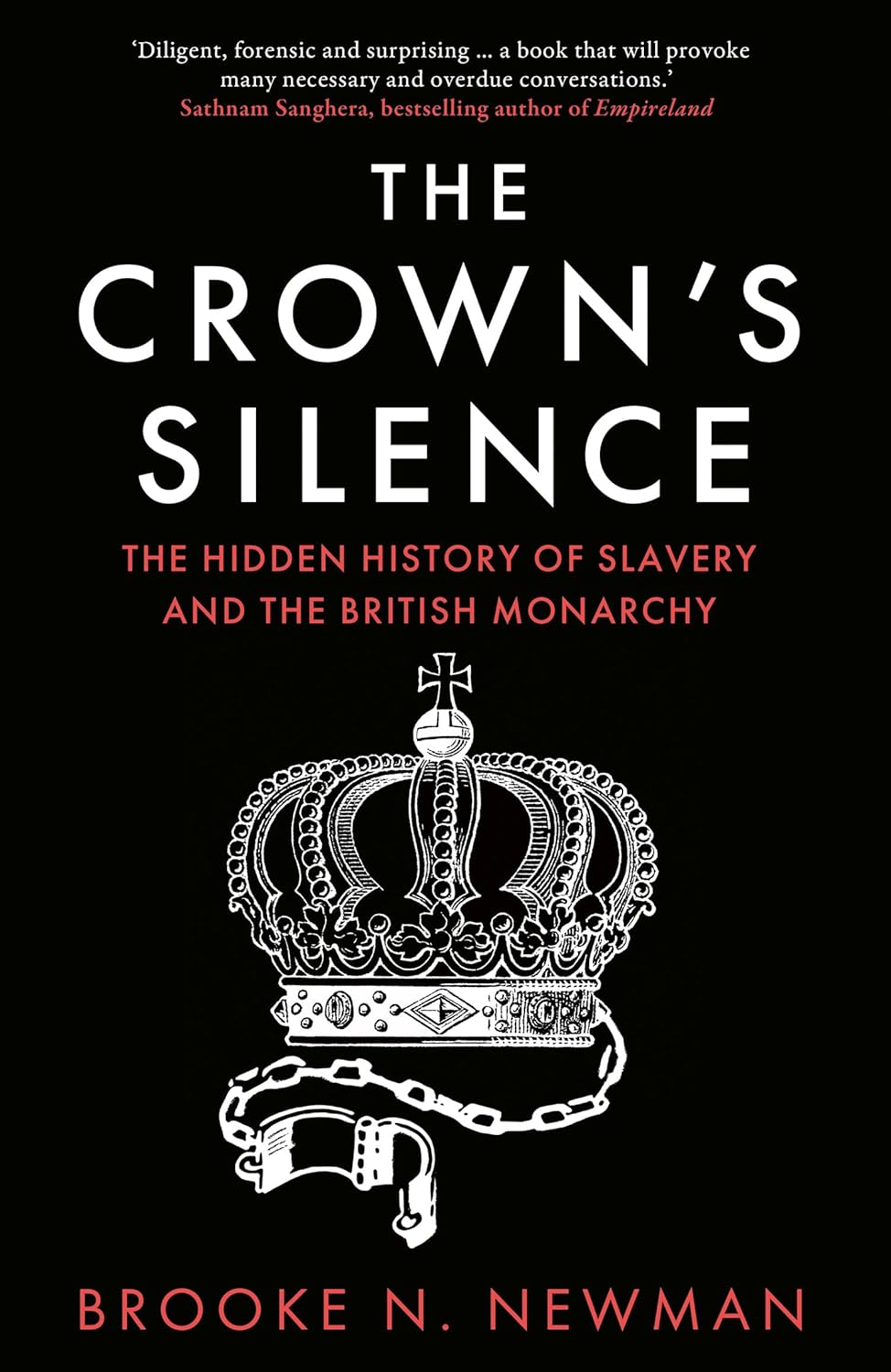
Hereditary monarchy derives much of its legitimacy and prestige from its history. It is therefore not unreasonable to scrutinise the House of Windsor’s more dubious antecedents, the subject of an entire publishing industry. The newest addition to the fray is the American academic Brooke Newman’s The Crown’s Silence: The Hidden History of Slavery and the British Monarchy.
The book certainly does not lack ambition. According to the blurb, Newman “exposes the ways in which the British monarchy invested in, expanded and defended the transatlantic slave trade for nearly three centuries, and how it continues to profit from systems of racial exploitation to this day — while remaining silent in the face of that legacy”.
That some sovereigns were involved in the slave trade is not disputed and despite a clumsiness in her writing, which is characterised by a surfeit of irrelevant details, Newman does a decent job of explaining the ways in which the royals profited from slavery.
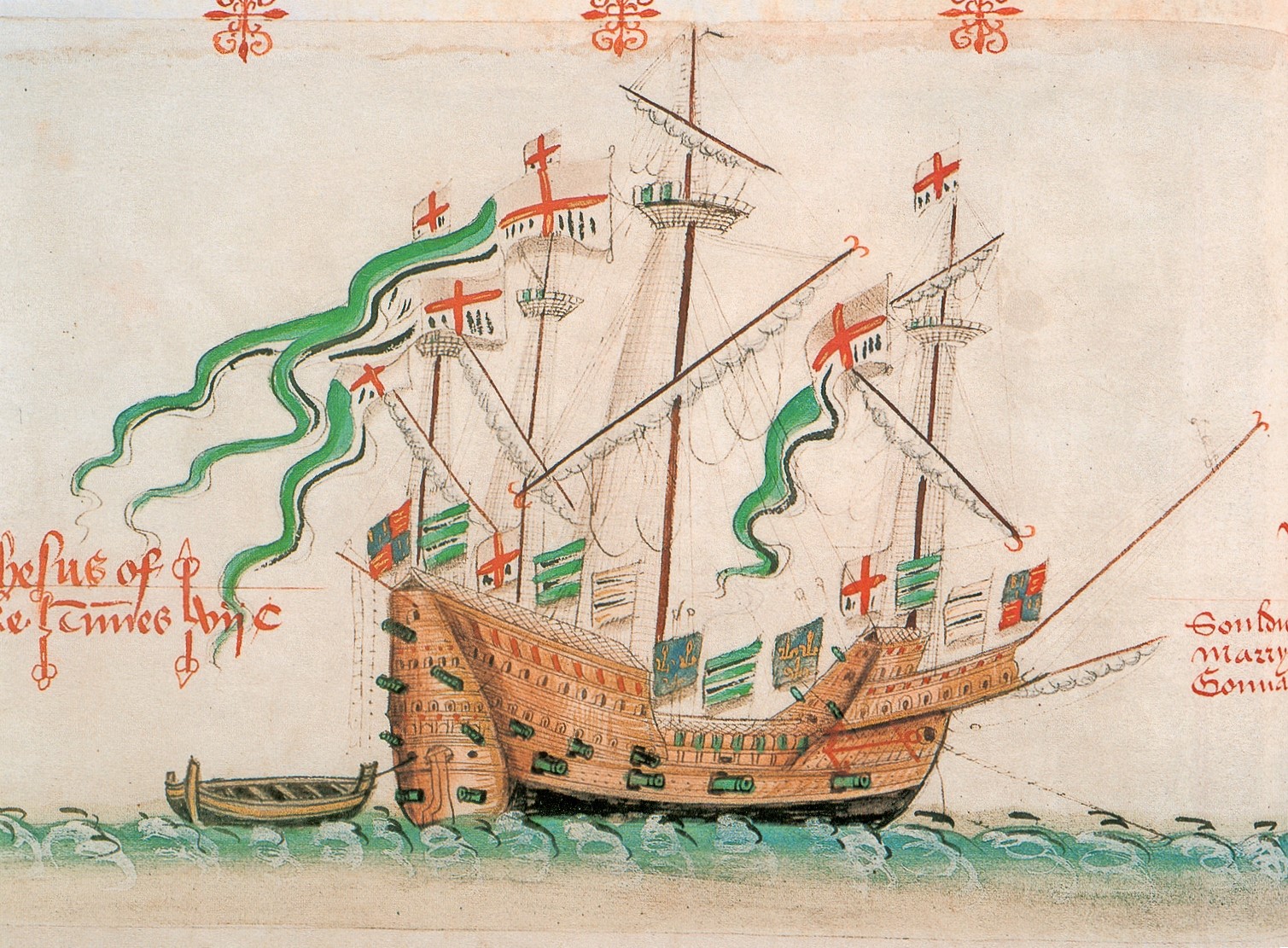
The Jesus of Lübeck, a ship that Elizabeth I chartered to a group of merchants involved in the Atlantic slave trade
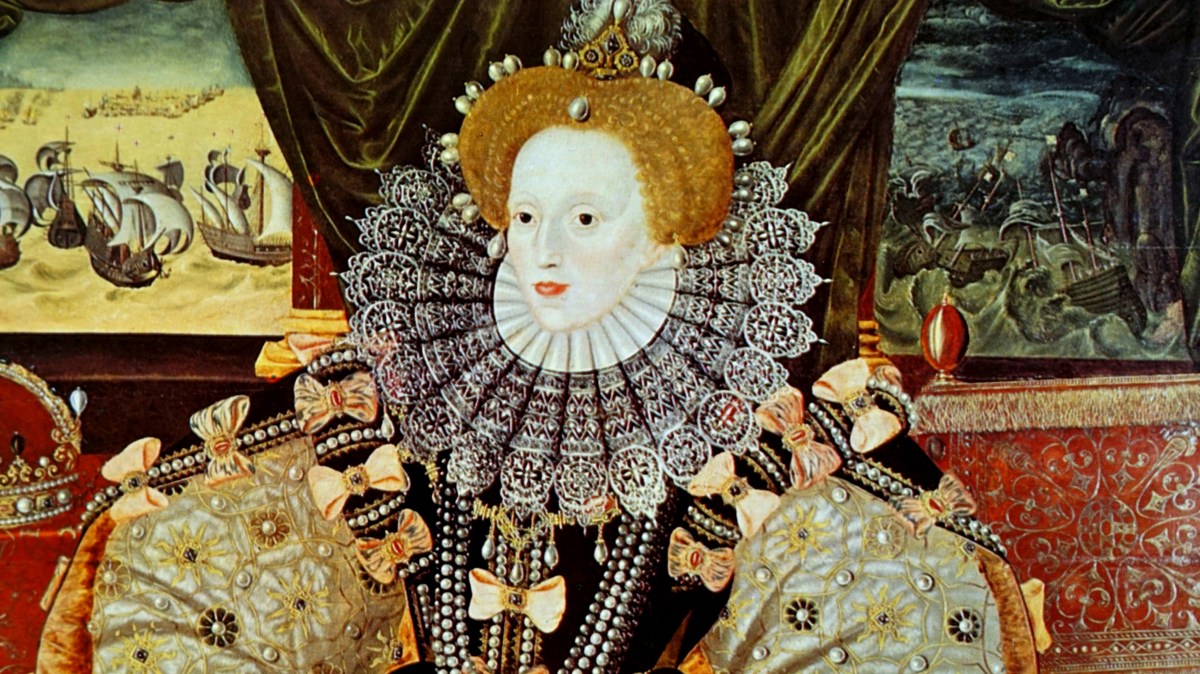
For instance, we learn that Elizabeth I was an early investor in the Triangle Trade, while her successors were involved in slave-trading ventures in one way or another, sometimes granting charters to companies engaged in the practice, sometimes taking a part in the management of slavery-related ventures, but more often simply collecting dividends from investments related to slavery. The picture that emerges is that of a cash-poor monarchy willing to invest in more or less anything to make some money.
In one of the book’s more poignant moments Newman prints a picture of the South Sea Company’s branding mark for its slaves, which is surmounted by a crown. Since the company was the beneficiary of substantial royal patronage, its stock bubble ruined many, although George I escaped mostly unscathed thanks to his clever chancellor of the exchequer.
But there is a sense that Newman runs out of material quickly. Business history is a subject that requires a far better pen than Newman’s to make it interesting and there are only so many ways of talking about the issuance of stocks and the like. In an attempt to make her case against the royals more powerful she makes some questionable claims, which end up undermining her arguments.
• Read more book reviews and interviews — and see what’s top of the Sunday Times Bestsellers List
We are told that Charles II dictated the design of the Company of Royal Adventurers of England’s common seal (“on the one side an elephant supported by two blackamoors and on the other the image of our royal person”) — the sole piece of evidence for this extraordinary claim being that the charter is written in the language of the royal first-person plural. Charles II issued hundreds of corporate charters with dictates about their common seal. Are we to understand that he spent much of his reign doing graphic design?
On another page we are told that George I brought from Hanover two Turkish servants who rose to high positions at court and were painted on frescoes at Kensington Palace. We are never told how this is relevant to the book’s theme, but presumably the intelligent reader is to assume they were in bondage at the English court. In fact, there is no good evidence they were slaves in England: the men were later ennobled (with German titles, but still) and at least one married a white woman, even if jealous English contemporaries liked to abuse them by calling them slaves of the king.
Newman could have written something interesting about George III, whose views on slavery have been the subject of much scholarly research and debate, but the several chapters she devotes to the mad king are marred by Newman’s comical lack of charity towards her subject. The fact that his household consumed large amounts of sugar is said to demonstrate his tacit support for slavery, but when his household boycotts West Indian sugar as part of an anti-slavery campaign, this is attributed to the king’s cheapness. Although the young George III, we are told, “condemned African slavery as an immoral practice, he nonetheless saw the world through a hierarchical lens”, as though we should expect 18th-century heirs to the throne to be Rawlsian egalitarians.
The book also suffers from its failure to distinguish the person of the monarch from the crown, a distinction Newman understands, but which her somewhat less sophisticated (I do not mean American, at least not exclusively) audience will miss.
It is reasonable to equate the person of the sovereign and the abstract crown for the reign of, say, James I, but it borders on the misleading when the same elision is practised on the later Hanoverians. George III and the Prince Regent were no more responsible for what was going on in the vice-admiralty court in Sierra Leone than Charles III is responsible for the imprisoning of Lucy Letby, a fact that does not stop Newman from devoting many lines to the inequities of the former.
The Victorian era is passed over quickly for this was a time when the royal family, through a combination of sensitivity to public opinion and sincerely held evangelical moralism, gave its patronage to anti-slavery causes. After all, the book is titled The Crown’s Silence, not The Crown’s Good Deeds. Newman does take the time to criticise Prince Albert, a German provincial untainted by his wife’s ancestors’ business ventures, for making an anti-slavery speech that does not meet her highly exacting standards of self-flagellation.
• The hidden history of slavery in the Islamic world
Having castigated Elizabeth II in her introduction for not apologising for slavery on behalf of the monarchy, it is not until page 350 that Newman admits that “monarchs must speak on the advice of ministers and operate within the boundaries of government policy”, which seems relevant when speaking about Elizabeth’s failure to wear sackcloth and ashes. Elsewhere, she attacks her for ignoring Rastafarians’ demands for funding their voluntary repatriation to Africa (they ought to have asked Enoch Powell instead). She ends the book by remarking crassly that, since he will croak soon, King Charles might as well apologise for the misdeeds of his ancestors.
In the Book of Exodus, God tells the Israelites that he punishes the sins of the parents on their children to the third and fourth generations, but that he rewards those who keep his commandments to 1,000 generations. This has always struck me as a sensible prescription: our virtues are generally our own while our vices tend to be the vices of our age. But moral nuance doesn’t sell books, particularly where the British monarchy is concerned, and Newman isn’t going to become the first sucker to do so.
The Crown’s Silence: The Hidden History of Slavery and the British Monarchy by Brooke Newman (Mudlark £25 pp464). To order a copy go to timesbookshop.co.uk. Free UK standard P&P on orders over £25. Special discount available for Times+ members