
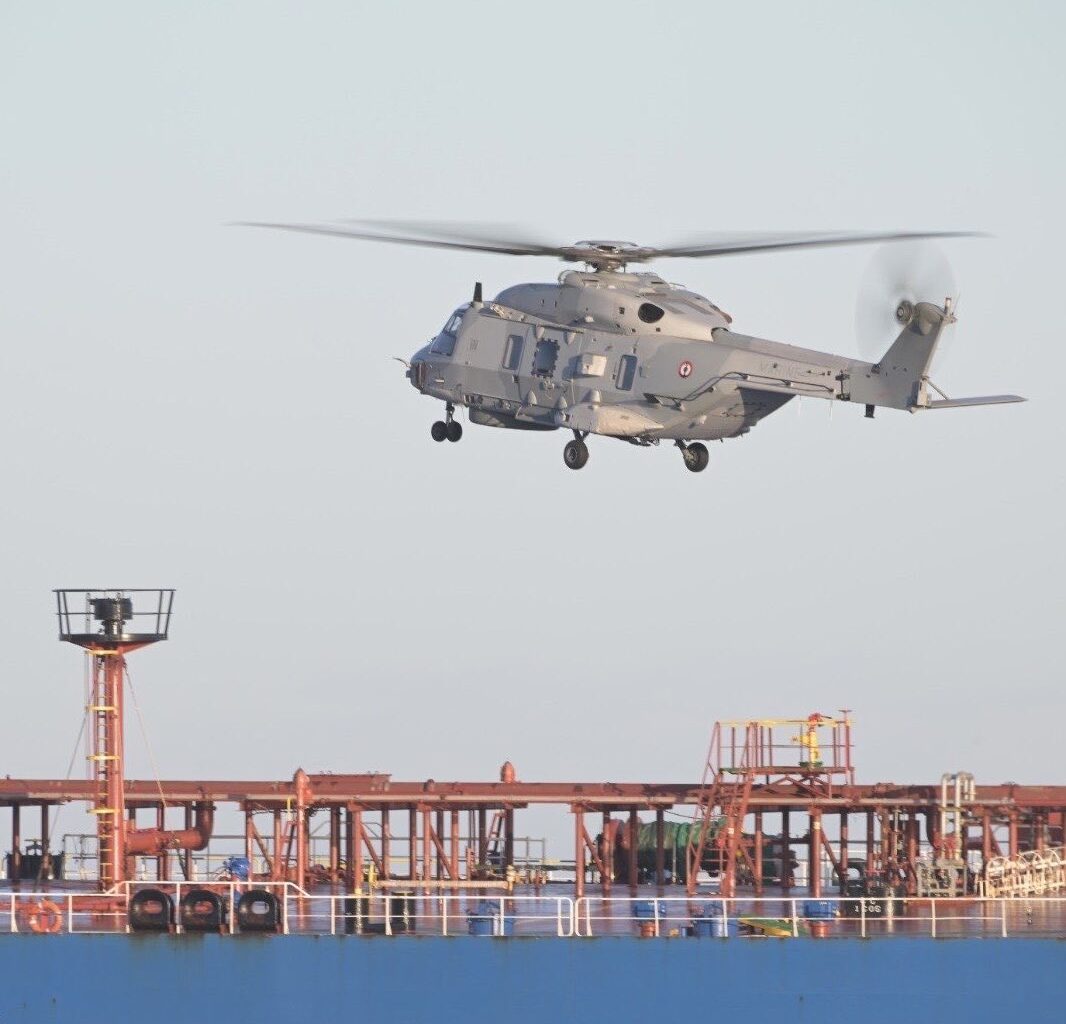
On January 22nd, the French Navy launched an operation in the Alboran Sea within the Western Mediterranean Ocean, resulting in the successful seizure of the tanker designated, “Grinch”. The Grinch is tied to Russia’s “shadow fleet” of oil ships, helping the Russian Federation to dodge sanctions.
France’s government stated that the vessel is currently under French custody after determining that the vessel in question needed further inspection at an anchorage point, likely within French or NATO waters. The Tanker was initially identified as suspicious due to the potential illegitimacy of the flag being flown, which was later confirmed upon French seizure.
Grinch’s involvement within the Russian Federation’s sanctions evading was noted as the ship sailed from Murmansk, a Russian port located in the Kola Peninsula, the jut of land located directly East of Finland and Norway. The ship had traveled several thousands of kilometers before being seized under violation of UN standings regarding maritime law, specifically Article 110 of the United Nations Convention on the Law of the Sea.
France was aided by a number of allies, with BBC reporting that British Defense Secretary, John Healey, had stated that the tanker had been monitored by the Cutlass-class fast patrol vessel HMS Dagger in addition to other intelligence aid. The vessel had been flagged by British authorities amongst 543 others linked to international sanctions dodging efforts by the Russian Federation, exporting oil to further finance the war in Ukraine against continual international economic pressure.
Targeting Tankers
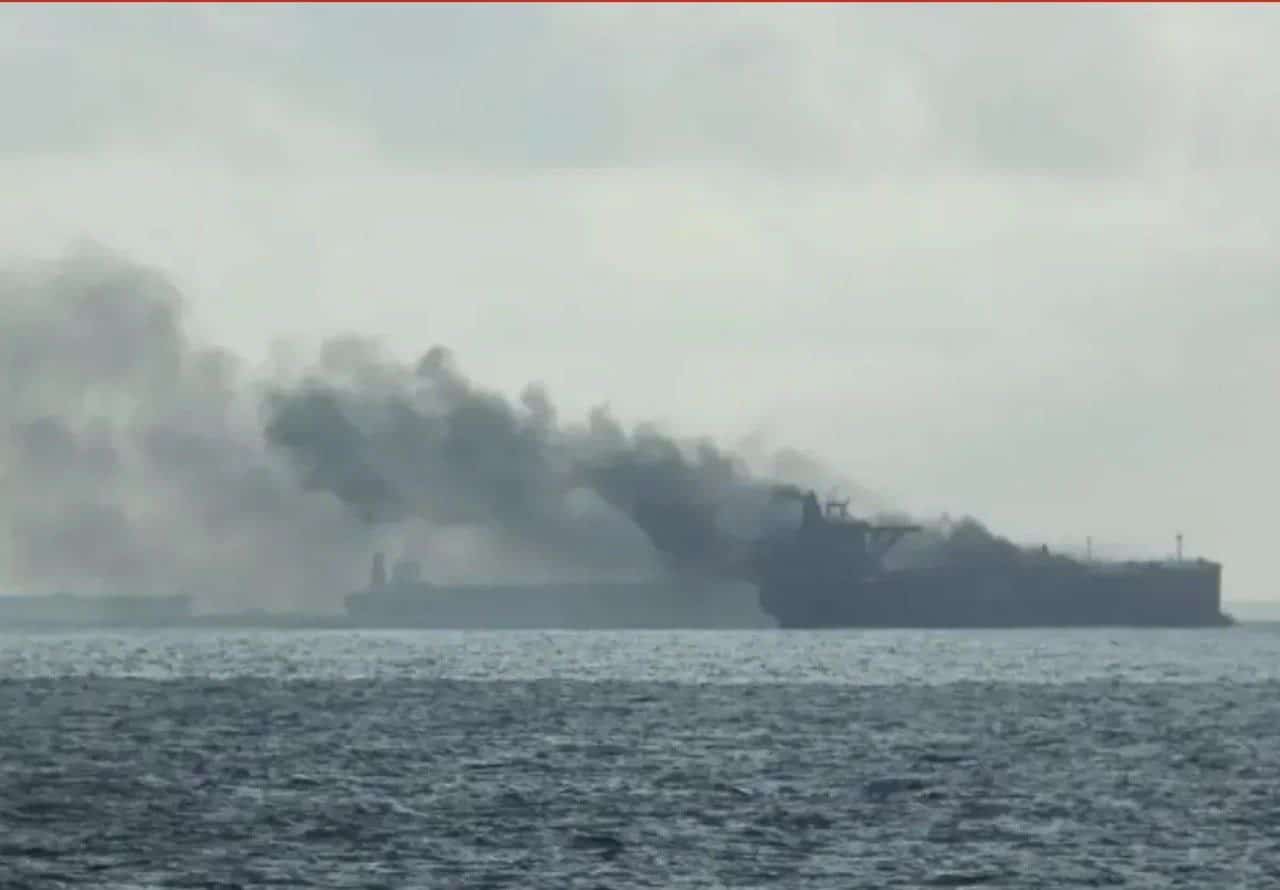
An image circulating on social media showing the Shadow Fleet Tanker, Elbus, burning off the Turkish Coast.
The impounding of the Grinch has followed a recent string of seizures of sanctioned Tankers by Western countries, with USNI News reporting that the U.S had seized 7 Tankers since December 10th of 2025. 5 of these 7 have at least some relation to Russia either through ownership or by flying the Russian flag, with the MT Olina and MT Sagitta captured due to direct sanctions placed against Russia.
As these oil carriers provide a vital lifeline to Russia amidst economic turmoil whilst financing the war against Ukraine, the Ukrainian military has also launched several operations targeting Russian oil tankers within the Black Sea. Within the past 2 weeks, 3 Russian tankers have been hit, with a total of 7 Ukrainian attacks on tankers since November of 2025. This is part of a concerted effort by Ukraine to increasingly put stress on Russian energy infrastructure in a bid to complicate logistics and strain income.
An uptick in the targeting of tankers both kinetically by Ukraine, and in seizures by NATO countries have likely put the Russian authorities on edge due to the importance of the energy exportation to the Russian economy. The Russian economy strongly depends on oil revenue, which constitutes about %30 of the entire Russian budget according to a RAND report. Attacks on oil infrastructure and transport as well as seizures thus create a deepening crisis as Russia is further unable to garner a main source of it’s government income, causing projected declines in Russian oil output.