In a blistering report, the Public Accounts Committee said the Department for Energy Security & Net Zero designed ECO4 and the Great British Insulation Scheme with no single organisation responsible for preventing or detecting fraud.
This created gaps in data, accountability and oversight that allowed abuse to flourish.
The committee said Ofgem has identified installations worth 1.75% of scheme value as fraudulent — just below DESNZ’s 2% tolerance threshold — but MPs said it was “inconceivable” the true figure is not higher given the scale of non-compliance uncovered.

The call for an SFO probe comes as the PAC lays bare what it describes as a “clear and catastrophic failure” in insulation delivery, leaving more than 30,000 homes with defective installations.
Watchdog MPs also warned the latest £15bn Warm Homes Plan risks repeating the ECO disaster unless the system is fundamentally fixed first.
38 firms were suspended
The PAC report says 38 installer businesses were banned from carrying out new external wall insulation work under ECO after high failure rates were identified — representing around 81% of the external wall insulation market at the time.
Since then, 22 firms have been reinstated after agreeing to remediate their defective work, leaving 16 still suspended when MPs took evidence.
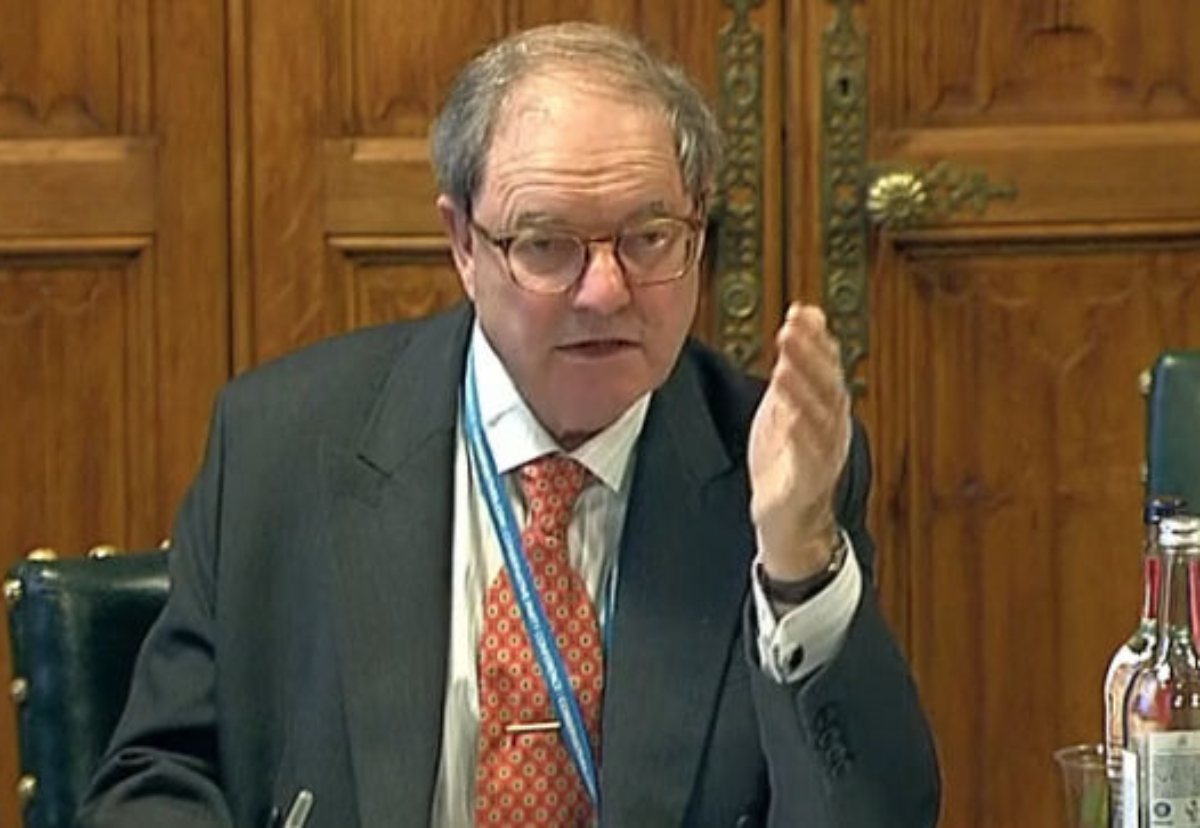
Sir Geoffrey Clifton-Brown, Chair of the Public Accounts Committee, said: “I have served on the Public Accounts Committee for twelve years.
“In all that time, a 98% failure rate in a public sector initiative amounts to the most catastrophic fiasco that I have seen on this Committee.
“Indeed, our report finds the project was doomed to failure from the start. Government behaved inexplicably in redesigning a similar scheme which was working reasonably well into a highly-complex number of organisations with siloed responsibilities, which did not respond to failures anything like quickly enough to prevent damage being done to people’s homes.”
He added: “Finally – this Committee’s remit is financial scrutiny. We are not a law enforcement body. The sheer levels of non-compliance found here make it clear to us that these matters should be referred to the Serious Fraud Office, and our report recommends as such.”

Audits commissioned by Ofgem and carried out between June and August 2025 found an estimated 98% of external wall insulation installed up to mid-January 2025 had major defects requiring remediation. Internal wall insulation fared little better, with 29% of installations found to have serious issues.
MPs said 6% of external wall insulation and 2% of internal wall insulation posed immediate health and safety risks, including inadequate ventilation and electrical safety failures. Many of the remaining defects reduce performance and increase the risk of water ingress, condensation and mould.
The committee accused the Department for Energy Security & Net Zero of taking two years to recognise the scale of the problem, despite risks being logged internally from late 2022. It said the scheme received “virtually no” senior-level attention as installation volumes ramped up.

Government-endorsed quality body TrustMark did not formally alert the department to widespread non-compliance in external wall insulation until October 2024 — more than two years after ECO4 launched — with similar warnings on internal wall insulation following a month later.
Progress on fixing homes has been slow. The NAO recorded 2,934 homes remediated by September 2025 — less than 10% of the estimated 32,000 to 35,000 affected. DESNZ later said 4,603 homes had been “found and fixed” by November 2025, but MPs questioned whether that figure included minor issues and warned the true remediation rate may be overstated.
The PAC also raised alarm that households still lack real assurance they will not face repair bills when installers collapse or guarantees fall short.
While guarantees typically cover up to £20,000, MPs cited cases where defects and knock-on damage have pushed costs beyond £250,000. The report also flags concerns about company directors closing firms and restarting new ones to dodge remediation liabilities.
The committee warned the fallout risks undermining confidence in the Warm Homes Plan and any future scaling up of energy efficiency work unless ministers simplify oversight, tighten accountability and guarantee that defective homes are properly put right.