
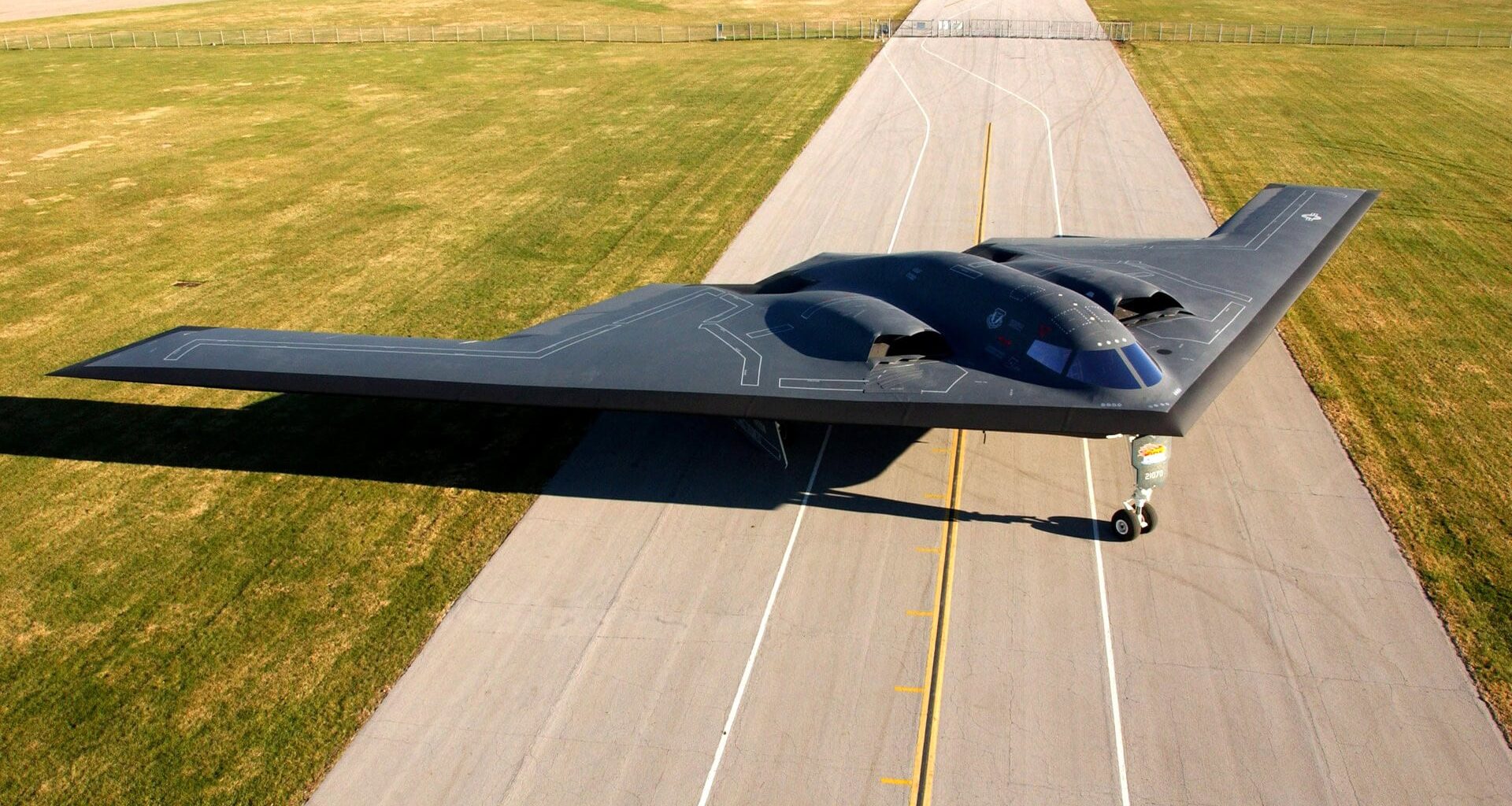
Iran Has a Message for Oil Markets: The Strait of Hormuz Closure Threat
Iran has periodically threatened to “close” or disrupt the Strait of Hormuz.
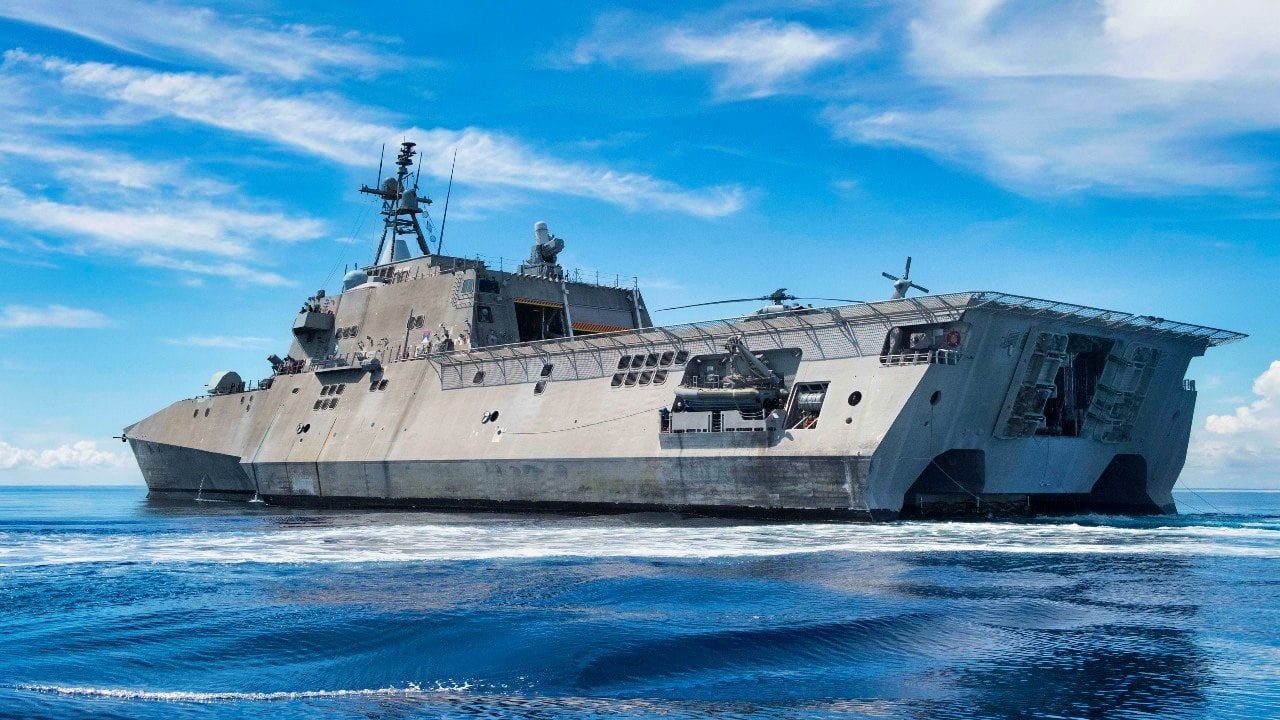
170623-N-PD309-122 BOHOL SEA (June 23, 2017) Littoral combat ship USS Coronado (LCS 4) transits the Bohol Sea during an exercise with the Philippine Navy for Maritime Training Activity (MTA) Sama Sama 2017. MTA Sama Sama is a bilateral maritime exercise between U.S. and Philippine naval forces and is designed to strengthen cooperation and interoperability between the nations’ armed forces. (U.S. Navy photo by Mass Communication Specialist 3rd Class Deven Leigh Ellis/Released)
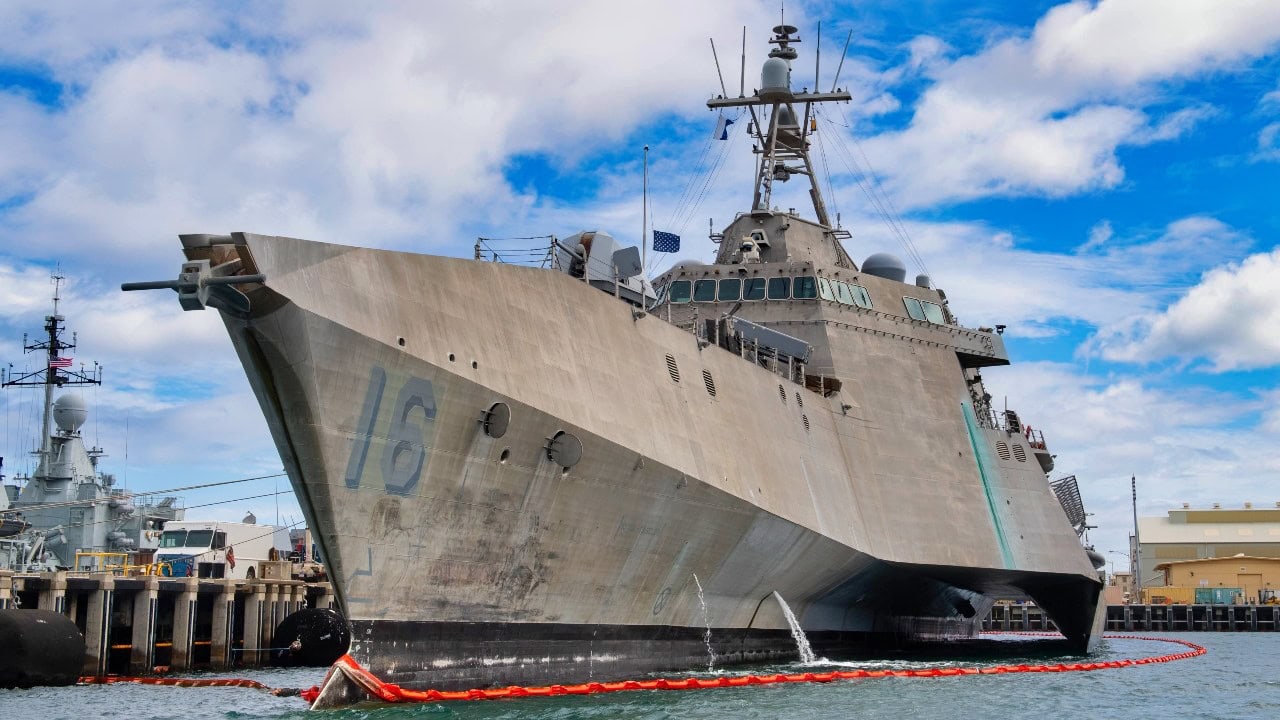
(July 7, 2022) – Independence-variant littoral combat ship USS Tulsa (LCS 16) moored at Joint Base Pearl Harbor-Hickam during Rim of the Pacific (RIMPAC) 2022. Twenty-six nations, 38 ships, four submarines, more than 170 aircraft and 25,000 personnel are participating in RIMPAC from June 29 to Aug. 4 in and around the Hawaiian Islands and Southern California. The world’s largest international maritime exercise, RIMPAC provides a unique training opportunity while fostering and sustaining cooperative relationships among participants critical to ensuring the safety of sea lanes and security on the world’s oceans. RIMPAC 2022 is the 28th exercise in the series that began in 1971. (U.S. Navy photo by Mass Communication Specialist 3rd Class Demitrius J. Williams)
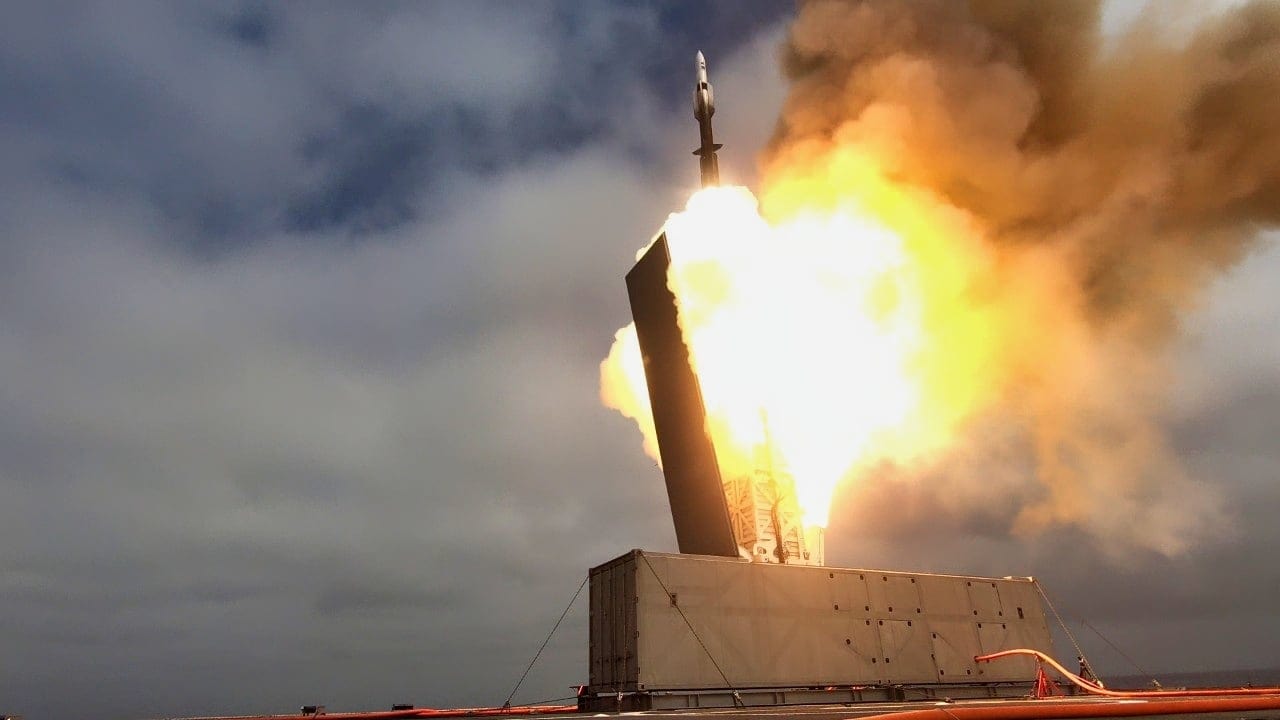
USS Savannah (LCS 28) conducts a live-fire demonstration in the Eastern Pacific Ocean utilizing a containerized launching system that fired an SM-6 missile from the ship at a designated target. The exercise demonstrated the modularity and lethality of Littoral Combat Ships and the ability to successfully integrate a containerized weapons system to engage a surface target. The exercise will inform continued testing, evaluation and integration of containerized weapons systems on afloat platforms.
This rhetoric surged as recently as January 2026 amid growing tensions with the United States.
The Strait is a global economic pressure point, a narrow maritime chokepoint linking the Persian Gulf to the Gulf of Oman/Arabian Sea. Closing the Strait would have significant ramifications.
And the question here isn’t whether Iran can declare the Strait closed, but whether Iran can physically deny passage and sustain that denial against superior opposing forces, i.e., the US. In reality, Iran likely lacks the ability to impose a pure lockdown of the Strait.
Why the Strait matters
The Strait’s narrowness creates predictable shipping lanes filtered through bottlenecks. A large share of Gulf energy exports (oil and LNG) transit the broader Hormuz route, making it a price-setting corridor for the global energy markets. The Strait is also symbolic, a lever that Iran can pull in crises.
Even limited harassment can raise insurance rates, divert shipping, and spike energy prices. The closure threat is as much about coercive messaging as about any practical military plan.
What would prompt closure?
Iran would likely escalate towards “closing” the Strait under certain extreme conditions, i.e., major strikes on Iranian territory or leadership (like those the US executed recently); severe economic strangulation (like maximum sanctions); a perceived existential threat to regime survival.
The threat of closure serves as a bargaining tactic, too, demonstrating the ability to impose costs and force negotiations. But Iran understands something else: closing the Strait harms Iran and everyone else economically. And closure risks alienating key partners who buy Gulf energy.
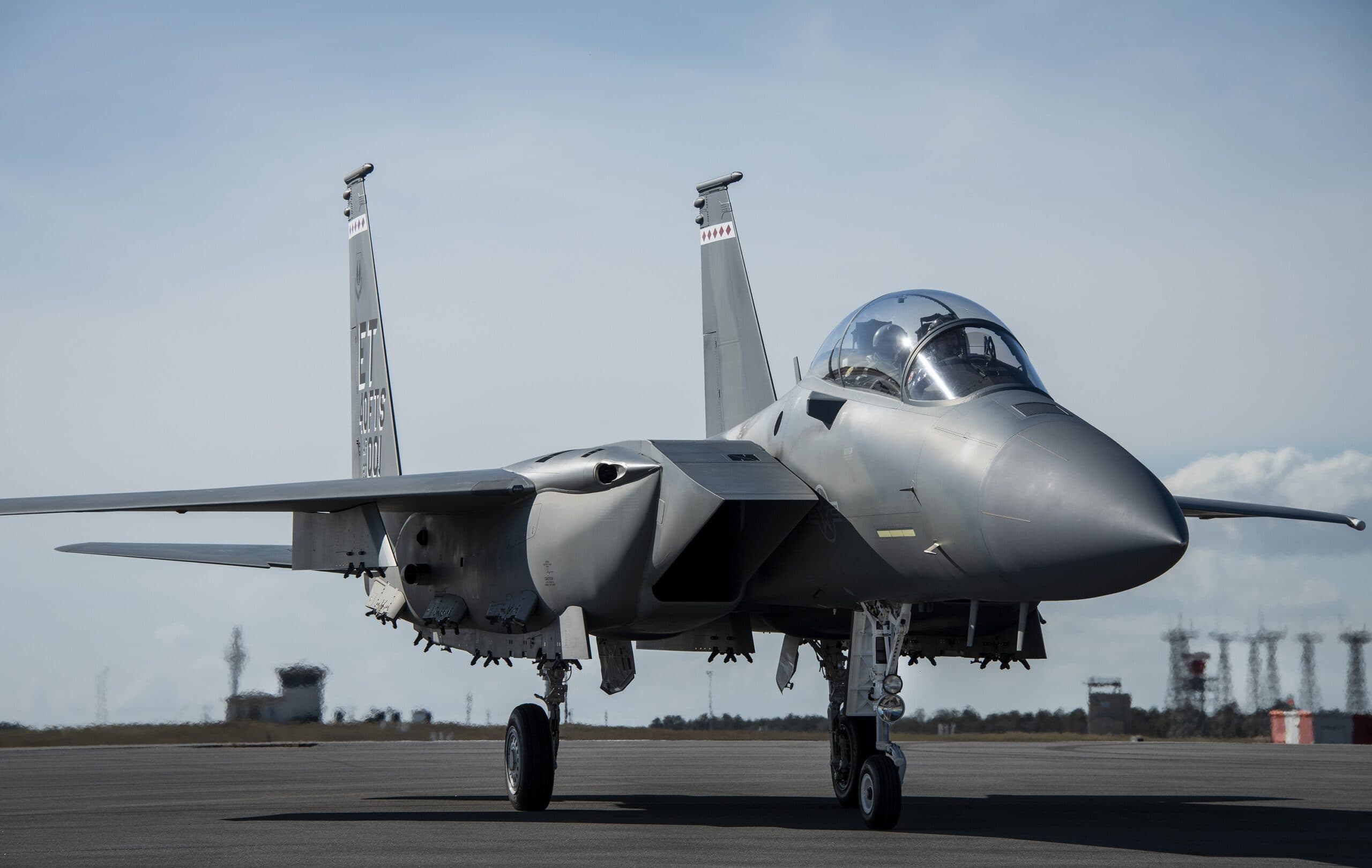
F-15EX Eagle II. Image Credit: Creative Commons.
So the trigger threshold for actually closing the Strait is very high—more of a last resort than a routine retaliatory tactic.
What does closing the Strait mean?
“Closing” the Strait could mean one of several things, militarily.
Closure could mean harassment in the form of sporadic attacks and seizures, drone deployment—things that raise the risk for those moving through the Strait. Closure could mean temporary denial, like mine strikes and coordinated attacks that halt traffic briefly. Or closure could mean sustained denial, the continuous suppression of shipping, which is, of course, the hardest form of closure to achieve.
Regardless, Iran doesn’t need to sink many ships to create a crisis; just one damaged tanker can clog lanes. And mine creates a disproportionate fear that is a deterrent. Iran absolutely can make the corridor dangerous, expensive, and politically volatile. The most plausible “closure” scenario likely involves intermittent disruption, sporadic efforts that inspire pause—and respect for Iranian influence.
The tools of closure
Iran’s strengths are asymmetric, including fast attack craft and swarm tactics; anti-ship cruise missiles along the coast; naval mines, which are cheap and psychologically powerful; submarines and small submersibles; drones for surveillance and strike; boardings and seizures. Iran can exploit their favorable coastal geography.
But Iran does have a weakness: its ability to sustain pressure. Many of Iran’s tools are effective in an opening phase, for limited durations. But once the US and allies concentrate counter-forces, Iran would have a difficult time maintaining control. In truth, Iran could disrupt traffic, cause episodic halts, and even spike global prices.
But Iran is unlikely to sustain a total closure for long, if at all, because US and allied air and naval superiority would prove decisive. Iran’s asymmetric advantages don’t translate into an attrition scenario that favors US assets.
The world’s response
The global community would not accept a closure. The immediate response would be multi-layered. The US Fifth Fleet would enter a surge posture, with escorts, patrols, and ISR. Mine countermeasures would commence. A naval coalition would form, likely including the UK, France, and other regional partners.
Air defense and counter-drone measures would commence. The shipping response would include a spike in insurance premiums, while some carriers would pause transit. Energy prices would spike. Strategic petroleum reserves could be released. Gulf producers could reroute limited volumes via pipelines, but would not be able to replace Hormuz flow fully. Diplomatically, intense pressure would be placed on Iran to open the Strait.
While the Strait of Hormuz is Hormuz’s bargaining chip and deterrent threat, it’s also a trap that risks global blowback and economic self-harm. Iran couldn’t outright close the Strait—but they could disrupt operations enough to harm the global economy.
About the Author: Harrison Kass
Harrison Kass is an attorney and journalist covering national security, technology, and politics. Previously, he was a political staffer and candidate, and a US Air Force pilot selectee. He holds a JD from the University of Oregon and a master’s in global journalism and international relations from NYU.