
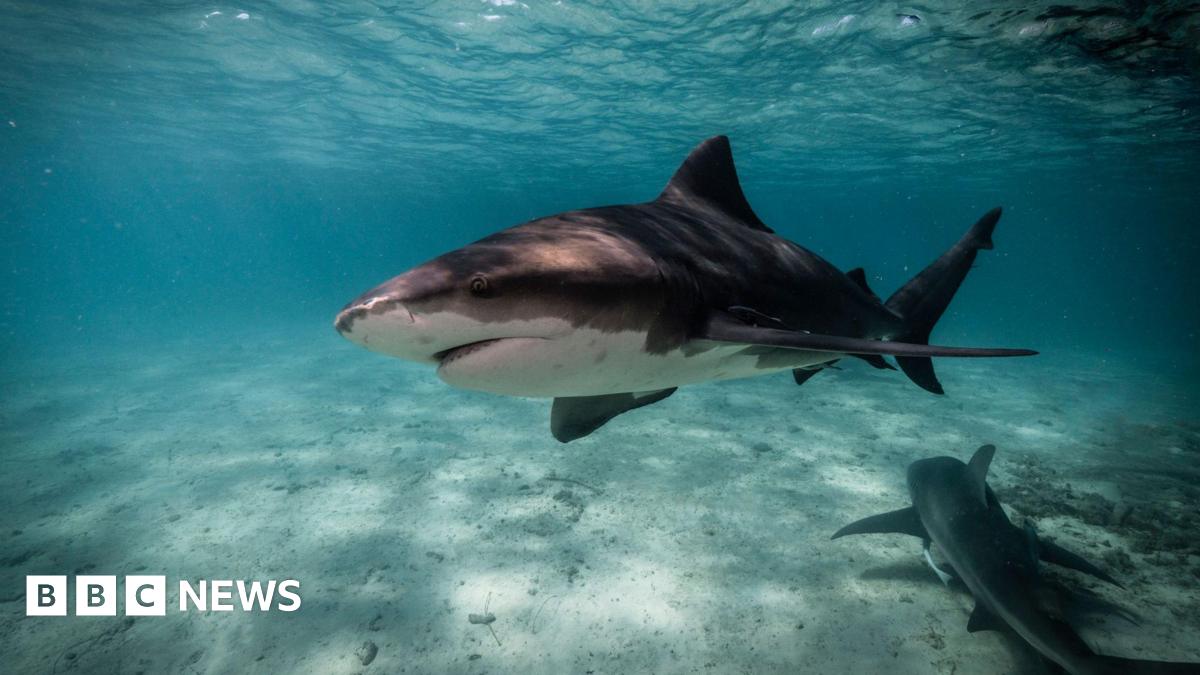
Non-provoked shark attacks are usually precipitated by environmental conditions, attractants in the water, or both.
The three recent incidents in Sydney – all of which are thought to have involved bull sharks – followed several days’ worth of heavy rain, during which the city’s official weather station recorded 127 millimetres of downpour within 24 hours – its wettest January day in 38 years.
That rainfall would have created “perfect conditions” for bull sharks, according to Rebecca Olive, senior research fellow at RMIT University.
“Bull sharks thrive in warm, brackish water, which most other sharks flee,” she told the BBC. “They love river mouths and estuaries, so the freshwater that flooded off the land following the recent rain events was perfect for them.”
Olive and other experts further note that this freshwater would have likely flushed sewage and nutrients into the sea, thus drawing in bait fish and, in turn, sharks.
“There’s clearly an attractant in the water,” Pepin-Neff says, suggesting that a “perfect storm” of low salinity freshwater could have created a “biodiversity explosion”.
“The bait fish come to the surface, the bull sharks come to the surface, everybody’s in the near shore area – and now we have a problem.”