
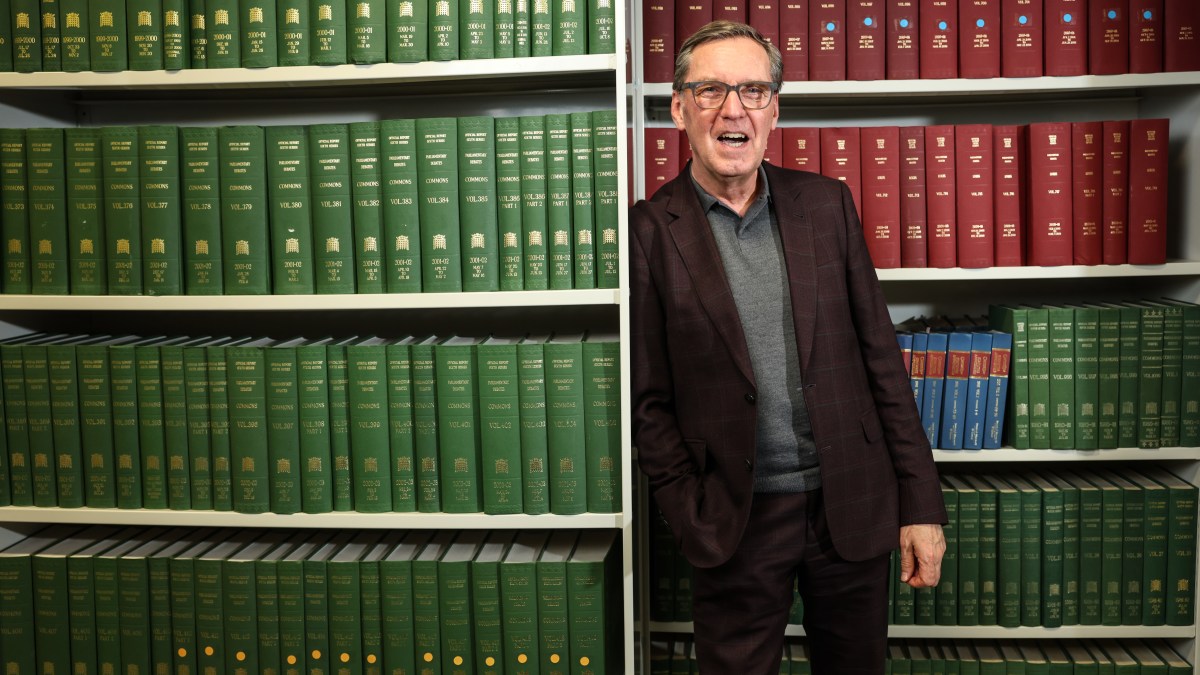
Britain is “writing off” a generation of young people with “normal” mental health conditions such as anxiety and depression to a life on benefits, the government’s work tsar has warned.
Alan Milburn, a former Labour cabinet minister, said that the UK faced a “lost generation” of nearly one million people aged 16 to 24 who were not in employment, education or training.
Milburn was commissioned to conduct a review into the one in eight young people, known as Neets, who fall under this definition, and will report in the summer.
He said that successive governments had made the “wrong choice” by investing in older generations with policies such as the triple lock for state pensions rather than younger people, leaving Britain facing a “moral, social and economic crisis”.
He told The Times: “I think a lot of the debate around this has been framed in the wrong way as a fiscal problem. It is a fiscal problem, but it’s a moral problem, it’s a social problem, it’s an economic problem. I think you’ve got a moral crisis.”
Nearly a third of Neets are signed off work for sickness or disability, the majority citing mental health or autism as their main condition. Milburn said that some conditions were “normal” for many people and did not mean they could not work.
He said: “Anxiety is normal. Depression is normal. I got asked a brilliant question the other day … which was what proportion of the adult population at any one time could be classified as having a mental health condition?
“I got the answer completely wrong. Because it’s 83 per cent. There’s a difference between a diagnosis and a disorder. And OK, so people might have anxiety or depression, but it doesn’t mean that therefore you should be written off for not being able to work.”
A generation of young people was being put on a “downward escalator”, he said. “It starts in schools. One in five pupils are now getting a Send [special educational needs] diagnosis. The vast majority of those then trip into the benefits system because they get child disability allowance.
“The vast majority of people on child disability allowance qualify for adult Pip [a disability benefit]. And then you’re into a world of benefits. Honestly, is that the aspiration we should have as a society, for a whole generation of young people? A life on benefits?

Milburn suggested the government should simplify the paths young people can take after university
GETTY
“And if you’re on benefits and not in work in your twenties you’re probably not going to be in work in your thirties.”
Neets include 66,000 people aged between 16 and 18. “They should be in full-time education, it’s a legal requirement,” he said. “What is remarkable [is] they’re just not in education. So there’s a whole cohort who are sort of invisible. We just don’t know what’s going on. But if what is going on is that they’re stuck in their bedrooms gaming, and the incentives in that system are to enable them to do so — hey Houston, we have a problem.”
Sir Keir Starmer was forced to abandon plans for welfare reform last year after a mass revolt by Labour MPs. Milburn believes that the way the reforms were presented led to the reversal. “So I would say the lesson from last year and what happened is that if you frame welfare reform as about a cost out and taking things away from people rather than providing opportunities for people, you will get the inevitable result,” he said.
He highlighted the government’s choice to maintain the triple lock for the state pension, which is forecast to add £15.5 billion a year to public spending by 2030.
• Decline of Saturday job ‘means young people aren’t ready for work’
He said: “We’ve decided which generation to back. So we back the older generation with a triple lock, but there’s no such guarantee for young people.
“When you look at what is happening in our demography, the truth is we’re going to have many more retirees than we are workers. So that’s why we’ve got to invest in the young. If we’re not investing in young people, we’re not investing in our country’s future.”
• Keir Starmer: Apprenticeships should have equal footing with degrees
Milburn suggested simplifying the “maze” of options young people face at the end of school, advocating the creation of a single pathway for vocational training in the same way as Ucas (the admissions service) is used to access higher education.
He said it was “crazy” that a significant number of over-forties get apprenticeships. He said: “Ask any member of the public what they think an apprenticeship is. It’s an entry opportunity for young people, not in-work training for older people.
“So we’ve got to look at all of these things and we’ve got to look at where we’re spending public money. We’re spending more money on health and disability benefits for 16 to 24-year-olds than we are on apprenticeships. Is that really the right priority?
“This is what I mean about politics, you know, Nye Bevan was right about this. Socialism is the language of priorities. You’ve got to make the right choices. As I say, I think as a country we’ve been making the wrong choices and we’re now paying the price.”