
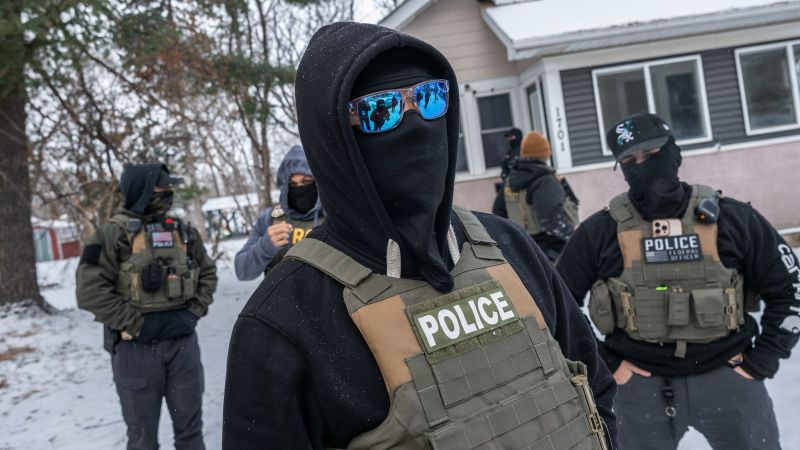
President Donald Trump and his administration have adopted a rather confusing posture on their highly controversial immigration raids.
On the one hand, they seem to recognize that ICE’s actions are a growing political problem for them, as polls show 6 in 10 Americans say the agency has gone “too far.” Both Trump and Vice President JD Vance have begun acknowledging “mistakes” have been made or could be made in the future.
But besides those rhetorical shifts, there is little evidence that the administration is actually changing up its practices. Indeed, just this week the administration has doubled down on one of its most aggressive volleys yet: claiming the power to enter people’s homes without a judicial warrant, which was laid out in a May 2025 memo revealed this week.
All of it suggests an administration that is sticking with an aggressive path.
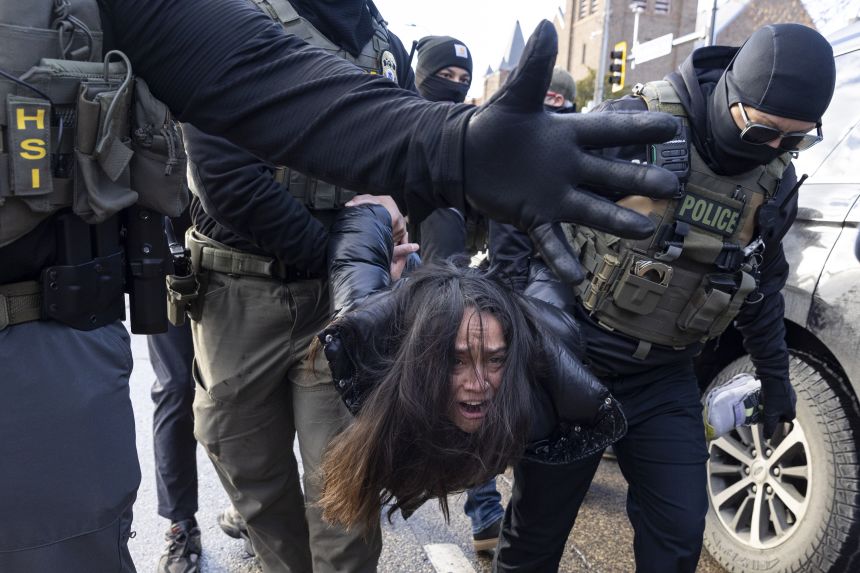
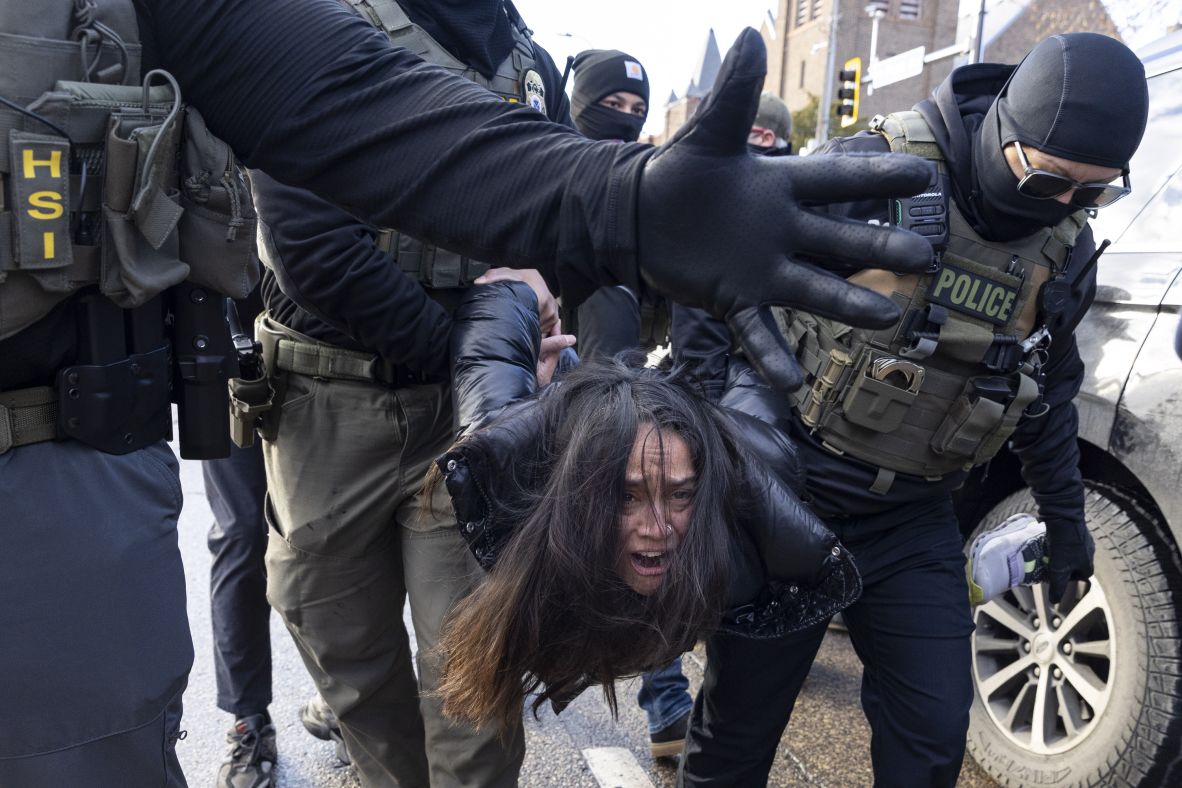
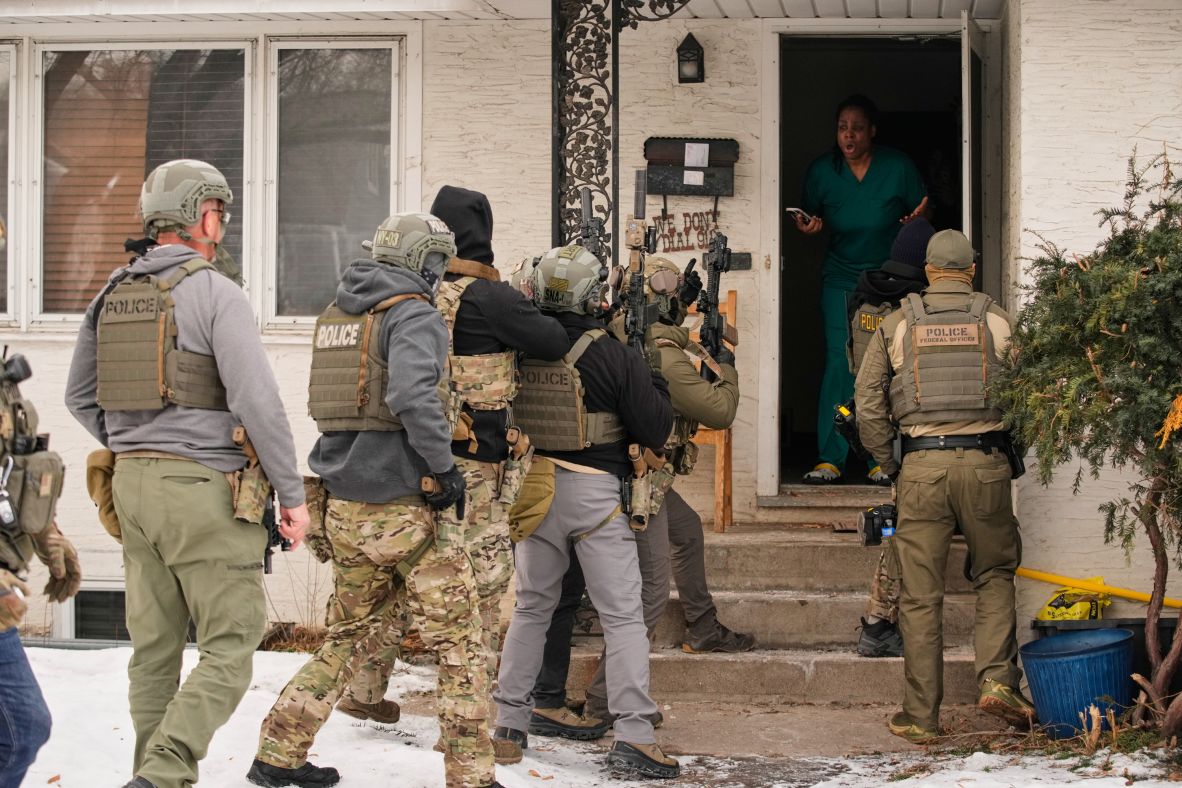
But there’s plenty of evidence that path may continue causing political problems for the administration. The polling suggests a narrative of overreach and over-aggression has clearly set in, with a growing volume of videos and images likely hardening those perceptions.
Here’s what’s really driving that narrative home right now.
This remains the flashpoint because it in many ways epitomizes what stepping over the line between aggressive tactics and overzealous ones can mean.
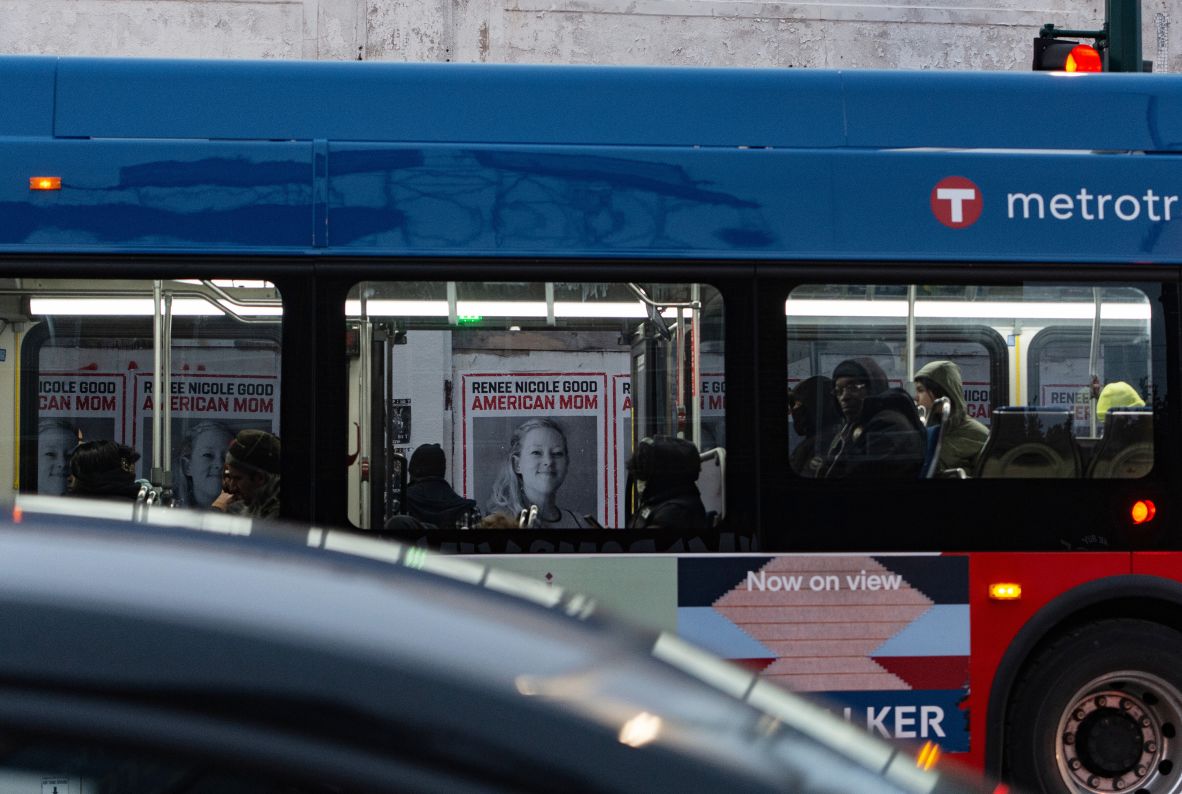
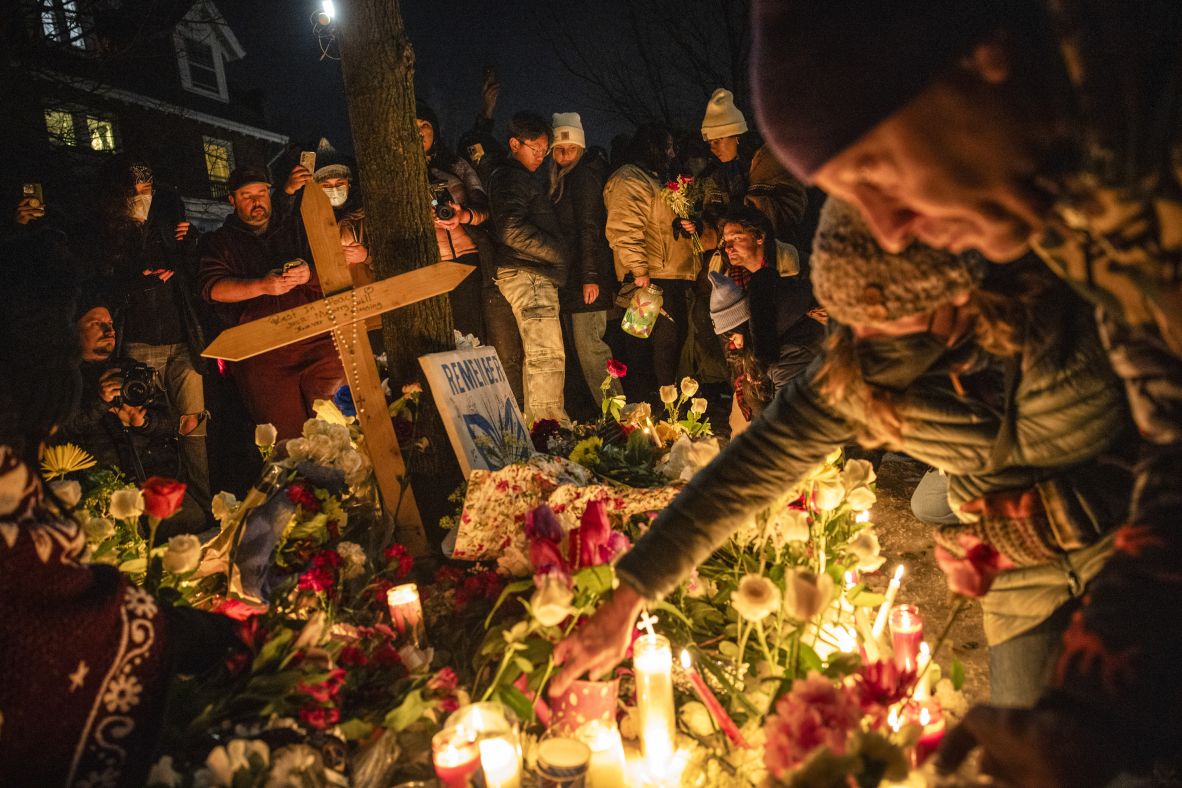
ICE agent Jonathan Ross’ shooting and killing of Good in Minneapolis remains contentious. The main question is whether he legitimately feared Good running him over.
But beyond that, his tactics have come under fire, including standing in front of Good’s car (which ICE officers are generally advised not to do) and continuing to shoot at her from the side of the car, when he was objectively not in danger of being run over.

What’s clear is that the American people have come down decidedly against ICE and the administration’s defense of the agent’s actions. A CNN poll showed US adults said 56%-26% that the agent’s use of force was inappropriate. Other surveys showed the same thing but by slightly smaller margins.
The polls also show the Minneapolis shooting earned huge attention, with a Quinnipiac University poll finding 82% of registered voters said they’d seen video of the shooting.
And finally – perhaps worst of all for the administration – a majority of Americans didn’t see this as an isolated incident, per the CNN poll. While 56% said the use of force was inappropriate, 51% said both that it was inappropriate and that it “reflects bigger problems with the way ICE is operating.”
Those findings suggest this episode has come to symbolize the larger controversy over ICE – and not in a good way for the administration.
This is perhaps the most recent major development. And CNN’s Michael Williams has a full download.
Basically, an ICE memo has claimed agents have the authority to enter someone’s home even if there is no warrant signed by a judge. It claims agents can instead use warrants signed by ICE officers themselves, called “administrative warrants.”
But experts that Williams spoke to say that’s not how it’s supposed to work, with some going so far as to say it invalidates the Fourth Amendment and its protections against unreasonable searches and seizures.
The problem here is that there is basically no check on the executive branch’s use of such administrative warrants. The ICE officer who signs the administrative warrant works for the executive branch. So the executive branch is both carrying out the search and deciding it has the authority to do so.
A Department of Homeland Security training manual last year indicated the agency agreed – at least at that time – that judicial warrants were required to enter a home, The New York Times reported.
Even when defending the use of administrative warrants Thursday, Vice President JD Vance didn’t give it the most resounding defense.
“Now it’s possible, I guess, that the courts will say no,” he said, adding: “That’s our understanding of the law.”
Will your average American distinguish between judicial warrants and administrative warrants? Perhaps not. But this is the executive branch effectively giving itself the power to enter anyone’s home without a court’s say-so. That’s the kind of thing that could seemingly rub those who value civil liberties the wrong way.
We are still learning about the 5-year-old boy who was pictured being taken by ICE and is now being held with his father in a Texas facility.
The administration claims it had no choice because the boy’s father had fled his arrest and abandoned the child, and the mother would not accept custody of him. It has said it has treated the boy with great care.
But the family’s lawyer said the father and his son are not even in the country illegally – that they presented themselves to border officers in Texas in 2024 and were in the process of applying for asylum. And the superintendent of a local school district has alleged that the 5-year-old was used as bait to try and get another adult living in the home to come out. (A DHS spokeswoman who has made a series of dubious claims called the bait allegation a “horrific smear.”)

But regardless of the particulars, this situation points to something that’s quite politically problematic for the White House.
I wrote in December 2024 about how scenes like this were inevitable. If you’re truly pursuing a mass deportation agenda, it’s virtually impossible to avoid either separating families or holding children in detention. There are simply too many minor citizen children (millions) who live with undocumented parents, for example.
And indeed, overnight we learned about a similar example – a 2-year-old girl who was taken into ICE custody with her father and flown with him to Texas before being returned to her mother on Friday, according to a family lawyer. The family lawyer in an affidavit said the child was taken to Texas despite a court order requiring her immediate release.
And these are the kinds of situations in which you tend to see support for deportation plummet.
A 2018 CNN poll tested not detaining children and parents together, but separating them. Americans said by nearly 40 points that they preferred to focus on keeping families intact rather than prosecuting illegal immigration, if they had to choose.
And the photos of the 5-year-old are perhaps the most indelible reminder yet that, while the administration has played up these efforts as apprehending the “worst of the worst,” there is plenty of much-more-sympathetic collateral damage.
The administration often justifies its actions by saying undocumented migrants shouldn’t benefit from the same protections as citizens. But citizens have often gotten snapped up, too.
ProPublica found in October that more than 170 US citizens had been held by immigration agents by that point – including some who underwent rough treatment and were held for days. (“We don’t arrest US citizens for immigration enforcement,” DHS spokesperson Tricia McLaughlin told ProPublica).
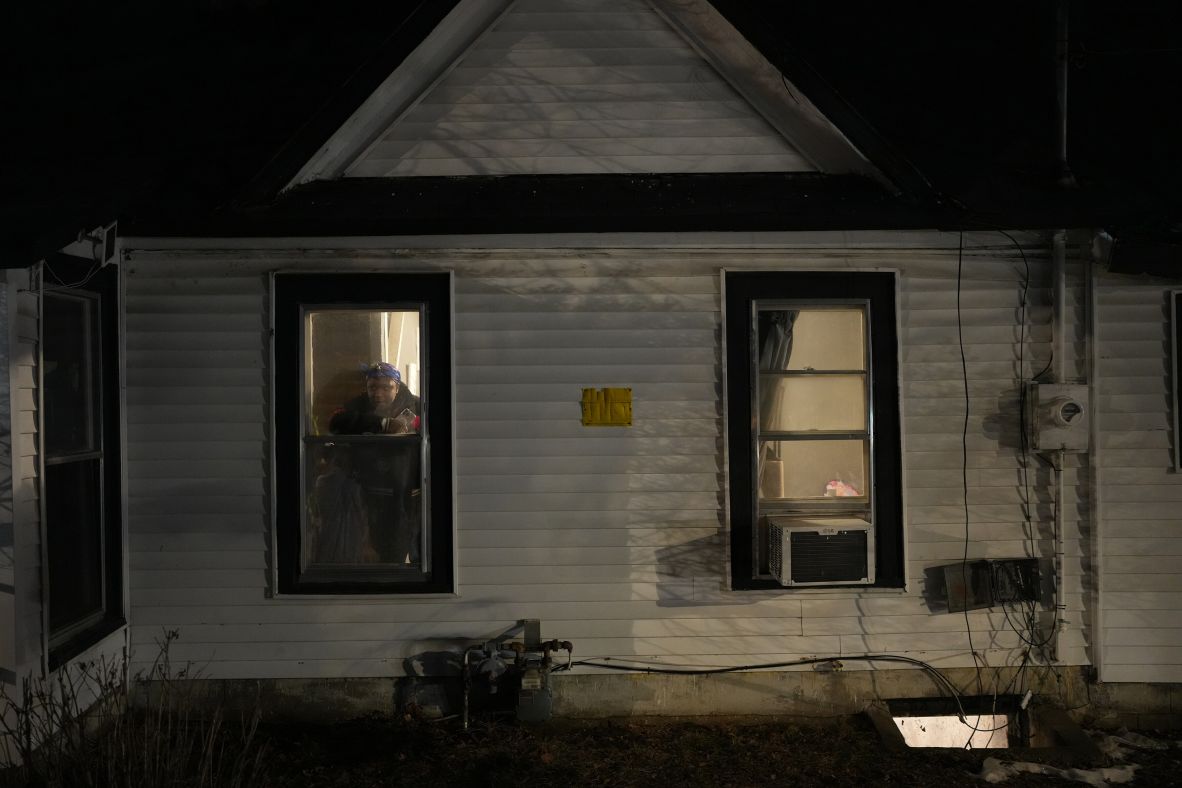
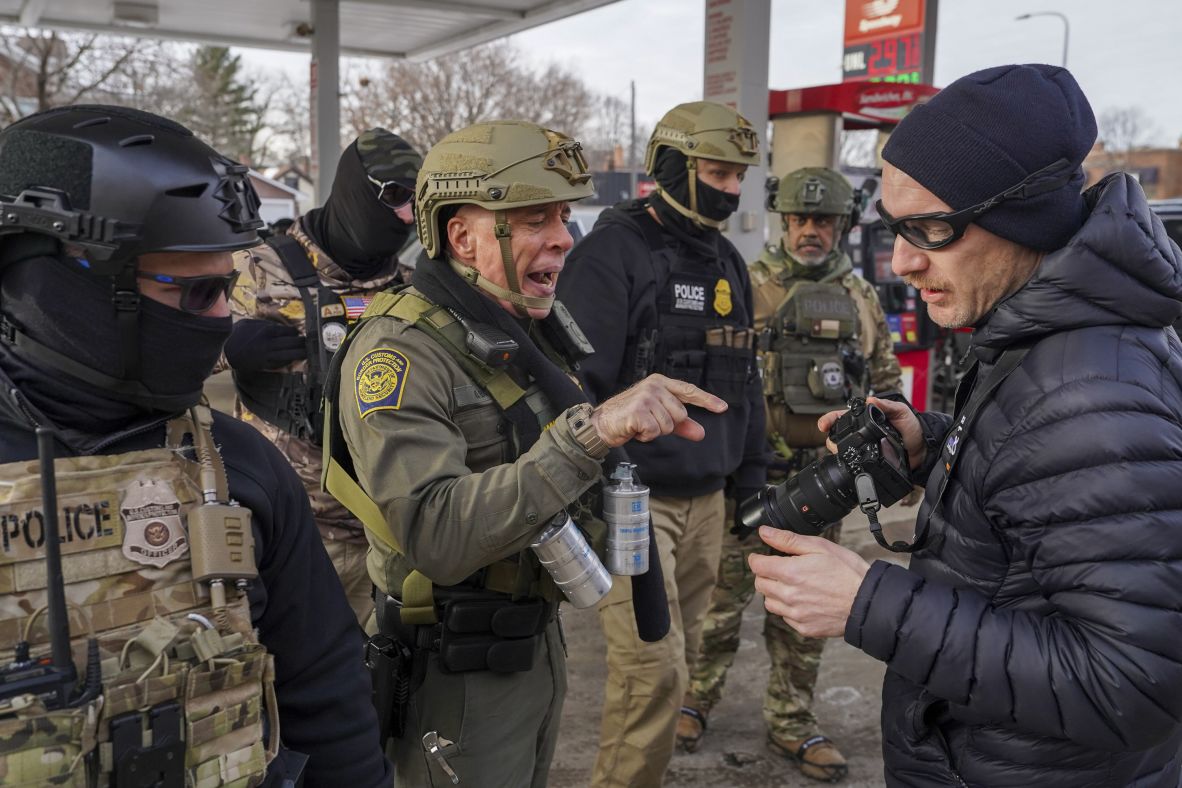
 told CNN she was confused by conflicting commands from officers and that she was just trying to go to a doctor’s appointment.” class=”image__dam-img image__dam-img–loading” onload=’this.classList.remove(‘image__dam-img–loading’)’ onerror=”imageLoadError(this)” height=”2000″ width=”3000″ loading=’lazy’/>
 told CNN she was confused by conflicting commands from officers and that she was just trying to go to a doctor’s appointment.” class=”image__dam-img image__dam-img–loading” onload=’this.classList.remove(‘image__dam-img–loading’)’ onerror=”imageLoadError(this)” height=”2000″ width=”3000″ loading=’lazy’/>
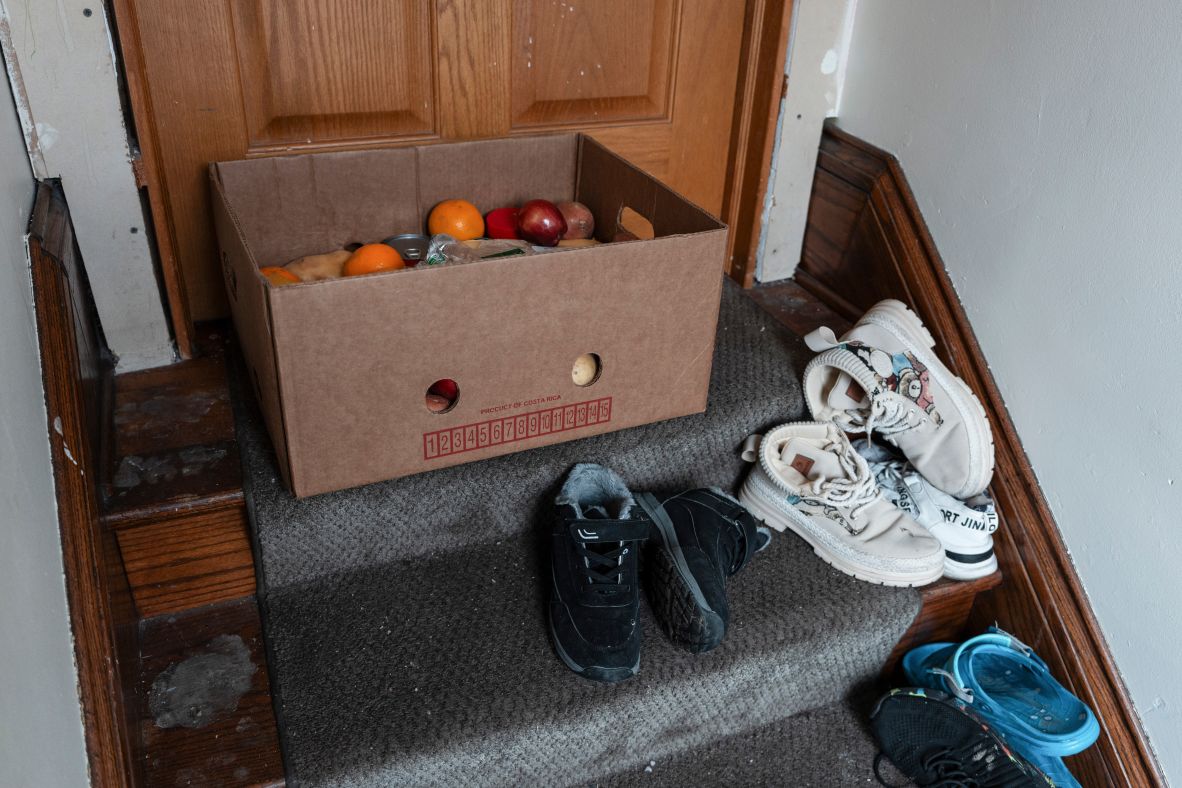
 detained by federal agents after arriving home from preschool in a Minneapolis suburb on January 20. He is being held with his father at an ICE facility in Texas, according to school district officials and a family attorney. The boy and his family are originally from Ecuador and presented themselves to border officers in Texas in December 2024 to apply for asylum, the family’s lawyer, Marc Prokosch, said during a press conference. The Department of Homeland Security said the father was the intended target of the operation.” class=”image__dam-img image__dam-img–loading” onload=’this.classList.remove(‘image__dam-img–loading’)’ onerror=”imageLoadError(this)” height=”2048″ width=”1536″ loading=’lazy’/>
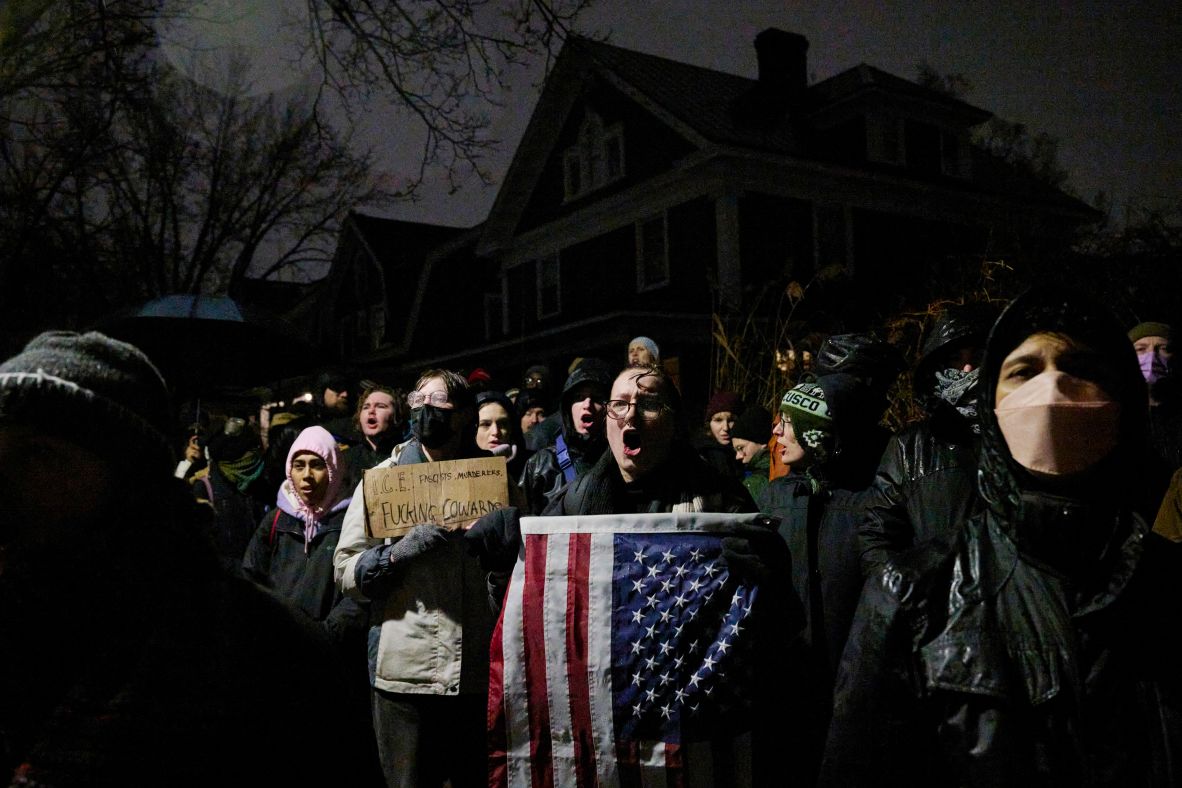
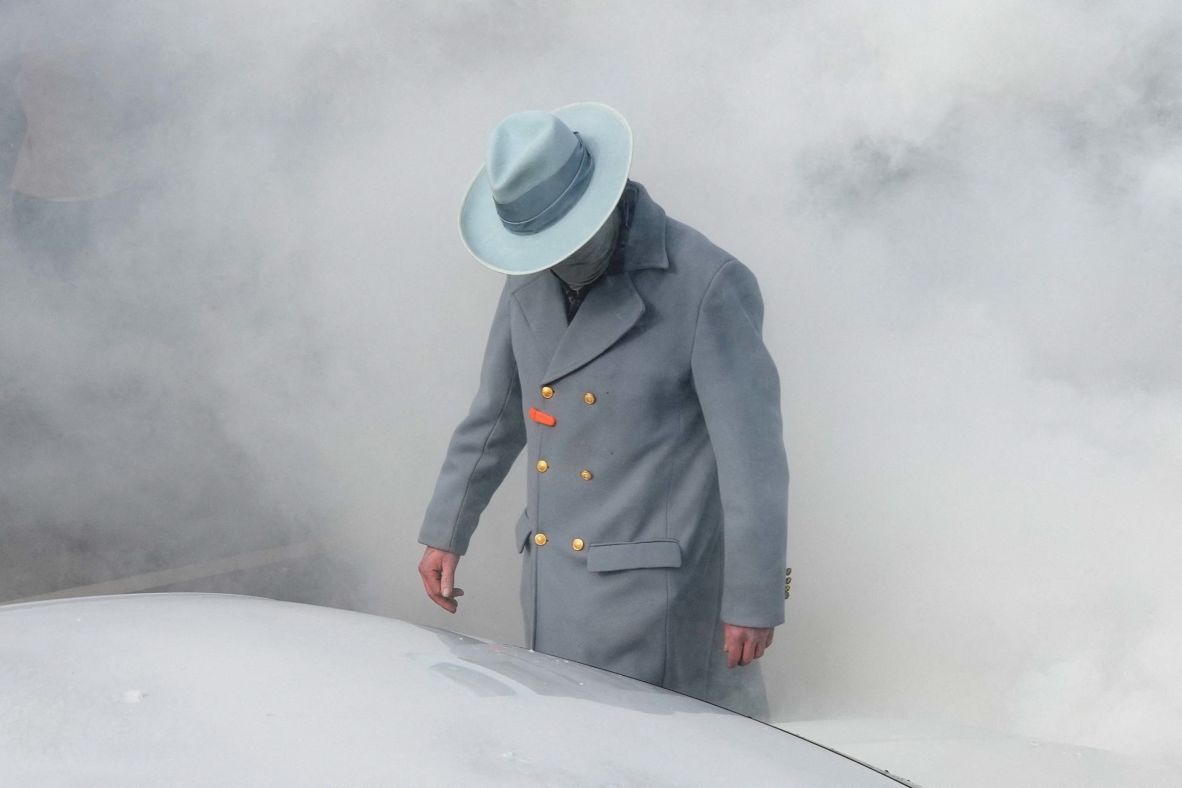
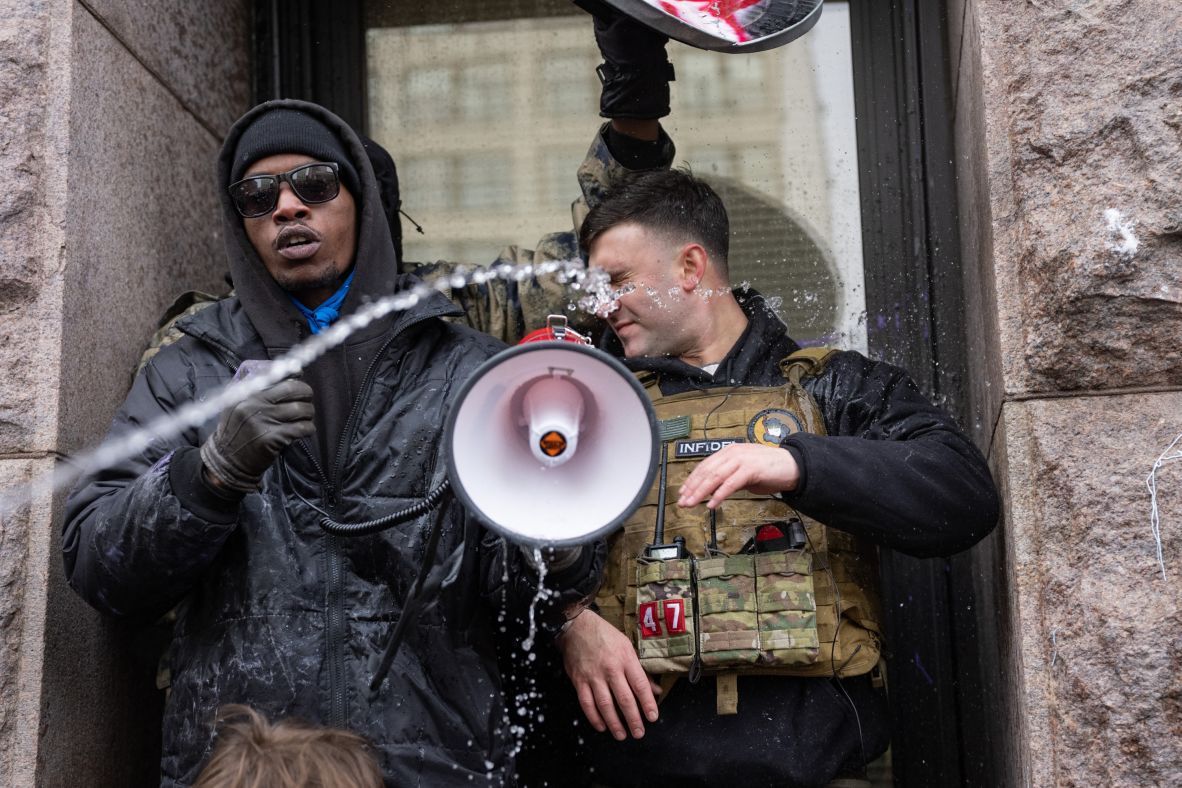 the crowd chased him off before he could carry out his plan to burn a Qur’an and march to the Cedar-Riverside neighborhood, home to the city’s highest concentration of Somali American residents.” class=”image__dam-img image__dam-img–loading” onload=’this.classList.remove(‘image__dam-img–loading’)’ onerror=”imageLoadError(this)” height=”2000″ width=”3000″ loading=’lazy’/>
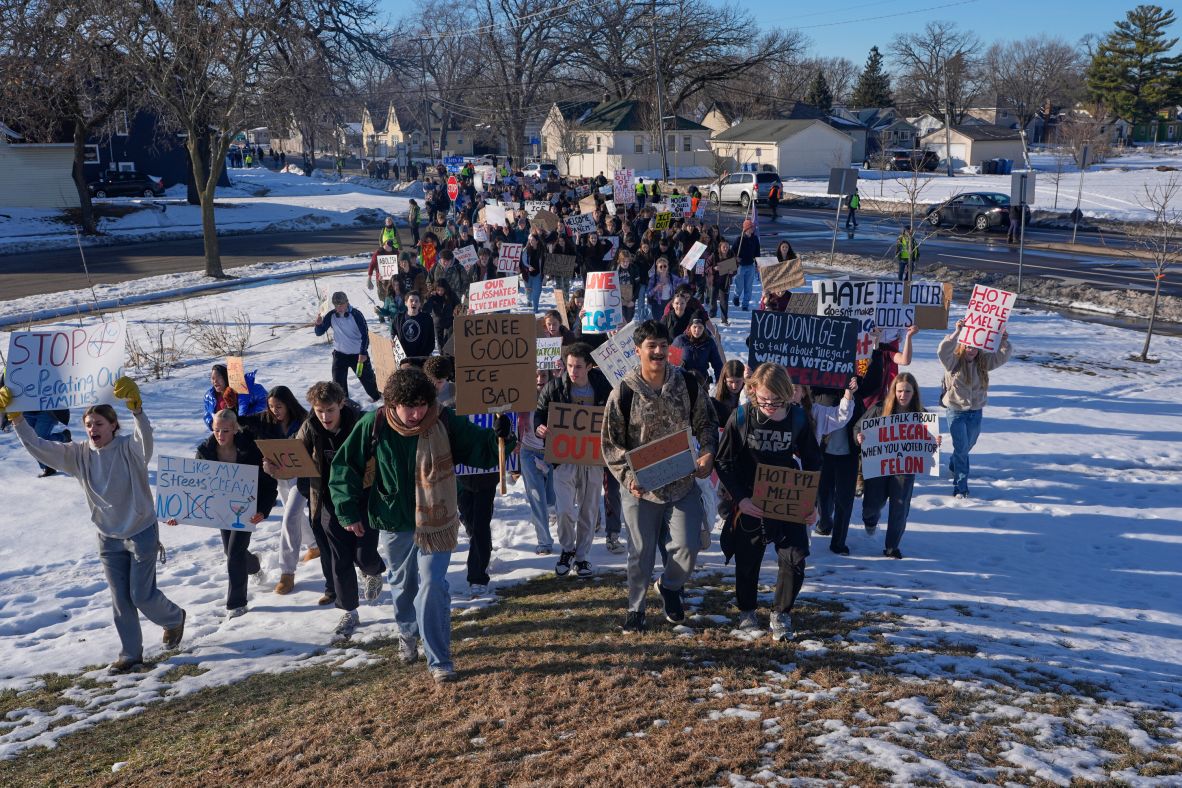
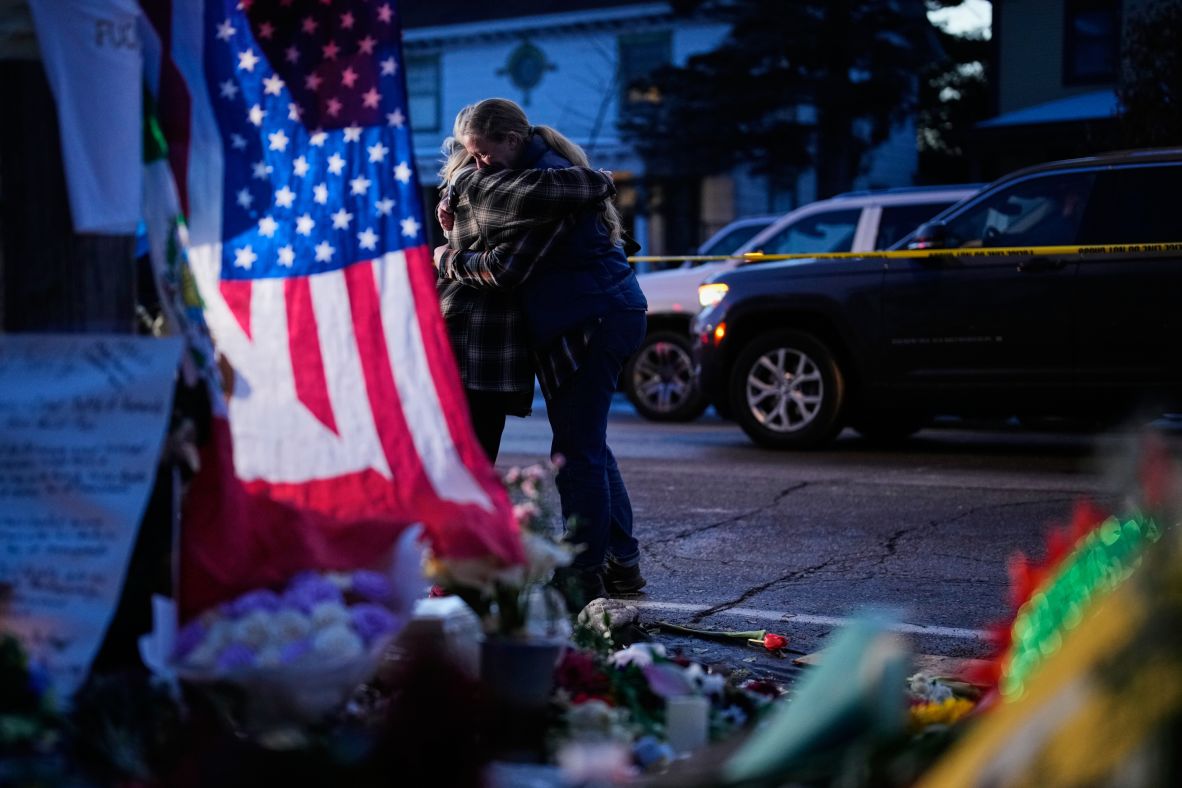 was killed when an ICE agent shot into her vehicle during an encounter on January 7. Homeland Security Secretary Kristi Noem said Good tried to “weaponize her vehicle” and that the agent opened fire out of self-defense. State and local officials have disputed that claim.” class=”image__dam-img image__dam-img–loading” onload=’this.classList.remove(‘image__dam-img–loading’)’ onerror=”imageLoadError(this)” height=”2000″ width=”3000″ loading=’lazy’/>
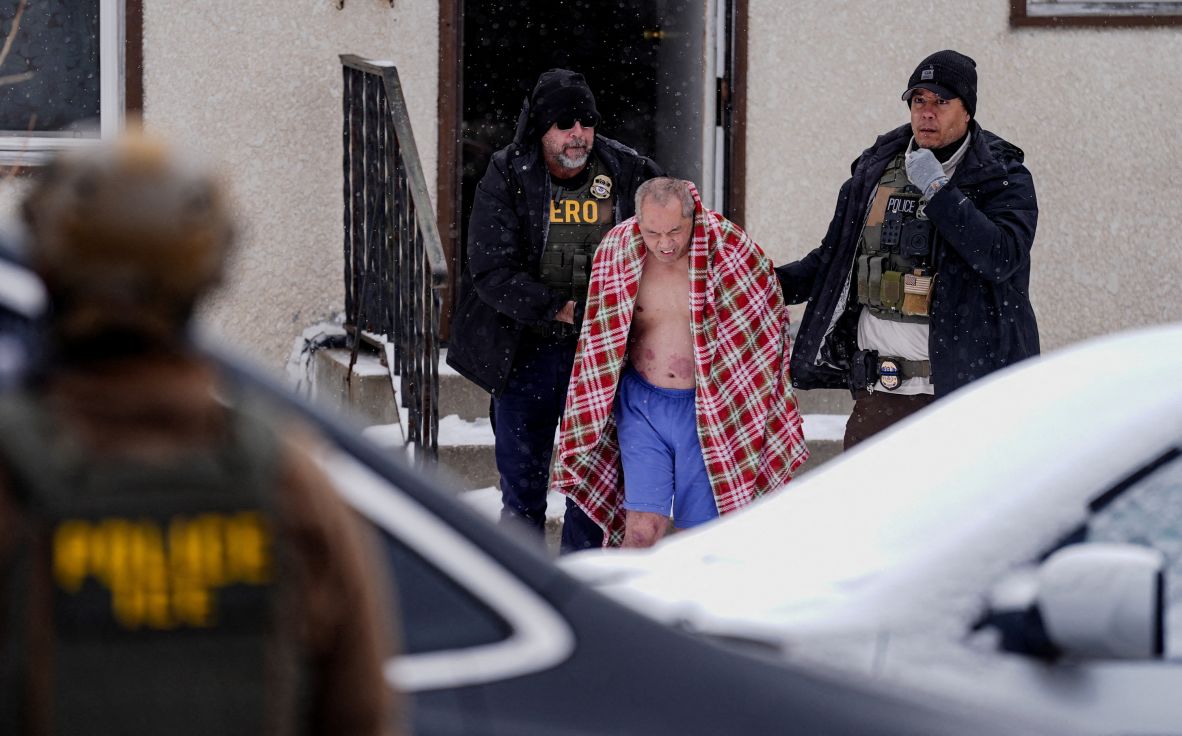 he told the Reuters news agency. “I was praying. I was like, God, please help me, I didn’t do anything wrong. Why do they do this to me? Without my clothes on,” Thao, a Hmong man born in Laos, told Reuters.” class=”image__dam-img image__dam-img–loading” onload=’this.classList.remove(‘image__dam-img–loading’)’ onerror=”imageLoadError(this)” height=”1868″ width=”3000″ loading=’lazy’/>
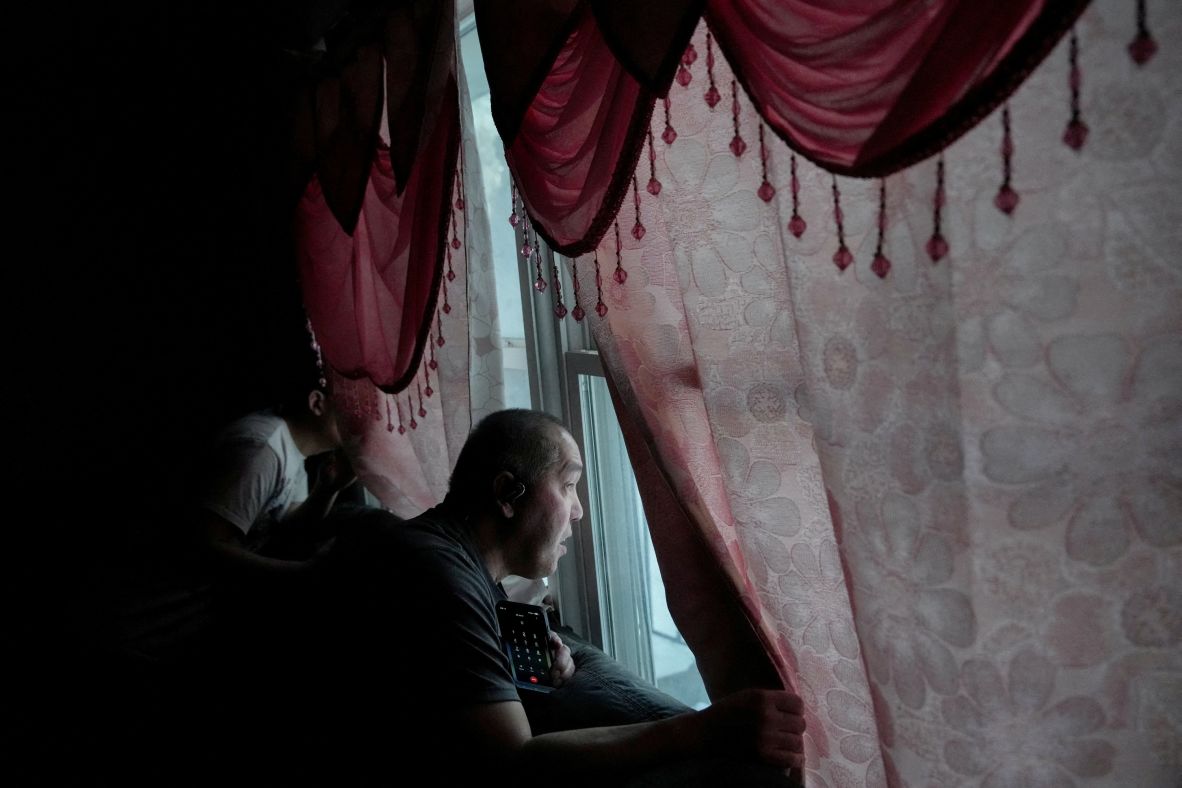
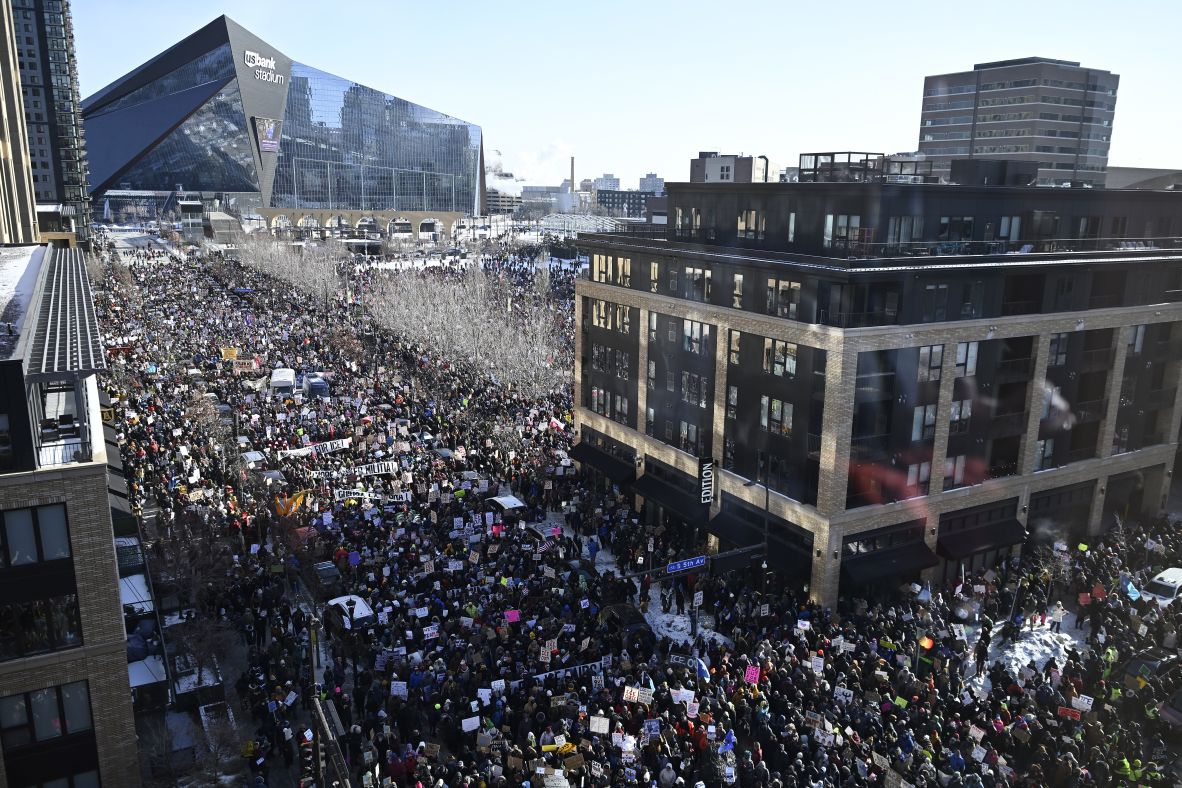
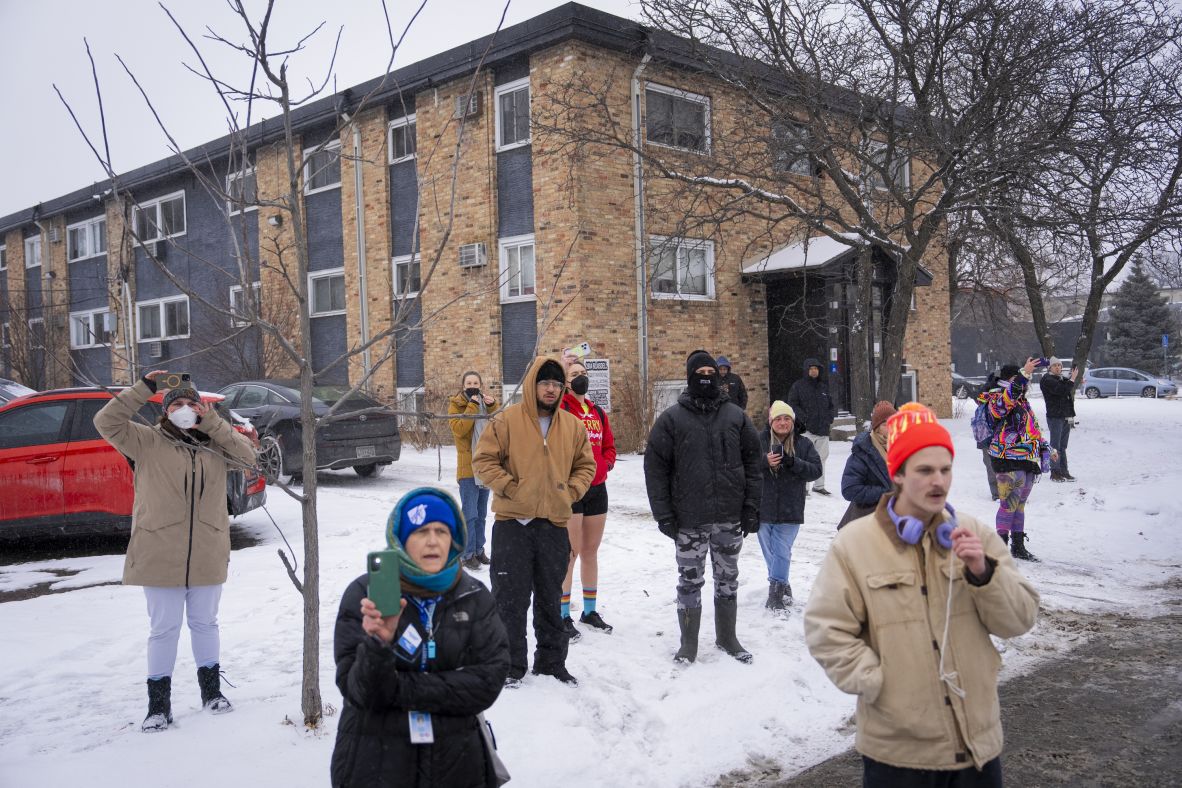
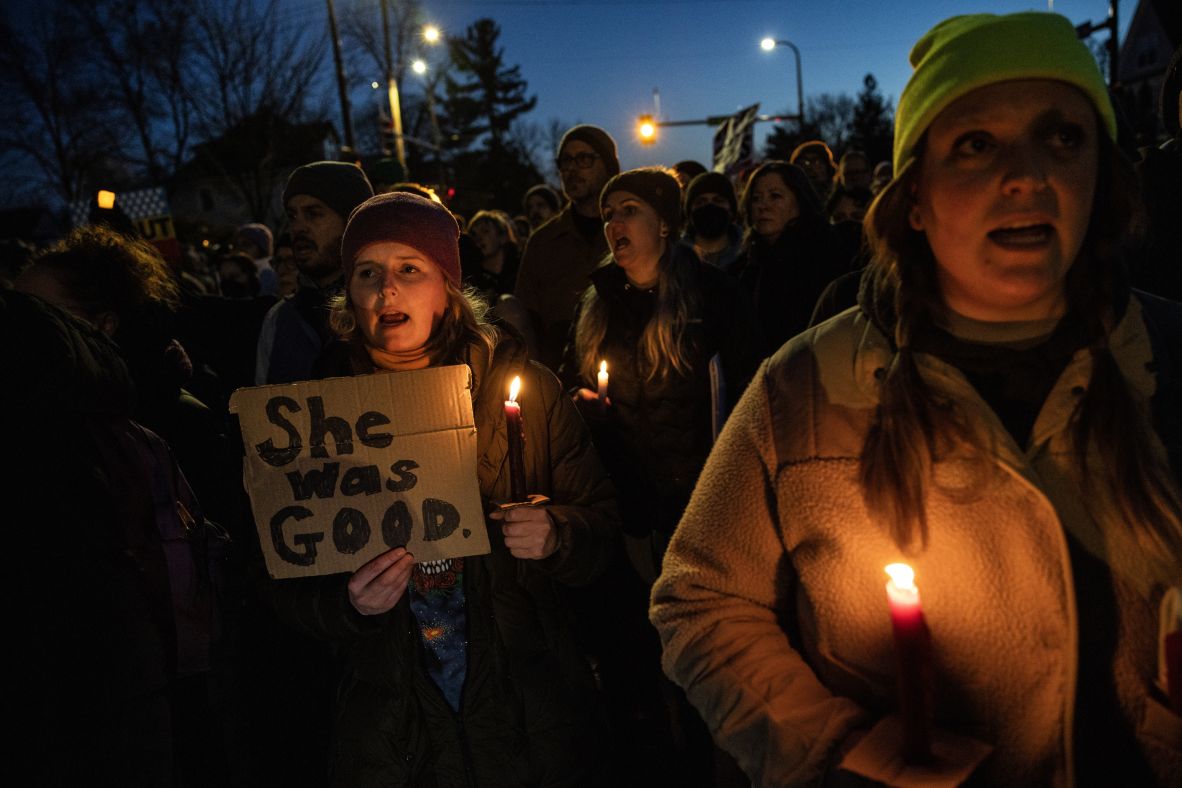
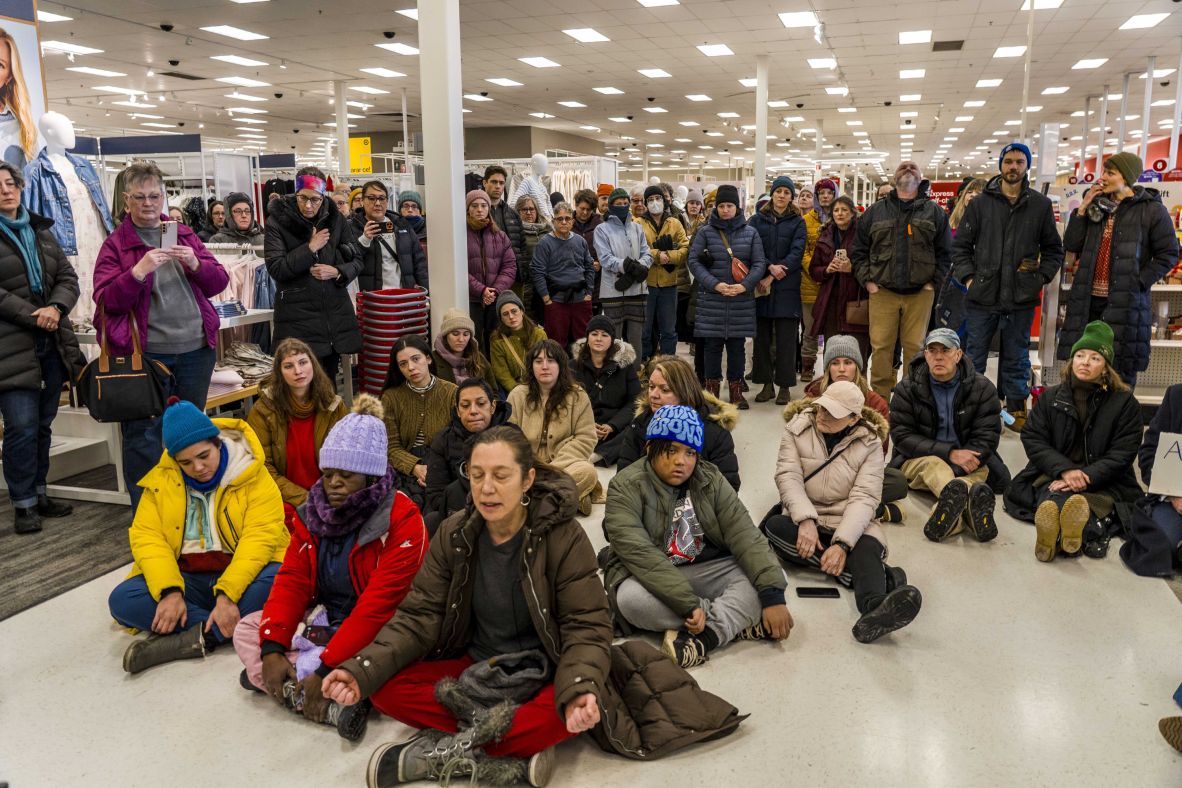 Target is headquartered in Minneapolis and has roughly 50 stores in the metro area. Two Target employees were arrested by immigration agents at a store in Richfield.” class=”image__dam-img image__dam-img–loading” onload=’this.classList.remove(‘image__dam-img–loading’)’ onerror=”imageLoadError(this)” height=”2000″ width=”3000″ loading=’lazy’/>

 fatal shooting in Minneapolis on January 7.” class=”image__dam-img image__dam-img–loading” onload=’this.classList.remove(‘image__dam-img–loading’)’ onerror=”imageLoadError(this)” height=”3000″ width=”2298″ loading=’lazy’/>
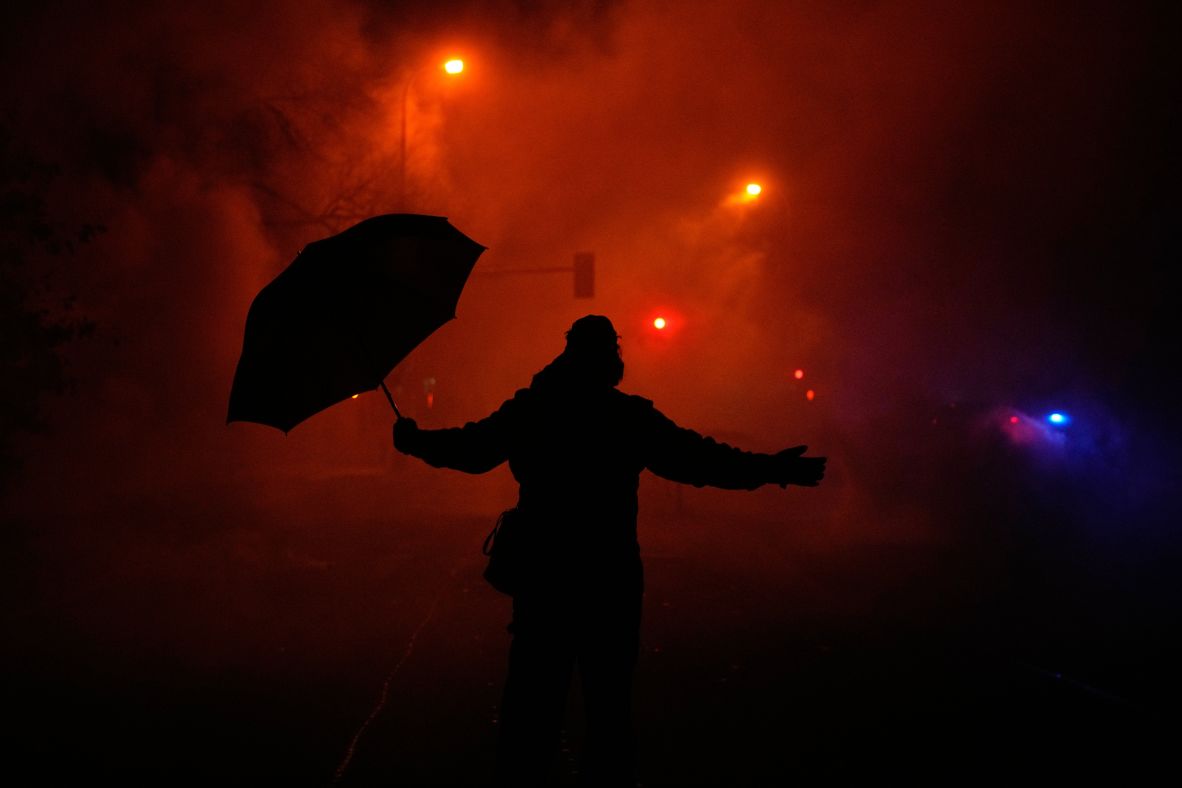
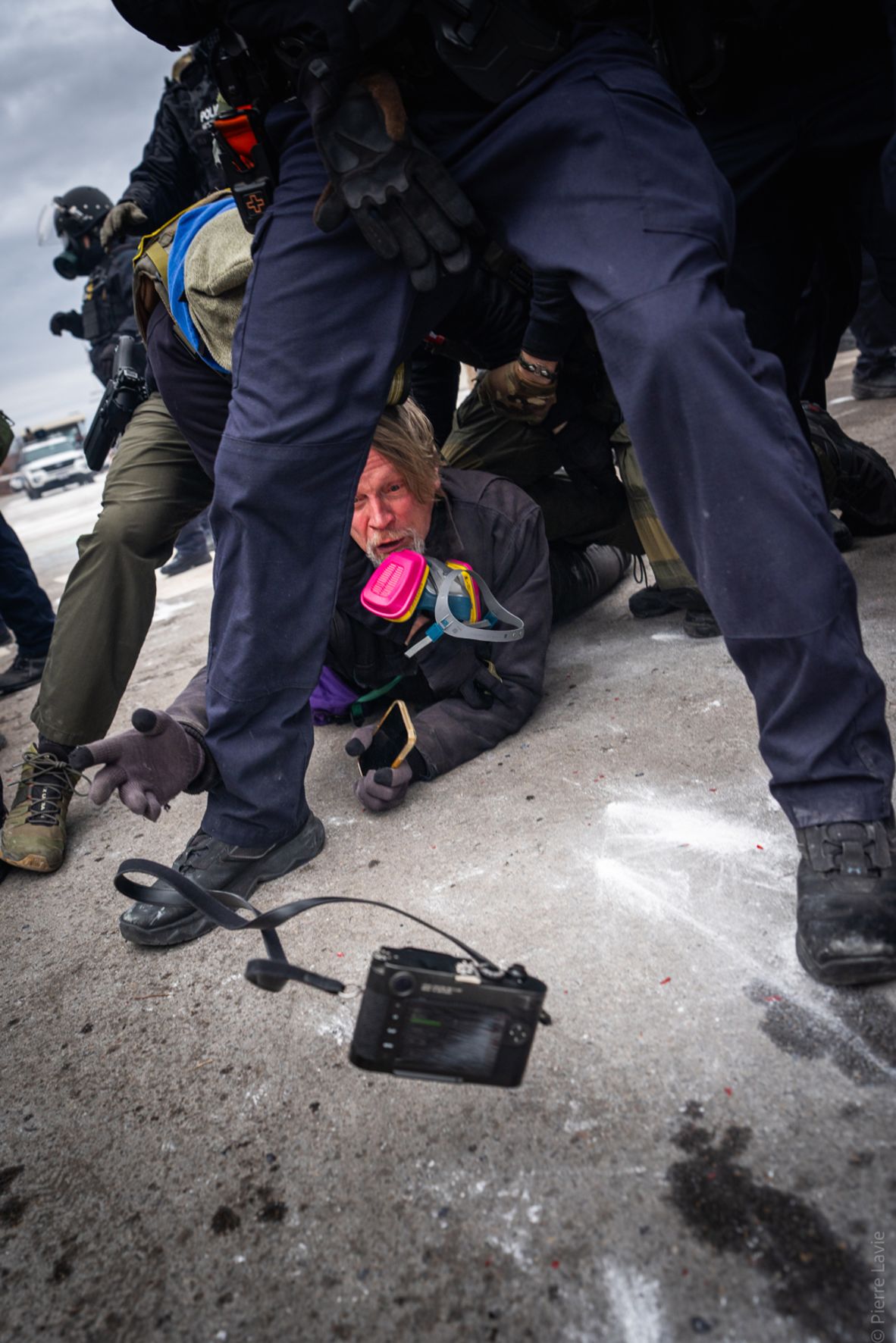
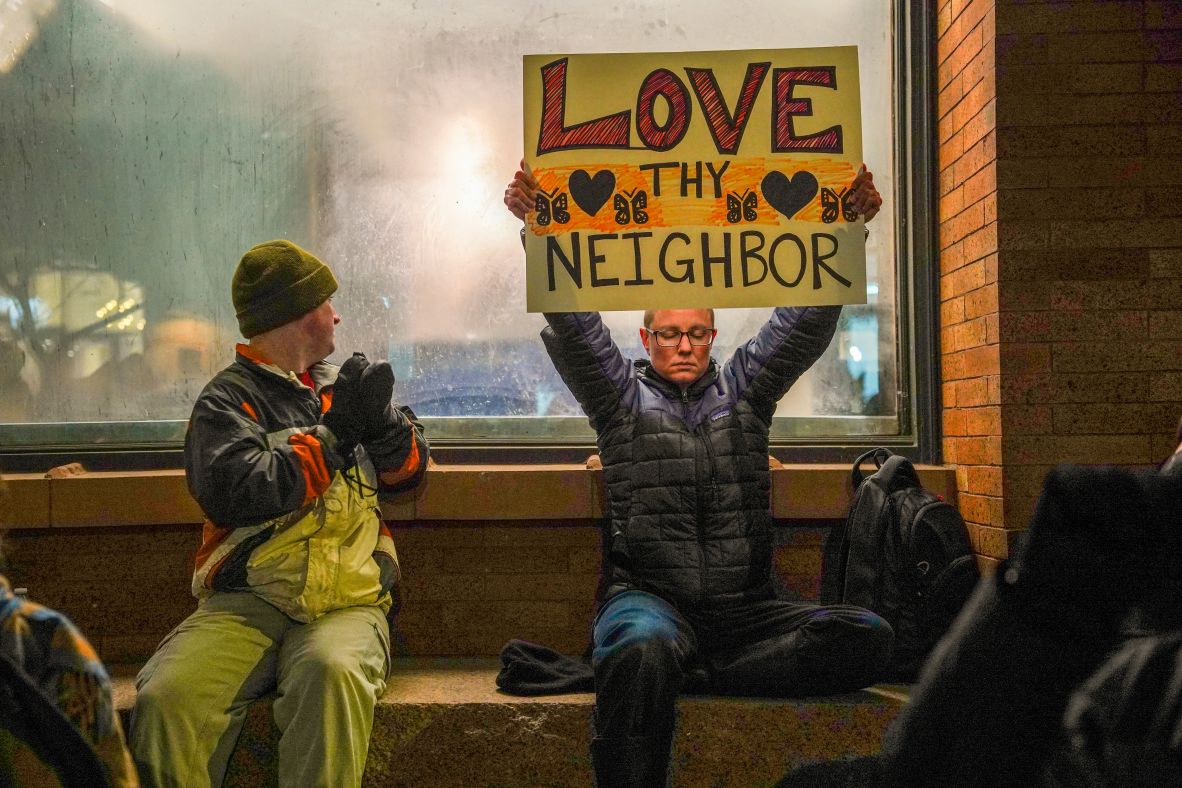
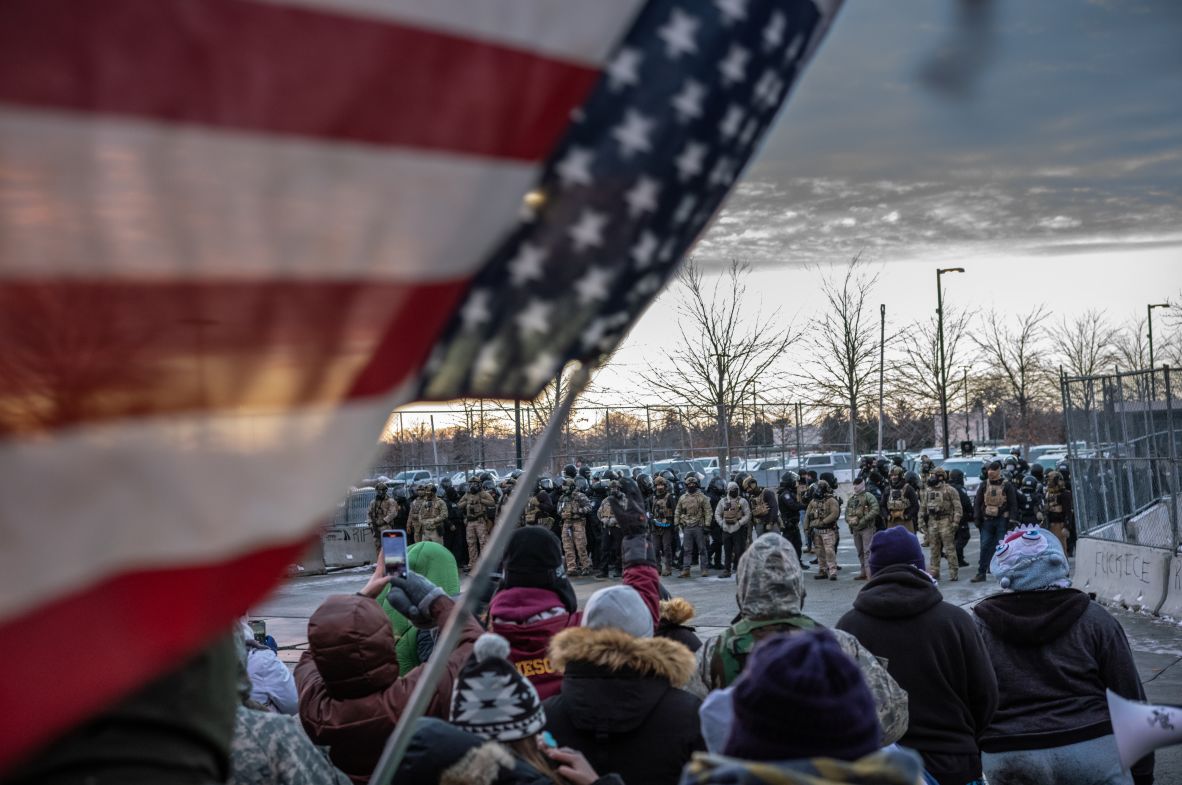
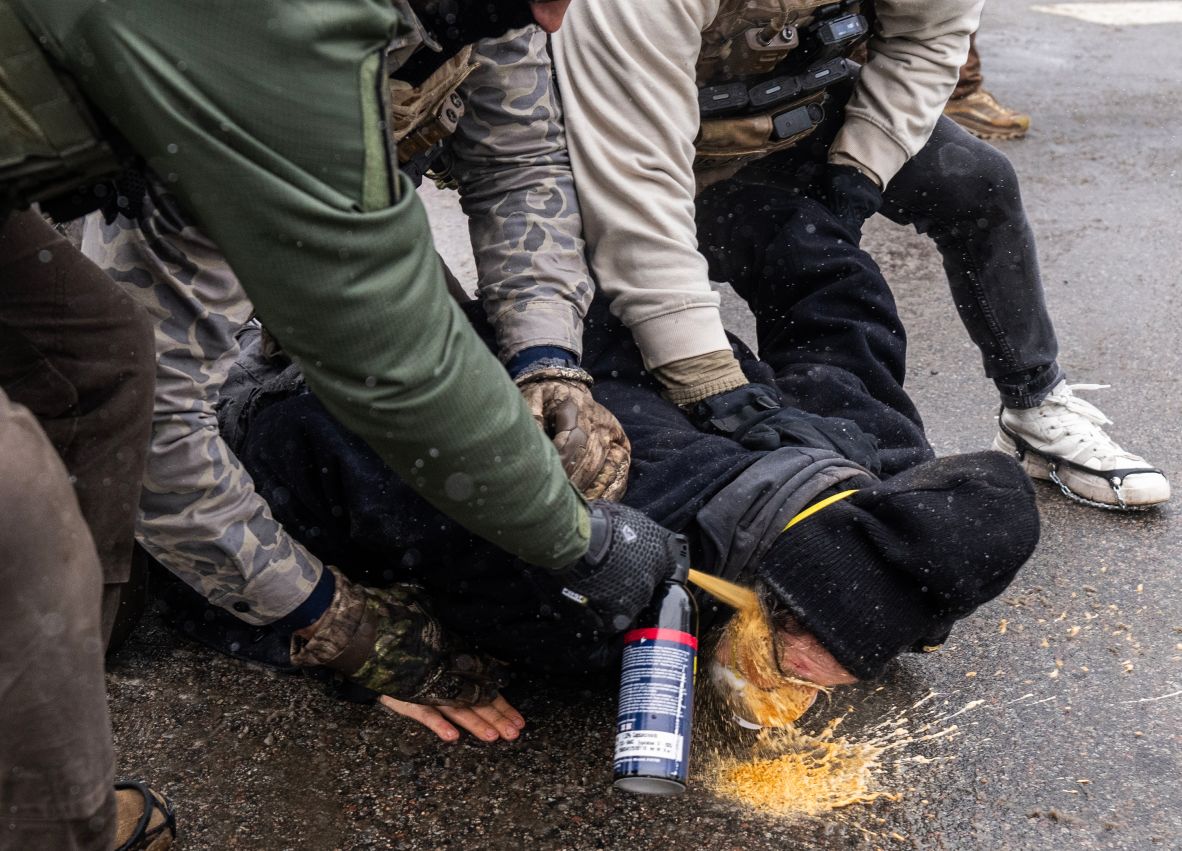
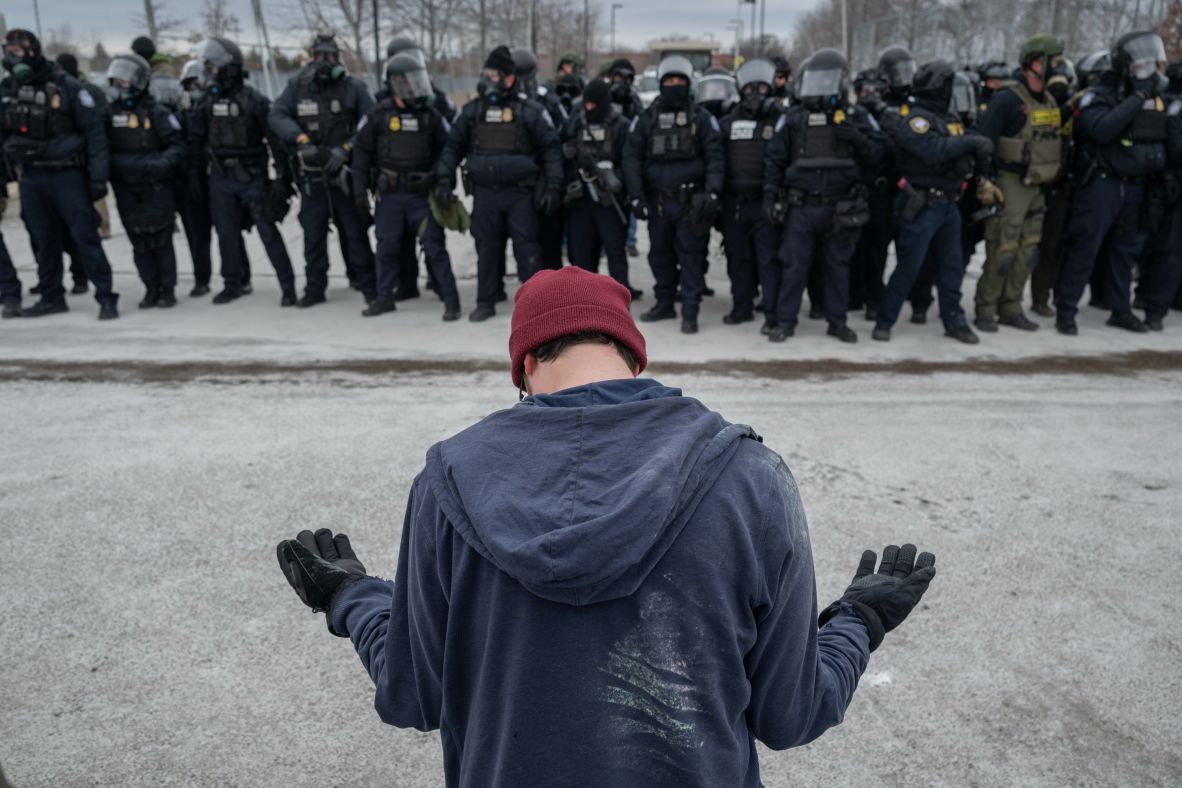
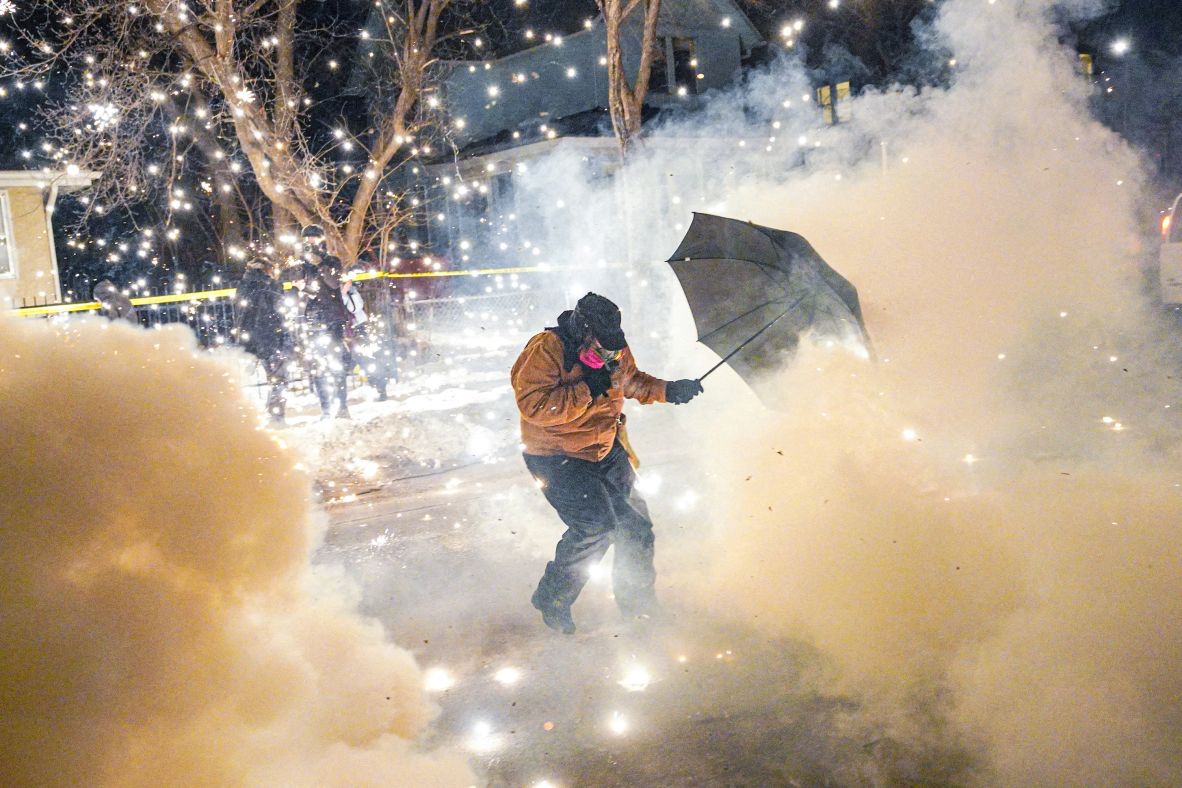
In pictures: The Minneapolis immigration crackdown
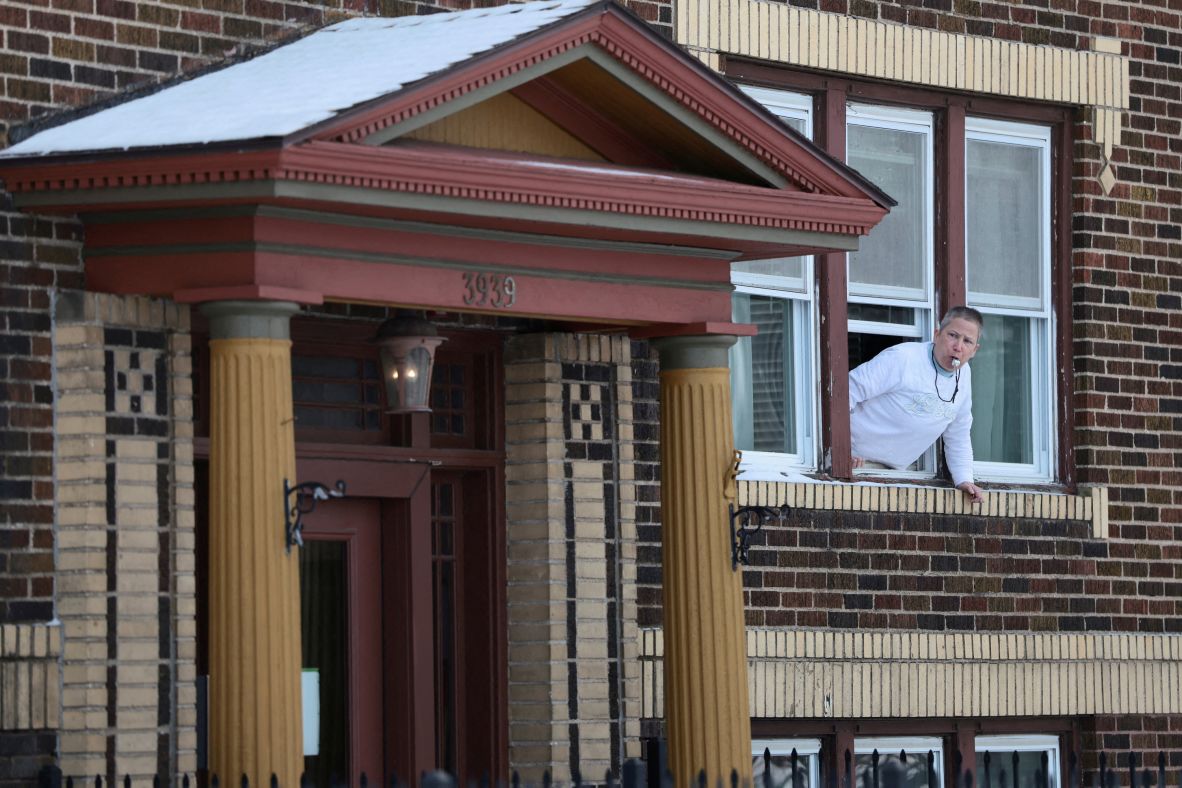
Those detentions came into focus this week with the apprehension of a Hmong man in St. Paul who was escorted outside his home wearing little clothing in freezing-cold temperatures. The man, ChongLy Scott Thao, is a naturalized US citizen with no criminal record. He was released about an hour later.
And we’ve since learned that not only was the man the victim of a mistaken identity, but one of the sex offenders ICE said it was looking for was actually already in custody, according to the Minnesota Department of Corrections. The situation would seem to point to a distinct lack of care in the federal government’s actions, but also the fact that it’s not just migrants who are finding themselves targeted – in ways that can rob them of their dignity.
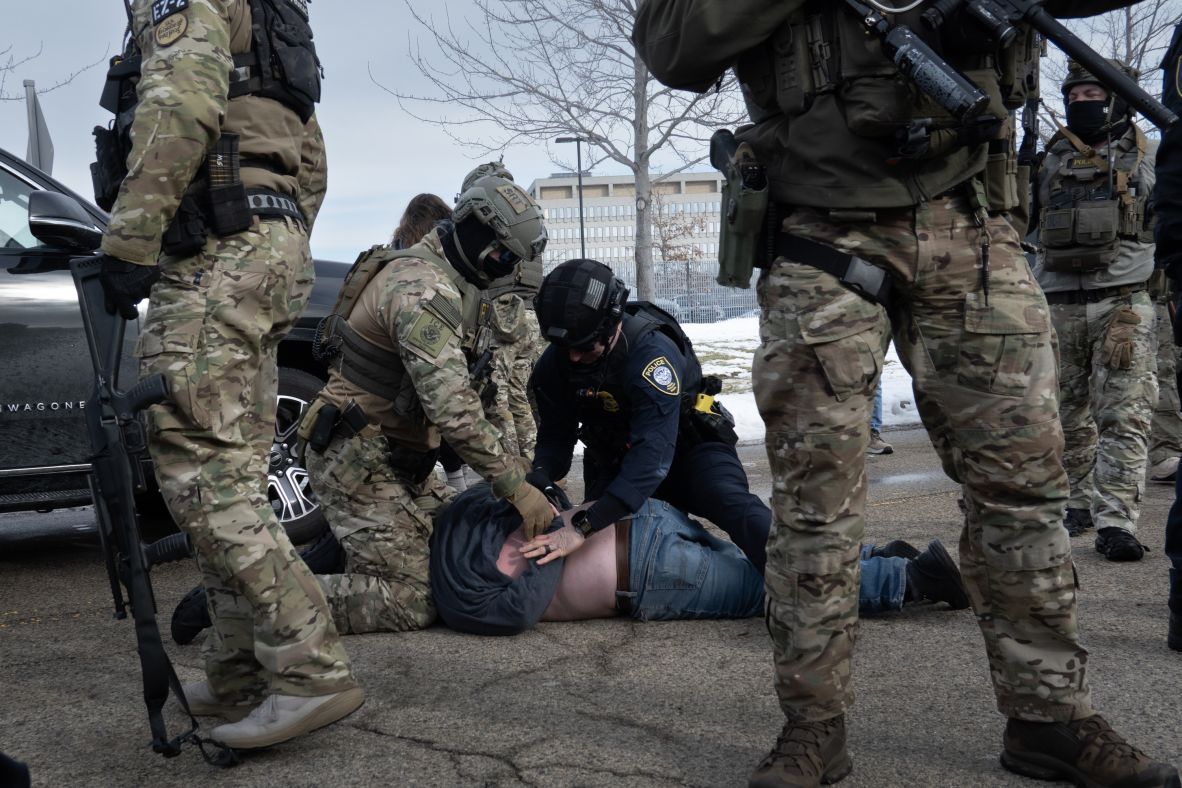
CNN reported last year on some federal officials raising concerns about Homeland Security officials using overly aggressive tactics, including possibly engaging in racial profiling. And the issue has begun to boil over in Minnesota.
The sheriff of Minneapolis-based Hennepin County has cited multiple instances of ICE stopping people “solely because of the color of their skin.”
The police chief in nearby Brooklyn Park said law enforcement is inundated with similar allegations from US citizens. He even said his off-duty police officers have been stopped, including one at gunpoint.
“Every person who has had this happen to them is a person of color,” Chief Mark Bruley said.
(DHS has said it has “no record of ICE or Border Patrol stopping and questioning a police officer.” It has also denied allegations of racial profiling.)
And then there is the video last week of a US Border Patrol agent asking a man for his paperwork and saying he was doing so “because of your accent.”
Whether any of it amounts to actual, provable profiling, we don’t know. But it’s become abundantly clear that agents are being put under lots of pressure to apprehend undocumented immigrants and there is relatively little caution involved. That can lead to shortcuts and lots of problems.
This story has been updated with additional developments.