
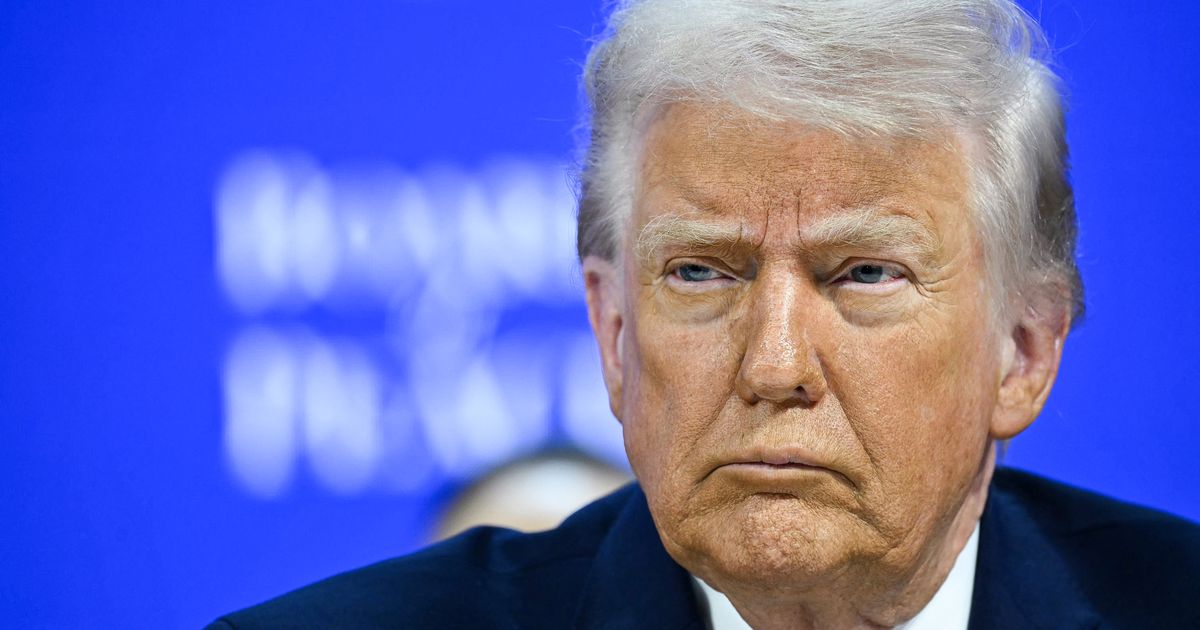
Experts have given their opinion on what’s be on inside the mind of the most divisive man of the 21st century.
12:28, 24 Jan 2026Updated 16:41, 24 Jan 2026
Psychology experts have shared what could be going on in the mind of Donald Trump – the most controversial politician of the 21st century – and why his “risky” psychological profile could have terrifying consequences.
The mental capacity of the US President was questioned yet again earlier this week following an extremely awkward speech at the Board of Peace Forum in Davos after he mixed up the countries of Iceland and Greenland, the very country he has so openly expressed wanting “right title and ownership” over.
This bold endeavour has angered fellow world leaders while sparking criticism across the political spectrum, not least because of the almost casual way he discusses a move that would have far-reaching consequences.
While the 79-year-old has insisted that US control over the self-governing Danish island is imperative for the “national security of the US, Europe and other parts of the free world”, citing threats from Russia and China, it’s feared this could throw an already shaky world order into chaos, while setting a dangerous precedent.
Meanwhile, Trump’s true motives have been widely questioned, with Greenland’s rich abundance of mineral resources, plus copious oil and gas reserves, making it a tempting purchase for a money-minded former businessman, who has never exactly been lauded for his company ethics, reports the Mirror.
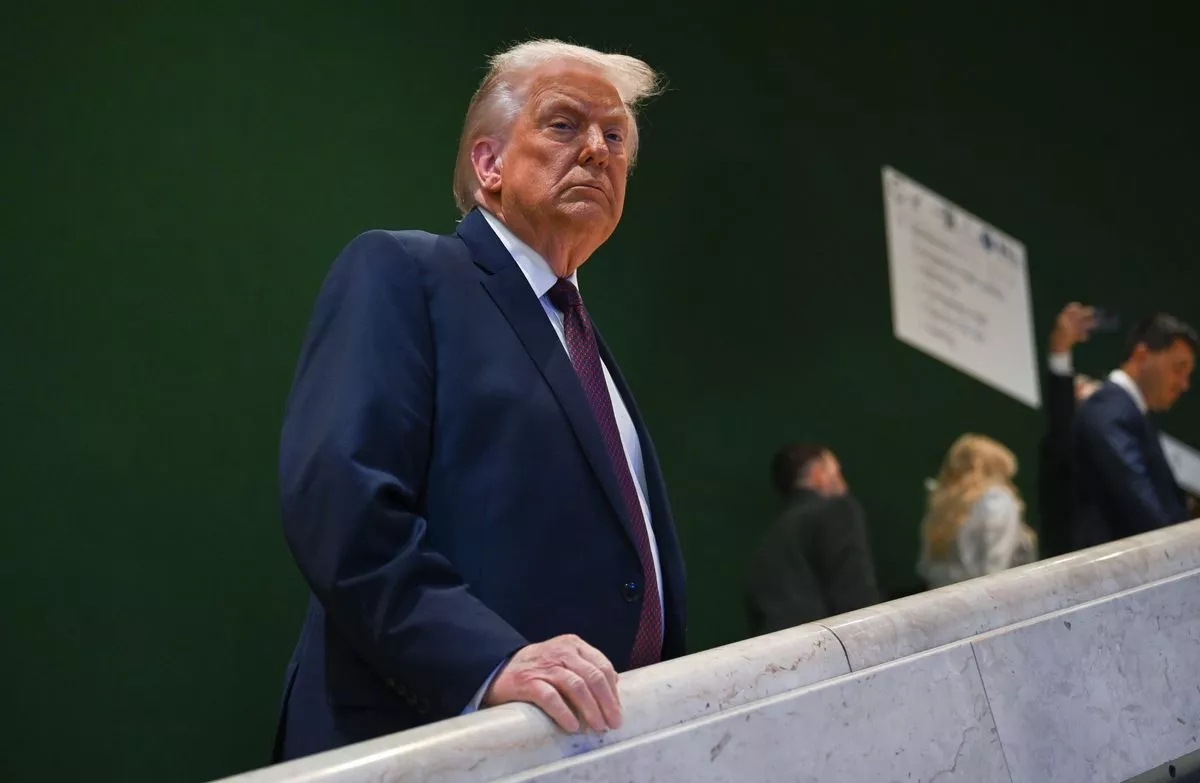
POTUS’s mental capacity was questioned yet again earlier this week following an extremely awkward speech at the Board of Peace Forum in Davos (Image: Getty)
William Freer, research fellow in national security at the Council on Geostrategy, told the Mirror: “Greenland is vital to US national security, but there is very little militarily that Trump cannot already do with Greenland based on existing agreements with Denmark. The recent pressure stems more from the mineral wealth of Greenland.
“The US needs critical minerals for its military, but is heavily dependent on China for now. Controlling Greenland would reduce this reliance.”
Trump has taken a brash approach to getting what he wants, piling pressure on NATO allies in such a way that saw him branded “a bully” and “an international gangster” on this week’s Question Time. Going as far as to claim that the US has “never needed NATO”, Trump took his time to seemingly confirm the US would not be using military force against Greenland, declaring, “I don’t have to use force, I don’t want to use force, I won’t use force.”
Mr Freer continued: “The approach Trump has taken is not too different from his previous negotiating strategies. The President tends to start with maximalist demands and tough talk on actions – including the threat of renewed tariffs – to test resolve. For American allies who are used to an America which has not been willing to throw its weight around to this extent in recent memory, President Trump’s actions have been deeply disturbing.”
So what does this recent behaviour tell us about Trump’s character, and should we be worried?
Chartered psychologist Dr Katie Barge said: “From a psychological perspective, while we can’t diagnose a public figure, we can look at the evidence of behavioural patterns. What Trump’s actions strongly suggest is a dominance-driven, attention-seeking leadership style, where provocation is used deliberately to control the narrative.
“Rapid policy reversals, grand promises, and seemingly petty gestures aren’t random-they function as power plays. In psychology, this kind of behaviour is often linked to high-conflict personalities, where winning, visibility, and status matter more than consistency or cooperation.
“Psychologically, this reflects low emotional regulation paired with high confidence. Decisions appear reactive, personalised, and performative; more about asserting power in the moment than demonstrating emotional intelligence or long-term strategic thinking.”
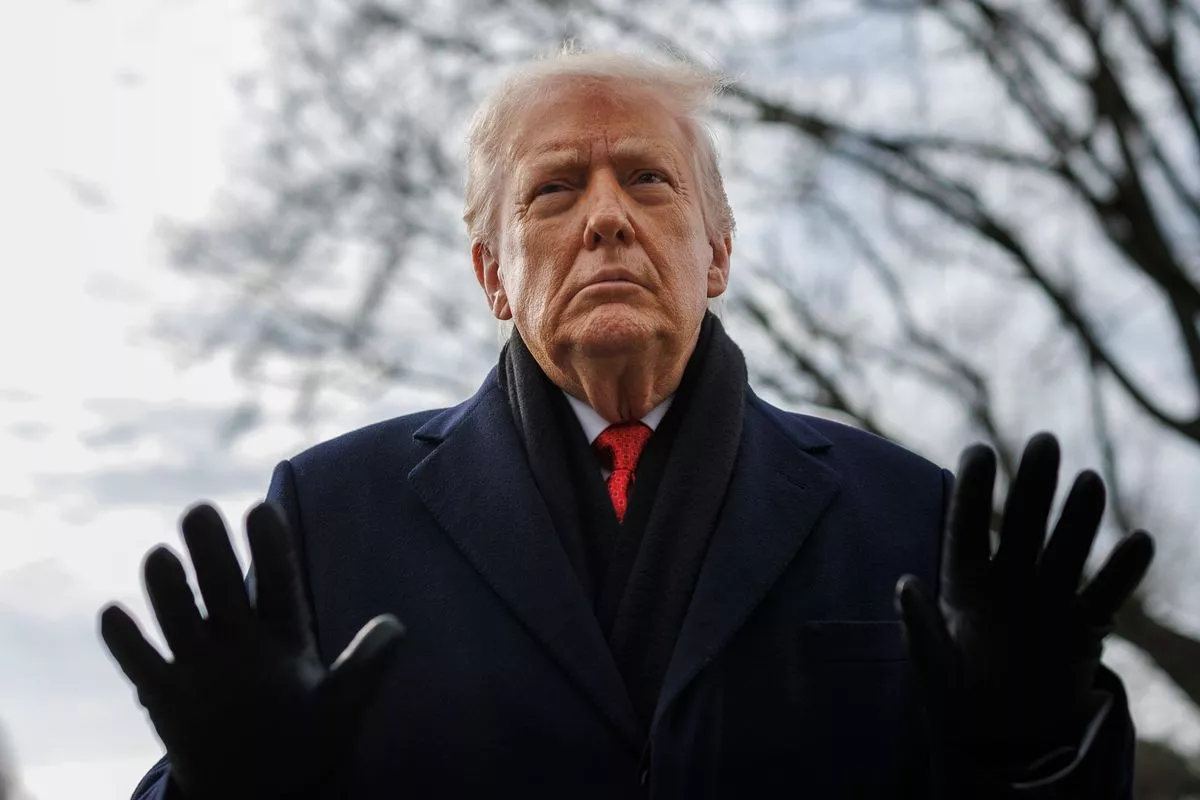
Trump has taken an extraordinarily confident, characteristically brash approach to getting what he wants(Image: Getty)
Picking up on potential attachment trauma issues, Dr Barge noted: “This style thrives on chaos, which could link to early attachment trauma in childhood. Our nervous systems seek out what feels familiar from our primary experiences and neural patterning in childhood. By keeping opponents, allies, and the public constantly reacting, the individual remains at the centre of attention and authority. In that sense, the unpredictability is the strategy.
“While this approach can work in media and business environments, it’s highly atypical – and risky – in global leadership. In leadership psychology, emotionally secure leaders prioritise stability, consistency, and collaboration. By contrast, emotionally immature leadership often relies on grand gestures, reversals, and public one-upmanship to maintain authority.
“When leadership becomes performative, it can unsettle markets, strain diplomatic relationships, and heighten public anxiety. That’s why these behaviours feel so jarring on the world stage; they break almost every psychological rule of secure, steady leadership.”
During an interview at the World Economic Forum, Trump asserted that the US will now have “total access” and “all the military access” to Greenland. This follows a new deal with NATO members at Davos, pledging that a portion of America’s ‘Golden Dome’ missile defence system would be constructed on the enormous island.
Preliminary discussions with NATO are ongoing. Trump did confirm, though, that the threat of tariffs on any UK and EU allies who opposed his plan to annex Greenland would be withdrawn.
It comes after POTUS disrespected the memories of British soldiers who gave their lives in the war in Afghanistan, falsely claiming America’s allies “stayed a little back, off the front line”.
Dr Tej Samani, honorary research fellow at Sussex University, says the politician’s “inflammatory” language is anything but accidental.
Dr Samani, creator of My Performance Learning, said: “Trump’s behaviour… follows a very recognisable psychological pattern. It is loud, reactive and deliberately provocative. This style plays directly to impulse and emotion rather than reflection or restraint. Sudden reversals, inflammatory statements and headline-grabbing offers are not accidents; they are tools. They create stimulation, control the narrative and keep attention locked on him.
“This is not diplomacy; it is dominance-based leadership. Everything is framed in extremes: winning or losing, loyalty or betrayal. Momentum matters more than consistency. Staying central to the story is the goal, whether the coverage is positive or negative. It is not typical of most world leaders, but it is not unique either. What we are seeing more of is performative leadership, where politics becomes theatre and reaction becomes strategy.”