
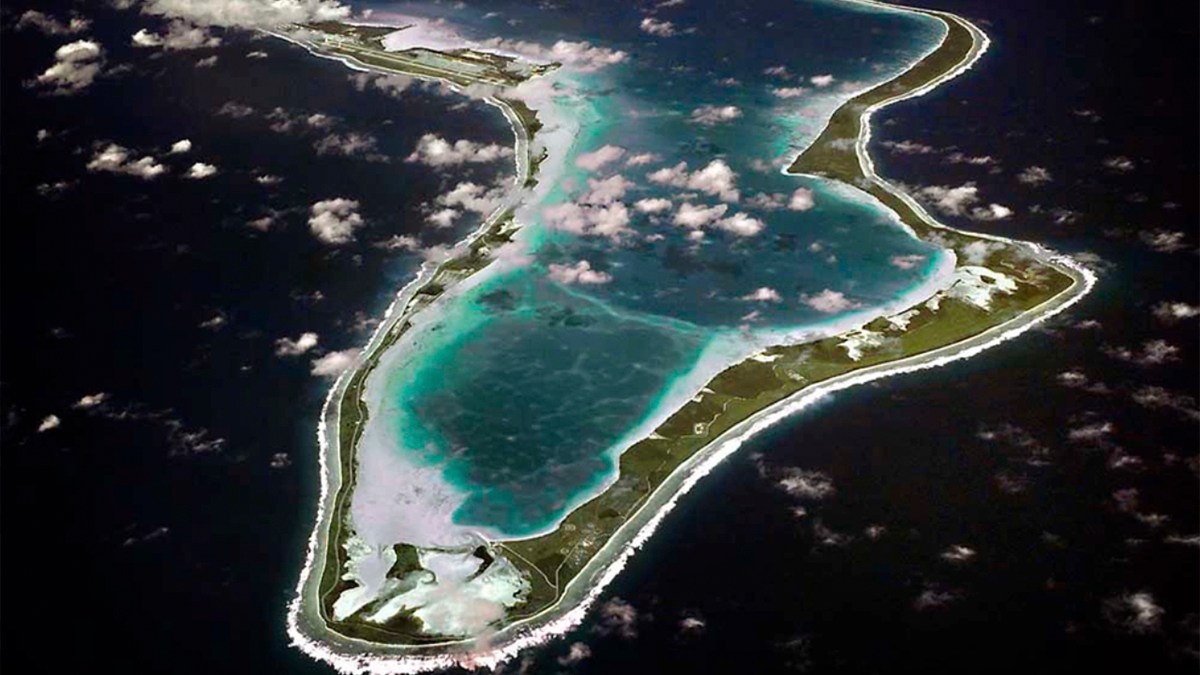
On August 21, 2024, the world’s most expensive aircraft descended on one of the world’s most remote islands.
That day, a United States B-2 Spirit stealth bomber, a $2 billion plane capable of deploying nuclear weapons, touched down at the joint UK-US base on Diego Garcia, the tiny British possession in the Indian Ocean, for a “rapid refuelling mission”, according to a rare photograph released by the US Department of War.
From that point on, the plane could have flown undetected to three theatres of operation — the Middle East, the Indian Ocean and the Pacific: part of what makes the Chagos Islands a unique asset at the military and intelligence end of the special relationship, and, as one diplomatic source put it, “the crown jewels”.
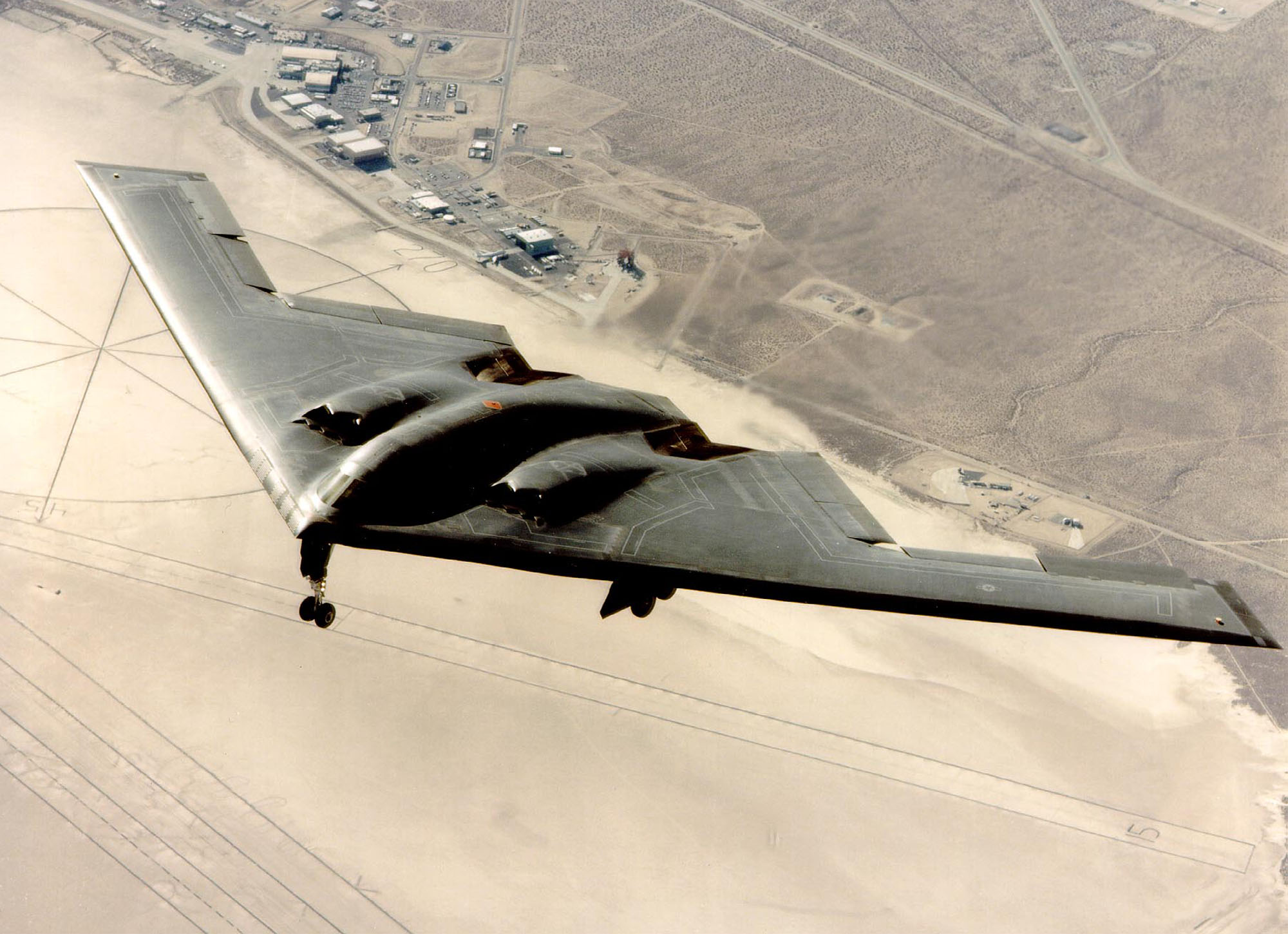
A $2bn B-2 Stealth Bomber
USAF/GETTY IMAGES
Almost 6,000 miles away, Sir Keir Starmer, the man responsible for the territory, was at work resolving a treaty designed to secure its future.
Secret negotiations
According to those in No 10 at the time, Starmer spent an “extraordinary” portion of that summer’s parliamentary recess in secret negotiations about a pact designed to preserve both British and American access to the military base. John Gunther Dean, Washington’s former ambassador to India, once described Diego Garcia — with its deep-water port, airfield and communications facilities — as critical to “the American global strategy to be militarily present in every corner of the globe”.
Yet when the deal to cede the sovereignty of Chagos to Mauritius was announced that October, many within Starmer’s own team felt Britain’s supposed coup — a £3.4 billion, 99-year lease of the Diego Garcia base — was unsellable. Whatever the small print, it still looked like the act of “decolonisation” being celebrated by the Mauritian prime minister. To make the brief more difficult, No 10 also refused to declassify intelligence to help make its case — leaving political and public opinion to crystallise around the idea of “surrender”.
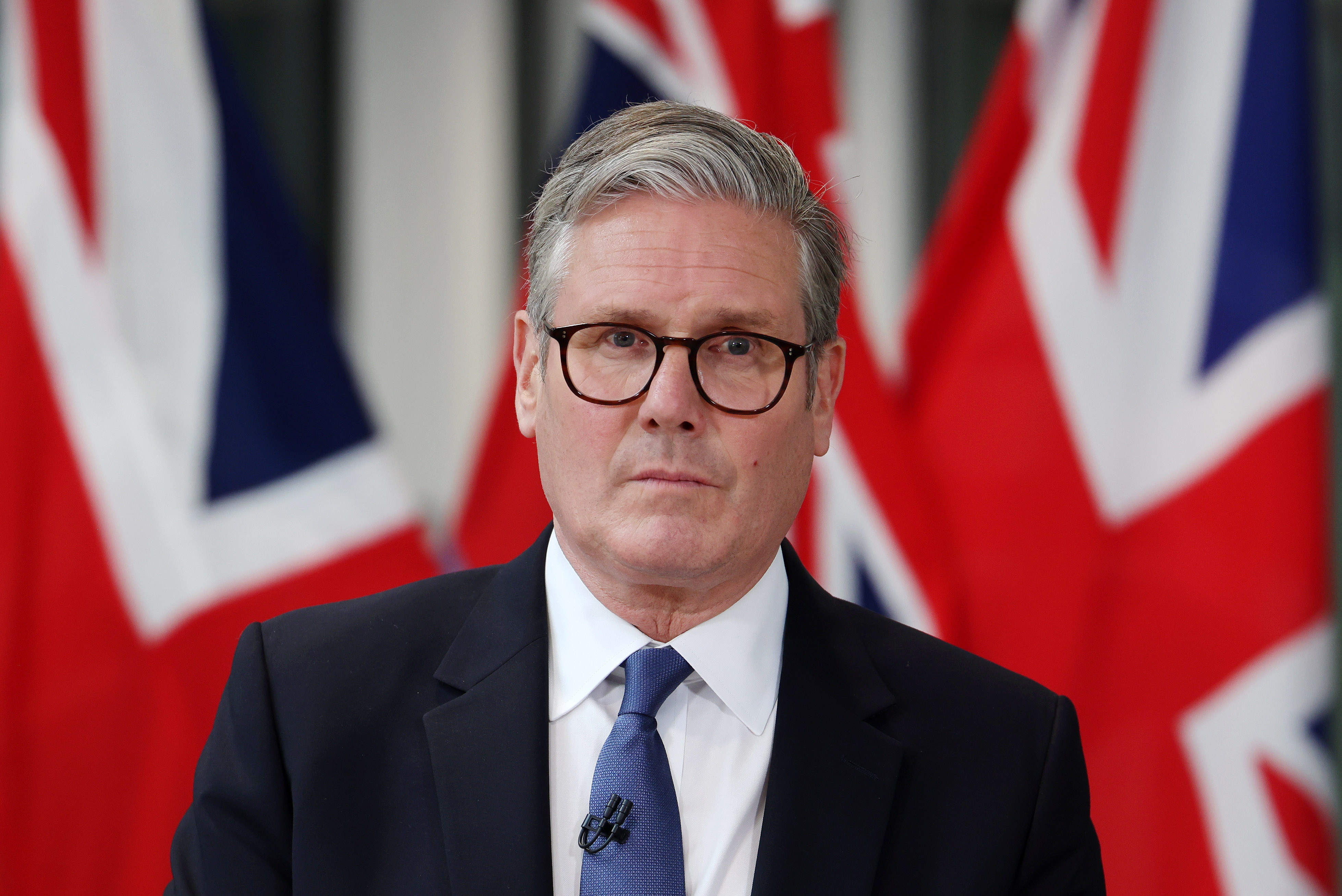
Sir Keir Starmer announcing details of the Chagos Island deal
ANDY RAIN/EPA
Until last week, No 10 could deflect the criticism by pointing to the fact that both Donald Trump and Joe Biden before him had backed the deal.
Then last Tuesday came a Truth Social post at 1:38am ET, in which Trump changed his tune, declaring the deal an act of “GREAT STUPIDITY” and “total weakness”. In an instant, a year of delicate diplomacy was turned on its head.
On Friday night the government pulled a House of Lords debate on the deal scheduled for next week, underscoring uncertainty about the future of the islands.
This is the story of how Starmer alighted on the deal in the first instance and why he has continued to back it despite misgivings from his chief aide.
Before Starmer’s arrival in Downing St in July 2024, much was made of the “s**t list” compiled by his team detailing the crises the government might face.
One was not on most people’s radar, however: an obscure archipelago belonging to Britain since 1814. Its salience in Westminster was such that not a single Labour MP had mentioned “the Chagos Islands” in the House of Commons so far that year. Nor would any until October, when the deal was unveiled.
Yet the deep state had for years been contending with a sovereignty dispute over the territory, which was claimed by Mauritius, 1,300 miles away.
• What is the Chagos Islands deal and why does Trump now oppose it?
According to one diplomatic source, the Foreign Office, MI6 and the British embassy in Washington DC had been of one mind for several years. The best way to maintain the UK base at Diego Garcia was to cut a deal. Mauritius would gain ownership over the islands but immediately lease Diego Garcia back to Britain for a century, while guaranteeing no foreign military could establish a foothold on any of the nearby atolls.
One civil servant described it as Mauritian sovereignty “in name only” — a pact granting the country the right to issue stamps featuring the islands and claim it as theirs on maps, but little else. With payments from London to Port Louis of £100 million a year, it would also make Mauritius financially dependent on the UK.
The alternative was “toughing it out”: that is, unilaterally laying claim to the islands regardless of future legal rulings by United Nations courts or hardening opinion among developing countries, including most of the Commonwealth.
Unimaginable costs
This path was superficially tempting, said one person involved, but posed obvious risks. First, what if Mauritius responded by inviting a hostile power such as China to establish a presence on the islands (of which there are more than 60 in total)? “Suddenly you’re looking at 80 per cent of the Royal Navy being deployed to pre-emptively occupy the islands, or you just have China gaining a foothold and undermining the whole point of the base,” said one source. “The cost would be unimaginable, the navy would not be able to cope.”
Second, what if the US, in future, sided with the Mauritanians? In early 2024, British officials discovered that the US State Department under Biden had begun “research” into the possibility of a bilateral arrangement under which America would “buy off the global south” by recognising Mauritian sovereignty over Chagos. In such a scenario, Britain would risk international humiliation of Suez proportions.
On a more immediate level, the Ministry of Defence was concerned that UN bodies would exclude the UK from satellite or nuclear test-monitoring programmes it runs, or ban companies delivering supplies to the islands, if it did not cede sovereignty.
Karen Pierce, our ambassador to the US at the time, was particularly keen to wrap up a deal — with the blessing of the Biden White House — before the American elections and the possibility of a Trump victory. “It was essentially a very deft form of neocolonialism,” said one of its authors. “People do not understand how good we had it but we had to move quickly.”
• Fraser Nelson: Starmer must decide, is he politician or lawyer?
Starmer had the deal presented to him within days of entering No 10. The prime minister, for whom the rules-based order is an article of faith, immediately warmed to it. Then, according to sources, Sue Gray, his former chief of staff, formally recommended proceeding in an “advice note”. Pierce also weighed in from the embassy in Washington, telling Downing Street that time was of the essence.
In August, the prime minister appointed Jonathan Powell, Tony Blair’s former No 10 chief of staff, as his “special envoy” to get the deal over the line. Powell set about exploiting old contacts from his time negotiating the Good Friday agreement — including the Clintons — to get the proposal in front of the president’s inner-circle advisers.
What followed was, according to a source, “the most rigorous inter-agency approval process imaginable”, where the US State Department, National Security Agency (NSA) and CIA were all invited to inspect the draft. They had no objections as long as the Americans could continue to use Diego Garcia — an island, which, owing to its aerial profile and strategic importance, has long been nicknamed the “footprint of freedom” by America.
Powell assured them the deal was the best way of maintaining the status quo.
Prime minister blindsided
On October 3, Britain and Mauritius announced the deal — prompting a mini-crisis in Starmer’s political team, which learnt about it the same way as the rest of Westminster: from the “breaking news” ticker at the bottom of Sky News. According to sources, they had been “completely cut out” of the negotiations over the summer.
Most senior special advisers had neither been consulted on the details nor asked to counsel Starmer on the political implications. Even Morgan McSweeney, the prime minister’s chief aide, was limited to top-line updates about the fact that negotiations were continuing.
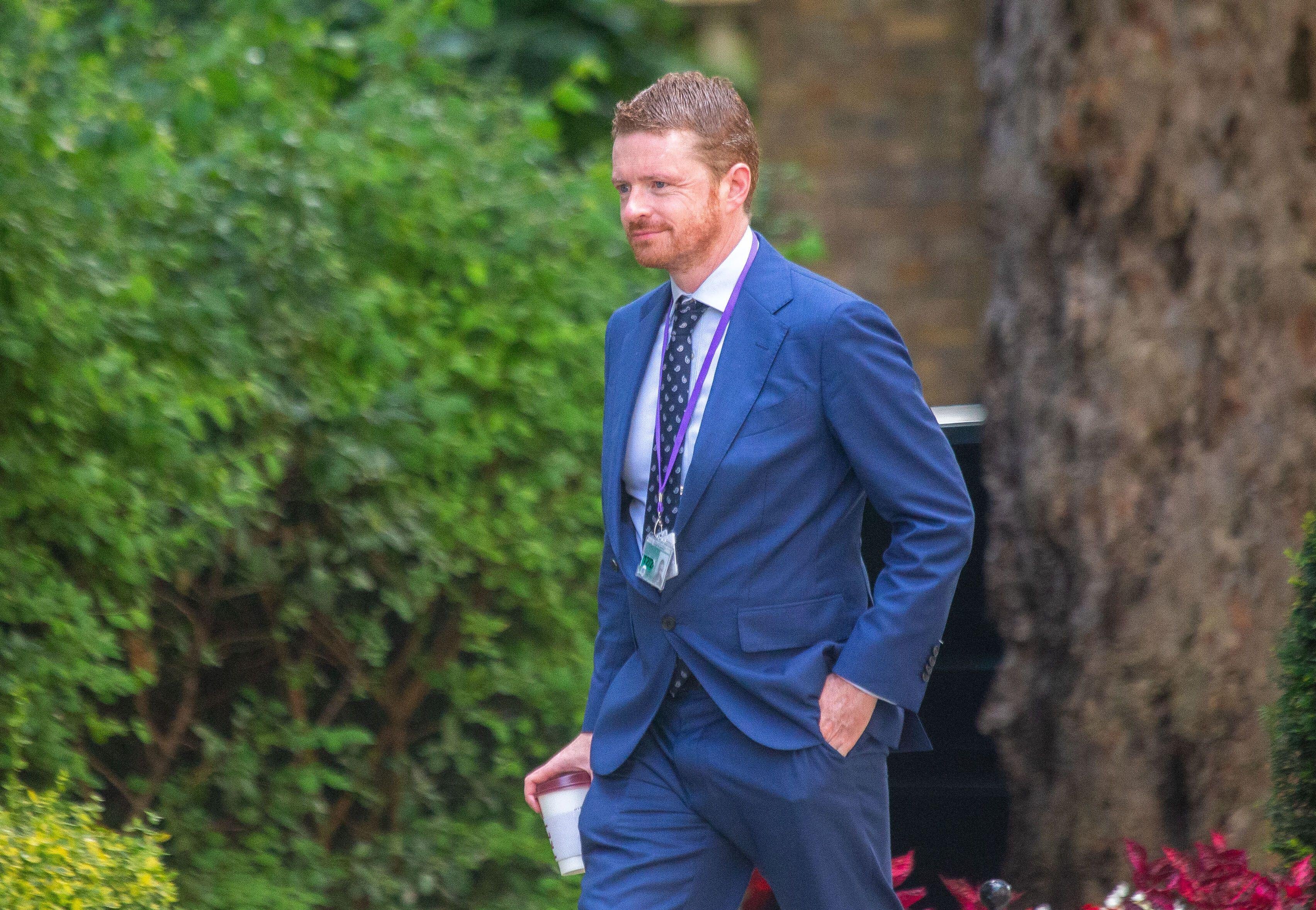
Morgan McSweeney
TAYFUN SALCI/ZUMA
Two factors were at play. The UK intelligence community has a more unbending approach to secrecy than the US at the best of times. At the same time, Gray and McSweeney were locked in a destructive battle for Starmer’s ear — with Simon Case (now Lord Case), the cabinet secretary, among those who were dismayed by the extent of the distrust at the heart of the No 10 operation. On Chagos, Gray allegedly argued that McSweeney could not view classified information, saying it would be inappropriate.
All of this meant almost every special adviser or “Spad” in No 10 was in the dark about the deal until it was too late. As soon as they saw it, they knew how it would play. Britain, three decades after leaving Hong Kong, half a century after decolonisation, was giving up one of its final overseas territories, with Starmer, the new prime minister, leading the way. “What the f***?” said one. Another (factionally inclined) colleague added: “This is some mad Corbyn shit.”
The fact that the previous government had begun the talks would have no bearing on how most people perceived it. McSweeney maintained his usual taciturnity but, according to several friends, was dismayed too. Starmer had won the election by decontaminating Labour’s brand on matters of economic and national security. Now he appeared to be forfeiting territory because of the non-binding rulings issued by various international bodies.
Mixed messages
It did not help that, as the deal was announced, Powell breezily went on Times Radio saying that Britons need not “worry” about the deal as they concerned “very tiny islands in the middle of the Indian Ocean where no one actually goes”. Those in No 10 who wanted to make a more muscular argument based on the island’s strategic defence role were told it was impossible given the sensitivity. One Foreign Office official added that ministers were reluctant to forewarn of the risk of China otherwise seizing nearby atolls, as David Lammy, with Starmer’s blessing, was by then engaged in a rapprochement with the People’s Republic as foreign secretary.
As opposition criticism mounted, a group of Spads secured a meeting with Powell to press him on the details of the deal. Vidhya Alakeson, now Starmer’s deputy chief of staff, was political director at the time and led the questioning. Were the Americans desperate for it? Was there a big military or intelligence consideration that they were not privy to? A source said Powell would not answer, citing “national security”. Alakeson responded by asking if it was good for national security if Reform UK won the next election. (No 10 said it did not recognise the comment.) A diplomatic source reflects: “The deep state became so petrified of losing it they lost track of British politics.”
Another bemoaned the way in which Starmer had been rushed into the Chagos treaty supposedly because of the looming US elections. In fact, they said, the Foreign Office was mostly keen to convert the prime minister and Lammy’s support into hard cash after years of delay under the Tories. “The FCDO [Foreign, Commonwealth and Development Office] was always spooked that David Cameron [in his role as Rishi Sunak’s foreign secretary] didn’t want it. Cameron understood the politics of it. This country has given up so much. Why should we give up more?”
• A brief history of the Chagos Islands — and why they still matter
Tory and Reform MPs lined up to condemn the treaty. Then, in November 2024, two elections took place threatening to upend it altogether. On November 5, Trump won the US presidential election. A week later, Navin Ramgoolam, a public critic of the deal, was elected prime minister of Mauritius. It is said that McSweeney was amazed neither No 10 nor the Foreign Office had “any plan” for Ramgoolam’s election. In fact, it resulted in such panic that Powell was dispatched to the Indian Ocean island to make the case directly to the new incumbent. With uncertainty hovering over Trump’s position, McSweeney is said to have had a “very serious wobble” about the treaty. According to one source, he even persuaded Starmer to “think about it” — that is, think about withdrawing — in late 2024.
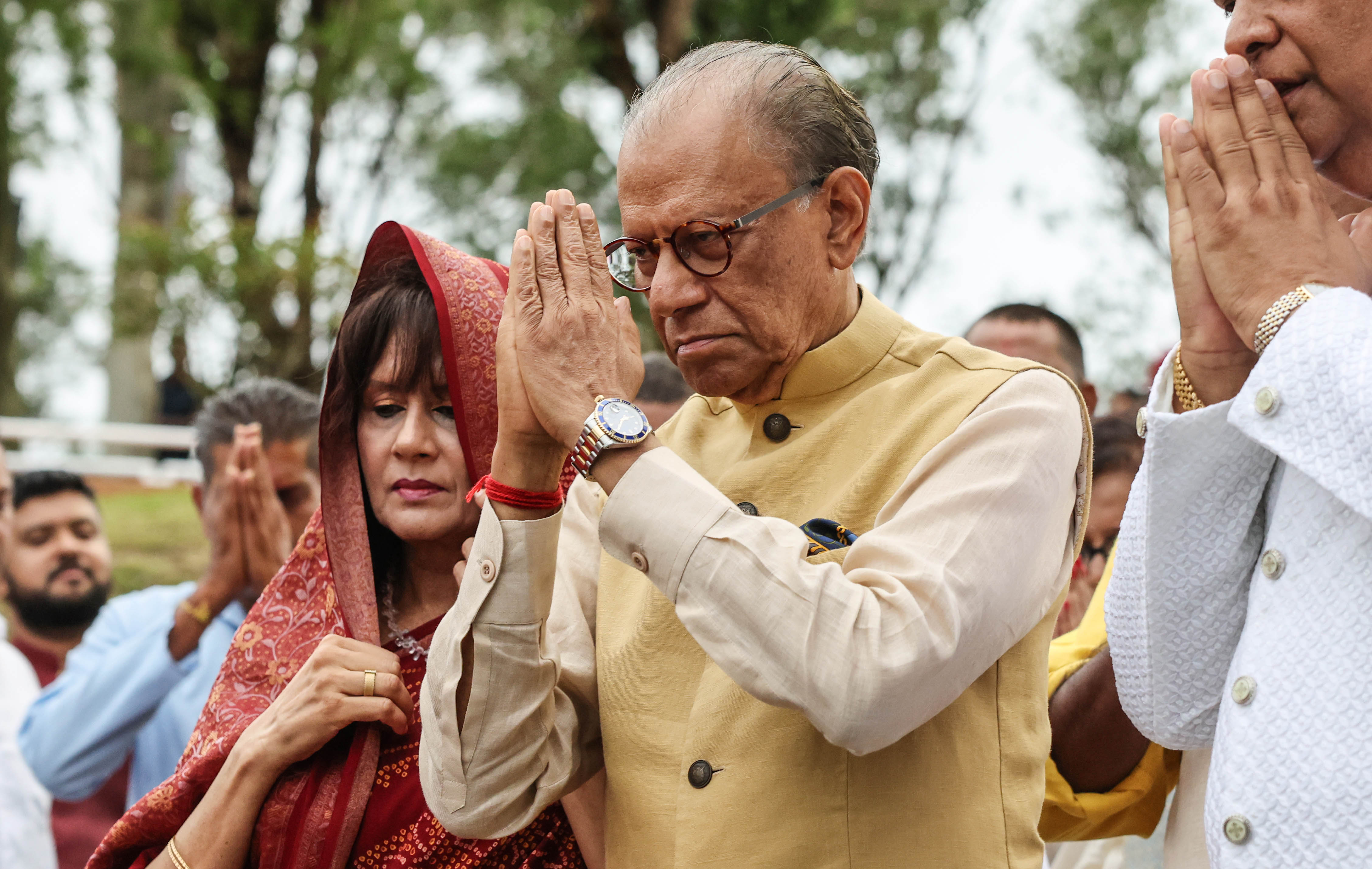
Navin Ramgoolam, the prime minister of Mauritius, and his wife Veena
SUNDAY TIMES PHOTOGRAPHER RICHARD POHLE
Happily for Powell and co, help was on the way.
An unlikely ally
It was not a spy or a career diplomat who soon became the key interlocutor between No 10 and the White House on the deal — but Mark Burnett, a British-American TV producer best known as creator of The Apprentice, which once upon a time catapulted Trump to fame. Upon his inauguration in January 2025, Trump appointed his friend special envoy to the UK. Burnett, a Falklands veteran who grasped the island’s strategic importance, made the British case for the deal directly to Trump. The way one source described it is that the envoy “put the deal under the president’s nose and he [Trump] was like ‘fine fine fine’”. The source said: “How much Trump actually listened or cared is another question.”
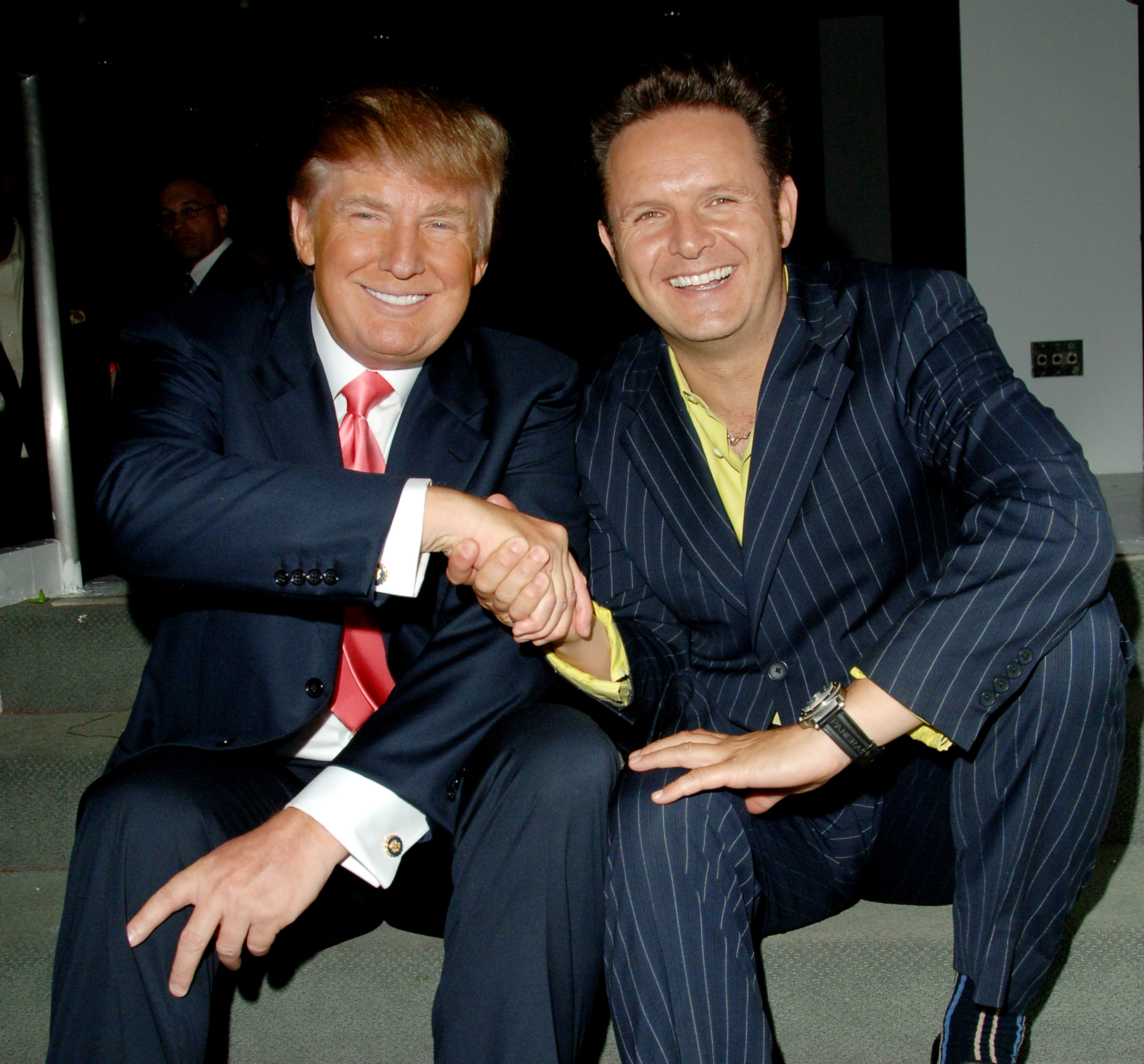
Donald Trump and Mark Burnett
JON KOPALOFF/FILMMAGIC
• Abandoned Chagos exiles head for new life in Britain
Trump, for his part, appeared to give his blessing weeks later, when, in his Oval Office press conference with Starmer, he said: “I think we’ll be inclined to go along with your country.” That was enough for No 10, which chalked up a major diplomatic victory. Over the weeks that followed, the rest of Trump World followed suit, with one source saying Marco Rubio, the US secretary of state, was “delighted” with the terms of the arrangement and JD Vance, the vice-president, similarly signed up. A source said: “They thought it showed you could do deals with Trump beyond the bluster.”
Starmer, fortified by Trump’s expression of support, was able to ignore the drumbeat of criticism from the right when, in May, the UK and Mauritius formally signed the deal — or so he thought.
A concerted campaign
It is easy to view Trump’s Truth Social post last week as a tit-for-tat reaction to Britain’s critical stance on Greenland. Yet sources say the subtler truth is that a US recalibration on the deal had been in the works “for some time”. From Nigel Farage to Dame Priti Patel, the former home secretary, and Lord Kempsell, Boris Johnson’s former adviser, practically every Reform or Tory politician with connections to the White House has been urging the administration to change tack. They argue that in an era of hard power, international agreements are no failsafe against Chinese imperialism in the region and that, as Trump has since argued, only “strength” — code for British holding onto the territory — matters.
Several of these figures have raised the issue with Trump’s man in London: ambassador Warren Stephens, whom they believe is sympathetic to their cause. Trump is naturally disposed to any view that says countries — whether the US or Britain — ought to show strength, and act unilaterally, rather than through multilateral “globalist” institutions. So are many of his advisers. Richard Grenell, a “special missions” presidential adviser, is sceptical too. Meanwhile Farage has pressed Scott Bessent, the Treasury secretary with whom he dined at Davos last week, Peter Hegseth, the US secretary of war, and Mike Johnson, the House Speaker, on the issue. A source said: “Some admin figures have thanked Farage for helping to put the issue on their radar.”
• Britain and the Chagos, the seven-year mess that’ll cost us all
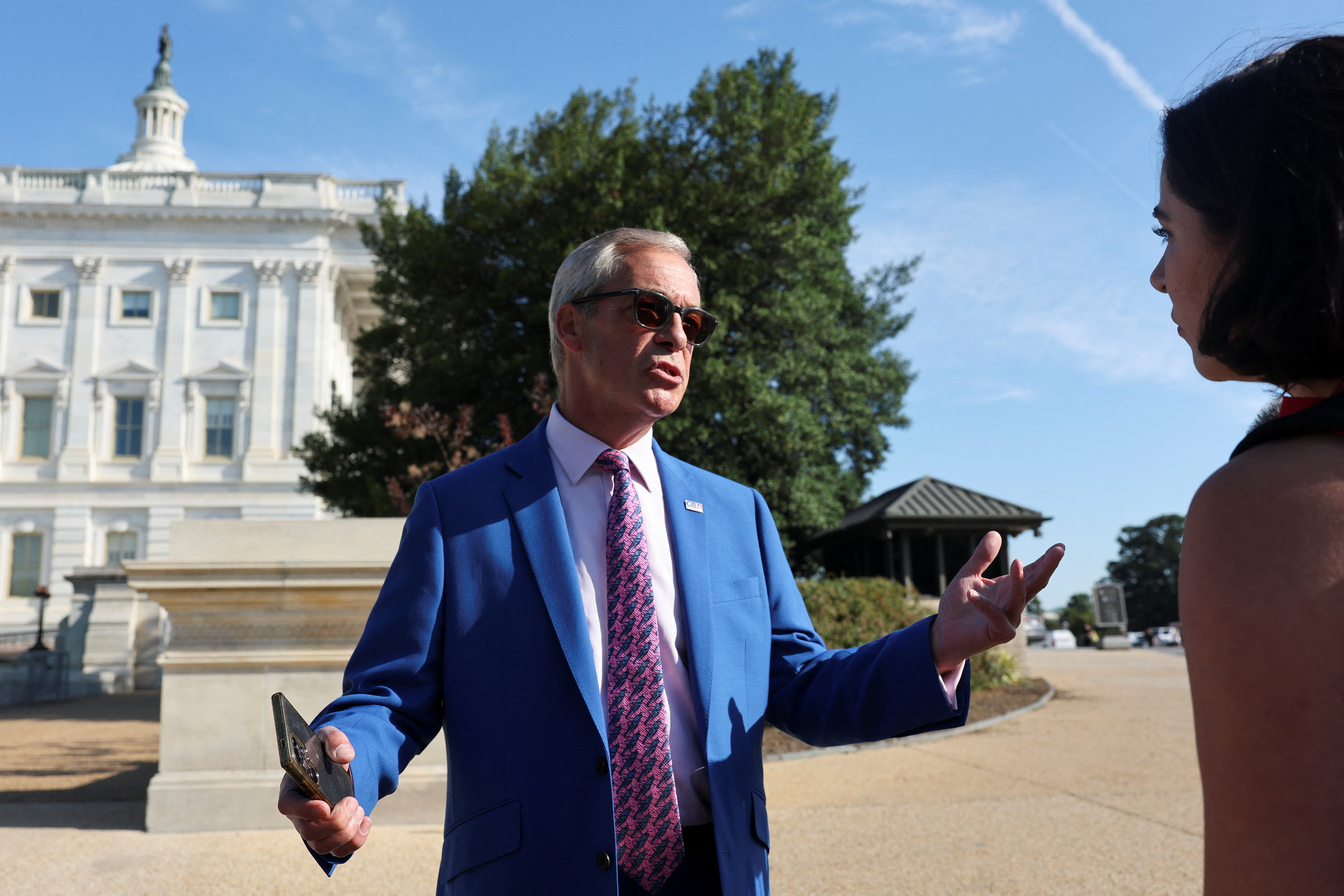
Nigel Farage has been central to the lobbying effort against the deal
JONATHAN ERNST/REUTERS
Just after 6pm on Friday, the government whips in the House of Lords wrote to peers saying a debate on the deal — scheduled for Monday — had been cancelled. The news came hours after the Tories had tabled an amendment demanding a pause “in light of the changing geopolitical circumstances”, threatening to prolong the legislative process required for the treaty to take effect. According to No 10, the bill will return in “due course”.
The question for Starmer now is the same as it was when the treaty was announced. Can he reconcile the politics of the moment with the “100-year thinking” that underpinned the agreement? The latest delay suggests the prime minister, for now, is living day by day.