
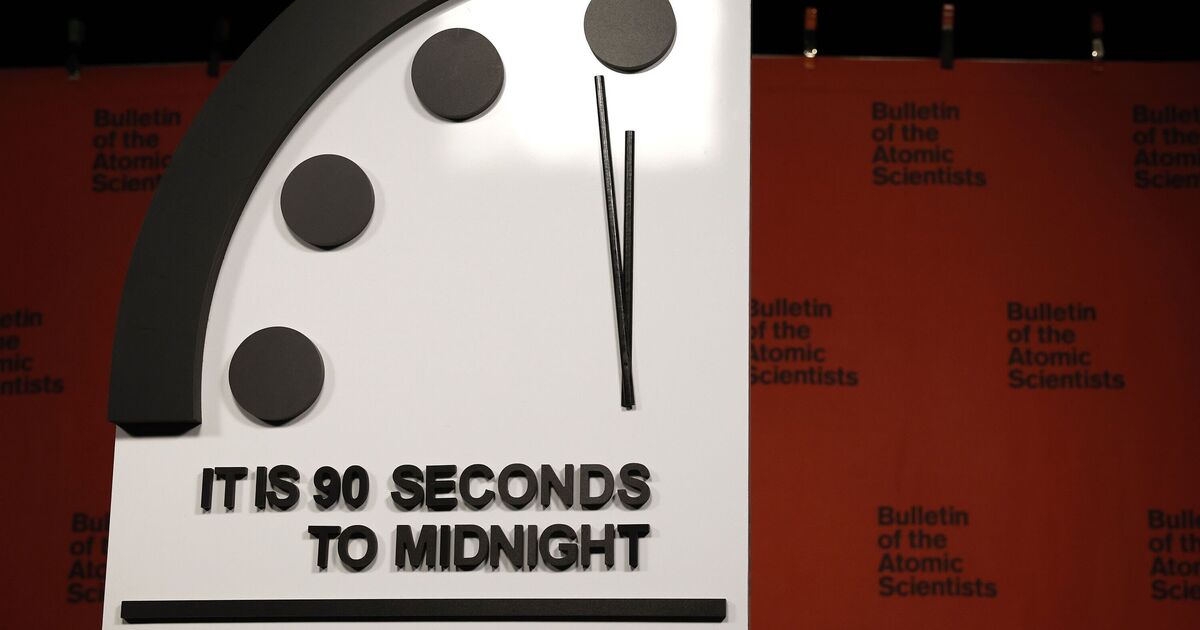
Experts say several real-world developments are likely to factor into scientists’ deliberations for this year’s clock:
– Russia’s ongoing invasion of Ukraine, which continues to raise the risk of nuclear escalation and has led to long-running geopolitical tensions.
– Escalating tensions in the Middle East, including the ongoing war between Israel and Hamas in Gaza and fears of wider regional conflict.
– Nuclear proliferation concerns, with multiple nuclear-armed states expanding arsenals and nuclear rhetoric rising globally.
– Tensions over Greenland and Arctic security, following comments by Donald Trump about acquiring the territory, which have raised concerns among NATO allies and added to broader geopolitical instability.
– Climate change impacts, such as record-breaking temperatures and extreme weather events contributing to global risk assessments.
– Rapid advances in artificial intelligence and other technologies, seen by scientists as disruptive risks that could outpace governance and global cooperation