
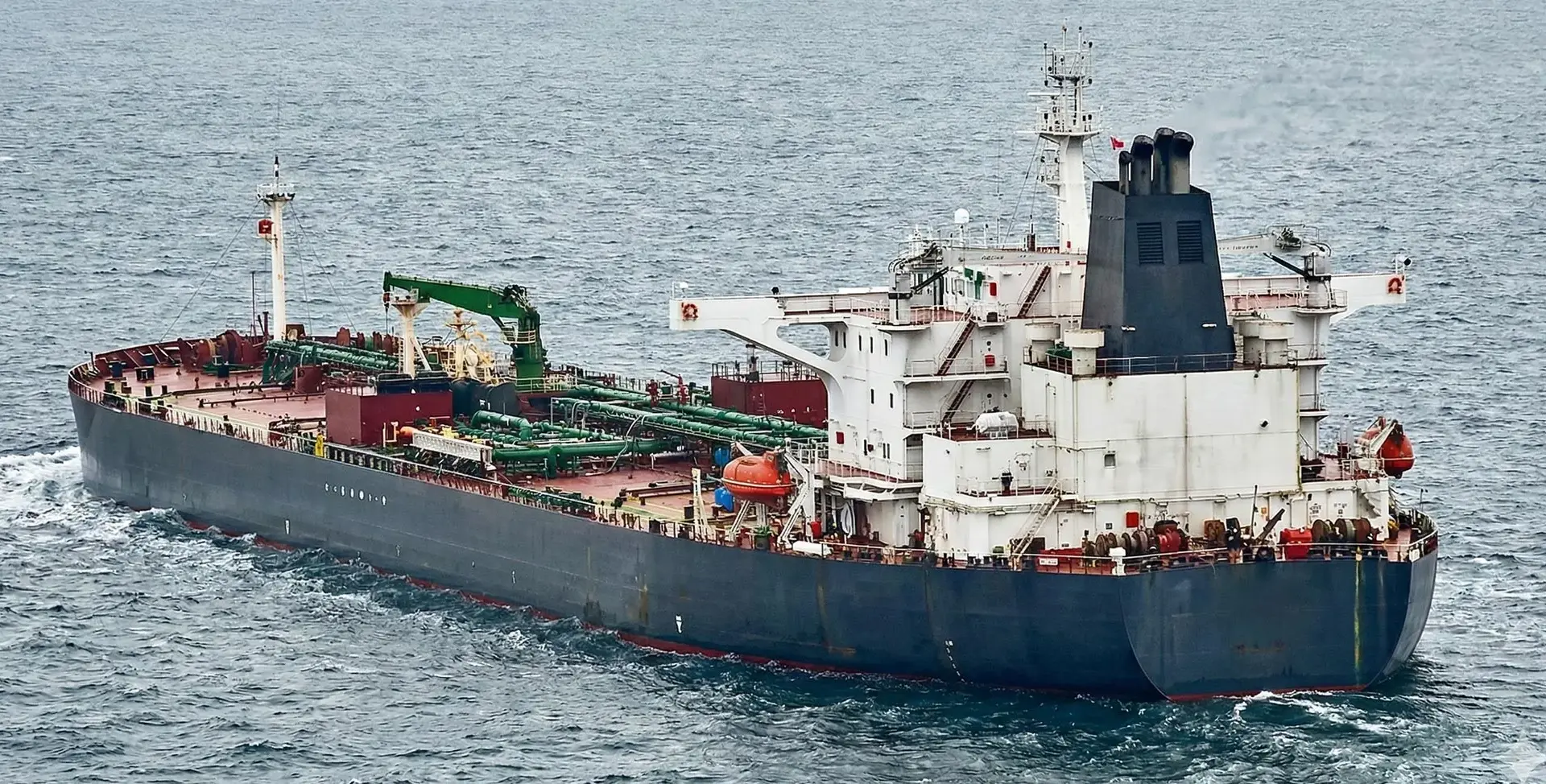
European coastal states, including the UK, have issued a coordinated warning to the international maritime community over unsafe and deceptive practices linked to Russian maritime activity in the Baltic and North Seas. The statement signals a firmer enforcement posture, making clear that AIS manipulation and sanction-evasion by vessels associated with Russia will face closer scrutiny and reduced tolerance.
The letter reflects growing concern that deliberate interference with Global Navigation Satellite Systems is no longer an isolated technical problem but a persistent feature of the security environment in northern European waters. These disruptions, widely attributed by regional governments to Russian activity, degrade the safety of navigation for all vessels operating in affected areas. Satellite-based position, navigation and timing data underpins modern shipping, supporting collision avoidance, traffic coordination and distress alerting, and its disruption is framed as a direct threat to life at sea.
Alongside GNSS interference, the integrity of AIS is a central enforcement concern. The spoofing, falsification or deliberate disabling of AIS, practices increasingly associated with Russian-linked shadow fleet operations, undermines situational awareness for coastal authorities and other mariners. Such behaviour increases the risk of collision, complicates search and rescue efforts and obscures accountability, particularly when vessels are operating close to critical infrastructure or in congested sea lanes.
Rather than proposing new regulatory frameworks, the coastal states emphasise the need to enforce existing international law more rigorously. The statement reiterates that all vessels exercising freedom of navigation must comply fully with the conventions of the International Maritime Organisation (IMO) and the United Nations Convention on the Law of the Sea (UNCLOS). This includes strict adherence to the Convention on the International Regulations for Preventing Collisions at Sea, the Safety of Life at Sea Convention and the International Convention for the Prevention of Pollution from Ships, obligations that some Russian-associated vessels are increasingly accused of skirting.
Particular attention is drawn to the requirement that vessels operate under a single, clearly identifiable flag. Ships that use multiple flags for convenience, a practice frequently linked to Russian shadow fleet operations, may be treated as stateless under UNCLOS. This has significant enforcement implications, removing the protections normally afforded by flag state jurisdiction, enabling boarding and seizure operations if required.
Documentation and certification requirements must also be met. Vessels are required to carry valid class certification, insurance and pollution liability cover, including financial security under international civil liability conventions. The emphasis suggests a growing willingness to use port state control inspections and detentions against Russian-linked vessels that cannot demonstrate compliance, particularly those involved in sanction circumvention or opaque ownership structures.
Flag states themselves are reminded of their responsibilities to ensure that ships flying their flag comply with international standards before proceeding to sea. The letter explicitly references the duty to investigate deficiencies and to prohibit vessels from sailing where requirements are not met. This language implicitly challenges registries that continue to enable Russian maritime trade through minimal oversight and weak enforcement.
Operational conduct at sea is addressed in similarly firm terms. Continuous operation of AIS and Long-Range Identification and Tracking equipment is described as mandatory, alongside proper bridge watchkeeping and compliance with vessel traffic services and ship reporting systems. These provisions reinforce the legal basis for intervention when vessels linked to Russia go dark, fail to report or deliberately avoid contact with maritime authorities.
Environmental protection features prominently, reflecting serious concern about pollution risks posed by decrepit shadow fleet tankers operating with minimal transparency. The requirement to carry approved oil and marine pollution emergency plans, to notify authorities of ship-to-ship transfers and to report any discharges promptly is restated in detail. In the Baltic and North Seas, where the environmental consequences of a spill would be severe.
While the statement also encourages cooperation on developing alternative terrestrial radionavigation systems as a hedge against GNSS disruption, its immediate significance lies in signalling political alignment on enforcement against Russian maritime activity. By collectively restating legal expectations, the signatories are laying the groundwork for tighter port state control, closer intelligence sharing and a reduced tolerance for vessels engaged in deceptive or destabilising behaviour.
For the Royal Navy and its northern European partners, this statement reinforces an already active role in maritime security, surveillance and coordination with civilian authorities. The UK has yet to board or seize a shadow fleet vessel in its waters. In January 2026 alone, at least 42 sanctioned oil tankers passed through the English Channel. The RN is quite capable of these kinds of operations despite its depleted resources. The Russian Navy does not have the resources to escort every shadow fleet vessel. Typically, the few merchant ships escorted by Russian warships are only those providing direct logistical support to the Russian military.
By underlining international law, enforcement action is becoming an increasingly black and white political choice for the UK. These vessels are a hazard to other mariners, a major environmental risk never mind being instruments used to fund Putin’s illegal war in Ukraine.